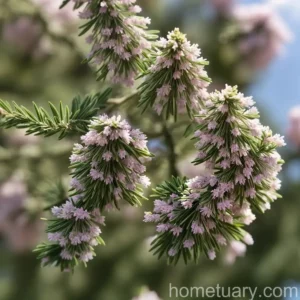
All About the Catawba Rhododendron (Rhododendron catawbiense ‘Grandiflorum’)
As a plant scientist specializing in horticulture, I am excited to delve deep into the world of the Catawba Rhododendron (Rhododendron catawbiense ‘Grandiflorum’). This stunning flowering shrub has captured the hearts of gardeners and nature enthusiasts with its vibrant blooms and remarkable resilience. In this comprehensive guide, we will explore every aspect of the Catawba Rhododendron, from its cultural preferences to its uses in landscaping, maintenance, and potential challenges. Whether you’re already an avid fan of this breathtaking plant or just beginning to discover its allure, this guide will equip you with the knowledge and insights to cultivate and appreciate the Catawba Rhododendron to its fullest potential.
What is the Catawba Rhododendron?
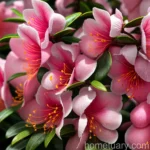
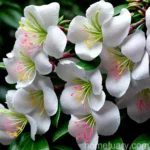
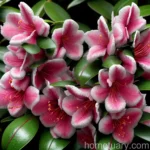
The Catawba Rhododendron, scientifically known as Rhododendron catawbiense ‘Grandiflorum’, is a beloved broadleaf evergreen shrub that belongs to the family Ericaceae. This striking plant is native to the eastern United States, where it thrives in the cool, moist woodlands and mountainous regions. It is renowned for its large, showy clusters of flowers that burst into a riot of colors, typically ranging from deep purples and lavenders to vibrant pinks and whites.
The Catawba Rhododendron is distinguished by its glossy, dark green foliage and its impressive floral displays, which emerge in late spring to early summer, depending on the climate and growing conditions. The flowers not only add a touch of elegance and vibrancy to any landscape but also attract pollinators such as bees, butterflies, and hummingbirds, contributing to the overall ecological balance.
This plant’s ability to thrive in various climates and its adaptability to different soil conditions have made it a favorite among gardeners seeking to enhance their outdoor spaces with year-round interest and natural beauty.
Key Takeaways – Catawba Rhododendron (Rhododendron catawbiense ‘Grandiflorum’)
Before we embark on a detailed exploration of the cultural requirements, uses, maintenance, and potential challenges associated with the Catawba Rhododendron, let’s highlight the key takeaways that will guide our journey:
- Common Name: Catawba Rhododendron
- Scientific Name: Rhododendron catawbiense ‘Grandiflorum’
- Family: Ericaceae
- Type: Broadleaf Evergreen Shrub
- Native Habitat: Eastern United States
- Flowering Season: Late Spring to Early Summer
- Flower Colors: Deep Purples, Lavenders, Pinks, Whites
- Foliage: Glossy, Dark Green
- Cultural Preferences: Partial Shade, Moist, Well-Drained Soil
- Uses: Landscaping, Ornamental Purposes
- Challenges: Pruning, Disease Management, Pest Control
With these key takeaways in mind, let’s delve into the fascinating world of the Catawba Rhododendron, beginning with its cultural requirements and how to ensure its optimal growth and bloom.
Culture
Water
Proper watering is essential for the health and vitality of the Catawba Rhododendron. While it is crucial to maintain moist soil conditions, it is equally important to avoid waterlogging, which can lead to root rot and other detrimental effects.
Watering Needs for Catawba Rhododendron
- Established Plants: During periods of insufficient rainfall, established Catawba Rhododendrons should ideally receive at least 1 inch of water weekly, either from natural precipitation or supplemental irrigation.
- Newly Planted Specimens: Newly planted Catawba Rhododendrons require more frequent watering, especially during the first growing season. It is advisable to provide water when the top inch of the soil feels dry to the touch. Once the plants are well-established, they can be transitioned to the standard watering schedule for mature specimens.
Sunlight
The Catawba Rhododendron thrives in partial shade, making it an ideal choice for gardens with dappled light or filtered sunlight. While it can tolerate some direct sun, particularly in the morning, it generally prefers protection from the intense afternoon sun, especially in warmer climates.
Sunlight Requirements for Catawba Rhododendron
- Partial Shade: Ideally, the Catawba Rhododendron should be planted in locations that receive partial shade, especially during the hottest part of the day. This can be accomplished by positioning the plants under the canopy of deciduous trees, along the north or east-facing sides of buildings, or in areas where they receive gentle, filtered sunlight.
- Morning Sun: In regions with milder climates, the Catawba Rhododendron can tolerate some direct morning sun without adverse effects. However, it is essential to monitor the plant’s response to ensure that it is not experiencing any sun-related stress.
- Protection from Afternoon Sun: In warmer climates, it is crucial to shield the Catawba Rhododendron from the harsh afternoon sun, which can cause leaf scorch and excessive transpiration.
Soil
The soil requirements of the Catawba Rhododendron play a significant role in its overall health and performance. This plant thrives in moist, well-drained, acidic soil that is rich in organic matter.
Best Soil for Catawba Rhododendron
- Acidity: Catawba Rhododendrons thrive in acidic soil with a pH range of 4.5 to 6.0. It is essential to periodically test the soil pH and make adjustments as needed to provide an optimal growing environment for these plants.
- Moisture Retention: The soil should have excellent moisture retention capabilities while ensuring efficient drainage to prevent waterlogging. Amending the soil with organic matter such as peat moss, compost, or well-rotted pine bark can enhance its moisture retention properties.
- Texture: A loamy, well-aerated soil with a light, crumbly texture is highly favorable for Catawba Rhododendrons. This type of soil provides a balance of water accessibility and air circulation to the plant’s root system, promoting healthy growth.
Fertilizer
Proper fertilization is essential for promoting robust growth and vibrant blooms in the Catawba Rhododendron. However, it is crucial to apply fertilizers with care, avoiding excessive doses that can lead to adverse effects on the plant.
Best Fertilizer for Catawba Rhododendron
- Acidic Formulations: Catawba Rhododendrons benefit from fertilizers specifically formulated for acid-loving plants, which often contain a balanced blend of essential nutrients along with acidifying agents. These fertilizers help maintain the soil pH while providing the necessary nutrients for healthy growth and flowering.
- Timing: It is advisable to apply fertilizer to established Catawba Rhododendrons in early spring, just before new growth begins. For young plants, a lighter application in late spring or early summer can support their initial development.
- Avoiding Excess: Over-fertilizing can lead to salt buildup in the soil and cause root damage, ultimately affecting the plant’s overall health. Therefore, it is essential to adhere to the recommended dosage and frequency specified on the fertilizer product label.
Pruning
Pruning is a crucial aspect of Catawba Rhododendron maintenance, contributing to the plant’s shape, size control, and overall vigor. By employing proper pruning techniques, gardeners can help the shrub maintain its natural form while encouraging prolific flowering.
Catawba Rhododendron Pruning
- Timing: The best time to prune Catawba Rhododendrons is immediately after the flowering period, typically in late spring to early summer. This timing allows for the removal of spent blooms and the shaping of the plant without compromising the formation of flower buds for the following year.
- Safeguarding New Growth: When pruning, it is essential to avoid cutting into the woody stems, as this can inhibit the development of new buds. Instead, focusing on removing faded flowers and overgrown branches will help maintain the plant’s health and aesthetics.
- Minimal Pruning: Catawba Rhododendrons generally require minimal pruning beyond the removal of spent flowers and the occasional shaping to maintain a tidy appearance. Excessive pruning, especially during the autumn and winter months, can diminish the plant’s ability to produce blooms in the following season.
Propagation
The propagation of Catawba Rhododendrons offers an exciting opportunity to expand your collection and share the beauty of these plants with fellow gardening enthusiasts. By employing suitable propagation techniques, you can create new plants from existing specimens and nurture them to maturity.
How to Propagate Catawba Rhododendron
- Softwood Cuttings: Propagating Catawba Rhododendrons from softwood cuttings taken in early summer can be an effective method for initiating new plants. By preparing the cuttings and providing them with the right growing conditions, you can encourage the development of healthy root systems and establish new shrubs.
- Air Layering: Air layering allows you to encourage root growth on a selected area of a mature Catawba Rhododendron branch while it is still attached to the parent plant. Once roots have formed, the new plant can be separated and transplanted to a suitable location for further growth and development.
- Division: For older, established Catawba Rhododendrons, division can be a viable method for creating new plants. By carefully dividing the root ball and ensuring that each section contains sufficient roots and shoots, you can propagate multiple new specimens from a single parent plant.
Container Popularity
The Catawba Rhododendron’s adaptability to container cultivation has made it a popular choice for both small-scale and large-scale landscaping projects. The use of containers allows gardeners to showcase these stunning plants on patios, decks, and other outdoor areas, enhancing their visual appeal and creating focal points within the landscape.
Growing Catawba Rhododendron in Containers
- Container Size: When growing Catawba Rhododendrons in containers, it is essential to select adequately sized pots that provide ample space for the plant’s root system to develop. Larger containers not only accommodate the shrub’s mature size but also offer better insulation against temperature fluctuations.
- Drainage: Proper drainage is critical for container-grown Catawba Rhododendrons, as waterlogged soil can lead to root rot and other issues. It is advisable to ensure that the containers have sufficient drainage holes and to use a well-draining potting mix to promote healthy root growth.
- Soil Selection: Choosing a high-quality potting mix formulated for acid-loving plants is essential for container-grown Catawba Rhododendrons. These specialized mixes provide the necessary acidity and nutrient balance to support the plant’s growth and flowering.
- Placement: Positioning the containers in locations that provide partial shade and protection from strong winds is crucial for the well-being of the Catawba Rhododendrons. Additionally, regularly monitoring the moisture levels and addressing any watering needs can help ensure the plants’ vitality and long-term success.
Common Diseases
As with many ornamental plants, the Catawba Rhododendron is susceptible to certain diseases that can affect its overall health and appearance. By understanding the common diseases and their associated symptoms, gardeners can take proactive measures to mitigate potential risks and safeguard their plants.
Disease Diagnosis
Phytophthora Root Rot
- Symptoms: The initial signs of Phytophthora root rot often include wilting, yellowing of leaves, and overall decline in the plant’s vigor. Upon closer inspection, brown lesions or discoloration may be visible on the roots.
- Preventive Measures: Maintaining well-drained soil, avoiding overwatering, and ensuring proper air circulation around the roots can help prevent the onset of Phytophthora root rot. Additionally, selecting disease-resistant cultivars and practicing good sanitation in the garden can contribute to disease prevention.
Powdery Mildew
- Symptoms: Powdery mildew presents as a white, powdery growth on the leaves of the Catawba Rhododendron, often accompanied by leaf distortion and early leaf drop. In advanced stages, the affected foliage may develop brown or gray patches.
- Preventive Measures: Providing adequate air circulation around the plants, avoiding overhead watering, and applying fungicidal treatments as a preventive measure can help control powdery mildew. Regular monitoring of the plants for early signs of the disease is also crucial for timely intervention.
Lace Bug Damage
- Symptoms: Lace bugs can cause stippling and discoloration on the upper surfaces of Catawba Rhododendron leaves, giving them a speckled appearance. Additionally, the undersides of the leaves may exhibit dark spots of excrement, indicating the presence of lace bug infestations.
- Preventive Measures: Employing horticultural oils or insecticidal soaps to control lace bugs, promoting beneficial insect populations, and maintaining overall plant health through proper cultural practices can help manage and prevent lace bug damage.
Common Pests
In addition to diseases, the Catawba Rhododendron can face challenges from a variety of pests that may impact its growth and ornamental appeal. Awareness of these common pests and their associated symptoms is instrumental in implementing effective pest management strategies.
Common Pests of Catawba Rhododendron
Azalea Caterpillars
- Symptoms: Azalea caterpillars, the larvae of the Azalea caterpillar moth, can defoliate Catawba Rhododendrons by feeding on the leaves. Their presence is marked by chewed, skeletonized foliage and the potential appearance of caterpillars on the plant.
- Management: Handpicking caterpillars, encouraging natural predators, and utilizing biological insecticides can help control Azalea caterpillar populations while minimizing the impact on beneficial insects.
Weevils
- Symptoms: Weevils, such as the Black Vine Weevil, can cause significant damage to the Catawba Rhododendron by feeding on the foliage, resulting in notched leaf edges and irregular feeding patterns. Adult weevils may be visible on the plants, especially during the evening hours.
- Control Measures: Application of beneficial nematodes, use of targeted insecticides, and implementation of cultural practices such as removing leaf litter and debris can aid in controlling and preventing weevil infestations.
Aphids
- Symptoms: Aphids can colonize the tender shoots and new growth of Catawba Rhododendrons, leading to distorted foliage, stunted plant growth, and the presence of sticky honeydew on the leaves. A close examination of the plant can reveal clusters of aphids in various colors, depending on the species.
- Integrated Pest Management: Encouraging natural predators, such as ladybugs and lacewings, and employing insecticidal soaps as a targeted treatment can help manage aphid populations while preserving the ecological balance in the garden.
Botanist’s Tips
Companion Plants for Catawba Rhododendron
- Japanese Maples: The delicate foliage and captivating hues of Japanese Maples (Acer palmatum) complement the vibrant blooms of Catawba Rhododendrons, providing a harmonious contrast in color and texture within the landscape.
- Heucheras: Coral Bells or Heucheras offer a diverse range of leaf colors and textures, serving as ideal ground cover or border plants that accentuate the elegance of Catawba Rhododendrons while thriving in similar growing conditions.
- Ferns: Various species of ferns, such as Painted Ferns (Athyrium niponicum) and Ostrich Ferns (Matteuccia struthiopteris), can create a lush backdrop for Catawba Rhododendrons, enriching the overall visual appeal with their feathery fronds and graceful demeanor.
Blooming Season of Catawba Rhododendron
The striking floral display of Catawba Rhododendrons typically unfolds in late spring to early summer, depending on the climatic conditions and the specific cultivar. The captivating clusters of blooms brighten the landscape with an array of hues, ranging from rich purples and lavenders to soft pinks and pristine whites, extending a visual spectacle that captivates garden enthusiasts and onlookers alike.
Winter Care for Catawba Rhododendron
As winter approaches, providing adequate protection for Catawba Rhododendrons is essential to ensure their resilience and vitality in the face of cold and inclement weather.
- Mulching: Applying a layer of organic mulch around the base of the plants can help insulate the roots and maintain consistent soil temperatures, safeguarding them from the fluctuations associated with winter conditions.
- Anti-Desiccant Sprays: Using anti-desiccant sprays on the foliage can help minimize moisture loss and protect the leaves from the drying effects of winter winds, fostering a healthier and more robust appearance when spring arrives.
Fun Facts
- Historical Significance: The Catawba Rhododendron holds cultural significance among Native American tribes, including the Catawba people, who utilized the plant for various ceremonial and medicinal purposes.
- Habitat Diversity: In its natural habitat, the Catawba Rhododendron thrives in diverse ecosystems, ranging from mountainous woodlands to the edges of streams and wetlands, showcasing its adaptability to varying environmental conditions.
- Butterfly Attraction: The vibrant blooms of Catawba Rhododendrons are a magnet for butterflies, contributing to the enchanting allure of these plants while fostering ecological interactions in the garden.
Links to External Resources
For additional insights into the care, cultivation, and appreciation of the Catawba Rhododendron, consider exploring the following resources:
- American Rhododendron Society: https://www.rhododendron.org/
- The Rhododendron, Camellia & Magnolia Group: https://www.rcmg.org.uk/
- The Rhododendron Species Foundation & Botanical Garden: https://rhodygarden.org/
With its captivating blooms, enduring foliage, and charismatic presence, the Catawba Rhododendron continues to captivate gardeners and enthusiasts, offering a timeless appeal that enriches landscapes and nurtures an enduring appreciation for the wonders of nature. By embracing its cultural preferences, employing best practices, and celebrating its ornamental splendor, we can forge a deeper connection with this remarkable plant and maximize its potential to grace our outdoor spaces with unparalleled beauty and grace.
Happy gardening, and may the splendor of the Catawba Rhododendron enrich your horticultural endeavors with each passing season!