Rugosa Rose (Rosa ‘Jacruwhi’ WILD SPICE) – A Complete Guide
Rugosa Rose, scientifically known as Rosa rugosa, is a species of rose native to eastern Asia including Japan, Korea, and China. This species is known for its ruggedness, disease resistance, and beautiful, fragrant flowers. The ‘Jacruwhi’ variety, also known as WILD SPICE, is particularly popular due to its unique characteristics and versatility in various settings.
This comprehensive guide will explore every aspect of the rugosa rose, focusing specifically on the ‘Jacruwhi’ variety. From cultivation and care to its uses and cultural significance, this article aims to provide valuable insights for both gardening enthusiasts and professional horticulturists.
What is Rugosa Rose (Rosa ‘Jacruwhi’ WILD SPICE)?
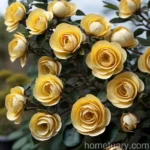
Rosa ‘Jacruwhi’ WILD SPICE is a specific cultivar of the rugosa rose, known for its wild beauty and delightful fragrance. This variety is prized for its striking, semi-double, rich pink blooms and its exceptional disease resistance. The rugosa rose, in general, is renowned for its tough nature, making it a popular choice for landscaping and coastal gardens due to its tolerance to salt spray and wind.
Key Takeaways – Rosa ‘Jacruwhi’ WILD SPICE:
- Cultivar: Rosa ‘Jacruwhi’ WILD SPICE
- Species: Rosa rugosa
- Characteristics: Semi-double, rich pink blooms, exceptional disease resistance
- Adaptability: Well-suited for coastal gardens and landscaping
- Fragrance: Delightful, characteristic of rugosa roses
Now, let’s delve into the various aspects of nurturing and appreciating this beautiful plant.
Culture
When it comes to providing the most suitable environment for rugosa roses, including the ‘Jacruwhi’ variety, understanding their cultural requirements is crucial. Creating optimal growing conditions ensures that the plant thrives and displays its full splendor.
Water
Rugosa roses, including the ‘Jacruwhi’ WILD SPICE, are generally quite adaptable to different soil and moisture conditions. However, to promote healthy growth and abundant blooms, they prefer consistent moisture. Proper watering is essential, especially during the initial establishment period and dry spells.
Key Points:
– Water deeply but infrequently to encourage the development of deep roots.
– Mulching around the base of the plant helps retain soil moisture.
Sunlight
In terms of sunlight requirements, rugosa roses are considered to be sun-loving plants. They flourish when exposed to full sun for the majority of the day, typically requiring at least six hours of direct sunlight. Insufficient sunlight may lead to reduced flowering and increased susceptibility to certain diseases.
Key Points:
– Choose a location that receives ample sunlight for best results.
– Avoid planting in areas with prolonged shade.
Fertilizer
Rugosa roses are known for their ability to thrive in less fertile soils, but as with any plant, they can benefit from appropriate fertilization. However, excessive fertilization should be avoided as it may lead to excessive foliage growth at the expense of flowers.
Key Points:
– Use a balanced, slow-release fertilizer formulated for roses during the growing season.
– Avoid excessive nitrogen as it may lead to weak growth and increased susceptibility to pests and diseases.
Soil
Rugosa roses prefer well-drained, slightly acidic to neutral soil. They can tolerate a wide range of soil types, including sandy and loamy soils, but they don’t perform well in waterlogged or compacted soils.
Key Points:
– Prioritize well-draining soil to prevent waterlogging and root rot.
– Amending the soil with organic matter can improve its structure and fertility.
Pruning
Pruning is an important aspect of rugosa rose care, contributing to both the plant’s appearance and health. Proper pruning helps maintain a desirable shape, improves air circulation, and encourages new growth and flowering.
Key Points:
– Prune in late winter or early spring to remove dead or diseased wood.
– Remove any crossing or crowded branches to promote air circulation.
Propagation
Propagating rugosa roses, particularly the ‘Jacruwhi’ WILD SPICE variety, can be achieved through various methods. While propagation from seeds is possible, the most common approach involves vegetative propagation through stem cuttings.
Key Points:
– Take semi-hardwood cuttings in late summer or early autumn for best results.
– Rooting hormone can be used to encourage the development of roots.
Container Popularity
Rugosa roses, including the ‘Jacruwhi’ WILD SPICE, are well-suited for container gardening, offering the opportunity to enjoy their beauty and fragrance in various settings. Container-grown rugosa roses can be placed on patios, balconies, or any other suitable outdoor space.
Key Points:
– Choose a large container to accommodate the plant’s vigorous growth.
– Ensure the container has drainage holes to prevent waterlogging.
Common Diseases
Rugosa roses, while generally disease-resistant, are susceptible to certain fungal diseases and pests. It is essential for growers to be aware of these potential issues and take proactive measures to prevent and manage them effectively.
Disease Diagnosis
Common diseases that afflict rugosa roses, including the ‘Jacruwhi’ WILD SPICE variety, include:
- Powdery Mildew: This fungal disease appears as a white, powdery coating on the leaves and stems, typically in warm, dry conditions.
- Black Spot: Identified by the presence of dark, circular spots on the foliage, black spot is caused by a fungal pathogen and can lead to defoliation if left unchecked.
Key Points:
– Proper air circulation and spacing between plants can help reduce the risk of fungal diseases.
– Neem oil or sulfur-based fungicides can be used to manage these issues.
Common Pests
In addition to diseases, rugosa roses may encounter various pests that can affect their health and appearance. Vigilance and prompt action are essential in addressing pest infestations effectively.
Common pests that may affect rugosa roses, including the ‘Jacruwhi’ WILD SPICE variety, include:
- Aphids: These small, soft-bodied insects feed on the sap of plants, causing distortion and yellowing of foliage.
- Japanese Beetles: Adults feed on the leaves and flowers, leading to skeletonized foliage and reduced vigor of the plant.
Key Points:
– Regular monitoring of the plants can help detect pest issues early.
– Natural predators, such as ladybugs and lacewings, can help keep pest populations in check.
Botanist’s Tips
Understanding the unique characteristics and requirements of rugosa roses, particularly the ‘Jacruwhi’ WILD SPICE variety, allows growers to make informed decisions and create favorable conditions for their optimal growth and development.
Fun Facts
- The botanical name “rugosa” is derived from the Latin word for “wrinkled,” reflecting the textured appearance of the leaves.
- In addition to their ornamental value, rugosa roses are also used in traditional medicine and herbal remedies due to their health-promoting properties.
Links to External Resources
- Royal Horticultural Society: Rosa rugosa
- Missouri Botanical Garden: Rosa rugosa
- American Rose Society: Rugosa Roses
- University of Arkansas Division of Agriculture: Rugosa Roses – Deservedly Popular Garden Plants
Conclusion
Rugosa roses, exemplified by the ‘Jacruwhi’ WILD SPICE variety, are truly captivating plants, offering a delightful combination of beauty, fragrance, and resilience. Their adaptability to various growing conditions, coupled with their ornamental and practical uses, makes them a valuable addition to any garden or landscape.
By understanding the distinct characteristics, cultural requirements, and potential challenges associated with the rugosa rose, enthusiasts and horticultural professionals can harness their full potential and create stunning, thriving landscapes that showcase the beauty of this remarkable plant.
As we immerse ourselves in the world of rugosa roses, it becomes evident that their allure extends far beyond their visual and olfactory appeal, encompassing their cultural significance, ecological importance, and rich history. They truly are gems of the botanical world, deserving of admiration and preservation for generations to come.
In the garden, the rugosa rose stands as a testament to nature’s boundless creativity and enduring beauty, enriching our lives with its grace and vitality. Let us continue to cherish and nurture these remarkable plants, each blossom serving as a celebration of nature’s timeless artistry and the enduring legacy of the rugosa rose.
I hope you find this guide informative and insightful. Should you have any further questions about the rugosa rose or any other plants, please do not hesitate to reach out. Thank you for taking the time to explore the captivating world of Rosa ‘Jacruwhi’ WILD SPICE and the enduring allure of the rugosa rose.