Bethlehem Sage (Pulmonaria saccharata ‘Janet Fisk’)
Bethlehem Sage, scientifically known as Pulmonaria saccharata ‘Janet Fisk,’ is a delightful perennial plant that is cherished for its attractive foliage and early spring flowers. This plant belongs to the family Boraginaceae and is native to Europe. The unique characteristics and versatile nature of Bethlehem Sage make it a popular choice for gardeners and plant enthusiasts. In this comprehensive guide, we will explore the culture, uses, care requirements, and propagation methods of Bethlehem Sage, providing valuable insights for both experienced horticulturists and beginners. Let’s delve into the fascinating world of the Bethlehem Sage and uncover the secrets of cultivating and appreciating this beautiful plant.
Plant Name: “Bethlehem Sage (Pulmonaria saccharata ‘Janet Fisk’)
Key Takeaways – Bethlehem Sage (Pulmonaria saccharata ‘Janet Fisk’)
- Scientific Name: Pulmonaria saccharata ‘Janet Fisk’
- Common Name: Bethlehem Sage
- Plant Type: Perennial
- Family: Boraginaceae
- Native: Europe
What is Plant :Bethlehem Sage (Pulmonaria saccharata ‘Janet Fisk’)?
Bethlehem Sage (Pulmonaria saccharata ‘Janet Fisk’) is a perennial herbaceous plant with distinctive foliage and charming flowers. The plant is renowned for its remarkable adaptability to varying light conditions, making it an ideal choice for shaded gardens. The unique combination of spotted leaves and vibrant blooms makes Bethlehem Sage a sought-after addition to landscapes and garden designs.
Characteristics of Bethlehem Sage
Bethlehem Sage is characterized by the following features:
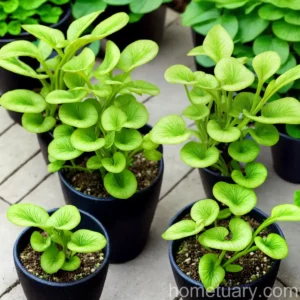
– Foliage: The leaves of Bethlehem Sage are often marked with silver spots, creating an eye-catching visual appeal. The foliage is broad and elegant, adding texture and interest to garden beds.
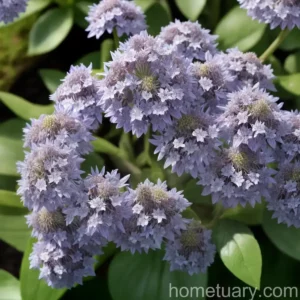
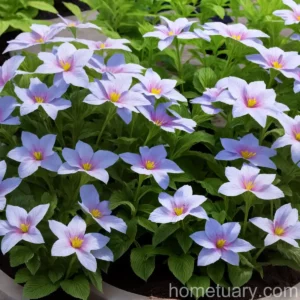
– Flowers: The plant produces clusters of small, bell-shaped flowers in shades of pink, blue, or purple. These flowers emerge in early spring, providing a charming display of color and attracting pollinators.
Growing Bethlehem Sage
Bethlehem Sage thrives in partially shaded to fully shaded locations, and its ability to tolerate low light levels makes it a valuable addition to gardens with limited direct sunlight. The plant exhibits a clumping growth habit, gradually forming attractive mounds of foliage and flowers. Additionally, Bethlehem Sage is a relatively low-maintenance plant, making it an excellent choice for both experienced gardeners and beginners.
Bethlehem Sage Care Tips
To ensure the optimal growth and health of Bethlehem Sage, consider the following care tips:
– Soil: Well-draining, humus-rich soil is ideal for Bethlehem Sage. The plant performs well in slightly acidic to neutral soil pH.
– Watering: Maintaining consistent soil moisture is crucial, especially during the establishment phase and periods of drought. However, it’s essential to avoid waterlogged conditions, as the plant is susceptible to root rot.
– Sunlight: While Bethlehem Sage tolerates shade, it appreciates dappled sunlight or filtered light. Protect the plant from intense afternoon sun, particularly in regions with hot climates.
– Fertilization: Applying a balanced, slow-release fertilizer in early spring can support the plant’s vigor and flowering performance.
Benefits of Pulmonaria Plants
Pulmonaria plants, including Bethlehem Sage, offer several benefits to gardeners and ecosystems:
– Pollinator Attraction: The early blooming flowers of Pulmonaria plants attract bees and other pollinators, supporting biodiversity and ecological balance.
– Deer Resistance: Bethlehem Sage exhibits a level of resistance to deer browsing, making it a suitable choice for gardens located in deer-prone areas.
– Foliage Interest: The variegated and spotted foliage of Pulmonaria plants adds visual interest and texture to garden landscapes, even when the plant is not in bloom.
Culture
The culture of Bethlehem Sage encompasses the specific environmental conditions and maintenance practices that contribute to the successful cultivation of the plant. Understanding the cultural requirements of this species is essential for creating optimal growing conditions and promoting healthy, vigorous growth.
Uses
Bethlehem Sage is utilized in various horticultural applications, including:
– Landscaping: The attractive foliage and early spring flowers of Bethlehem Sage make it a popular choice for woodland gardens, shaded borders, and other landscape settings with limited sunlight.
– Groundcover: The spreading habit of Bethlehem Sage, combined with its tolerance for shade and moist soil, makes it an effective groundcover in suitable environments.
– Pollinator Gardens: The nectar-rich flowers of Bethlehem Sage attract pollinators, contributing to the creation of vibrant and ecologically valuable pollinator gardens.
Water
Appropriate watering practices are crucial for the health and vigor of Bethlehem Sage. The plant thrives in consistently moist soil, particularly during the growing season and periods of prolonged heat or drought. However, it is essential to prevent waterlogging, which can lead to root rot and other moisture-related issues.
Watering Guidelines:
– Establishment Phase: Provide regular watering during the first growing season to promote strong root development and overall plant establishment.
– Mature Plants: Once established, Bethlehem Sage still requires consistent moisture. Water deeply when the soil begins to dry out, aiming to keep the root zone evenly moist without allowing the soil to become excessively saturated.
Sunlight
While Bethlehem Sage is renowned for its shade tolerance, it benefits from receiving partial sun or filtered light. Understanding the sunlight requirements of the plant is crucial for optimizing its growth and flowering performance.
Sunlight Recommendations:
– Partial Shade: Identify locations in the garden that receive dappled sunlight or partial shade throughout the day. These areas provide an ideal balance for Bethlehem Sage, ensuring ample light without the intensity of direct sun exposure.
– Avoiding Strong Sunlight: Protect Bethlehem Sage from harsh afternoon sun, especially in regions with hot climates. Prolonged exposure to intense sunlight can cause leaf scorch and stress the plant.
Fertilizer
Feeding Bethlehem Sage with a balanced, slow-release fertilizer can enhance its overall health and blooming potential. Selecting the appropriate fertilizer and implementing strategic feeding practices can provide the plant with essential nutrients for robust growth and vivid flowering.
Fertilization Guidelines:
– Early Spring: Apply a slow-release fertilizer with balanced NPK (nitrogen, phosphorus, and potassium) content as new growth emerges in early spring. This supports the plant’s vigor and prepares it for the upcoming flowering season.
– Avoid Overfeeding: Exercise caution when fertilizing Bethlehem Sage, as excessive nutrients can lead to lush foliage at the expense of flowering. Follow the manufacturer’s instructions regarding application rates and frequency.
Soil
Bethlehem Sage thrives in well-draining, humus-rich soil with a slightly acidic to neutral pH. Understanding the soil preferences of the plant is essential for creating a suitable growing environment and promoting healthy, robust growth.
Soil Considerations:
– Drainage: Ensure that the soil provides effective drainage, preventing the accumulation of excess moisture around the roots.
– Organic Matter: Incorporating organic matter, such as compost or well-rotted manure, into the soil can improve its structure, fertility, and moisture retention capacity.
– Soil pH: Test the soil pH and adjust it to the preferred range of slightly acidic to neutral (pH 6.0–7.0) if necessary.
Pruning
Pruning Bethlehem Sage is a valuable maintenance practice that can rejuvenate the plant, enhance its appearance, and promote vigorous growth. Understanding the principles of proper pruning is essential for achieving the desired results without compromising the plant’s health and vitality.
Pruning Guidelines:
– Deadheading: Remove spent flowers to encourage continuous blooming and prevent the plant from expending energy on seed production.
– Spring Pruning: In early spring, trim back any damaged or overgrown foliage to promote a tidy appearance and stimulate new growth from the base of the plant.
– Rejuvenation Pruning: Every few years, consider rejuvenating older clumps of Bethlehem Sage by dividing them and replanting the vigorous sections.
Propagation
Propagating Bethlehem Sage allows for the expansion of your plant collection and the sharing of this charming species with fellow gardening enthusiasts. Understanding the propagation methods and best times for propagation can facilitate successful plant multiplication.
Propagation Techniques:
– Division: In early spring or fall, carefully divide mature clumps of Bethlehem Sage into smaller sections, ensuring that each division has both roots and foliage. Replant the divisions in suitable locations with well-prepared soil.
– Root Cuttings: Take root cuttings from established Bethlehem Sage plants in late winter or early spring. Pot the cuttings in a well-draining medium and provide suitable conditions for root development.
Container Popularity
Bethlehem Sage is a popular choice for container gardening, particularly in situations where garden space is limited or the growing environment lacks sufficient garden beds. The plant’s adaptability to shaded locations and its attractive foliage make it an appealing option for container cultivation.
Benefits of Growing Bethlehem Sage in Containers:
– Space Utilization: Container planting allows gardeners to cultivate Bethlehem Sage in small spaces, such as patios, balconies, and courtyards, expanding the possibilities for incorporating the plant into diverse garden settings.
– Versatility: Containers offer the flexibility to position Bethlehem Sage in optimal light conditions, moving the plant as needed to accommodate its sunlight preferences.
– Aesthetic Appeal: The unique foliage and early spring blooms of Bethlehem Sage add visual interest to container displays, contributing to attractive and dynamic garden compositions.
Common Diseases
Bethlehem Sage is generally resistant to most diseases and pests, making it a low-maintenance and reliable plant for garden landscapes. However, understanding the potential diseases that can affect the plant is valuable for early intervention and effective management.
Common Diseases:
– Powdery Mildew: Under conditions of high humidity and poor air circulation, Bethlehem Sage may be susceptible to powdery mildew, presenting as a white powdery coating on the leaves. Improving air circulation and avoiding overhead watering can help prevent this fungal disease.
– Crown Rot: Prolonged exposure to waterlogged soil can lead to crown rot, causing the plant to exhibit wilting, yellowing foliage, and overall decline. To mitigate crown rot, ensure proper drainage and avoid waterlogged conditions.
Disease Diagnosis
Diagnosing diseases affecting Bethlehem Sage involves careful observation of the plant’s symptoms and an understanding of the prevailing environmental conditions. By recognizing the signs of disease and identifying potential contributing factors, gardeners can implement targeted measures to address and mitigate the issues.
Symptoms of Common Diseases:
– Powdery Mildew: Look for the characteristic powdery white fungal growth on the upper surfaces of the leaves. Additionally, monitor the plant for leaf distortion and premature leaf drop, which are indicative of powdery mildew infection.
– Crown Rot: If the plant exhibits wilting, yellowing foliage, and signs of decay at the base, suspect crown rot as a potential issue, particularly in poorly drained or waterlogged soil.
Common Pests
Bethlehem Sage is relatively resistant to pest infestations, but it may occasionally attract certain insect nuisances. Recognizing common pests and understanding their control methods is essential for maintaining the plant’s health and preventing pest-related damage.
Potential Pests:
– Aphids: Watch for the presence of aphids on the tender shoots and undersides of the leaves. These small, soft-bodied insects can cause distortion and yellowing of the foliage.
– Snails and Slugs: In moist environments, snails and slugs may feed on the foliage and flowers of Bethlehem Sage, causing visible damage and compromising the plant’s aesthetic appeal.
Botanist’s Tips
Professional insights and recommendations from experienced botanists can provide valuable guidance for cultivating and appreciating Bethlehem Sage. By integrating botanist’s tips into your gardening practices, you can enhance your understanding of this remarkable plant and optimize its growth and performance.
Botanist’s Recommendations:
– Shade Management: Be mindful of the plant’s light requirements, ensuring that Bethlehem Sage receives adequate shade or filtered light to thrive and exhibit optimal foliage and flowering characteristics.
– Moisture Monitoring: Regularly assess the soil moisture levels and adjust your watering practices to maintain the appropriate moisture balance for Bethlehem Sage, supporting its health and vigor.
Fun Facts
Discovering fun and intriguing facts about Bethlehem Sage can deepen your appreciation for this plant’s unique qualities and ecological significance. From historical uses to fascinating botanical characteristics, Bethlehem Sage offers a wealth of interesting information for plant enthusiasts.
Fun Facts about Bethlehem Sage:
– Historical Medicinal Uses: In traditional herbal medicine, Bethlehem Sage was used for its purported respiratory health benefits, reflecting its historical association with lung-related ailments and the “pulmonary” reference in its botanical name.
– Flower Color Transformation: The flowers of Bethlehem Sage often undergo a delightful color transformation, changing from pink to blue as they age, creating a captivating display of floral diversity within a single plant.
Links to External Resources
Explore additional resources and information about Bethlehem Sage (Pulmonaria saccharata ‘Janet Fisk’) through the following links:
- Royal Horticultural Society – Bethlehem Sage
- Missouri Botanical Garden – Pulmonaria saccharata ‘Janet Fisk’
- The Plant List – Pulmonaria saccharata ‘Janet Fisk’
As you embark on your journey of cultivating and appreciating Bethlehem Sage, consider leveraging these valuable external resources to deepen your knowledge and broaden your experience with this remarkable plant.
In conclusion, Bethlehem Sage (Pulmonaria saccharata ‘Janet Fisk’) is an enchanting perennial plant that offers a plethora of ornamental and ecological benefits. By understanding its culture, uses, care requirements, and propagation methods, you can cultivate and enjoy the beauty of Bethlehem Sage in your gardens and landscapes. Whether as a charming groundcover, a captivating container plant, or a pollinator-attracting floral display, Bethlehem Sage holds a special place in horticulture and botanical appreciation.
As you continue to explore the world of plants and expand your gardening horizons, may the allure of Bethlehem Sage inspire and enrich your botanical endeavors, fostering a deeper connection with nature and the remarkable diversity of plant life.
Happy gardening!