Candle Plant (Senecio Articulatus)
Plants have always held a special place in human culture, providing aesthetic beauty, sustenance, and in some cases, medicinal benefits. One particular.
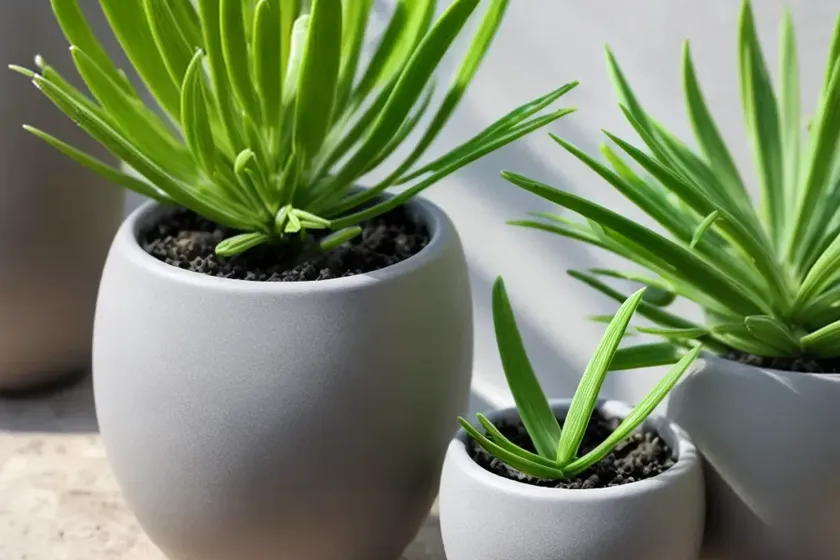
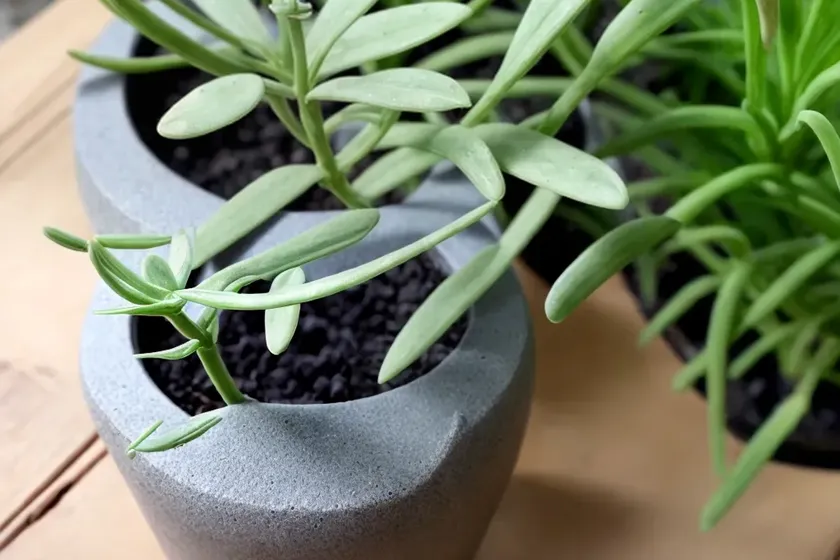
Plants have always held a special place in human culture, providing aesthetic beauty, sustenance, and in some cases, medicinal benefits. One particular plant that has been gaining popularity in recent years is the Candle Plant, scientifically known as Senecio Articulatus. This striking succulent is prized for its unique appearance and relatively low maintenance requirements. In this comprehensive guide, we will delve into the various aspects of caring for the Candle Plant, from its cultural significance to its specific growth requirements, diseases, and propagation. So, if you’re a beginner with a green thumb or an experienced plant enthusiast looking to expand your collection, this guide has something for everyone.
What is the Candle Plant: Senecio Articulatus?
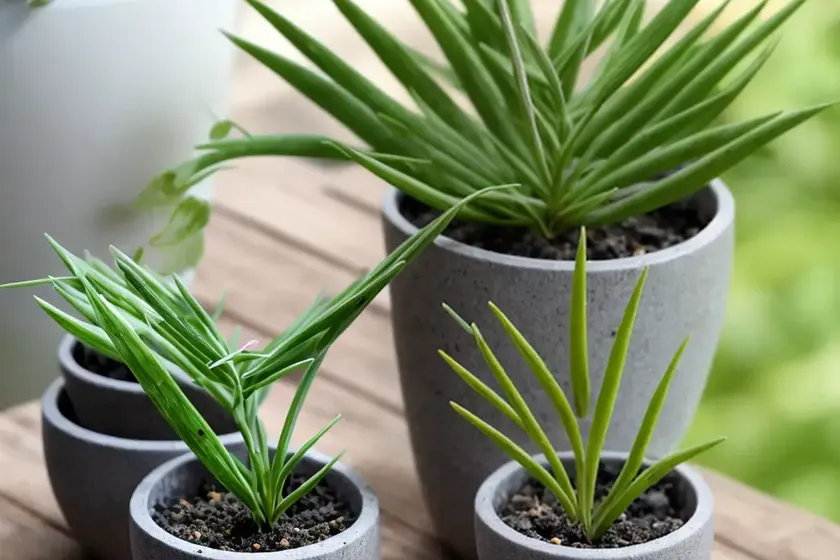
The Candle Plant, also known as the hot dog cactus or candlestick plant, belongs to the Senecio genus, which is part of the Asteraceae family. This unique succulent is native to South Africa and is characterized by its cylindrical, jointed stems, which resemble the shape of a candle or a hot dog, hence its common names. The scientific name “articulatus” is derived from the Latin word “articulātus,” meaning “jointed” or “articulated,” which aptly describes the plant’s segmented stems.
Key Takeaways – Candle Plant (Senecio Articulatus)
Before we dive deeper into the care requirements of the Candle Plant, let’s take a look at some key takeaways about this fascinating species:
- Scientific Name: Senecio Articulatus
- Common Names: Candle Plant, Hot Dog Cactus, Candlestick Plant
- Plant Type: Succulent
- Native Habitat: South Africa
- Unique Feature: Cylindrical, jointed stems
- Cultural Significance: Ornamental plant, low-maintenance, indoor and outdoor use
Now that we have a brief overview of the Candle Plant let’s explore the various facets of its care and maintenance.
Culture
Uses
The Candle Plant holds significant cultural and aesthetic value, often cultivated for its ornamental charm. Here are some common uses of the Candle Plant:
- Indoor Décor: Its unique appearance makes it a popular choice for indoor decoration, adding a touch of exotic flair to living spaces, offices, and commercial establishments.
- Outdoor Landscaping: In warmer climates, the Candle Plant can be used in xeriscaping, rock gardens, or as a groundcover due to its drought tolerance and low water requirements.
- Medicinal Purposes: While not as widely recognized for its medicinal properties, the Candle Plant has been used in traditional medicine for various ailments in some cultures.
Water
When it comes to watering the Candle Plant, it’s important to strike a balance. Here are some key points to consider in its watering routine:
- Watering Frequency: The Candle Plant is drought tolerant and prefers infrequent watering. Allow the soil to dry out completely between waterings to prevent root rot.
- Watering Technique: When watering, ensure that excess water drains from the pot, as waterlogged soil can lead to fungal problems and root rot.
- Seasonal Variations: Adjust the watering frequency based on the plant’s growth stage and environmental factors. Reduce watering during the plant’s dormant period, typically in winter.
Sunlight
Proper sunlight is crucial for the health and growth of the Candle Plant. Consider the following sunlight requirements:
- Light Exposure: The Candle Plant thrives in bright, indirect sunlight. Position it near a south- or west-facing window indoors to provide ample light without direct exposure to intense midday sun.
- Outdoor Placement: If grown outdoors, ensure that the plant receives partial shade, especially during the hottest part of the day.
Fertilizer
Fertilizing the Candle Plant is essential to support its growth and overall health. Here are some fertilizer-related considerations:
- Frequency: During the growing season (spring and summer), feed the Candle Plant with a balanced, water-soluble fertilizer every 4-6 weeks to provide essential nutrients.
- Dilution: Always follow the manufacturer’s instructions for diluting the fertilizer to avoid over-fertilization, which can harm the plant.
- Overwintering: Reduce or eliminate fertilizer applications during the plant’s dormant period in winter to prevent excessive growth.
Soil
The right soil mix is crucial for the Candle Plant to thrive. Consider the following soil-related tips:
- Well-draining Soil: Use a well-draining cactus or succulent potting mix to ensure adequate drainage and prevent waterlogging.
- Soil Amendments: You can add perlite or coarse sand to the potting mix to further improve drainage and aeration.
- Repotting: Repot the Candle Plant every 2-3 years to refresh the soil and provide ample space for its growth.
Pruning
While the Candle Plant generally requires minimal pruning, occasional maintenance can help promote its health and aesthetics. Here are some pruning considerations:
- Removing Dead Stems: Trim or prune any dead or yellowing stems to maintain the plant’s vitality.
- Shaping: If necessary, you can prune the Candle Plant to maintain its desired shape and size, especially if it starts to outgrow its space.
- Tool Sanitization: Always use clean, sharp tools for pruning to minimize the risk of spreading diseases.
Propagation
Propagating the Candle Plant can be an exciting and rewarding endeavor. Here are some methods for propagating your Candle Plant:
- Stem Cuttings: Propagation from stem cuttings is one of the most common methods for the Candle Plant. Simply take a healthy stem cutting, allow it to callus for a few days, then plant it in a well-draining potting mix to root.
- Leaf Cuttings: You can also propagate the Candle Plant from individual leaves. Gently remove a healthy leaf, let it callus, then place it on top of the soil to produce new plantlets.
- Division: If your Candle Plant has multiple stems, you can divide the plant at the root level during repotting to create new individual plants.
Container Popularity
The Candle Plant’s unique appearance and relatively low-maintenance requirements have made it increasingly popular for container gardening. Here are some aspects of its popularity as a container plant:
- Indoor Use: The Candle Plant is well-suited for indoor container gardening, adding a touch of exotic charm to homes, offices, and other indoor spaces.
- Small Spaces: Its compact growth habit makes it ideal for small spaces, such as apartments, balconies, and windowsills.
- Aesthetics: The cylindrical, jointed stems of the Candle Plant create an interesting visual appeal, making it an attractive choice for container display.
Common Diseases
Despite its resilience, the Candle Plant is susceptible to certain diseases and issues that can affect its overall health. Here are some common diseases and their diagnosis:
Disease Diagnosis
- Root Rot: Symptoms include wilting, yellowing, and mushy stems. To diagnose root rot, gently remove the plant from its pot and check for dark, mushy roots with a foul odor.
- Powdery Mildew: Look for powdery white spots on the plant’s stems or leaves. Wiping the affected areas with a damp cloth and improving air circulation can help manage powdery mildew.
- Mealybugs: These small, white, cottony pests are often found feeding on the Candle Plant. Use a gentle jet of water or insecticidal soap to control mealybug infestations.
Common Pests
In addition to diseases, the Candle Plant is vulnerable to attacks from various pests. Here are some common pests to watch out for:
- Mealybugs: As mentioned earlier, mealybugs are a common pest that can infest the Candle Plant, particularly in warm and dry conditions.
- Spider Mites: These tiny pests may appear as tiny red or black specks on the plant and can cause visible webbing. Regularly misting the plant and using natural predators like ladybugs can help control spider mite populations.
- Scale Insects: Look for small, raised bumps on the stems or leaves of the Candle Plant, which may indicate a scale insect infestation. Use insecticidal soap or horticultural oil to treat scale infestations.
Botanist’s Tips
As a plant scientist and avid enthusiast of the Candle Plant, I have a few additional tips for ensuring the health and vitality of your Senecio Articulatus:
- Air Circulation: Adequate air circulation is crucial to prevent fungal issues and promote overall plant health. Position the Candle Plant in a well-ventilated area with good airflow.
- Avoid Overwatering: Succulents like the Candle Plant are prone to root rot if overwatered. Always err on the side of underwatering rather than overwatering, especially during the plant’s dormant period.
- Monitoring Temperatures: While the Candle Plant can tolerate a range of temperatures, it’s best to protect it from extreme cold or heat, as prolonged exposure to intense temperatures can harm the plant.
- Observation and Patience: Regularly observe your Candle Plant for signs of pests, diseases, or growth issues. Patience and attentiveness are key to maintaining a healthy and thriving plant.
Fun Facts
Before we conclude this comprehensive care guide, let’s explore some fun and intriguing facts about the Candle Plant:
- The Candle Plant’s jointed stems serve as an adaptation to arid conditions, allowing it to store water and withstand periods of drought.
- While the Candle Plant is primarily grown as an ornamental plant, it has a history of traditional medicinal use in some cultures for various ailments.
- In its native habitat, the Candle Plant can be found growing in rocky, arid environments, showcasing its resilience and adaptability.
Links to External Resources
As you continue your journey in caring for the Candle Plant, here are some valuable external resources to further enhance your knowledge:
- Senecio Articulatus: A Comprehensive Guide
- Growing Succulents Indoors
- Managing Common Houseplant Pests
In conclusion, the Candle Plant, or Senecio Articulatus, captivates plant enthusiasts with its distinctive appearance and relatively low maintenance requirements. Whether grown indoors as a striking ornamental addition or utilized in outdoor landscaping for its drought tolerance, this unique succulent adds a touch of exotic charm to any environment. By understanding and implementing the care guidelines outlined in this comprehensive guide, you can ensure the health and vitality of your Candle Plant while gaining a deeper appreciation for its cultural significance and resilience.
Happy gardening and may your Candle Plant flourish and thrive in your care!