String Of Dolphins (Senecio Peregrinus)
Welcome to this comprehensive guide on Senecio peregrinus, popularly known as String of Dolphins. If you’re a plant enthusiast, a succulent lover, or.
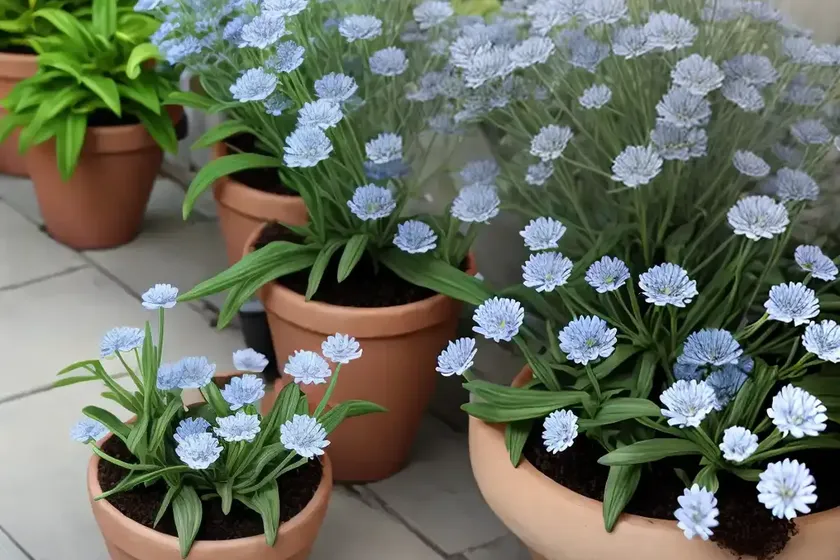
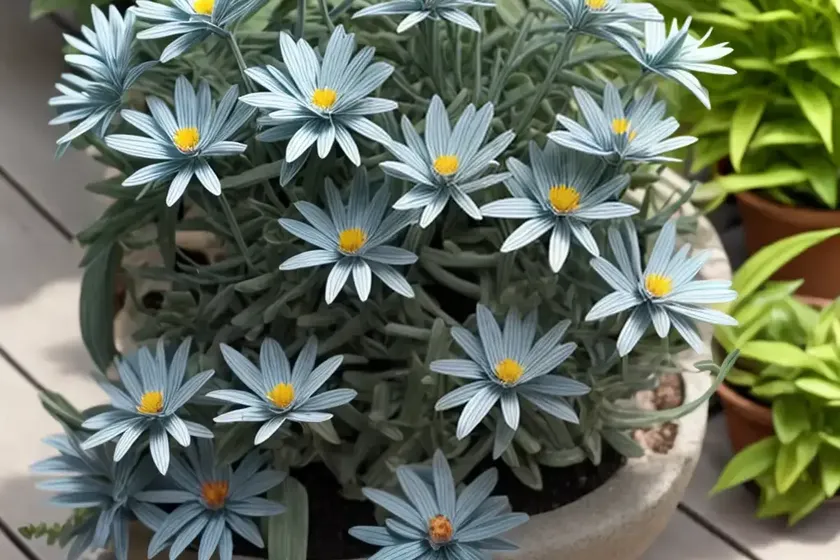
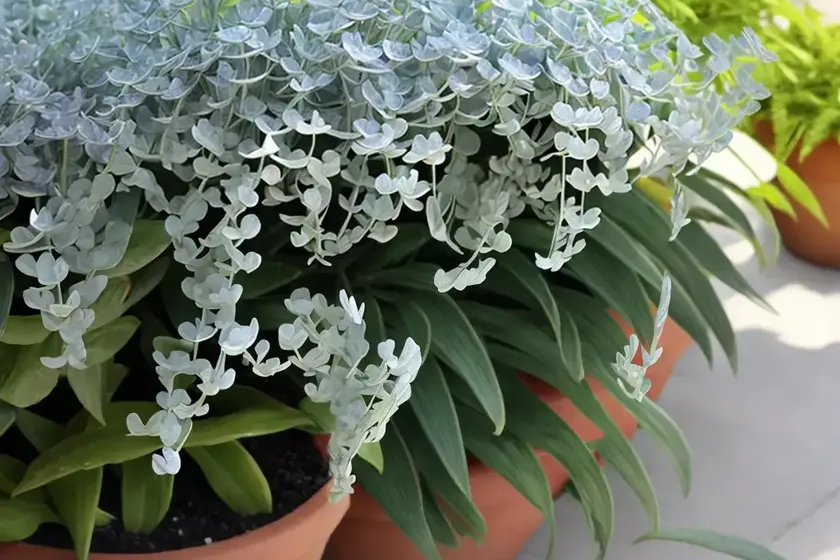
Welcome to this comprehensive guide on Senecio peregrinus, popularly known as String of Dolphins. If you’re a plant enthusiast, a succulent lover, or simply seeking information about this unique and fascinating plant, you’re in the right place. In this guide, we’ll delve deep into the origins, characteristics, care requirements, propagation methods, common issues, and much more related to the String of Dolphins. By the end of this article, you’ll have all the knowledge needed to nurture and enjoy this stunning plant.
What is String of Dolphins (Senecio Peregrinus)?
The String of Dolphins, scientifically known as Senecio peregrinus, is a rare and delightful succulent that belongs to the Asteraceae family. This unique plant has gained immense popularity among indoor gardeners and succulent enthusiasts due to its striking resemblance to a pod of leaping dolphins.
Key Takeaways – String of Dolphins (Senecio Peregrinus)
Below are some key takeaways highlighting the essential aspects of the String of Dolphins plant:
- Botanical Name: Senecio peregrinus
- Common Name: String of Dolphins
- Family: Asteraceae
- Native Habitat: Unknown (man-made hybrid)
- Growth Pattern: Trailing and cascading
- Foliage: Fleshy, dolphin-shaped leaves
- Flowers: Small, daisy-like white or purple blooms (infrequent in indoor settings)
- Toxicity: Mildly toxic to pets if ingested
Now that we’ve introduced the plant, let’s explore its cultivation, care requirements, propagation techniques, and common issues in detail.
Culture
Uses
The String of Dolphins plant serves various purposes, including:
- Ornamental plant for indoor and outdoor spaces
- Hanging basket or container plant
- Decorative trailing element in terrariums
- Unique addition to succulent and cacti collections
- Sentimental or novelty gift plant
The distinctive shape and coloration of the dolphin-like leaves make the String of Dolphins an eye-catching addition to any plant collection or living space.
Water
Proper watering is crucial for the health and vitality of Senecio peregrinus. Being a succulent, it is adapted to store water in its fleshy leaves and stems. Overwatering can lead to root rot and other issues, while underwatering can result in shriveled or desiccated foliage.
Watering Guidelines:
- Frequency: Allow the soil to dry out almost completely between waterings. Typically, water the plant every 10-14 days during the growing season and reduce frequency during winter dormancy.
- Watering Method: Thoroughly water the plant until excess water drains from the bottom of the pot, and then ensure that the soil dries out before the next watering.
- Soil Moisture Check: Insert a finger into the soil to a depth of about an inch to gauge moisture levels. If the soil feels dry at this depth, it’s generally time to water the plant.
Sunlight
String of Dolphins thrives in bright, indirect light, similar to most succulents. Adequate sunlight is essential for maintaining the plant’s characteristic foliage shape and color. Insufficient light can lead to elongated and pale growth, while excessive direct sunlight may cause leaf burn and dehydration.
Sunlight Requirements:
- Indoor Lighting: Place the plant near a south or east-facing window where it can receive bright, indirect sunlight for several hours each day. A sheer curtain can help filter intense sunlight.
- Outdoor Exposure: If grown outdoors, provide partial shade to protect the plant from harsh midday sun, especially in regions with hot summers.
Fertilizer
Feeding the String of Dolphins with a balanced succulent fertilizer can promote healthy growth and vibrant foliage. However, it’s essential to approach fertilization with caution to prevent overfeeding, which can harm the plant.
Fertilizing Tips:
- Frequency: Apply a diluted liquid succulent fertilizer once a month during the growing season (spring and summer). Avoid feeding during winter dormancy.
- Dilution Ratio: Dilute the fertilizer to half or quarter strength of the recommended dosage on the label to prevent over-fertilization.
- Application Method: Apply the diluted fertilizer to moist soil, ensuring that it reaches the root zone without touching the foliage.
Soil
The choice of soil can significantly impact the overall health and growth of the String of Dolphins. Well-draining and nutrient-rich soil is essential to prevent waterlogging and root rot, common issues in succulents grown in unsuitable soil mixes.
Recommended Soil Mix:
- Components: Use a well-draining succulent or cactus potting mix combined with perlite, pumice, or coarse sand to improve drainage and aeration.
- pH Level: Aim for a slightly acidic to neutral soil pH (6.0-7.0) for optimal nutrient uptake and root health.
Pruning
Regular pruning and maintenance can help shape the String of Dolphins plant and encourage compact growth. Removal of dead or decaying foliage is also vital to prevent the spread of diseases and maintain the plant’s aesthetic appeal.
Pruning Techniques:
- Dead Leaf Removal: Gently pluck or trim off any yellow, withered, or dead leaves to promote new growth and prevent rotting.
- Shape Maintenance: Pinch or trim the growing tips to encourage branching and create a fuller, bushier appearance, especially in hanging baskets or trailing arrangements.
Propagation
Propagating the String of Dolphins allows plant enthusiasts to expand their collection and share this unique succulent with others. Several methods, including stem cuttings and leaf cuttings, can be employed to propagate Senecio peregrinus successfully.
Propagation Methods:
- Stem Cuttings: Take healthy stem cuttings measuring around 4-6 inches in length, remove lower foliage, and allow the cut ends to callus before planting in a well-draining propagation mix.
- Leaf Cuttings: Gently remove individual leaves from the stem, let the cut ends dry and callus for a few days, and then lay them on suitable propagation soil to root.
Propagated cuttings should be placed in a warm, bright location and lightly misted to maintain humidity until roots develop, typically within a few weeks.
Container Popularity
String of Dolphins is an exceptionally popular succulent for container cultivation, especially in indoor and small-space gardening scenarios. Its trailing growth habits and charming foliage make it an attractive choice for various container options, including hanging baskets, decorative planters, and terrariums.
Container Options:
- Hanging Baskets: Utilize a well-draining soil mix and a sturdy, moisture-resistant hanging basket to showcase the cascading beauty of String of Dolphins.
- Decorative Planters: Select decorative pots or planters with drainage holes to provide ample space for the plant’s roots and complement its unique appearance.
- Terrariums: Incorporate Senecio peregrinus into open or closed terrarium setups, ensuring proper ventilation, and suitable light conditions.
Common Diseases
Like any other plant, the String of Dolphins is susceptible to certain diseases and issues that can affect its health and appearance. Understanding these common problems is essential for timely intervention and preventive measures.
Disease Diagnosis
Common Diseases and Issues:
- Root Rot: Overwatering or waterlogged soil can lead to root rot, characterized by wilting, yellowing foliage, and a foul odor emanating from the soil.
- Powdery Mildew: A white, powdery fungal growth on the foliage indicates the presence of powdery mildew, often triggered by high humidity and poor air circulation.
- Mealybugs and Aphids: Infestations of these common pests can lead to stunted growth, yellowing leaves, and the presence of sticky honeydew on the plant.
Timely diagnosis and appropriate treatment measures, such as adjusting watering habits, improving air circulation, and addressing pest infestations, can help mitigate these issues effectively.
Common Pests
String of Dolphins plants can fall victim to several common pests that not only detract from their appearance but also compromise their overall health and vigor. Identifying and addressing these pests promptly is crucial for preserving the plant’s beauty and vitality.
Common Pests:
- Mealybugs: These small, cottony insects cluster along leaf nodes and the underside of leaves, feeding on the plant’s sap and secreting sticky honeydew.
- Aphids: Aphids are tiny, soft-bodied insects that congregate on new growth and flower buds, causing distortion and yellowing of the affected plant parts.
- Spider Mites: These microscopic pests are barely visible to the naked eye and often create fine webbing on the foliage, leading to stippled, discolored leaves.
Implementing natural or targeted control methods such as neem oil, insecticidal soap, or horticultural oils can help manage and eradicate these pest infestations without harming the plant.
Botanist’s Tips
As a seasoned botanist and plant enthusiast, I’ve gathered some valuable tips to ensure the successful cultivation and care of the String of Dolphins (Senecio peregrinus). Incorporating these suggestions into your plant care routine can enhance the overall health and beauty of this unique succulent.
Botanist’s Tips for Successful String of Dolphins Care:
- Optimal Light Levels: Provide bright, indirect light to maintain the plant’s distinctive leaf coloration and prevent etiolation.
- Adequate Drainage: Choose pots with drainage holes and a well-draining potting mix to prevent waterlogged soil and root issues.
- Conservative Watering: Err on the side of underwatering rather than overwatering to prevent root rot and related complications.
- Pruning for Shape: Regularly prune and trim the plant to encourage bushy growth and maintain its desired form.
- Pest Vigilance: Regularly inspect the plant for signs of pest activity and take prompt action to prevent widespread infestations.
- Avoid Overfeeding: Dilute and apply fertilizers sparingly to prevent nutrient imbalances and overstimulation of growth.
- Cautious Propagation: Handle and propagate cuttings carefully, ensuring the use of sterile tools and suitable propagation media.
Incorporating these botanist-approved tips into your care regimen can revolutionize your experience with the String of Dolphins plant, resulting in healthier, more vibrant specimens.
Fun Facts
Exploring the lesser-known aspects and intriguing details about the String of Dolphins plant adds a layer of fascination and appreciation for this remarkable succulent. Let’s delve into some fun and fascinating facts about Senecio peregrinus.
Fun and Intriguing Facts about String of Dolphins:
- Hybrid Origin: String of Dolphins is a man-made hybrid between Senecio rowleyanus (String of Pearls) and Senecio articulatus (Candle Plant), resulting in its distinctive dolphin-shaped foliage.
- Cultural Symbolism: In some cultures, the Dolphin plant symbolizes harmony, joy, and grace, often making it a popular choice for gift plants and decorative arrangements.
- Variegated Varieties: While the standard String of Dolphins exhibits predominantly green leaves, variegated forms with white or cream-colored markings are highly sought after by collectors.
- Drought Tolerance: Senecio peregrinus possesses natural adaptations for drought tolerance, making it suitable for low-water or xeriscaped landscapes.
- Air-Purifying Qualities: Like many other succulents, String of Dolphins contributes to indoor air purification by removing toxins and impurities from the surrounding environment.
These fun facts shed light on the unique origins, cultural significance, and exceptional qualities of the String of Dolphins plant, elevating its charm and appeal as a captivating addition to any plant collection.
Links to External Resources
For further exploration and in-depth information about String of Dolphins (Senecio peregrinus), I recommend consulting the following reputable external resources:
- The Spruce: A comprehensive guide to caring for String of Dolphins, including cultivation tips and troubleshooting advice.
- World of Succulents: Detailed species profile and care guidelines for Senecio peregrinus.
- Arizona State University – College of Integrative Sciences and Arts: An academic resource providing scientific insights into the botanical aspects and ecological relevance of Senecio peregrinus.
- American Society for the Prevention of Cruelty to Animals (ASPCA): Valuable information about the potential toxicity of String of Dolphins to pets and essential pet care guidelines.
These external resources offer a wealth of knowledge, practical insights, and expert guidance for anyone seeking to deepen their understanding of the String of Dolphins plant and refine their care practices.
In conclusion, the String of Dolphins (Senecio peregrinus) is a captivating and distinctive succulent that enthralls plant enthusiasts with its dolphin-shaped foliage, trailing growth habit, and versatile cultivation options. By following the tailored care guidelines, propagation techniques, and pest management strategies outlined in this guide, you can cultivate robust, vibrant String of Dolphins plants that bring a touch of natural artistry and elegance to your living spaces. Whether you’re a seasoned succulent aficionado or a novice gardener, this enchanting plant is sure to delight and inspire, adding a splash of whimsy and grace to your botanical pursuits.