Woolly Senecio (Senecio Scaposus)
In the world of horticulture, the Woolly Senecio (Senecio scaposus) stands out as a fascinating and visually striking plant. Its unique woolly texture and.
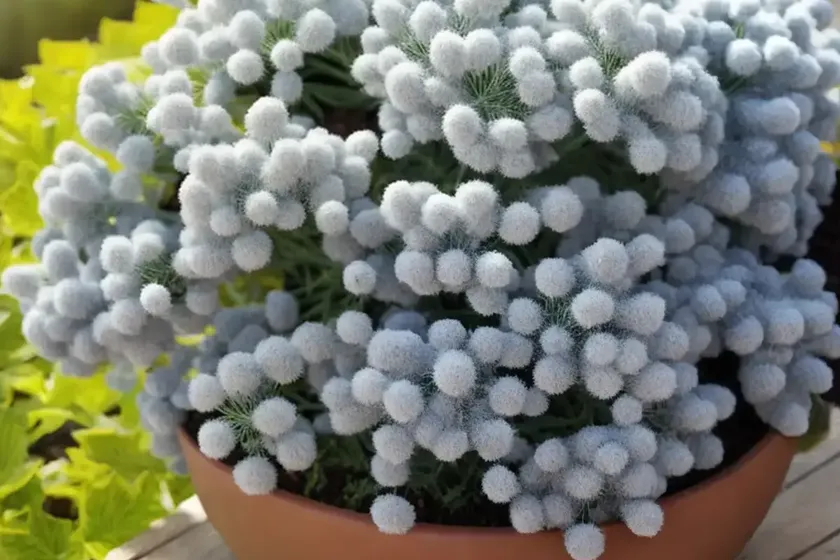
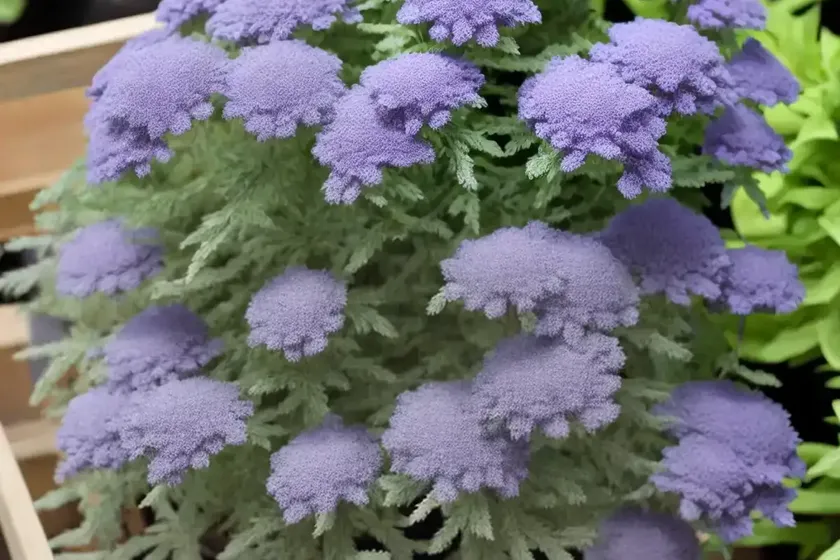
In the world of horticulture, the Woolly Senecio (Senecio scaposus) stands out as a fascinating and visually striking plant. Its unique woolly texture and vibrant green color make it a popular choice for both indoor and outdoor settings. Whether you’re a seasoned plant enthusiast or a beginner looking to expand your green thumb, this comprehensive guide will provide you with all the information you need to cultivate and care for the Woolly Senecio. From its fundamental characteristics to its specific growing requirements, you’ll gain insights that will help you nurture this beautiful plant and watch it thrive in your home or garden.
What is the Woolly Senecio (Senecio scaposus)?
Plant Description
The Woolly Senecio, scientifically known as Senecio scaposus, is a species of flowering plant in the daisy family (Asteraceae). Native to South Africa, it is also commonly referred to as the “Woolly Senecio” or “Cineraria Senecio.” This succulent plant is known for its compact, woolly leaves and eye-catching appearance, which make it an attractive addition to any plant collection. With proper care, the Woolly Senecio can produce charming yellow flowers during the blooming season, adding an extra touch of beauty to its already appealing features.
Key Characteristics
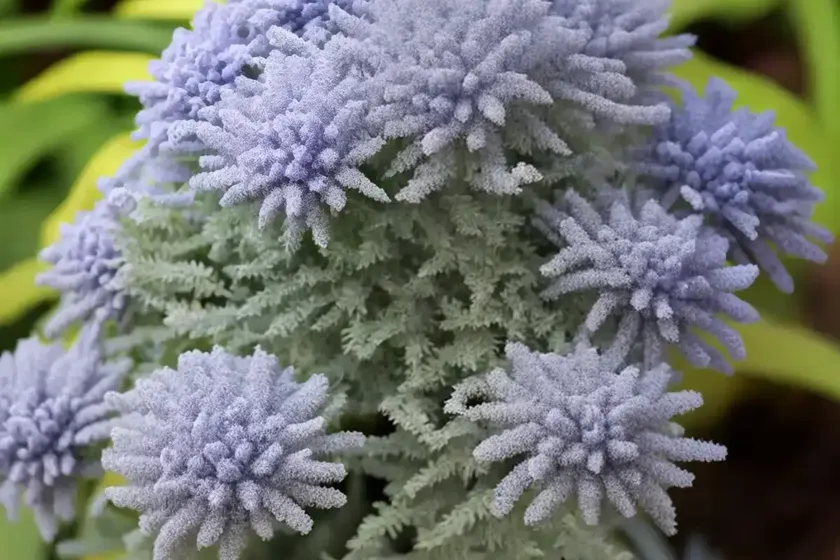
- Foliage: The most distinctive feature of the Woolly Senecio is its dense, woolly-textured foliage. The leaves are covered with fine white hairs, giving them a soft and fuzzy appearance.
- Growth Habit: This shrubby succulent typically grows in a compact, rounded form, making it suitable for both hanging planters and potting arrangements.
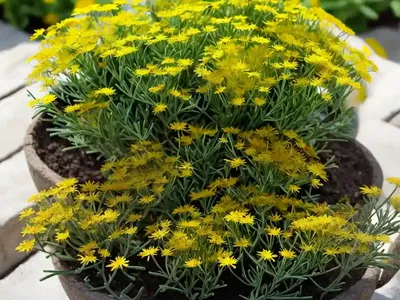
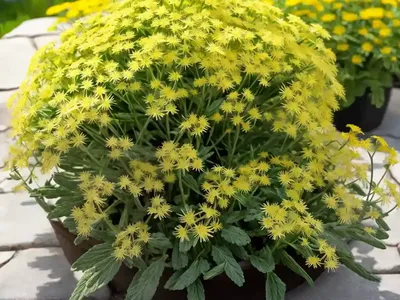
- Flowers: During the flowering period, the Woolly Senecio can produce clusters of small, daisy-like yellow flowers, further enhancing its visual appeal.
Now that we have gained a basic understanding of the Woolly Senecio, let’s delve deeper into its specific care requirements and the best practices for cultivating this remarkable plant.
Key Takeaways – Woolly Senecio (Senecio scaposus)
Culture
Uses
The Woolly Senecio is a versatile plant that can be utilized in various settings, both indoors and outdoors. Here are some common uses:
* Indoor Décor: Its compact size and visually appealing foliage make it an excellent choice for enhancing the aesthetic appeal of indoor spaces, such as living rooms, offices, and bedrooms.
* Container Gardening: Due to its adaptability to different container sizes and shapes, the Woolly Senecio is well-suited for container gardening, whether it be standalone pots or mixed arrangements.
Growing Conditions
Water
Balancing the watering needs of the Woolly Senecio is crucial for maintaining its health and vigor. Here are key considerations for watering:
* Moderation: It is essential to avoid overwatering the Woolly Senecio, as excessive moisture can lead to root rot and other water-related issues. Allow the soil to dry out partially between waterings to prevent waterlogged conditions.
Sunlight
As a sun-loving succulent, the Woolly Senecio thrives in bright, indirect sunlight. Here are some sunlight-related tips:
* Light Requirements: Position the plant in a location where it can receive ample indirect sunlight, such as near a south or west-facing window. Avoid exposing it to direct afternoon sun, especially in hot climates, to prevent sunburn on the leaves.
Fertilizer
Proper fertilization is essential for supporting the growth and vitality of the Woolly Senecio. Consider the following recommendations:
* Frequency: During the active growing season in spring and summer, feed the plant with a balanced, water-soluble fertilizer diluted to half the recommended strength. Reduce or cease fertilization during the plant’s dormant period in fall and winter.
Soil
Choosing the right type of soil is pivotal for creating a suitable growing environment for the Woolly Senecio. Here’s what you need to know:
* Well-Draining Mix: Plant the Woolly Senecio in a well-draining succulent or cactus potting mix to prevent water retention around the roots. Consider adding perlite or coarse sand to improve drainage and prevent soil compaction.
Pruning
Pruning the Woolly Senecio can help maintain its compact shape and remove any damaged or unsightly growth. Follow these pruning tips:
* Remove Dead Growth: Periodically inspect the plant for any dead or withered leaves and trim them off at the base using clean, sharp pruning shears. This will promote a tidy appearance and encourage new growth.
Propagation
If you’re interested in expanding your collection of Woolly Senecio plants, propagation can be an exciting and rewarding process. Consider the following propagation techniques:
* Leaf Cuttings: Take healthy leaf cuttings from the plant and allow them to callus for a few days. Plant the cuttings in a well-draining soil mixture and provide gentle moisture until new roots and shoots emerge.
Container Popularity
Common Diseases
While the Woolly Senecio is generally resilient, it is susceptible to certain diseases and pests. Understanding potential diseases and their diagnosis is crucial for maintaining the plant’s health. Here are some common diseases to watch out for:
* Powdery Mildew: This fungal disease can manifest as a white, powdery substance on the leaves, leading to reduced plant vigor and aesthetics. Monitor the plant for signs of powdery mildew and take prompt action to address the issue.
Disease Diagnosis
Accurately diagnosing and addressing plant diseases is essential for effective management. Here’s how to diagnose potential diseases in the Woolly Senecio:
* Visual Symptoms: Pay attention to any abnormalities in the plant’s foliage, such as discoloration, spots, or unusual growth patterns. Additionally, observe any changes in the plant’s overall vigor and vitality.
Common Pests
In addition to diseases, the Woolly Senecio can fall victim to various pests that can compromise its well-being. Keeping an eye out for common pests is crucial for preventive care. Look out for the following:
* Spider Mites: These tiny arachnids can infest the plant and cause webbing, stippling, and overall decline in health. Regularly inspect the undersides of the leaves for any signs of spider mite activity.
Botanist’s Tips
As a plant scientist, I have some valuable tips to offer for the successful care of Woolly Senecio plants:
* Moderate Watering: A common mistake with succulents is overwatering, which can be detrimental to their health. Emphasize the importance of allowing the soil to dry out partially between waterings to prevent root rot.
* Adequate Drainage: Stress the significance of using well-draining soil and containers with drainage holes to prevent waterlogging and ensure proper aeration for the plant’s roots.
Fun Facts
Did you know?
* The Woolly Senecio is a member of the largest genus of the Asteraceae family, with over 1,500 species distributed across the globe.
* In its native habitat of South Africa, the Woolly Senecio is often found growing in rocky outcrops and dry, arid regions, showcasing its adaptability to harsh environmental conditions.
By understanding the specific care requirements and unique characteristics of the Woolly Senecio, you can create an optimal environment for this remarkable plant to thrive. Whether you’re considering incorporating it into your indoor display or outdoor landscape, the Woolly Senecio has much to offer in terms of beauty and resilience.
Links to External Resources
For additional information and guidance on the care and cultivation of the Woolly Senecio, consider exploring the following external resources:
1. American Society for the Prevention of Cruelty to Animals (ASPCA) – Guide to Pet-Safe Plants
2. Missouri Botanical Garden – Plant Finder
3. Cactus and Succulent Society of America (CSSA)
4. Royal Horticultural Society (RHS) – Gardening Advice
With a wealth of resources available to support your journey in cultivating the Woolly Senecio, you can confidently embrace the rewards of nurturing this captivating plant.
This blog post has covered a wide array of topics related to the care and cultivation of Woolly Senecio (Senecio scaposus), offering valuable insights for both novice and experienced plant enthusiasts. By understanding the specific requirements of this unique plant and incorporating best practices into your care routine, you can create an environment where the Woolly Senecio thrives and flourishes, bringing beauty and vibrancy to your living spaces or outdoor landscapes.