Spear Head (Senecio Kleiniiformis)
As a plant scientist and enthusiast, I am thrilled to delve into the realm of Spear Head (Senecio kleiniiformis) and share valuable insights on its care.
Introduction
As a plant scientist and enthusiast, I am thrilled to delve into the realm of Spear Head (Senecio kleiniiformis) and share valuable insights on its care, cultivation, and the myriad uses this plant offers. In this comprehensive guide, we will explore the culture, water and sunlight needs, soil requirements, propagation, and common diseases and pests that affect Spear Head plants. Moreover, we will dive into the best practices for nurturing this fascinating succulent, its potential as a houseplant, and its versatile applications in landscaping and indoor gardening.
What is Spear Head (Senecio kleiniiformis)?
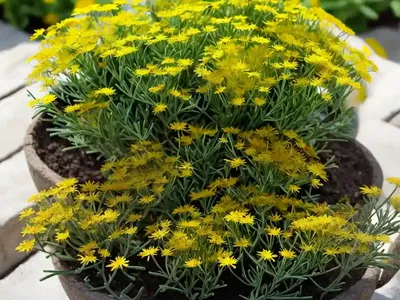
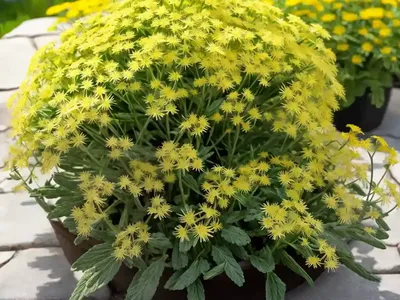
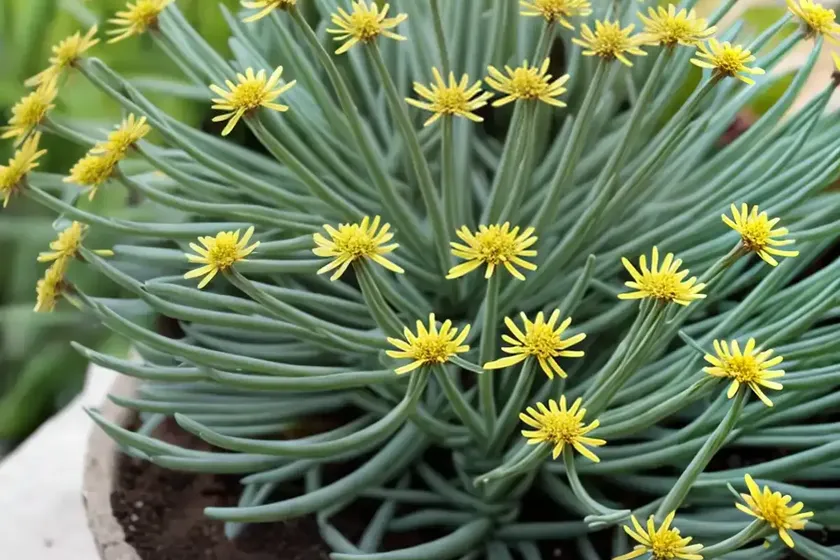
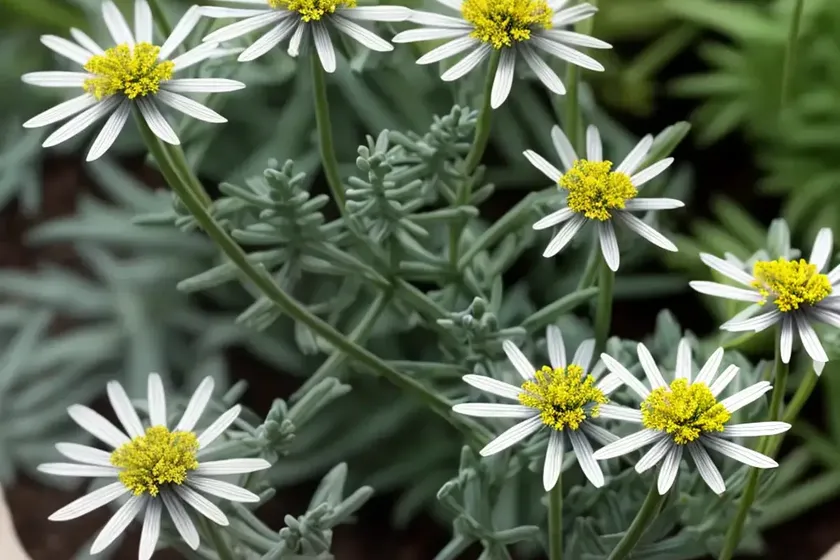
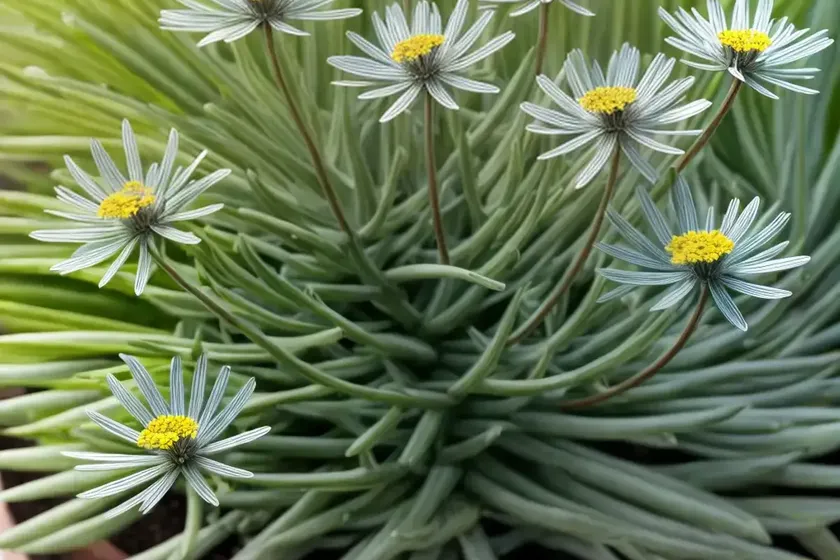
Spear Head, scientifically known as Senecio kleiniiformis, is a stunning succulent plant that belongs to the Asteraceae family. This species, native to South Africa, displays fleshy, spear-shaped leaves that form compact rosettes, giving it a distinctive and aesthetically appealing appearance. The striking foliage of Spear Head makes it an attractive addition to both indoor and outdoor settings. With its adaptability and low-maintenance nature, it has garnered popularity among plant enthusiasts seeking an elegant and easy-to-care-for plant.
Key Takeaways – Spear Head (Senecio kleiniiformis)
In this section, we will highlight the essential care aspects of Spear Head plants, ranging from their culture to propagation and common diseases. By understanding these key takeaways, plant enthusiasts can effectively nurture Spear Head plants and witness their vibrant growth.
Culture
- Spear Head (Senecio kleiniiformis) is a drought-tolerant succulent, making it well-suited for arid and semi-arid regions.
- It is important to provide well-draining soil to prevent waterlogging, as excessive moisture can lead to root rot.
- This plant thrives in warm climates and prefers temperatures between 65°F to 75°F (18°C to 24°C).
Uses
- Spear Head (Senecio kleiniiformis) is a versatile plant that can be utilized in various landscaping designs, rock gardens, and as a ground cover due to its compact growth habit and low watering needs.
- It is also an excellent choice for indoor gardening, where it can be grown in containers, terrariums, or as part of a succulent arrangement.
Water
- Senecio kleiniiformis requires infrequent watering, allowing the soil to dry out between waterings to prevent water-related issues such as root rot.
- During the growing season, typically spring and summer, watering once every two weeks is generally sufficient. In winter, reduce watering frequency to once a month or less.
Sunlight
- The Spear Head plant thrives in bright, indirect light and can tolerate some direct sunlight.
- Position your Senecio kleiniiformis where it can receive at least 4-6 hours of sunlight per day for optimal growth and vibrant foliage coloration.
Fertilizer
- When it comes to fertilization, apply a balanced, diluted fertilizer at half strength every 6-8 weeks during the growing season to support healthy growth.
Soil
- Opt for a well-draining cactus or succulent mix for planting Senecio kleiniiformis, ensuring that the soil does not retain excess moisture.
Pruning
- Pruning requirements for Spear Head plants are minimal, primarily involving the removal of any dead or withered leaves or flower stalks as needed.
Propagation
- Senecio kleiniiformis can be propagated through stem or leaf cuttings, presenting a rewarding opportunity for expanding your plant collection or sharing its beauty with others.
Container Popularity
- The compact and elegant nature of Spear Head plants makes them an ideal choice for container gardening, where they can be showcased in various pot and planter designs.
Common Diseases
- While Spear Head (Senecio kleiniiformis) is generally resilient, overwatering and poor air circulation can lead to fungal diseases such as powdery mildew. Implementing proper watering practices and providing adequate air circulation can help prevent such issues.
Disease Diagnosis
- Keep a close eye on the plant for any signs of yellowing, wilting, or unusual spots on the leaves, and take prompt action to diagnose and address any disease symptoms.
Common Pests
- Senecio kleiniiformis may be susceptible to common succulent pests such as mealybugs and spider mites. Regular inspection and prompt treatment can help maintain a pest-free environment for your plants.
Botanist’s Tips
- As a plant scientist with a passion for succulents, I emphasize the importance of understanding the specific environmental and care needs of Senecio kleiniiformis to ensure its long-term health and vitality.
Now that we have covered the essential care aspects of Spear Head (Senecio kleiniiformis), let’s explore these elements in more detail to foster a deeper understanding of this captivating succulent.
Spear Head (Senecio kleiniiformis) Care Guide
In this section, we will delve into the detailed care requirements for nurturing Spear Head plants, offering valuable insights into their water and sunlight needs, soil preferences, propagation techniques, and prevention and management of diseases and pests. By arming ourselves with this knowledge, we can create an optimal environment for the flourishing of Senecio kleiniiformis.
Senecio kleiniiformis Care Tips
Water Requirements
Spear Head (Senecio kleiniiformis) exhibits low water requirements, reflecting its adaptation to arid conditions. Implement the following tips to ensure proper watering practices for this succulent:
- Water sparingly, allowing the soil to dry out completely between watering sessions. This will prevent the risk of root rot and fungal issues caused by excess moisture.
- During the growing season, which typically spans from spring to summer, aim to water your Senecio kleiniiformis approximately once every two weeks, adjusting the frequency based on environmental conditions and moisture levels in the soil.
- In winter, when the plant experiences reduced growth and metabolic activity, decrease the watering frequency to once a month or even less, as the plant’s water needs diminish during this period.
Sunlight Needs
To maintain the health and vibrancy of Spear Head plants, it is crucial to cater to their sunlight requirements, ensuring they receive an adequate amount of light to support their growth and coloration:
- Position your Senecio kleiniiformis in a location that receives bright, indirect light, such as near a south- or west-facing window, to provide the necessary light exposure.
- The plant can tolerate some direct sunlight, especially in the morning or late afternoon, but it is essential to avoid prolonged exposure to intense midday sun, which can lead to sunburn or leaf damage.
Soil Preferences
Selecting the right soil composition is paramount for ensuring optimal growth and preventing issues associated with water retention. Here are the soil preferences to consider when cultivating Senecio kleiniiformis:
- Utilize a well-draining cactus or succulent soil mix that facilitates proper air circulation and prevents waterlogging. A blend specifically formulated for succulents provides the ideal growing medium for Spear Head plants and supports their water management requirements.
Fertilization Practices
Applying fertilizers in a balanced and timely manner can bolster the growth and overall health of Senecio kleiniiformis. Follow these recommendations for effective fertilization:
- During the active growing season, which typically spans from spring to summer, use a balanced, diluted fertilizer at half strength every 6-8 weeks to provide the essential nutrients for robust growth.
- Avoid over-fertilizing, as excessive nutrient concentrations can lead to adverse effects on the plant’s health. Adhering to a moderate and consistent fertilization schedule is key to promoting the well-being of Spear Head plants.
Pruning Techniques
Pruning is an essential aspect of plant maintenance, shaping the growth and appearance of the plant while promoting its overall health. When it comes to Senecio kleiniiformis, consider the following pruning techniques:
- Remove any dead, damaged, or withered leaves from the plant as part of routine maintenance. This not only enhances the plant’s aesthetic appeal but also prevents potential disease development and conserves its energy resources.
Propagation Methods
The propagation of Senecio kleiniiformis through stem or leaf cuttings provides an exciting opportunity to expand your plant collection and share the beauty of Spear Head with others. Let’s explore the propagation methods for this captivating succulent:
- To propagate Senecio kleiniiformis through stem cuttings, carefully snip a healthy stem section from the parent plant, ensuring that it is free from any signs of damage or diseases. Allow the cut end to callus over for a day or two before planting it in a suitable propagation medium.
- For leaf cuttings, gently detach a healthy leaf from the plant, ensuring that it remains intact and free from any damage. Place the leaf cutting in a well-draining propagation mix, providing the ideal conditions for the development of new roots and shoots.
Spear Head (Senecio kleiniiformis) Varieties
Senecio kleiniiformis presents several appealing varieties, each with its distinct characteristics and growth habits. Exploring these variations allows plant enthusiasts to discover the diverse options available within the Spear Head species. Some notable varieties include:
- Senecio kleiniiformis “Silver Coral” – distinguished by its silvery-gray leaves and compact growth habit, adding an elegant touch to indoor and outdoor settings.
- Senecio kleiniiformis “Himalaya Senecio” – renowned for its striking foliage coloration, featuring an attractive blend of green and silver tones that captivate the eye.
By familiarizing yourself with the diverse varieties of Senecio kleiniiformis, you can select the most suitable options for your specific preferences and design visions.
Senecio kleiniiformis as a Houseplant
With its charming rosettes and low-maintenance nature, Senecio kleiniiformis thrives as a captivating houseplant, introducing a touch of elegance and natural beauty to indoor spaces. Let’s explore the key considerations for cultivating Spear Head as a houseplant:
- Select suitable containers or decorative planters for showcasing Senecio kleiniiformis as an indoor plant, considering factors such as size, drainage, and aesthetic appeal.
- Position the plant in locations that receive ample sunlight, such as near windows or well-lit areas, to provide the necessary light exposure for healthy growth.
- Incorporate Spear Head plants into indoor arrangements and succulent displays, leveraging their compact growth habit and vibrant foliage to enhance the overall visual appeal of the indoor environment.
Benefits of Senecio kleiniiformis
Embracing Spear Head (Senecio kleiniiformis) brings forth a range of benefits, spanning aesthetic appeal, low maintenance, and adaptable growth habits. Let’s explore the notable benefits of cultivating this intriguing succulent:
- Aesthetic Appeal: Senecio kleiniiformis captivates with its striking, spear-shaped leaves and compact rosette formations, enhancing the visual allure of both indoor and outdoor settings.
- Low Maintenance: With its drought-tolerant nature and minimal care requirements, Spear Head plants offer an excellent option for individuals seeking low-maintenance additions to their plant collection.
- Adaptability: Senecio kleiniiformis demonstrates adaptability to various growing conditions, making it well-suited for arid climates, container gardening, and indoor environments.
By recognizing the benefits of Senecio kleiniiformis, plant enthusiasts can cultivate a deeper appreciation for the unique qualities this succulent brings to their botanical repertoire.
Disease Prevention and Management
As with any plant, disease prevention and prompt management of any potential issues are crucial for preserving the health and vigor of Senecio kleiniiformis. Let’s explore the recommended strategies for disease prevention and management when nurturing Spear Head plants:
Disease Prevention
- Implement proper watering practices, ensuring that the soil dries out between watering sessions to prevent the onset of root rot and fungal diseases associated with excessive moisture.
- Provide adequate air circulation around the plant, as poor ventilation can contribute to the development of fungal issues such as powdery mildew.
Disease Management
- Keep a close eye on the plant for any signs of disease symptoms, such as yellowing, wilting, or the presence of unusual spots or lesions on the leaves.
- If any disease symptoms manifest, promptly isolate the affected plant to prevent the spread of the disease and apply appropriate treatments based on the specific issue observed.
By adopting these proactive measures for disease prevention and the timely management of any potential issues, plant enthusiasts can safeguard the well-being of their Spear Head (Senecio kleiniiformis) plants.
Senecio kleiniiformis’ Nutrients
Providing the essential nutrients for Senecio kleiniiformis is integral to supporting its growth, coloration, and overall vitality. Let’s explore the key nutrients that contribute to the well-being of Spear Head plants:
- Nitrogen (N): Essential for promoting healthy leaf and stem growth and supporting the overall vigor of Senecio kleiniiformis.
- Phosphorus (P): Facilitates the development of robust roots and promotes flowering and seed production in Spear Head plants.
- Potassium (K): Contributes to various physiological processes within the plant, enhancing its resistance to stress and supporting overall health.
By ensuring the availability of these essential nutrients through proper fertilization and soil management, plant enthusiasts can nurture flourishing and vibrant Spear Head plants.
Fun Facts about Senecio kleiniiformis
As we continue our exploration of Spear Head (Senecio kleiniiformis), let’s uncover some fascinating and entertaining facts about this captivating succulent:
- Native Origin: Senecio kleiniiformis hails from the arid landscapes of South Africa, where it thrives in dry and sunny conditions.
- Rosette Formations: The compact rosette formations of Spear Head plants create an enchanting visual display, making them a popular choice for succulent enthusiasts and landscape designers.
- Drought Tolerance: Senecio kleiniiformis possesses remarkable resilience to drought conditions, exhibiting adaptability to minimal water availability.
By immersing ourselves in these intriguing facts, we gain a deeper appreciation for the unique qualities and natural history of Spear Head (Senecio kleiniiformis).
Explore More Resources on Spear Head (Senecio kleiniiformis)
As we conclude our exploration of Spear Head (Senecio kleiniiformis) care, it is essential to acknowledge the wealth of resources available to further enrich our understanding and appreciation of this captivating succulent. Here are some valuable external resources for delving deeper into the world of Senecio kleiniiformis:
- The Complete Guide to Growing Senecio Plants
- Spear Head (Senecio kleiniiformis) Care Tips and Techniques
- Senecio kleiniiformis: A Versatile Succulent for Indoor Gardens
- Exploring the Diversity of Senecio kleiniiformis Varieties
By leveraging these external resources, plant enthusiasts can uncover valuable insights, expert tips, and diverse perspectives on nurturing and enjoying the beauty of Senecio kleiniiformis in various settings and applications.
Embrace the Magic of Spear Head (Senecio kleiniiformis)
In the realm of plant science and horticulture, Spear Head (Senecio kleiniiformis) stands out as a captivating and versatile succulent that enriches indoor and outdoor spaces with its alluring presence. By embracing the care tips, cultivation techniques, and insights shared in this guide, plant enthusiasts can foster a thriving environment for Spear Head plants, unlocking their inherent beauty and resilience. Whether as a houseplant, a feature in landscaping designs, or part of a succulent arrangement, Senecio kleiniiformis brings forth an enchanting allure that captivates the senses and nurtures a deep connection with the natural world.
As we cultivate and cherish Spear Head (Senecio kleiniiformis), we embark on a journey of discovery and appreciation for the remarkable adaptations and visual splendor exemplified by this resplendent succulent. Let its elegant rosettes and enduring resilience inspire a sense of wonder and harmony in our botanical pursuits, fostering a profound appreciation for the wondrous expressions of life found within the realm of plants.
Let us revel in the magic of Senecio kleiniiformis, embracing its elegance, vitality, and timeless allure as we embark on a harmonious and enriching relationship with this extraordinary succulent.
As a plant scientist and advocate for sustainable and eco-friendly gardening practices, I am thrilled to explore the captivating world of Spear Head (Senecio kleiniiformis) and share valuable insights on its care and applications in various settings. By fostering a deeper understanding of this remarkable succulent and leveraging best practices for its cultivation, we can cultivate a harmonious and enriching relationship with Senecio kleiniiformis, unlocking its inherent beauty, resilience, and eco-friendly attributes.