Northern Running-pine (Diphasiastrum Complanatum)
As a plant scientist, I am excited to delve into the fascinating world of Northern Running-pine, scientifically known as Diphasiastrum Complanatum. This.
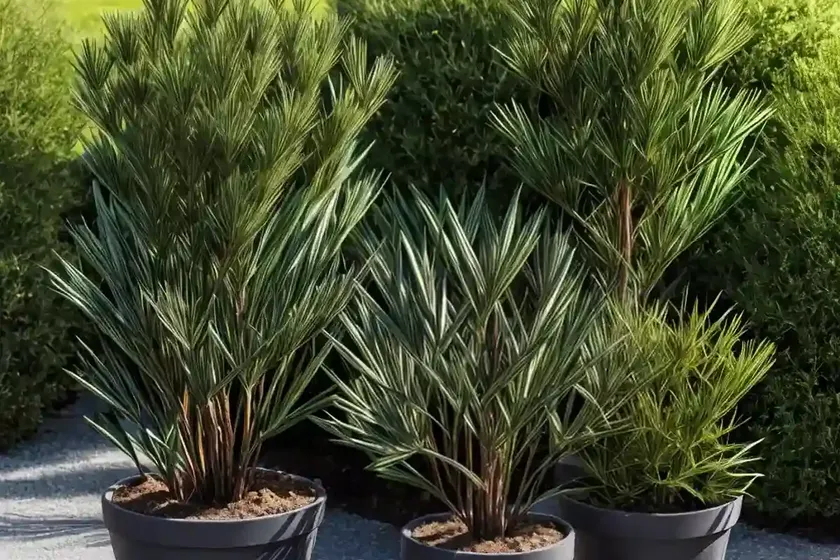
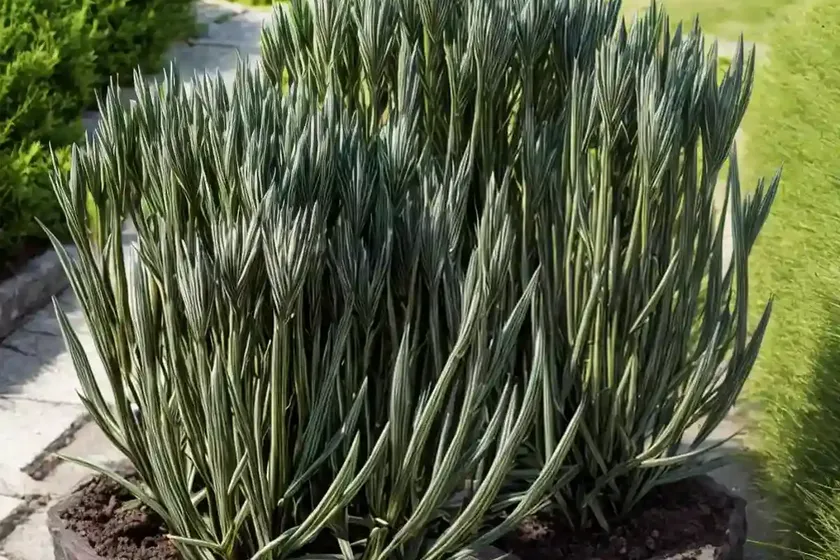
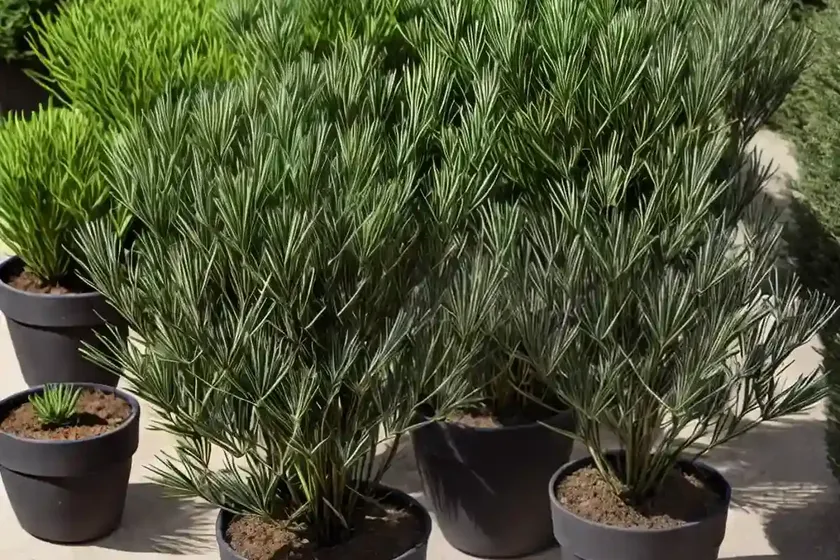
As a plant scientist, I am excited to delve into the fascinating world of Northern Running-pine, scientifically known as Diphasiastrum Complanatum. This unique plant species holds tremendous cultural, ecological, and horticultural significance. In this comprehensive guide, I will cover various aspects of Northern Running-pine, including its characteristics, cultivation, uses, and environmental benefits. Whether you are an avid gardener, a nature enthusiast, or a botany aficionado, this guide aims to provide valuable insights into this remarkable plant.
What is Northern Running-pine (Diphasiastrum Complanatum)?
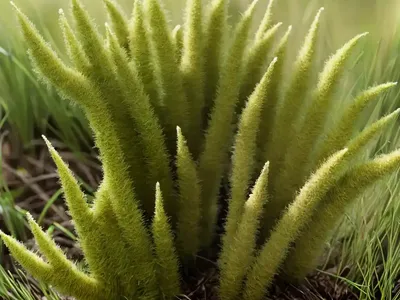
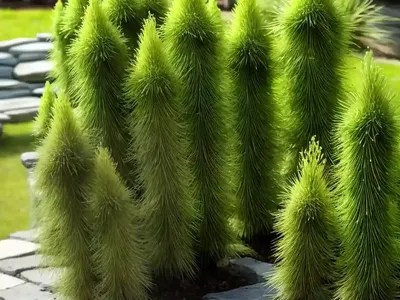
Northern Running-pine, also known as Running Clubmoss, is a low-growing perennial plant that belongs to the Lycopodiaceae family. It is widely distributed across North America, Europe, and Asia, thriving in diverse ecological settings. This unique plant is characterized by its sprawling, ground-hugging growth habit, making it an excellent choice for ground cover and ornamental purposes. Its moss-like appearance and evergreen foliage contribute to its visual appeal, while its ecological contributions make it a valuable component of natural ecosystems.
Northern Running-pine has been historically valued for its medicinal properties, traditional uses, and ecological significance. Its adaptability to various environmental conditions and its ability to thrive in shaded areas make it a versatile and resilient plant species. Understanding its cultural, ecological, and horticultural significance is essential for appreciating the multifaceted nature of Northern Running-pine.
Key Takeaways – Northern Running-pine (Diphasiastrum Complanatum)
Before diving deeper into the specifics of Northern Running-pine, let’s explore some key takeaways regarding this intriguing plant species:
- Northern Running-pine, or Diphasiastrum Complanatum, is a low-growing perennial plant with moss-like appearance and evergreen foliage.
- It is valued for its cultural, ecological, and horticultural significance, serving as a ground cover, ornamental plant, and ecological contributor.
- The plant has historical uses, medicinal properties, and traditional significance in various cultures.
- Northern Running-pine holds ecological significance by contributing to wildlife habitat, erosion control, and air purification.
Now that we have established an overview of Northern Running-pine, let’s delve into its cultivation, uses, and environmental contributions.
Cultivation
Cultivating Northern Running-pine requires an understanding of its specific requirements for water, sunlight, soil, and other essential factors. By optimizing its growing conditions, gardeners and plant enthusiasts can ensure the healthy and vigorous growth of this remarkable plant.
Water
Northern Running-pine thrives in moist, well-drained soils, making it well-suited for woodland and shaded areas. However, it is essential to avoid waterlogged conditions, as this can negatively impact the plant’s health. Regular watering, especially during dry periods, is crucial to maintain optimal soil moisture levels for the plant’s growth and development.
Sunlight
This plant species exhibits a preference for shaded or partially shaded environments. It is well-adapted to thriving under tree canopies or in areas with limited direct sunlight. When grown in garden settings, providing dappled shade or filtered light can promote the healthy growth of Northern Running-pine.
Soil
The ideal soil for Northern Running-pine is rich in organic matter and well-drained. It thrives in acidic to neutral soils, and incorporating organic amendments can enhance soil fertility and structure. Additionally, the presence of leaf litter and natural mulch in woodland settings can mimic the plant’s natural habitat, creating an optimal environment for its growth.
Fertilizer
Northern Running-pine generally thrives in nutrient-rich soils, and excessive fertilization is not necessary for its cultivation. In natural settings, the decomposition of organic matter provides the plant with the necessary nutrients. However, in garden environments, a light application of a balanced, slow-release fertilizer in early spring can support the plant’s growth without overwhelming it with excessive nutrients.
Pruning
Pruning is generally not required for Northern Running-pine when it is cultivated as a ground cover or ornamental plant. Its low-growing, spreading nature makes it a low-maintenance addition to garden settings. However, removing any dead or damaged foliage can promote the plant’s overall appearance and health.
Propagation
Northern Running-pine can be propagated through division or spore propagation. Division involves separating the plant’s rhizomes or underground stems and replanting them in suitable locations. Spore propagation, while more complex, can also be employed to propagate new plants. Propagation efforts are most successful when carried out in early spring, providing the young plants with optimal growing conditions for establishment.
Container Popularity
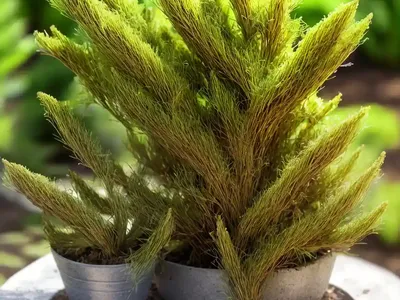
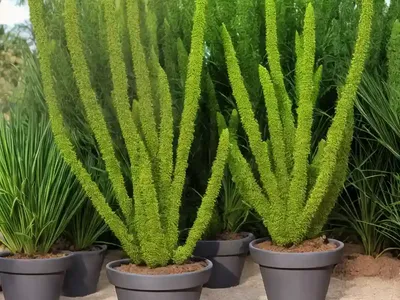
While Northern Running-pine is typically grown as a ground cover or in naturalistic settings, it can also be cultivated in containers. Its low-maintenance nature and ornamental appeal make it a suitable choice for container gardening, particularly in shaded or woodland-themed container gardens.
The unique characteristics of Northern Running-pine make it a versatile and valuable addition to garden landscapes, contributing to the diversity and visual appeal of planted areas. Understanding its cultural uses, habitat requirements, and propagation methods can enrich our appreciation for this remarkable plant.
Common Diseases and Pests
Understanding the potential diseases and pests that can affect Northern Running-pine is essential for maintaining its health and vigor. While this plant species is generally resilient and disease-resistant, certain issues may arise in specific growing conditions.
Common Diseases
Northern Running-pine can be susceptible to fungal diseases such as leaf spot and rust, especially in overly moist conditions. Providing adequate air circulation and avoiding overwatering can help prevent these issues. Additionally, maintaining proper spacing between plants can reduce the risk of disease spread.
Disease Diagnosis
Diagnosing diseases in Northern Running-pine involves observing the appearance of the foliage, examining any signs of discoloration, spotting, or abnormal growth, and identifying any environmental factors that may contribute to disease development. Prompt treatment with appropriate fungicides or cultural interventions can effectively manage diseases and prevent their spread.
Common Pests
Pests such as aphids, scale insects, and spider mites may occasionally affect Northern Running-pine. Regular inspection of the plant’s foliage and stems can help detect pest infestations early. Natural predators, such as beneficial insects, can contribute to pest control in outdoor settings, while horticultural oils or insecticidal soaps can be used to manage pest populations if necessary.
Understanding the potential diseases and pests that can affect Northern Running-pine enables gardeners and plant enthusiasts to implement proactive measures to maintain the plant’s health and address any issues that may arise in cultivation settings.
Botanist’s Tips
As a plant scientist, I have compiled a set of tips for cultivating and appreciating Northern Running-pine based on its unique characteristics and ecological contributions:
Botanist’s Tips for Northern Running-pine:
-
Habitat Mimicry: When cultivating Northern Running-pine in garden settings, mimicking its natural woodland habitat by providing dappled shade, well-drained soils, and organic mulch can support the plant’s healthy growth.
-
Erosion Control: Due to its spreading growth habit, Northern Running-pine can effectively contribute to erosion control on slopes or in areas with soil instability. Planting it in strategic locations can help prevent soil erosion and promote landscape stability.
-
Wildlife Habitat: The dense foliage of Northern Running-pine provides shelter and habitat for various wildlife species, contributing to the ecological diversity of natural environments and garden landscapes.
-
Medicinal Uses: Historically, this plant has been valued for its medicinal properties in traditional herbal medicine practices. Understanding its medicinal uses and properties adds to the plant’s cultural significance.
-
Low-Maintenance Appeal: Northern Running-pine’s resilient nature and low-maintenance requirements make it an attractive option for gardeners seeking sustainable and visually appealing plant choices.
By incorporating these botanist’s tips into the cultivation and appreciation of Northern Running-pine, individuals can enhance their understanding of this unique plant species and its contributions to diverse habitats.
Fun Facts
Uncovering the intriguing aspects and unique characteristics of Northern Running-pine can add a layer of fascination to its cultivation and ecological contributions. Here are some fun facts about this remarkable plant:
Fun Facts about Northern Running-pine:
-
Moss-Like Appearance: The resemblance of Northern Running-pine to moss contributes to its visual appeal, making it a valuable component of woodland and shaded landscapes.
-
Historical Uses: Throughout history, Northern Running-pine has been used for various purposes, including traditional medicine and cultural practices, reflecting its enduring significance.
-
Wildlife Attraction: The dense foliage of Northern Running-pine provides a habitat for small wildlife species, contributing to the ecological vibrancy of its growing environment.
-
Environmental Benefits: From erosion control to air purification, this plant offers a range of environmental benefits, highlighting its ecological significance.
By uncovering these fun facts, individuals can develop a deeper appreciation for the cultural, ecological, and horticultural dimensions of Northern Running-pine, adding to the plant’s allure and value in diverse contexts.
As a plant scientist, I am committed to providing valuable insights into plant species such as Northern Running-pine, fostering a deeper understanding of their characteristics, uses, and ecological contributions. In the next sections, I will explore various aspects of the plant, from environmental benefits to ecological significance, shedding light on its multifaceted nature and value.
Links to External Resources
To enhance your understanding of Northern Running-pine and its various aspects, I have curated a collection of resources that delve into its characteristics, uses, and ecological significance. These external references offer valuable insights and information for individuals interested in exploring this remarkable plant further:
External Resources:
- Diphasiastrum Complanatum Care Guide – Royal Horticultural Society
- Northern Running-pine Facts and Cultivation Tips – The Morton Arboretum
- Ecological Significance of Diphasiastrum Complanatum – National Wildlife Federation
- Medicinal Uses and Traditional Significance of Northern Running-pine – Botanical Society of America
These external resources offer a wealth of information and insights, providing a comprehensive view of Northern Running-pine and its diverse dimensions. By exploring these references, individuals can gain a deeper understanding of this unique plant species and its contributions to cultural, ecological, and horticultural contexts.
In the subsequent sections, I will delve into additional aspects of Northern Running-pine, covering topics ranging from its habitat requirements to its environmental benefits, and providing a comprehensive guide for enthusiasts and gardeners.
Northern Running-pine (Diphasiastrum Complanatum)
Characteristics
Northern Running-pine, scientifically known as Diphasiastrum Complanatum, possesses a distinct set of characteristics that contribute to its horticultural and ecological value. By exploring these characteristics, individuals can gain a deeper appreciation for the plant’s unique attributes and its role in diverse landscapes and ecosystems.
Physical Characteristics:
- Growth Habit: Northern Running-pine exhibits a sprawling, ground-hugging growth habit, forming dense mats of foliage that contribute to its visual appeal and ground cover potential.
- Foliage: The plant’s foliage consists of narrow, lance-shaped leaves arranged in whorls along its stems, creating a distinctive and decorative appearance.
- Evergreen Nature: Northern Running-pine maintains its evergreen foliage throughout the year, contributing to its ornamental value and providing visual interest in various seasons.
- Reproductive Structures: The plant produces cone-like structures known as strobili, which serve as the reproductive organs and contribute to its life cycle.
Ecological Characteristics:
- Habitat Adaptability: Northern Running-pine thrives in shaded woodland environments, demonstrating adaptability to varying moisture levels and soil conditions.
- Wildlife Support: The dense foliage of this plant provides habitat and shelter for small wildlife species, contributing to the ecological diversity of its growing environment.
- Erosion Control: Its spreading growth habit enables Northern Running-pine to contribute to erosion control and soil stability in natural and cultivated landscapes.
By understanding the physical and ecological characteristics of Northern Running-pine, individuals can gain insights into its ornamental potential, ecological contributions, and habitat requirements, further enhancing their appreciation for this remarkable plant species.
Conclusion
In this comprehensive guide, we have explored Northern Running-pine (Diphasiastrum Complanatum) from various perspectives, encompassing its cultivation, uses, ecological significance, and unique characteristics. By delving into the multifaceted nature of this plant, we have uncovered its value as a ground cover, ornamental plant, and ecological contributor, shedding light on its diverse dimensions and cultural significance.
Through this exploration, we have learned about the plant’s habitat requirements, propagation methods, environmental benefits, and historical uses, enriching our understanding of its role in natural ecosystems and cultivated landscapes. The botanist’s tips, fun facts, and external resources provided in this guide aim to enhance the appreciation and knowledge of Northern Running-pine, empowering individuals to engage with this plant in various contexts.
As a plant scientist, I am committed to fostering a deeper understanding of plant species such as Northern Running-pine, illuminating their ecological contributions, cultural significance, and horticultural value. By uncovering the intricacies of these plants, we can cultivate a greater appreciation for the natural world and the diverse plant life that enriches our surroundings.
Let me know if you need anything else!