Advertisement

Advertisement

Advertisement

Rice Cactus (Rhipsalis Cereuscula)

· · ⏰ 8 min read · 1,606 words
Disclosure: This post may contain affiliate links. If you purchase through these links, we may earn a small commission at no extra cost to you. We only recommend products we genuinely believe in. Learn more.
Home » Cactaceae » Rice Cactus (Rhipsalis Cereuscula)

The Fascinating Rice Cactus (Rhipsalis Cereuscula): A Comprehensive Guide

Plants are an essential part of our ecosystem and contribute to the beauty of our surroundings. From their aesthetic appeal to their vital role in maintaining ecological balance, plants are truly remarkable. In this article, we will delve into the enchanting world of the Rice Cactus (Rhipsalis cereuscula), exploring its characteristics, care requirements, propagation techniques, and much more. If you are an avid plant enthusiast or are simply looking to enhance the greenery in your surroundings, the Rice Cactus is an excellent choice that offers unique beauty and low-maintenance care.

What is the Rice Cactus (Rhipsalis Cereuscula)?

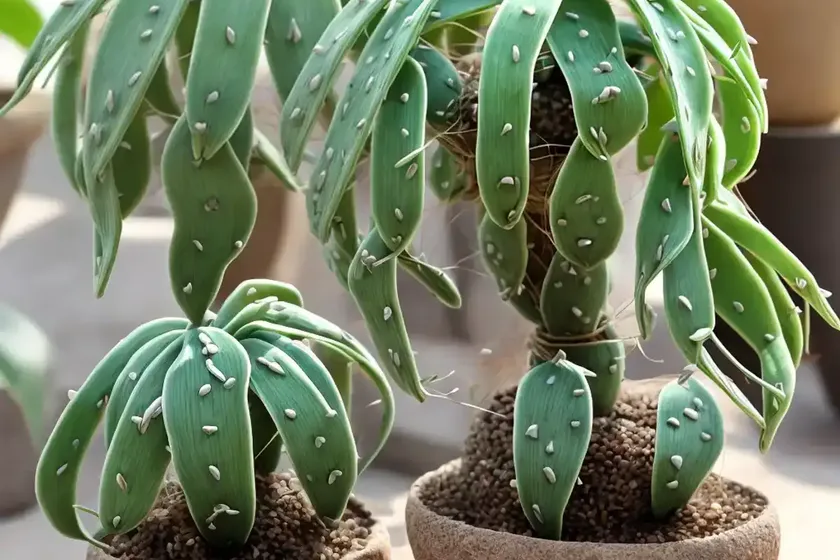
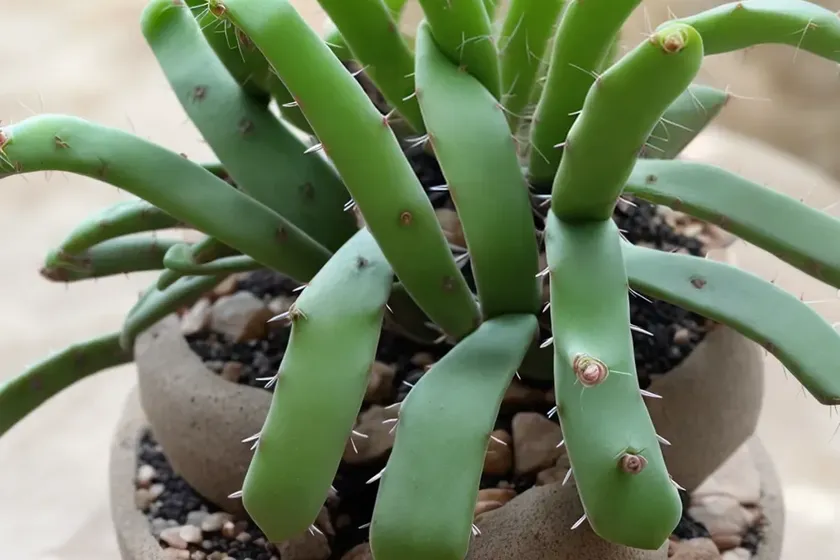
The Rice Cactus, also known as Rhipsalis cereuscula, is a stunning epiphytic cactus native to the rainforests of Brazil. It belongs to the family Cactaceae and is characterized by its delicate, trailing stems and fine, rice-like foliage. This exquisite plant is a member of the Rhipsalis genus, which comprises numerous epiphytic cacti well-suited for indoor cultivation.

Advertisement

Rhipsalis Cereuscula

Key Takeaways – Rice Cactus (Rhipsalis Cereuscula)

Before delving deeper into the intricacies of caring for the Rice Cactus, let’s outline some key takeaways that capture the essence of this wondrous plant.

  • Unique trailing stems and delicate, rice-shaped foliage
  • Thrives in bright, indirect light
  • Requires minimal watering, allowing the soil to dry out between waterings
  • Well-suited for indoor cultivation in hanging baskets or as a decorative trailing plant
  • Resilient and low-maintenance, making it an ideal addition to any plant collection

Now, let’s explore the various aspects of this captivating plant in more detail, including its culture, uses, care requirements, and propagation techniques.

Culture

Uses

The Rice Cactus (Rhipsalis cereuscula) is a versatile plant that offers a range of uses, both practical and aesthetic. Some of its key uses include:

  • Indoor Decoration: With its graceful trailing stems and unique foliage, the Rice Cactus is a perfect choice for adorning indoor spaces. Whether displayed in hanging baskets, on shelves, or as part of a vertical garden, this plant adds a touch of natural elegance to any setting.
  • Air Purification: Like many other houseplants, Rhipsalis cereuscula contributes to indoor air purification by removing toxins and enhancing air quality.
  • Therapeutic Benefits: The presence of greenery has been associated with psychological well-being, and the Rice Cactus can serve as a calming and aesthetically pleasing addition to home or office environments.

Care Requirements

Water

Proper watering is crucial for the health and vitality of the Rice Cactus. While it is important to ensure an adequate supply of water, overwatering can be detrimental to the plant. Here are some essential guidelines for watering the Rice Cactus:

  • Frequency: Water the plant thoroughly, allowing the soil to dry out partially between waterings. Aim to water the Rice Cactus approximately once every 1-2 weeks, adjusting the frequency based on environmental conditions and the moisture level of the soil.

Sunlight

As a tropical plant native to the rainforests of Brazil, the Rice Cactus thrives in bright, indirect light. When selecting a location for your plant, consider the following sunlight requirements:

  • Light Conditions: Place the Rice Cactus in a spot that receives bright, indirect light. Avoid exposing it to direct sunlight, especially during the intense midday hours, as this can lead to leaf scorching.

Fertilizer

Proper fertilization supports the growth and development of the Rice Cactus. However, it is important to apply fertilizer with caution to prevent potential damage to the plant. Consider the following guidelines for fertilizing Rhipsalis cereuscula:

  • Frequency: Fertilize the Rice Cactus during the active growing season, typically from spring to early fall. Apply a balanced, water-soluble fertilizer at half-strength every 4-6 weeks to provide essential nutrients without overwhelming the plant.

Soil

The choice of potting soil significantly impacts the overall health and well-being of the Rice Cactus. Selecting a well-draining, nutrient-rich soil mixture is essential for promoting optimal growth. Here are some key considerations when it comes to soil:

  • Potting Mix: Use a well-draining potting mix with a high proportion of organic matter, such as a blend of peat moss, perlite, and coarse sand. This type of soil mixture allows excess moisture to drain effectively, preventing waterlogging and root rot.

Pruning

Pruning plays a crucial role in shaping and maintaining the appearance of the Rice Cactus. While this plant does not require extensive pruning, occasional trimming can help manage its growth and improve overall aesthetics. Here’s what you should know about pruning Rhipsalis cereuscula:

  • Dead or Damaged Foliage: Regularly inspect the plant for any dead or damaged foliage and trim these areas as needed. Use clean, sharp pruning shears to make precise cuts, promoting healthy regrowth and preventing the spread of diseases.

Propagation

The ability to propagate the Rice Cactus allows plant enthusiasts to expand their collection and share the beauty of Rhipsalis cereuscula with others. Propagation can be achieved through various methods, including stem cuttings and division. Here are some insights into propagating the Rice Cactus:

  • Stem Cuttings: Propagate the Rice Cactus using stem cuttings taken from healthy, mature stems. Allow the cuttings to callus for a few days before placing them in a well-draining potting mix. With proper care and favorable conditions, the cuttings will develop roots and establish themselves as independent plants.

Container

Selecting the right container for the Rice Cactus is essential for promoting healthy growth and ensuring proper care. Consider the following container-related factors:

  • Pot Size: Choose a container that accommodates the current size of the plant while allowing room for future growth. A pot with drainage holes is essential to prevent water accumulation and maintain proper soil moisture levels.

Popularity

The elegant and low-maintenance nature of the Rice Cactus has contributed to its rising popularity among plant enthusiasts. Whether displayed as a standalone specimen or as part of a diverse plant collection, Rhipsalis cereuscula is sought after for its captivating aesthetics and ease of care. Its growing popularity is evident in its frequent inclusion in interior decorations, office spaces, and social media platforms dedicated to plant lovers.

Common Diseases

Understanding the potential diseases that may affect the Rice Cactus is crucial for implementing preventive measures and promoting plant health. While Rhipsalis cereuscula is generally resilient, it can be susceptible to certain diseases under unfavorable conditions. Here are some common diseases that may affect the Rice Cactus:

  • Root Rot: Overwatering or poorly draining soil can lead to the development of root rot, a fungal disease that damages the plant’s root system. Symptoms include wilting, yellowing foliage, and a foul odor emanating from the soil. To prevent root rot, ensure proper soil drainage and avoid overwatering.

Disease Diagnosis

Diagnosing diseases in the Rice Cactus involves careful observation and proactive intervention. When assessing the health of your plant, consider the following diagnostic steps:

  • Symptom Recognition: Familiarize yourself with the typical symptoms of common plant diseases, such as wilting, yellowing foliage, mold growth, or unusual spots or lesions on the stems and leaves.
  • Environmental Assessment: Evaluate environmental conditions, such as watering practices, sunlight exposure, and air circulation, to identify potential factors contributing to disease development.
  • Prompt Action: If you suspect that your Rice Cactus is affected by a disease, take immediate measures to isolate the plant, adjust care practices, and, if necessary, apply appropriate treatments to mitigate the issue.

Common Pests

Although the Rice Cactus is relatively resistant to pests, it can encounter occasional infestations that require prompt attention. Being aware of potential pests and their associated symptoms is essential for implementing effective pest control measures. Here are some common pests that may affect the Rice Cactus:

  • Spider Mites: These tiny arachnids can infest the Rice Cactus, causing stippled or discolored foliage. They thrive in dry conditions and can be managed through manual removal, insecticidal soap, or horticultural oil applications.
  • Mealybugs: Mealybugs are small, white, cottony pests that feed on the sap of plants, including the Rice Cactus. They can be addressed using neem oil, insecticidal soap, or by physically removing them from the plant using a cotton swab dipped in alcohol.

Botanist’s Tips

As a plant scientist with a passion for the intricate world of plants, here are some expert tips for caring for the Rice Cactus and ensuring its long-term health and vitality:

  • Moderation is Key: Whether it’s watering, fertilizing, or pruning, exercise restraint and moderation in your care practices. Avoid overwatering, over-fertilizing, and aggressive pruning, as these can detract from the overall well-being of the plant.
  • Observation Matters: Regularly observe your Rice Cactus for any signs of stress, disease, or pest infestation. Early detection allows for timely intervention and prevents issues from escalating.

Fun Facts

To further appreciate the allure of the Rice Cactus, here are some fun and intriguing facts about this captivating plant:

  • The delicate, rice-like foliage of Rhipsalis cereuscula is the source of its common name, the Rice Cactus.
  • As an epiphytic cactus, the Rice Cactus naturally grows on other plants, such as trees, in its native rainforest habitat.
  • Rhipsalis cereuscula produces small, white flowers when mature, adding a charming touch to its trailing stems.

For additional insights into the care and cultivation of the Rice Cactus, consider exploring the following external resources:

  1. Rhipsalis Cereuscula Care Guide
  2. Growing Rhipsalis Cereuscula Indoors
  3. Rice Cactus Propagation Techniques
  4. Rhipsalis Cereuscula: A Fascinating Epiphytic Cactus

In conclusion, the Rice Cactus (Rhipsalis cereuscula) is a captivating and low-maintenance plant that adds an enchanting touch to any indoor setting. With its delicate trailing stems, rice-like foliage, and minimal care requirements, this distinctive cactus is a wonderful choice for both seasoned plant enthusiasts and beginners alike. By understanding its culture, care needs, and propagation techniques, you can cultivate a thriving and aesthetically pleasing display of Rhipsalis cereuscula, enriching your living spaces with the beauty of nature.

Advertisement

Browse Topics