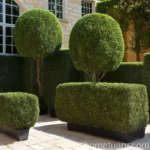
Plant Scientist’s Guide to Boxwood (Buxus sempervirens ‘Edgar Anderson’)
Introduction
As a plant scientist, I am thrilled to share with you the comprehensive guide to one of the most versatile and attractive shrubs in the plant kingdom – the boxwood (Buxus sempervirens ‘Edgar Anderson’). In this extensive blog post, we will delve into the characteristics, care requirements, common uses, and maintenance of the Edgar Anderson boxwood. Whether you are a seasoned horticulturist or a gardening enthusiast, this guide will equip you with the knowledge and techniques to ensure the health and vigor of your boxwood shrubs. Let’s embark on this journey of discovery and appreciation for this remarkable plant.
What is Boxwood (Buxus sempervirens ‘Edgar Anderson’)?
Boxwood (Buxus sempervirens ‘Edgar Anderson’) is a cultivar of the common boxwood (Buxus sempervirens), a species belonging to the Buxaceae family. Revered for its compact growth habit, glossy foliage, and ease of shaping, this evergreen shrub has been a staple in gardens, landscapes, and horticultural designs for centuries. The ‘Edgar Anderson’ cultivar, named after the renowned American botanist Edgar Anderson, is celebrated for its distinct characteristics, making it a sought-after choice for gardeners and landscapers alike.
Key Takeaways – Boxwood (Buxus sempervirens ‘Edgar Anderson’)
Culture
Uses
- Versatile ornamental shrub
- Topiary and hedge applications
- Accent plant in formal and informal gardens
- Suitable for containers and mixed planters
Water
- Moderate water needs
- Well-draining soil to prevent waterlogging
- Regular watering, especially during dry periods
Sunlight
- Partial to full sunlight
- Tolerant of light shade
- Protection from harsh afternoon sun in hot climates
Fertilizer
- Balanced, slow-release fertilizer in spring
- Avoid excessive nitrogen applications
- Organic mulch for nutrient retention and soil improvement
Soil
- Well-draining, loamy soil
- Neutral to slightly acidic pH (6.5-7.2)
- Regular soil testing for pH and nutrient levels
Pruning
- Prune in early spring before new growth emerges
- Regular shaping to maintain desired form
- Avoid pruning during late fall and winter
Propagation
- Cuttings in late spring or early summer
- Root division in early spring
- Propagation from semi-hardwood cuttings
Container Popularity
- Well-suited for container growth
- Suitable for formal and informal container designs
- Adaptable to different soil mixes and growing conditions
Common Diseases
- Boxwood blight (caused by Calonectria pseudonaviculata)
- Phytophthora root rot
- Volutella blight (caused by Volutella buxi)
- Boxwood leaf miner (genus Monarthropalpus)
- Root-knot nematodes (genus Meloidogyne)
Disease Diagnosis
- Visual symptoms such as leaf spots, blighting, and defoliation
- Laboratory testing for accurate diagnosis
- Prompt action to prevent disease spread
Common Pests
- Boxwood psyllid (genus Psylla)
- Boxwood mites (genus Eurytetranychus)
- Boxwood leafminers (genus Monarthropalpus)
- Boxwood webworm (genus Palamades)
- Boxwood caterpillars (genus Diaphania)
Botanist’s Tips
As a plant scientist with years of experience in studying and cultivating boxwood, I have compiled a set of tips and insights that will assist you in nurturing and maintaining healthy boxwood plants.
- Site Selection: Choose a well-drained location with suitable sunlight exposure for optimal growth.
- Pruning Practices: Employ proper pruning techniques to promote dense foliage and maintain the desired shape.
- Disease Vigilance: Regularly inspect boxwood plants for signs of diseases and promptly address any issues to prevent spread.
- Pest Management: Implement integrated pest management strategies to minimize pest infestations without harming beneficial organisms.
- Soil Health: Prioritize soil health through organic amendments and regular soil testing to ensure an ideal growing environment.
Fun Facts
- Boxwood has been cultivated for ornamental and practical purposes since ancient times, with historical records dating back to the Roman Empire.
- The wood of the boxwood shrub is dense and fine-grained, making it highly valued for carving and woodturning.
- Boxwood was traditionally used in the production of high-quality musical instruments, such as flutes and clarinets, due to its acoustical properties.
Links to External Resources
To further enhance your understanding of boxwood (Buxus sempervirens ‘Edgar Anderson’), I have curated a selection of authoritative resources and references that delve into various aspects of boxwood care, maintenance, and cultivation.
- American Boxwood Society – Official website of the American Boxwood Society, offering a wealth of information on boxwood varieties, cultivation practices, and research updates.
- Royal Horticultural Society: Boxwood – The Royal Horticultural Society’s comprehensive guide to Buxus sempervirens ‘Edgar Anderson’, featuring cultivation advice and plant characteristics.
- University of Maryland Extension: Boxwood Blight – In-depth information on boxwood blight, its symptoms, management strategies, and prevention measures from the University of Maryland Extension.
- North Carolina State University: Boxwood Leafminer – Detailed resource on boxwood leafminer identification, lifecycle, and management recommendations by North Carolina State University.
These resources, along with your newly acquired knowledge, will serve as invaluable references in your journey of nurturing and celebrating the splendor of boxwood (Buxus sempervirens ‘Edgar Anderson’).
Conclusion
In conclusion, the boxwood (Buxus sempervirens ‘Edgar Anderson’) stands as a timeless symbol of elegance, resilience, and horticultural artistry. Whether adorning formal landscapes, defining sculptural topiaries, or gracing picturesque containers, the boxwood has proven its enduring allure and practicality. Through an amalgamation of meticulous care, astute observations, and a dash of creativity, you can forge a harmonious partnership with this exceptional shrub. Embrace the journey of understanding, nurturing, and appreciating the boxwood, and witness the timeless beauty it bestows upon your habitation.
As a dedicated plant scientist, I have endeavored to distill a wealth of knowledge and insights into this comprehensive guide, empowering you to embark on an enriching and fulfilling journey with the boxwood (Buxus sempervirens ‘Edgar Anderson’). May your endeavors in horticulture and garden design be marked by the perennial grace and allure of this exceptional shrub.