Japanese Pachysandra (Pachysandra Terminalis)
Plants are essential living organisms that play a crucial role in the environment. They are responsible for producing oxygen, maintaining the water cycle.
What is Plant?
Plants are essential living organisms that play a crucial role in the environment. They are responsible for producing oxygen, maintaining the water cycle, and providing food and shelter for various organisms. There is an incredible diversity of plant species, each adapted to thrive in specific environments and ecosystems. From towering trees to delicate flowers, plants come in a wide array of forms, sizes, and functions. They serve as the foundation of terrestrial ecosystems and contribute to the beauty and diversity of our planet.
In this blog post, we will delve into the captivating world of the Japanese pachysandra, scientifically known as Pachysandra terminalis. This versatile and visually appealing plant has gained popularity as a ground cover due to its lush foliage and adaptability to various growing conditions. We will explore its cultural significance, uses, and provide comprehensive insights into its care, maintenance, and propagation.
Key Takeaways – Japanese Pachysandra (Pachysandra terminalis)
Culture
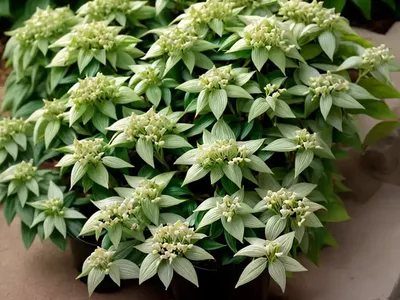
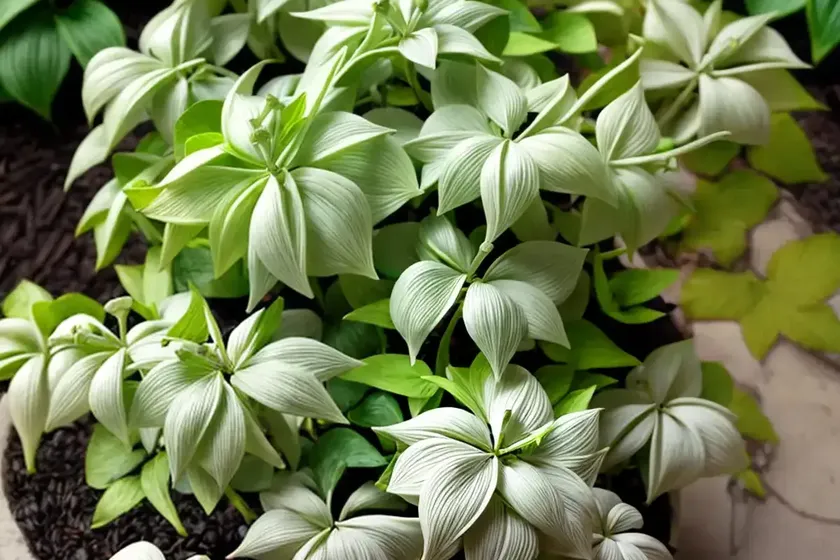
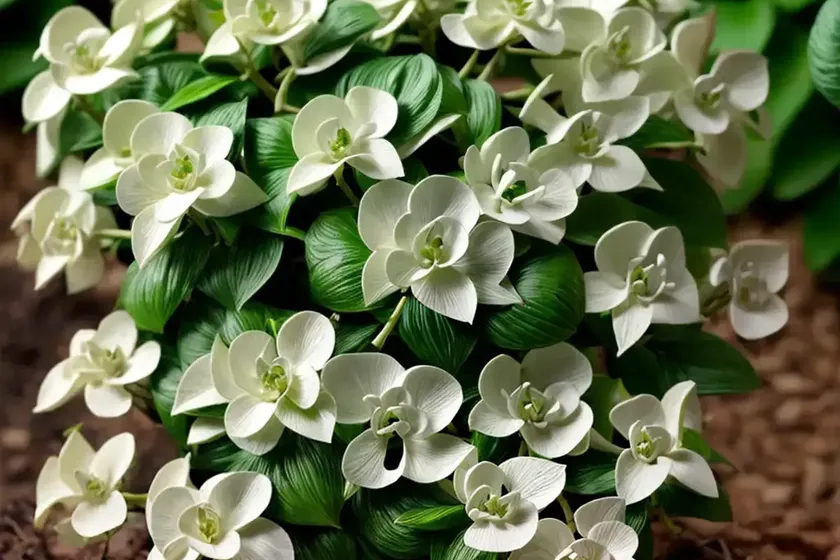
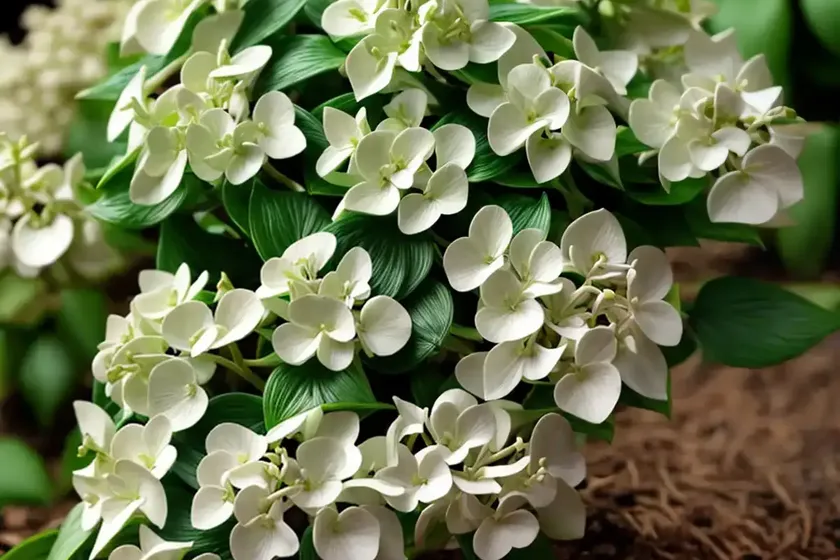
Japanese pachysandra is a evergreen perennial plant that is native to Japan, China, and other parts of East Asia. It belongs to the family Buxaceae and is well-loved for its ability to form dense mats of glossy, deep green foliage. In the landscape, it is commonly used as a ground cover due to its ability to thrive in shaded areas and its low-maintenance nature.
Uses
The Japanese pachysandra is a versatile landscaping plant that has several uses, including:
- Ground cover in shaded areas
- Erosion control on slopes
- Underplanting for trees and shrubs
- Border plant along pathways and garden beds
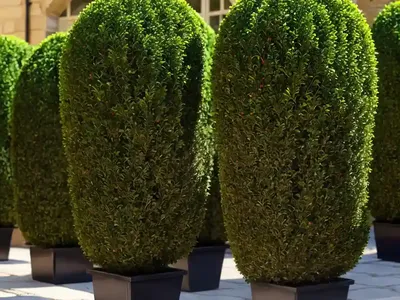
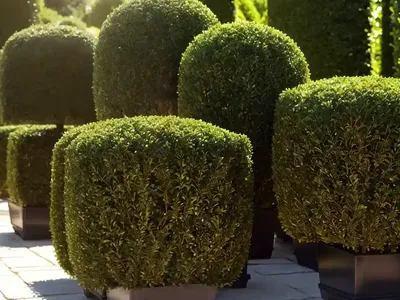
- Container plant for shaded spaces
Water
Japanese pachysandra has moderate water requirements and thrives in moist, well-drained soil. It is essential to establish a regular watering schedule, especially during hot and dry periods, to ensure the plant’s optimal growth.
Sunlight
This plant prefers partial to full shade and is well-suited for areas with limited sunlight. It is an excellent choice for shaded landscapes where other plants may struggle to thrive.
Fertilizer
When it comes to fertilizing Japanese pachysandra, a balanced, slow-release fertilizer can be applied in spring to promote healthy growth. It is crucial to follow the recommended application rates to avoid fertilizer burn and other potential issues.
Soil
Japanese pachysandra thrives in well-drained, humus-rich soil with a slightly acidic to neutral pH. Amending the soil with organic matter can improve its texture and nutrient content, creating an ideal environment for the plant to flourish.
Pruning
Pruning is generally minimal for Japanese pachysandra, primarily focused on removing any damaged or overgrown foliage. This helps to maintain its compact growth habit and overall aesthetic appeal.
Propagation
This plant can be propagated through division, stem cuttings, or seeds. Division is a popular method, often performed in early spring or fall when the plant is not actively growing. Stem cuttings can also be rooted in a suitable propagation medium to produce new plants.
Container Popularity
Japanese pachysandra is well-suited for container planting, bringing its lush green foliage to shaded patios, balconies, and outdoor living spaces. It adds a touch of elegance and natural beauty to container gardens, providing a rich contrast to other plants and flowers.
Common Diseases
Japanese pachysandra is susceptible to certain diseases, including leaf blight and stem rot. Regular monitoring, proper plant spacing, and good air circulation can help mitigate the risk of disease.
Disease Diagnosis
Diagnosing plant diseases often involves careful observation of symptoms such as leaf discoloration, wilting, or unusual growth patterns. It is important to promptly address any signs of disease through appropriate cultural practices or treatments to prevent further spread.
Common Pests
The most common pests that may affect Japanese pachysandra include scale insects, mites, and nematodes. Regular inspection of the plants can help detect pest infestations early, allowing for prompt intervention to minimize damage.
Botanist’s Tips
- Ensure adequate moisture for optimal growth, especially during the establishment phase.
- Select planting sites with the appropriate light conditions to support healthy development.
- Use a layer of organic mulch to conserve soil moisture and suppress weed growth around the plants.
- Monitor for signs of stress, disease, or pest infestations and take timely action to address any issues.
Fun Facts
- The name “pachysandra” is derived from the Greek words “pachys” meaning “thick” and “andros” meaning “male,” referring to the thick stamens of the plant’s flowers.
- Japanese pachysandra has been cultivated in gardens and landscapes for centuries, adding a touch of timeless elegance to outdoor spaces.
Links to External Resources
For further information on Japanese pachysandra and related topics, explore the following resources:
- The American Horticultural Society’s A-Z Encyclopedia of Garden Plants
- The Royal Horticultural Society’s Plant Finder
- University Extension Services for Region-Specific Plant Care Guidelines
- Plant Care Guides on reputable gardening websites such as The Spruce, Gardening Know How, and Better Homes & Gardens
Conclusion
Japanese pachysandra, with its lush foliage and adaptability to shaded environments, is a valuable addition to any landscape. Whether used as a ground cover, container plant, or border accent, this versatile species offers beauty and functionality. Understanding its cultural requirements, propagation methods, common issues, and potential uses in various settings enables plant enthusiasts to make the most of its unique characteristics. With the right care and attention, Japanese pachysandra can thrive and contribute to the visual appeal and ecological balance of outdoor spaces.
Dive into the world of Japanese pachysandra and discover the myriad possibilities for incorporating this captivating plant into your landscape. With its graceful presence and enduring qualities, Pachysandra terminalis stands as an exceptional choice for those seeking a robust, shade-tolerant ground cover with timeless appeal.