Boxwood (Buxus)
Boxwood (Buxus) is a versatile and popular plant that is cherished for its dense and evergreen foliage, decorative qualities, and low maintenance needs. In.
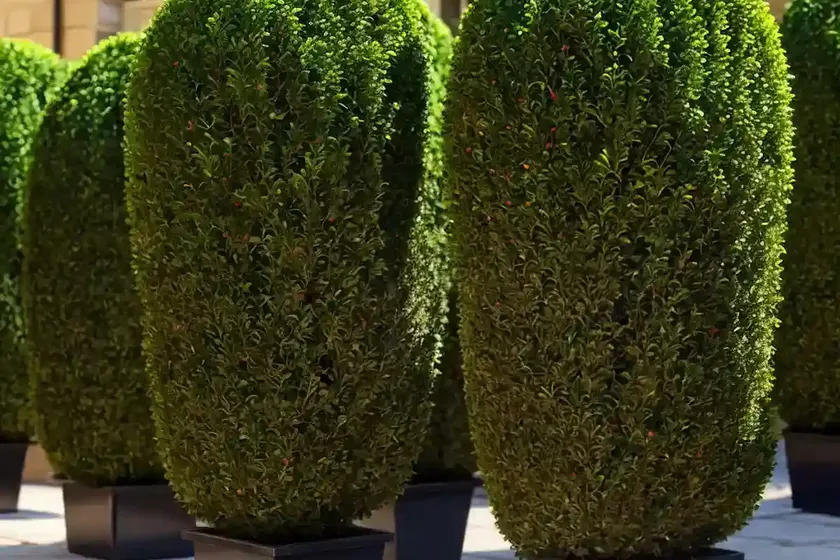
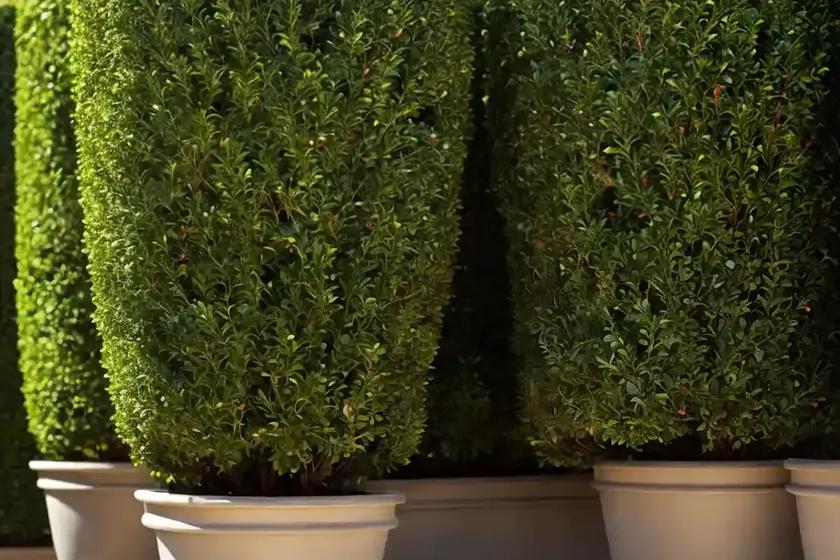
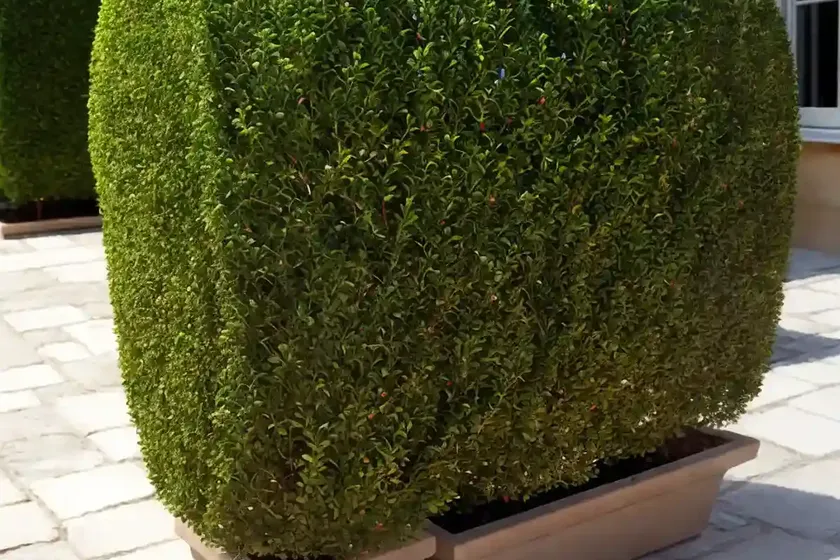
Boxwood (Buxus) is a versatile and popular plant that is cherished for its dense and evergreen foliage, decorative qualities, and low maintenance needs. In this comprehensive guide, we will delve into the various aspects of Boxwood, including its culture, uses, water and sunlight needs, soil requirements, common diseases and pests, as well as propagation and pruning techniques. Whether you’re a seasoned horticulturist, a landscaping enthusiast, or a beginner gardener, this article aims to provide valuable insights and tips to help you care for and appreciate the beauty of Boxwood. Let’s explore the fascinating world of Buxus!
What is Boxwood (Buxus)?
Boxwood, scientifically known as Buxus, encompasses a genus of about 70 species of evergreen shrubs and small trees, belonging to the boxwood family Buxaceae. These plants are native to various regions, including Europe, Asia, Africa, and Central America. One of the most common species is Buxus sempervirens, which is renowned for its compact growth habit, glossy green foliage, and versatility in landscaping and garden decoration.
Boxwood has been cultivated for centuries and can be adapted to different climatic conditions, making it a favored choice for ornamental hedges, topiaries, and container gardening. Its resilience, elegant appearance, and ease of maintenance have solidified its status as a beloved staple in gardens, parks, and urban landscapes around the world.
Key Takeaways – Boxwood (Buxus)
To gain a comprehensive understanding of Boxwood (Buxus) and its care requirements, it’s essential to explore the following key aspects:
- Culture
- Uses
- Water
- Sunlight
- Fertilizer
- Soil
- Pruning
- Propagation
- Container Popularity
- Container Common Diseases
- Disease Diagnosis
- Common Pests
- Botanist’s Tips
- Fun Facts
- Links to External Resources
Now, let’s delve into each of these aspects in detail to unravel the secrets of cultivating and caring for Boxwood.
Culture
Uses
Boxwood (Buxus) is valued for its versatility in various landscaping and gardening applications. Some common uses include:
- Hedging: Boxwood is a popular choice for creating formal or informal hedges due to its dense foliage and ability to withstand frequent pruning.
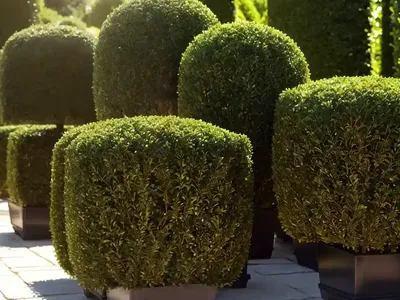
- Topiaries: Its compact growth and malleable nature make it well-suited for shaping into artistic topiaries, adding an element of charm to gardens and landscapes.
- Container Gardening: Boxwood thrives in containers, making it ideal for adorning patios, balconies, and entryways with its evergreen beauty.
- Landscape Design: It serves as a foundational plant in landscape design, providing structure, texture, and year-round greenery.
- Erosion Control: Its dense root system and foliage make it useful for stabilizing soil on slopes and preventing erosion.
- Traditional Gardens: In traditional and formal gardens, Boxwood is often used to create geometric patterns and delineate garden spaces with its neatly trimmed appearance.
Water
Proper watering is essential for the health and vigor of Boxwood plants. While they are adaptable and can tolerate some drought, consistent moisture is crucial, especially during the establishment phase and in hot, dry climates. Here are some watering tips:
- Young Plants: Newly planted Boxwood shrubs require regular watering to encourage root establishment. Water deeply at the base of the plant to ensure the water reaches the root zone.
- Established Plants: Once established, Boxwood plants generally prefer moist, well-drained soil. Water deeply and less frequently, allowing the soil to dry out slightly between waterings to promote robust root growth.
- Signs of Overwatering: Watch for signs of overwatering, such as yellowing leaves and waterlogged soil. Adjust the watering frequency based on the specific needs of the plant and the environmental conditions.
Sunlight
Boxwood exhibits varying degrees of tolerance to sunlight, depending on the specific species or cultivar. While most varieties thrive in partial to full sun, some can also tolerate shade. Consider the following guidelines for optimal sunlight conditions:
- Full Sun: Many Boxwood varieties perform well in full sun, provided they receive adequate moisture and the soil is well-drained. Full sun exposure often promotes dense, compact growth and vibrant green foliage.
- Partial Shade: In hotter climates, providing some afternoon shade can help protect Boxwood from excessive heat and prevent moisture loss. It also reduces the risk of leaf scorch.
- Shade Tolerance: Certain varieties, such as Buxus microphylla and Buxus sinica, exhibit greater shade tolerance and can thrive in areas with limited direct sunlight.
Fertilizer
Appropriate fertilization is crucial for promoting healthy growth and vibrant foliage in Boxwood plants. A balanced fertilizer regimen can help maintain the plant’s vigor and resilience. Consider the following tips for fertilizing Boxwood:
- Timing: Apply a balanced, slow-release fertilizer in early spring before the start of new growth. This timing provides the plant with essential nutrients for the upcoming growing season.
- Nitrogen Content: Select a fertilizer with a balanced N-P-K ratio, with a slightly higher nitrogen content to support lush foliage development. However, avoid excessive nitrogen, as it can lead to overly vigorous growth, potentially compromising the plant’s shape and density.
- Application Method: Spread the fertilizer evenly around the base of the plant, ensuring that it does not come into direct contact with the foliage. Water the plant thoroughly after fertilization to facilitate nutrient uptake.
- Soil Testing: Periodic soil testing can help determine the specific nutritional needs of the soil and the plant, allowing for tailored fertilization strategies.
Soil
Boxwood thrives in well-drained, slightly acidic to neutral soil with good fertility and aeration. Understanding the soil preferences of Boxwood is essential for establishing optimal growing conditions. Consider the following soil requirements:
- Texture: Boxwood prefers soil with a loamy texture, providing a balance of drainage and moisture retention. Avoid heavy clay soils that can become waterlogged, as well as sandy soils that drain too quickly and may not retain sufficient moisture.
- pH Level: The ideal soil pH for Boxwood is between 6.5 and 7.5. Conduct a soil test to assess the pH and make necessary amendments to achieve the optimal range for plant growth.
- Organic Matter: Incorporating organic matter, such as compost or well-rotted manure, into the soil can improve fertility, structure, and moisture retention, creating an ideal growing environment for Boxwood.
Pruning
Pruning is an essential aspect of Boxwood maintenance, contributing to its neat appearance, dense growth, and overall health. Understanding the principles of pruning is crucial for sculpting Boxwood into desired shapes and maintaining its ornamental value. Consider the following pruning techniques and guidelines:
- Timing: Prune Boxwood in late winter to early spring before the onset of new growth. This timing allows the plant to recover and initiate new growth in the upcoming growing season.
- Tools: Use sharp, clean pruning shears or hedge trimmers to make precise cuts, minimizing the risk of damage or disease transmission.
- Pruning Style: Depending on the desired look, Boxwood can be pruned into formal hedges, rounded shapes, or intricate topiaries. Regular light pruning can help maintain the plant’s shape and promote dense foliage.
- Thinning and Shaping: Periodically thin out the interior branches and shape the outer profile to allow for air circulation and sunlight penetration, reducing the risk of disease and promoting uniform growth.
Propagation
Propagating Boxwood allows for the expansion of plantings and the preservation of desirable cultivars. Understanding the methods of propagation can empower gardeners to multiply their favorite Boxwood varieties. Consider the following propagation techniques:
- Stem Cuttings: Propagate Boxwood from semi-hardwood stem cuttings taken in late summer. Prepare the cuttings with a heel, dip them in rooting hormone, and place them in a well-draining rooting medium. Maintain high humidity and consistent moisture to encourage root development.
- Division: Divide established Boxwood plants by carefully separating the root ball into smaller sections, each containing healthy roots and shoots. Replant the divisions in suitable growing locations and provide proper care to promote their establishment.
- Layering: Encourage the development of new roots on Boxwood branches by burying a section of a low-growing branch in the ground while still attached to the parent plant. Once roots have formed, the layered branch can be separated and transplanted as an independent plant.
Container Popularity
Boxwood is particularly well-suited for container gardening, offering versatility, year-round interest, and adaptability to various design styles. Its compact growth habit, aesthetic appeal, and low maintenance needs make it a favored choice for container plantings. Consider the following factors that contribute to the popularity of Boxwood in containers:
- Size Variability: Boxwood is available in a range of sizes, from low-growing cultivars suitable for small containers to tall varieties suitable for large planters. This diversity allows for creative combinations and arrangements in container gardens.
- Design Flexibility: The versatility of Boxwood makes it adaptable to various container styles, from traditional terracotta pots to modern and decorative planters. It can be used as a focal point, a border plant, or as part of a mixed planting scheme in containers.
- Indoor and Outdoor Use: Certain Boxwood varieties, such as Buxus microphylla, can thrive indoors as well as outdoors, making them valuable additions to interior plantscapes and outdoor container gardens.
Container Common Diseases
While Boxwood is generally resilient, it can be susceptible to certain diseases, especially when grown in containers. Understanding the common diseases that affect Boxwood in containers is essential for timely identification and intervention. Some notable diseases to watch for include:
- Boxwood Blight (Cylindrocladium buxicola and Pseudonectria buxi): This aggressive fungal disease causes leaf spots, defoliation, and dieback, leading to severe decline in infected plants. It thrives in warm and humid conditions, posing a significant threat to Boxwood in container settings and landscapes.
- Root Rot (Phytophthora spp.): Excessive moisture and poor drainage in container soil can lead to root rot, causing plant wilting, yellowing of foliage, and stunted growth. Healthy root systems are crucial for the vitality of Boxwood in containers, making root rot a concerning threat.
Disease Diagnosis
Prompt and accurate diagnosis of diseases is crucial for implementing effective control measures and protecting Boxwood plants in containers. Watch for the following signs and symptoms to aid in disease diagnosis:
- Leaf Spotting: Irregular brown spots or lesions on Boxwood leaves may indicate the presence of fungal pathogens, such as those causing Boxwood blight.
- Dieback: Progressive dieback of branches and foliage, accompanied by blackening or browning of stems, suggests the onset of disease, potentially caused by fungal infections or root issues.
- Root Discoloration: Upon careful inspection, observe the roots of container-grown Boxwood for signs of discoloration, softening, or decay, indicative of root rot pathogens infesting the soil.
Common Pests
Boxwood is valued for its resistance to pests, but it can still fall victim to certain insect adversaries, especially when grown in containers. Knowing the common pests that target Boxwood in container settings is essential for proactive pest management. Some notable pests to be mindful of include:
- Boxwood Leafminer (Monarthropalpus flavus): These tiny, yellowish larvae feed within the leaves, creating unsightly blisters and causing damage to the foliage. Vigilance is crucial to detect early signs of infestation and initiate control measures.
- Boxwood Psyllid (Psylla buxi): Nymphs and adults of this pest feed on Boxwood foliage, leading to distortion, stunting, and discoloration of the leaves. Regular monitoring and swift intervention can help prevent widespread damage.
- Boxwood Mite (Eurytetranychus buxi): Infestations of these microscopic pests can cause stippling, bronzing, and premature leaf drop, compromising the appearance and health of container-grown Boxwood.
Botanist’s Tips
Glean insights and practical tips from experienced botanists and horticulturists to enhance your understanding of Boxwood and its care requirements. Consider the following expert recommendations and strategies for successful cultivation and maintenance:
- Variety Selection: Choose Boxwood varieties based on your specific climate, soil, and landscaping needs. Consider factors such as mature size, growth rate, and disease resistance when selecting plants for container and landscape use.
- Disease Prevention: Implement proactive disease prevention measures, such as spacing plants appropriately to improve air circulation, avoiding overhead watering, and practicing sanitation to minimize the risk of disease outbreaks.
- Integrated Pest Management: Embrace an integrated approach to pest management, incorporating cultural, biological, and minimal chemical interventions to maintain pest populations at acceptable levels while safeguarding beneficial organisms.
Fun Facts
As you delve deeper into the world of Boxwood (Buxus), discover these intriguing and delightful fun facts about this beloved plant:
- Historical Significance: Boxwood has been revered for centuries and was used in ancient civilizations for carving religious artifacts, decorative items, and intricate patterns in architectural elements.
- Symbolism: Traditionally, Boxwood has been associated with strength, long life, and resilience, making it a symbolic plant in various cultures and belief systems.
- Literary Inspiration: Boxwood is prominently featured in literature and art, often serving as a muse for poets, painters, and authors drawn to its timeless beauty and cultural significance.
Links to External Resources
To further enrich your knowledge and exploration of Boxwood (Buxus), consider consulting the following reputable external resources:
- American Boxwood Society: A valuable resource for information on Boxwood varieties, care guidelines, and preservation efforts.
- The Royal Horticultural Society (RHS) – Boxwood: Access a wealth of information on Boxwood, including cultivation tips, pest and disease management, and design inspiration.
- University Extension Services: Many university extension services offer extensive resources on plant care, pest management, and disease prevention, providing valuable insights into the world of Boxwood.
In conclusion, Boxwood (Buxus) stands as an iconic and cherished plant, admired for its enduring beauty, adaptability, and contributions to diverse horticultural and design settings. By understanding its culture, uses, care requirements, and potential challenges, gardeners and enthusiasts can cultivate and appreciate Boxwood with confidence and success. Embrace the timeless allure of Boxwood, and celebrate its enduring presence in gardens and landscapes around the world.