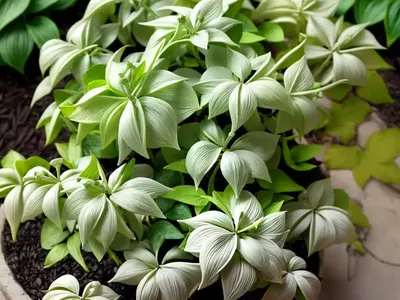
Japanese Spurge (Pachysandra Terminalis)
Plants play an integral role in our lives. They not only beautify our surroundings but also provide numerous other benefits, such as cleaner air.
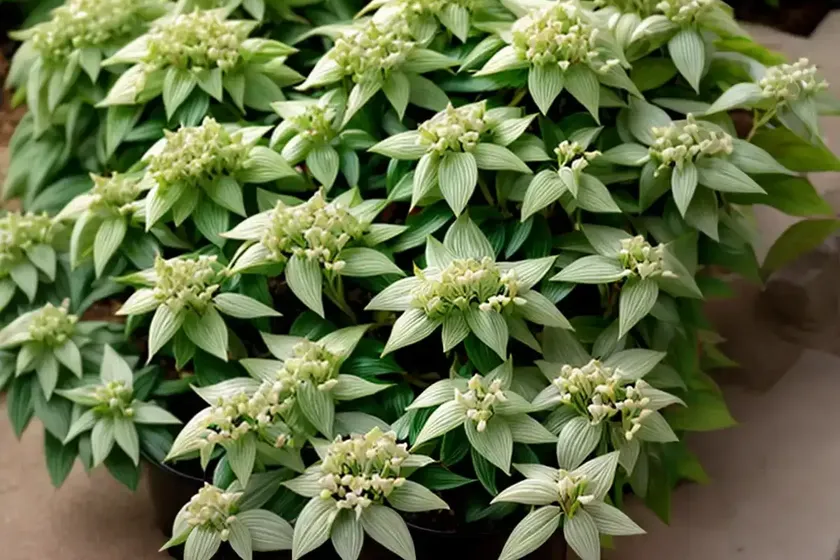
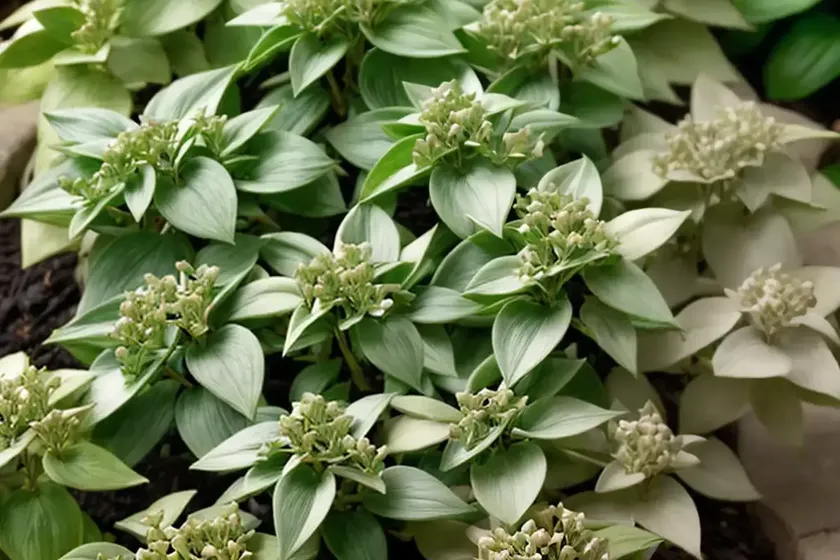
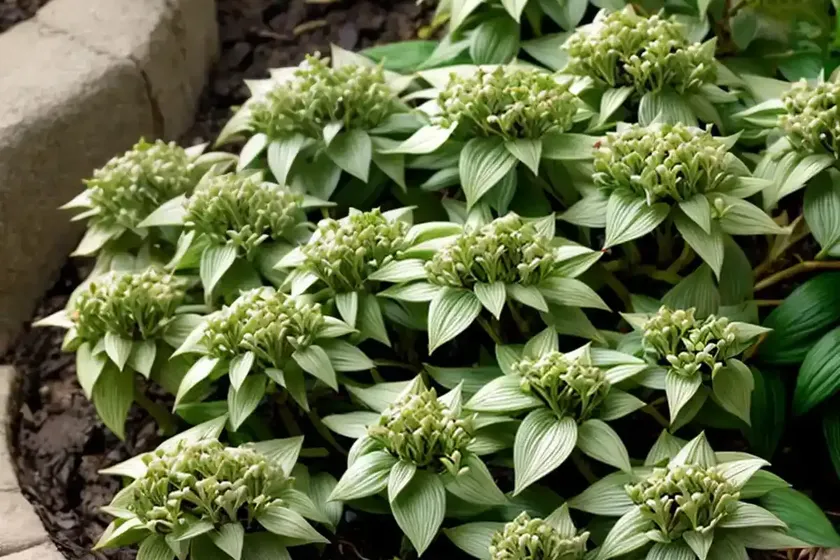
Plants play an integral role in our lives. They not only beautify our surroundings but also provide numerous other benefits, such as cleaner air, biodiversity support, and mental well-being. In this detailed guide, we will explore the fascinating world of Japanese Spurge (Pachysandra Terminalis), a versatile and low-maintenance groundcover plant. We will delve into its culture, uses, care requirements, propagation, common diseases and pests, useful tips for botanists, fun facts, and more. By the end of this article, you will have a comprehensive understanding of Japanese Spurge and how to effectively incorporate it into your landscaping projects.
What is Japanese Spurge (Pachysandra Terminalis)?
Japanese Spurge, scientifically known as Pachysandra Terminalis, is a perennial evergreen plant belonging to the Buxaceae family. Native to Japan and China, Japanese Spurge is widely acclaimed for its lush, glossy foliage and its remarkable ability to serve as a dense groundcover in shaded areas. Due to its adaptability and aesthetic appeal, it has become a popular choice for gardens, landscapes, and various ornamental purposes.
Key Takeaways – Japanese Spurge (Pachysandra Terminalis)
Before delving into the specifics of Japanese Spurge, let’s outline the key takeaways that we will be exploring in this comprehensive guide:
- Culture
- Uses
- Water
- Sunlight
- Fertilizer
- Soil
- Pruning
- Propagation
- Container Popularity
- Container Common Diseases
- Disease Diagnosis
- Common Pests
- Botanist’s Tips
- Fun Facts
- Links to External Resources
Now that we have a clear roadmap of our journey through the realm of Japanese Spurge, let’s dive into each of these aspects in detail.
Culture
Uses
Japanese Spurge, with its ability to thrive in shaded areas, is commonly utilized for the following purposes:
- Groundcover for shaded areas
- Erosion control on slopes and banks
- Border plantings
- Underplanting in woodland gardens
- Covering large areas where grass struggles to grow
Water
Proper watering is crucial for the health and vigor of Japanese Spurge. Here are some essential points to consider:
-
Establishment: Newly planted Japanese Spurge should be watered deeply immediately after planting to ensure that the roots are adequately moistened.
-
General Maintenance: Once established, Japanese Spurge has moderate drought tolerance. However, during prolonged dry spells, it’s essential to provide supplemental watering to maintain its health and vibrancy.
-
Watering Schedule: Generally, Japanese Spurge benefits from a weekly watering schedule during dry periods, especially if it’s grown in sandy or well-draining soils.
Sunlight
Japanese Spurge excels in shaded environments and exhibits a remarkable ability to thrive under tree canopies and in areas with dappled or partial shade. When it comes to sunlight requirements, here’s what you need to know:
-
Ideal Conditions: Japanese Spurge prefers consistently moist, fertile, and well-drained soil in partial to full shade. It can tolerate deep shade, making it an ideal choice for shaded gardens or areas with limited direct sunlight.
-
Avoiding Direct Sunlight: While Japanese Spurge can tolerate some morning sun, it’s crucial to avoid planting it in areas with prolonged direct sunlight, especially during the afternoon hours. Exposure to intense sunlight can lead to leaf scorch and reduced vigor.
Fertilizer
Fertilization is an essential aspect of Japanese Spurge’s care regimen. Although it doesn’t have overly demanding fertility needs, here are some key points to keep in mind:
-
Timing: Fertilize Japanese Spurge in early spring before new growth emerges to provide the necessary nutrients for the upcoming growing season.
-
Fertilizer Type: A balanced, slow-release fertilizer with equal parts of nitrogen, phosphorus, and potassium is suitable for Japanese Spurge. Alternatively, you can opt for a fertilizer specifically formulated for acid-loving plants, as it helps maintain the slightly acidic pH that Japanese Spurge prefers.
-
Application: Apply the fertilizer evenly over the root zone of the plant and water it in thoroughly to ensure proper uptake.
Soil
The right soil conditions are crucial for the health and prosperity of Japanese Spurge. Here’s what you need to know about its soil preferences:
-
Acidic Soil: Japanese Spurge thrives in slightly acidic to neutral soil with a pH range of 5.5 to 6.5. It’s essential to ensure that the soil is well-draining to prevent waterlogged conditions, which can be detrimental to the plant’s roots.
-
Moisture Retention: While it’s important to maintain well-draining soil, Japanese Spurge benefits from soil that retains moisture without becoming waterlogged. Organic matter such as compost or peat moss can be incorporated into the soil to improve its moisture-retaining capacity.
Pruning
Pruning plays a crucial role in maintaining the attractive appearance of Japanese Spurge and preventing it from becoming overly aggressive. Here are some key points to consider:
-
Spring Pruning: Prune Japanese Spurge in early spring to remove any winter-damaged or discolored foliage and to shape the plant as desired.
-
Pruning Frequency: Regular pruning every 2-3 years helps control the spread of Japanese Spurge and prevents it from encroaching on neighboring plants.
-
Tool Sterilization: When pruning Japanese Spurge, ensure that your pruning tools are sterilized to prevent the spread of diseases. This can be done by wiping the blades with a cloth soaked in rubbing alcohol.
Stay tuned for more information!
By adhering to the fundamental principles of culture and care outlined in this guide, you will set the stage for the successful cultivation of Japanese Spurge in your garden or landscape. In the upcoming sections, we will delve into the nuances of propagation, common diseases and pests, insightful tips for botanists, and intriguing fun facts about Japanese Spurge. Enhancing your knowledge in these areas will enable you to cultivate and nurture Japanese Spurge with confidence and expertise.
Stay tuned for the continuation of this comprehensive guide on Japanese Spurge!
Stay tuned for the continuation of this comprehensive guide on Japanese Spurge!