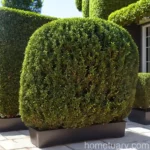
The Versatile Boxwood (Buxus sempervirens ‘Fastigiata’) – A Plant Scientist’s Complete Guide
Boxwood (Buxus sempervirens ‘Fastigiata’) is a versatile and popular plant known for its dense foliage, compact growth habit, and ornamental appeal. As a plant scientist with a passion for understanding and cultivating diverse plant species, I find the boxwood to be an intriguing subject of study. In this comprehensive guide, we will explore the various aspects of boxwood cultivation, including its culture, uses, maintenance, potential diseases and pests, as well as tips and fun facts that every plant enthusiast should know.
What is Boxwood?
Boxwood, scientifically known as Buxus sempervirens ‘Fastigiata’, is a species of evergreen shrub belonging to the Buxaceae family. It is characterized by its dense and compact growth, making it an ideal choice for hedges, topiaries, and ornamental landscaping. The ‘Fastigiata’ variety specifically refers to its narrow, columnar growth habit, adding to its attractiveness as a landscaping feature.
Key Takeaways – Boxwood (Buxus sempervirens ‘Fastigiata’)
Let’s briefly overview the key takeaways before we delve deeper into each aspect:
- Culture: Understanding the cultural requirements for successful boxwood cultivation.
- Uses: Exploring the versatile uses of boxwood in landscaping and ornamental gardening.
- Water: Identifying the optimal watering practices for boxwood maintenance and growth.
- Sunlight: Understanding the sunlight preferences of boxwood for healthy development.
- Fertilizer: Learning about the fertilization needs of boxwood to support its vitality.
- Soil: Exploring the preferred soil conditions for growing boxwood.
- Pruning: Mastering the art of pruning to maintain the desired shape and density of boxwood.
- Propagation: Discovering the methods for propagating boxwood to expand its presence.
- Container Popularity: Exploring the suitability of boxwood for container gardening and its popularity in such settings.
- Common Diseases: Identifying prevalent diseases and understanding their diagnosis for effective management.
- Common Pests: Recognizing common pests that may affect boxwood and methods to address potential infestations.
Now, let’s dive into a detailed exploration of each of these factors for successful boxwood cultivation.
Culture
The successful cultivation of boxwood requires an understanding of its cultural requirements, including its water, sunlight, soil, and fertilization needs. By accommodating these requirements, you can ensure the healthy growth and longevity of your boxwood plants.
Water
Proper watering is essential for the health and vitality of boxwood plants. While boxwood is adaptable to various soil conditions, it thrives in well-drained soil. Overly wet or waterlogged soil can lead to root rot and other water-related issues. Conversely, insufficient watering can cause stress and lead to foliage discoloration and wilting.
Key Points for Watering Boxwood:
- Consistent Moisture: Boxwood plants prefer consistently moist, but not waterlogged, soil. Ensure that the soil remains evenly moist during the growing season, especially in hot and dry conditions.
- Avoid Drought Stress: To prevent drought stress, particularly in young boxwood plants, regular watering during dry periods is crucial for their establishment and sustained growth.
- Mulching: Applying a layer of organic mulch around the base of boxwood plants helps to retain soil moisture and regulate temperature, promoting a healthy root environment.
Understanding the specific water needs of your boxwood plants based on local climate conditions is crucial for their overall health and vigor. By maintaining optimal soil moisture levels, you can promote lush foliage and robust growth in your boxwood plants.
Sunlight
Boxwood plants exhibit a versatile nature when it comes to sunlight requirements. While they generally thrive in partial shade to full sun conditions, their adaptability allows them to tolerate varying light intensities.
Considerations for Sunlight Exposure:
- Ideal Conditions: Boxwood plants flourish in locations with partial shade to full sun exposure. They perform well when they receive at least 4 to 6 hours of direct sunlight each day.
- Adaptability: Despite their preference for sunlight, boxwood plants can tolerate partial shade, making them suitable for planting in locations with varying light conditions.
Understanding the sunlight preferences of boxwood plants is essential for planning their placement in your garden or landscape. By providing the appropriate amount of sunlight, you can ensure their healthy development and optimal growth.
Fertilizer
Fertilization plays a vital role in supporting the growth and development of boxwood plants, contributing to their overall vigor and foliage density.
Guidelines for Fertilizing Boxwood:
- Balanced Fertilizer: Use a balanced, slow-release fertilizer specially formulated for woody plants, and apply it in early spring before new growth emerges. This provides the necessary nutrients for the upcoming growing season.
- Avoid Overfeeding: Refrain from over-feeding boxwood plants, as excessive fertilizer application can lead to adverse effects such as foliage burn and nutrient imbalances.
By adhering to a well-planned fertilization regimen, you can promote healthy foliage growth and maintain the overall vitality of your boxwood plants.
Soil
Understanding the soil preferences of boxwood is essential for establishing a favorable growing environment and ensuring the long-term health and vigor of the plants.
Key Soil Considerations for Boxwood:
- Well-Drained Soil: Boxwood plants thrive in well-drained soil with good aeration. Avoid waterlogged or compacted soil, as it can lead to root issues and hinder overall plant health.
- Soil pH: Boxwood plants prefer slightly acidic to slightly alkaline soil with a pH range of 6.5 to 7.5. Soil testing can help determine the pH levels and guide any necessary adjustments for optimal growth.
By providing the appropriate soil conditions, you can create an optimal growing environment for your boxwood plants, contributing to their overall health and longevity.
Pruning
Pruning is an essential aspect of boxwood maintenance, allowing you to shape and control the growth of the plants while maintaining their desired form and density.
Pruning Techniques for Boxwood:
- Regular Maintenance: Perform regular pruning to maintain the desired shape and density of boxwood plants. This can be done throughout the growing season, as needed, to remove any excessive growth or to refine the plant’s appearance.
- Thinning Out: Thinning out boxwood shrubs by selectively removing older branches and excess growth helps to improve air circulation and promote healthier foliage.
- Seasonal Pruning: Conduct major pruning sessions in early spring to remove any damaged or dead branches and shape the plants for the upcoming growing season.
Mastering the art of pruning is essential for shaping and maintaining the aesthetic appeal of boxwood plants, contributing to their overall landscape value.
Propagation
For those looking to expand their boxwood collection or propagate new plants, understanding the various propagation methods is crucial for successful plant establishment and growth.
Propagation Techniques for Boxwood:
- Stem Cuttings: Propagate boxwood plants from semi-hardwood stem cuttings taken in late summer or early autumn. Ensure that the cuttings have several leaf nodes and propagate them in a moist, well-draining rooting medium.
- Root Cuttings: Boxwood plants can also be propagated from root cuttings. Select healthy roots and propagate them in a suitable rooting medium to establish new plants.
By successfully propagating boxwood plants, you can expand your collection and create new plantings, further enhancing the ornamental appeal of your garden or landscape.
Uses
The versatility of boxwood plants makes them highly sought after for various landscaping and ornamental purposes. From formal hedges to topiaries and container plantings, boxwood plants offer a wide range of uses for both residential and commercial settings.
Versatile Uses of Boxwood:
- Formal Hedges: Boxwood is a popular choice for creating formal hedges due to its dense growth habit and ease of maintenance. It can be shaped and pruned to create intricate patterns and designs, adding an elegant touch to landscapes.
- Topiaries: Boxwood’s compact growth and malleable nature make it ideal for creating topiaries of various shapes and sizes, adding sculptural appeal to garden spaces.
- Container Plantings: Boxwood plants are well-suited for container gardening, making them an excellent choice for adorning patios, decks, and entranceways.
The ornamental versatility of boxwood plants makes them a staple in landscape design, offering numerous creative possibilities for enhancing outdoor spaces.
Common Diseases and Pests
Despite their resilience, boxwood plants are susceptible to certain diseases and pest infestations. Understanding these potential issues and their management is essential for preserving the health and vigor of boxwood specimens.
Disease Diagnosis:
Boxwood Blight (Calonectria pseudonaviculata)
- Symptoms: Look for dark brown or black lesions on the leaves, stem dieback, and leaf drop. These can be signs of boxwood blight, a fungal disease.
Volutella Blight (Pseudonectria buxi)
- Symptoms: Watch for pinkish spore masses or large brown spots on the leaves, indicating volutella blight, another fungal disease common in boxwood.
Management Strategies:
- Cultural Practices: Practice good sanitation by removing and disposing of affected plant material. Avoid overhead watering and promote good air circulation to reduce disease pressure.
- Fungicidal Treatments: In severe cases, fungicidal treatments may be necessary to manage fungal diseases and prevent their spread.
Common Pests:
Boxwood Leafminer (Monarthropalpus flavus)
- Symptoms: Look for blister-like areas on the leaves, indicating the presence of boxwood leafminer larvae within the leaf tissues.
Boxwood Psyllid (Psylla buxi)
- Symptoms: Watch for distorted and discolored new growth, a common sign of boxwood psyllid infestations.
Pest Management:
- Pruning and Removal: Prune and remove infested plant parts to reduce pest populations and limit their impact on boxwood plants.
- Insecticidal Treatments: In severe infestations, targeted insecticidal treatments can be used to manage pest populations and prevent further damage.
By staying vigilant and promptly addressing any signs of diseases or pests, you can effectively manage these challenges and maintain the health and appearance of your boxwood plants.
Botanist’s Tips
As a plant scientist with a keen interest in boxwood cultivation, I’ve gathered some valuable tips to help enthusiasts successfully grow and maintain these versatile plants:
Botanist’s Tips for Boxwood Cultivation:
- Regular Monitoring: Conduct regular inspections to identify any signs of diseases, pests, or nutrient deficiencies, allowing for timely intervention and management.
- Practical Pruning: When pruning boxwood plants, avoid cutting into old wood excessively, as it may hinder new growth and overall plant health.
- Balanced Nutrition: Maintain a balanced fertilization regimen to provide essential nutrients for healthy growth and sustained vigor of boxwood plants.
Fun Facts
Before concluding this comprehensive guide, let’s explore some fascinating fun facts about boxwood that add to its allure and appeal:
Intriguing Fun Facts about Boxwood:
- Historical Significance: Boxwood has been used for centuries in woodworking, especially for crafting intricate carvings and decorative items.
- Symbolism: Boxwood has been associated with traditional symbolism, representing qualities such as strength, resilience, and longevity.
- Fragrance: When crushed or bruised, boxwood leaves emit a pleasant, distinctive fragrance, adding to their sensory appeal.
Links to External Resources
For further exploration of boxwood cultivation, maintenance, and landscape use, I recommend referring to the following resources:
- The American Boxwood Society: https://www.boxwoodsociety.org/
- The Royal Horticultural Society – Boxwood: https://www.rhs.org.uk/plants/15472/i-buxus-i-/-i-boxwood-i/details
- University of Maryland Extension – Boxwood: [https://extension.umd.edu/hgic/topics/boxwood/#:~:text=Boxwood%20(Buxus%20spp.)](https://extension.umd.edu/hgic/topics/boxwood/#:~:text=Boxwood%20(Buxus%20spp.)
In conclusion, the boxwood (Buxus sempervirens ‘Fastigiata’) is a remarkable plant species that offers ornamental versatility and aesthetic appeal in various garden and landscape settings. By understanding its cultural needs, maintenance practices, potential challenges, and creative uses, enthusiasts can further appreciate and successfully cultivate this timeless and elegant plant.
Remember, in the world of plants, every species has a story to tell and a unique role to play in nature’s grand tapestry. The journey of understanding and nurturing them is a deeply rewarding experience, offering insights into the wonders of the natural world and the intricate relationships between plants and people. Happy gardening!