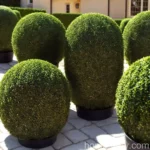
Plant Scientist’s Guide to Boxwood (Buxus ‘Green Mound’)
Introduction
As a plant scientist, I am excited to share insights and expertise regarding the popular shrub, boxwood (Buxus ‘Green Mound’). Boxwoods are lauded for their versatility, resilience, and ornamental appeal. In this comprehensive guide, we will delve into the care, uses, maintenance, and interesting facts about boxwood. Whether you are a seasoned gardener or a novice enthusiast, this guide will provide valuable information to help you cultivate and appreciate this charming evergreen.
What is Boxwood (Buxus ‘Green Mound’)?
Before delving into the details of caring for Buxus ‘Green Mound’, let’s establish a foundational understanding of what boxwood is. Boxwood refers to a group of evergreen shrubs and small trees belonging to the Buxaceae family. Their botanical name, Buxus, encompasses a diverse range of species and cultivars that are prized for their dense foliage, compact growth habit, and adaptability to various landscaping settings.
Key Takeaways – Boxwood (Buxus ‘Green Mound’)
Before we delve into specific care instructions, here’s a quick overview of key takeaways for Buxus ‘Green Mound’:
- Scientific Name: Buxus ‘Green Mound’ (part of the Buxus sempervirens species)
- Water: Regular watering, particularly during dry spells
- Sunlight: Partial shade to full sun
- Fertilizer: Balanced fertilizer application in spring
- Soil: Well-drained, moderately fertile soil
- Pruning: Regular pruning to maintain shape and size
- Propagation: Stem cuttings or division
- Container Popularity: Well-suited for container gardening
- Common Diseases: Leaf spot, root rot
- Common Pests: Boxwood leafminer, mites
- Fun Facts: Valued for its historical significance and use in traditional topiary designs
Boxwood Culture
Understanding the cultural requirements of boxwood is essential for fostering healthy growth and vibrant foliage. Let’s explore the key aspects of boxwood culture, including its preferred watering regimen, sunlight needs, fertilizer application, and soil requirements.
Water
Adequate moisture is crucial for the health and vigor of boxwood shrubs. While boxwoods are relatively drought-tolerant once established, consistent watering is essential, especially during the dry, summer months. Here are some guidelines for watering Buxus ‘Green Mound’:
- Young Plants: Newly planted boxwoods require regular watering to facilitate root establishment. Ensure that the soil around the plant remains evenly moist, but not waterlogged.
- Established Plants: Once established, boxwoods benefit from deep, infrequent watering rather than frequent shallow watering. This encourages the development of a deep and robust root system.
Sunlight
Boxwoods exhibit a versatile attitude towards sunlight, thriving in both partial shade and full sun. The adaptability of boxwoods makes them suitable for a variety of landscaping settings, from sun-drenched areas to partially shaded corners of the garden. However, while they can tolerate shade, it is essential to ensure that they receive an adequate amount of sunlight to support healthy growth and maintain their characteristic dense foliage.
Fertilizer
Fertilization plays a critical role in promoting the growth and vibrancy of boxwood shrubs. Applying a balanced, slow-release fertilizer in the early spring provides essential nutrients to support healthy foliage and robust growth. When selecting a fertilizer for boxwoods, look for a formulation with a balanced NPK ratio, such as 10-10-10 or 12-12-12, to provide a well-rounded nutritional boost.
Soil
Boxwoods thrive in well-drained, moderately fertile soil. When planting or transplanting boxwoods, it is crucial to ensure that the soil is well-drained to prevent waterlogging, which can lead to root rot and other complications. Additionally, incorporating organic matter, such as compost or well-rotted manure, into the soil can enhance its fertility and promote optimal growth conditions for Buxus ‘Green Mound’.
|Water | Sunlight|Fertilizer | Soil|Pruning |Propagtion |Container |
|——————————————————————————–|
|Regular watering| Partial shade to full sun| Balanced fertilizer application in spring | Well-drained, moderately fertile soil| Regular pruning to maintain shape and size| Stem cuttings or division| Well-suited for container gardening|
Boxwood Uses
Boxwoods are cherished for their multifaceted utility in landscaping and garden design. Whether utilized as formal hedges, topiary specimens, or standalone accents, boxwoods offer a myriad of practical and aesthetic applications. By understanding the diverse uses of Buxus ‘Green Mound’, you can leverage its versatility to enrich the visual appeal and structure of your garden or landscape.
Landscape Design
Boxwoods are renowned for their versatility and lend themselves to a plethora of landscape design applications. These versatile shrubs can be shaped into traditional hedges, parterres, knot gardens, and geometric topiaries, adding a touch of formal elegance to the landscape. Moreover, they serve as excellent accents when planted in containers and can seamlessly integrate with a variety of perennial and annual companions, offering endless possibilities for creative landscape compositions.
Formal Hedges
Boxwoods are highly valued for their capacity to form dense, evergreen hedges that define borders, create partitions, and offer privacy in outdoor spaces. Their compact growth habit and tolerance to regular pruning make them an ideal choice for maintaining precisely trimmed formal hedges, which can impart a timeless and structured aesthetic to garden landscapes.
Topiary Specimens
The malleable nature of boxwood foliage makes it an exceptional candidate for topiary designs, where plants are sculpted into intricate shapes and forms. Whether crafted into classical geometric shapes or whimsical animal figures, boxwood topiaries add an element of artistry and sophistication to gardens, courtyards, and formal landscapes.
Standalone Accents
Buxus ‘Green Mound’ can also shine as a standalone accent in the garden, adding a touch of evergreen elegance to borders, entryways, and patios. Its compact size and neat, rounded form make it a versatile choice for enhancing the aesthetic appeal of both formal and informal garden settings.
|Landscape Design| Formal Hedges|Topiary Specimens| Standalone Accents |
|—————————————————————————————————|
|Boxwoods for landscaping applications|Ideal choice for maintaining formally trimmed hedges|Excellent candidate for topiary designs|Shine as a standalone accent in the garden|
Boxwood Maintenance
Consistent maintenance practices are essential for ensuring the health, vigor, and aesthetic appeal of boxwood shrubs. From pruning to disease management, diligent maintenance efforts can help preserve the beauty and functionality of Buxus ‘Green Mound’ in the landscape. Let’s explore the key maintenance practices that are integral to nurturing healthy and thriving boxwoods.
Pruning
Regular pruning is a fundamental aspect of boxwood maintenance, serving to retain the desired shape, size, and density of the shrub. When pruning boxwoods, it is essential to utilize sharp and clean pruning tools to achieve precise cuts and minimize the risk of damaging the plant. Here are some essential tips for boxwood pruning:
- Pruning Frequency: Boxwoods benefit from regular pruning, typically conducted in late spring or early summer, to remove excessive growth and maintain the desired form. Additionally, light shearing can be performed in late summer or early fall to tidy up the shrub and promote compact growth.
- Pruning Techniques: Utilize hand pruners or hedge shears to clip the outer layer of foliage, ensuring that the inner branches receive adequate sunlight and air circulation. When shaping boxwood hedges, consider using taut strings or frames to maintain precise lines and angles during pruning.
Disease Management
Boxwoods are susceptible to certain diseases, including leaf spot and root rot, which can compromise their health and aesthetics if left unaddressed. To effectively manage and prevent these common diseases, it is crucial to implement proactive measures and timely interventions. Here are some steps to mitigate boxwood diseases:
Disease Diagnosis
Before implementing a treatment plan, it is important to accurately diagnose the specific disease affecting the boxwood. Leaf spot, caused by fungal pathogens, typically manifests as small, dark spots on the leaves, eventually leading to browning and premature leaf drop. Root rot, on the other hand, results in yellowing or wilting of foliage, often accompanied by stunted growth and a weakened root system. Carefully inspecting the plant for symptoms and, if necessary, seeking professional assistance can aid in accurate disease diagnosis.
Common Diseases
Let’s take a closer look at the common diseases that can afflict boxwood shrubs:
-
Leaf Spot: Leaf spot, caused by various fungal pathogens, leads to the development of dark, circular spots on the foliage, which can gradually expand and merge, resulting in widespread browning and defoliation. Leaf spot can be exacerbated by prolonged periods of moisture and humidity, making proper air circulation and watering practices essential for prevention.
-
Root Rot: Root rot, often attributed to waterlogged or poorly drained soil conditions, can compromise the health of boxwood roots, leading to yellowing, wilting, and eventual decline of the plant. In advanced stages, root rot can cause significant damage to the root system, hindering the plant’s ability to absorb water and nutrients.
Disease Management
Implementing proactive measures and timely interventions is key to managing common boxwood diseases. Here are essential strategies for disease management:
- Cultural Practices: Promote good air circulation by spacing boxwoods adequately and avoiding overhead watering, which can create conditions conducive to disease development. Additionally, ensure proper soil drainage to prevent waterlogging and mitigate the risk of root rot.
- Pruning Practices: Prune boxwoods to enhance airflow and sunlight penetration, reducing the likelihood of fungal diseases such as leaf spot. Remove and dispose of infected foliage and branches to prevent the spread of disease within the plant.
- Fungicidal Treatments: If disease pressure is high or recurring, consider applying fungicidal treatments according to label instructions to suppress fungal pathogens and protect the health of boxwood shrubs.
Common Pests
In addition to diseases, boxwood shrubs are susceptible to certain pests that can compromise their health and aesthetic appeal. Understanding the common pests that target boxwoods and implementing effective pest management strategies are crucial for safeguarding the well-being of Buxus ‘Green Mound’.
Boxwood Leafminer
Boxwood leafminer, the larval stage of certain insects in the genus Monarthropalpus, can inflict damage to boxwood foliage by tunneling within the leaves, resulting in characteristic blotchy patterns and browning. Early detection and intervention are essential for limiting the impact of boxwood leafminers. Here are some measures to combat this pest:
- Monitoring: Regularly inspect boxwood foliage for signs of leafminer activity, characterized by serpentine tunnels and discolored patches on the leaves.
- Cultural Practices: Maintain plant health through proper watering and fertilization to enhance its resilience against pest infestations. Additionally, consider promoting natural predators, such as parasitic wasps, which target boxwood leafminer larvae.
- Pesticidal Treatments: If pest pressure is severe, consider applying targeted insecticides during the adult leafminer emergence period, following product labels and guidelines for optimal efficacy and minimal impact on beneficial organisms.
Mites
Mites, including spider mites, are another common pest that can affect the health of boxwood shrubs. These tiny arachnids pierce the plant tissues, extracting sap and causing stippling, bronzing, and distortion of the foliage. To mitigate mite infestations, consider the following strategies:
- Cultural Practices: Regularly wash boxwood foliage with a strong jet of water to dislodge and reduce mite populations. Additionally, maintaining adequate humidity levels and avoiding drought stress can discourage mite activity.
- Biological Control: Introducing predatory mites, such as Phytoseiulus persimilis, can serve as a natural means of controlling mite populations and preventing extensive damage to boxwoods.
- Acaricidal Treatments: In cases of severe infestation, targeted applications of acaricides, such as horticultural oils or insecticidal soaps, can offer effective control of mites while minimizing adverse effects on beneficial organisms.
By understanding the pest pressures that boxwoods may encounter and employing comprehensive pest management strategies, gardeners can safeguard the vitality and aesthetics of Buxus ‘Green Mound’.
|Disease Diagnosis|Common Diseases |Disease Management| Common Pests|
|————————————————————————————————————- |
|Before implementing a treatment plan, it is important to accurately diagnose the specific disease affecting the boxwood| Let’s take a closer look at the common diseases that can afflict boxwood shrubs|Implementing proactive measures and timely interventions is key to managing common boxwood diseases| In addition to diseases, boxwood shrubs are susceptible to certain pests that can compromise their health and aesthetic appeal|
Botanist’s Tips
As a plant scientist with a passion for boxwoods, I am delighted to share some insightful tips to enhance your understanding of Buxus ‘Green Mound’ and optimize its cultivation in your garden or landscape. These botanist’s tips encompass essential care practices, creative applications, and fascinating facts about boxwood shrubs that can enrich your horticultural experience.
Soil Requirements
When selecting a planting site for boxwoods, prioritize well-drained soil with a slightly acidic to neutral pH range (pH 6.5-7.5). Incorporating ample organic matter into the soil can improve its structure and fertility, providing an optimal growing medium for Buxus ‘Green Mound’.
Sunlight Needs
While boxwoods tolerate partial shade, ensuring adequate sunlight exposure is critical for promoting robust growth and maintaining healthy foliage. When incorporating boxwoods into the landscape, aim to position them in locations that receive at least 4-6 hours of direct sunlight daily for optimal performance.
Pruning Techniques
When pruning boxwoods, aim to maintain a natural and rounded form, avoiding harsh, angular cuts that can detract from the plant’s aesthetic appeal. Utilize sharp pruning tools and periodically sanitize them to minimize the risk of spreading diseases among boxwoods during pruning activities.
Creative Landscaping Ideas
Harness the unparalleled versatility of boxwoods by creatively integrating them into landscape designs. Consider using boxwoods to delineate garden borders, form sculptural topiaries, or accentuate the architectural elements of your outdoor space, adding a touch of timeless beauty and structure.
Fun Facts
Boxwoods boast a rich history and significance in horticulture and beyond. In addition to their ornamental value, boxwoods have been utilized historically for crafting musical instruments, such as woodwind instruments and chess pieces, owing to the durability and fine texture of their wood. Furthermore, boxwoods have been emblematic in traditional topiary gardens, showcasing the artistry and ingenuity of shaping plants into intricate designs and forms.
By incorporating these botanist’s tips into your approach to caring for and utilizing boxwood (Buxus ‘Green Mound’), you can elevate the cultivation and appreciation of this beloved evergreen shrub.
Links to External Resources
To further expand your knowledge and explore additional insights into boxwood care and cultivation, consider delving into the following external resources:
-
American Boxwood Society: The American Boxwood Society provides valuable information, resources, and community connections for enthusiasts and professionals interested in cultivating and preserving boxwood species.
-
Royal Horticultural Society: Boxwood Diseases: Enhance your understanding of common boxwood diseases, their identification, and management strategies through the Royal Horticultural Society’s informative resources.
-
University of Maryland Extension: Boxwood Care: Access comprehensive guidance on boxwood care, pruning, maintenance, and pest management from the University of Maryland Extension to optimize the health and appearance of your boxwood shrubs.
-
Mississippi State University Extension: Boxwood Landscaping: Gain valuable insights into the versatile landscaping applications of boxwoods and their creative potential in outdoor environments through the resources provided by Mississippi State University Extension.
-
Missouri Botanical Garden: Buxus sempervirens ‘Green Mound’: Explore detailed botanical information and cultivation guidelines specific to Buxus sempervirens ‘Green Mound’, further enriching your understanding of this particular boxwood cultivar.
By leveraging these external resources, you can access a wealth of knowledge and insights to support your journey in cultivating, maintaining, and appreciating boxwood (Buxus ‘Green Mound’) within your garden or landscape.
As a plant scientist, I am immensely passionate about advocating for the cultivation and preservation of boxwoods, given their historic significance, aesthetic allure, and inherent resilience. By embracing the information and guidance presented in this comprehensive guide, I trust that you will be empowered to foster thriving boxwood shrubs and derive immense joy from their enduring beauty and captivating charm in your outdoor spaces. Happy gardening, and may your boxwoods flourish in all their verdant splendor!