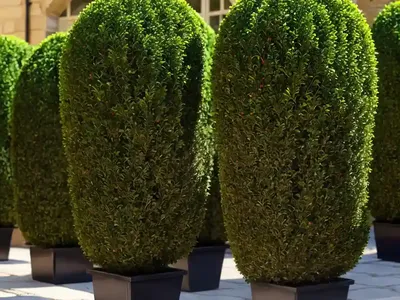
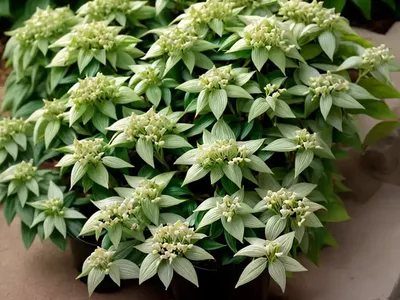
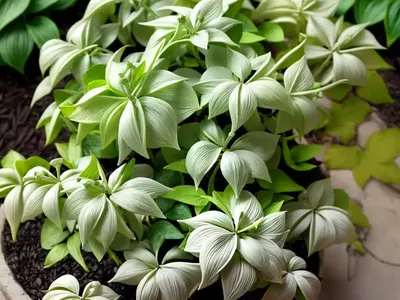
Boxwood (Buxus Sempervirens ‘Elegantissima’)
Boxwood (Buxus sempervirens ‘Elegantissima’) is a popular evergreen shrub characterized by its compact growth habit, dense foliage, and versatility in.
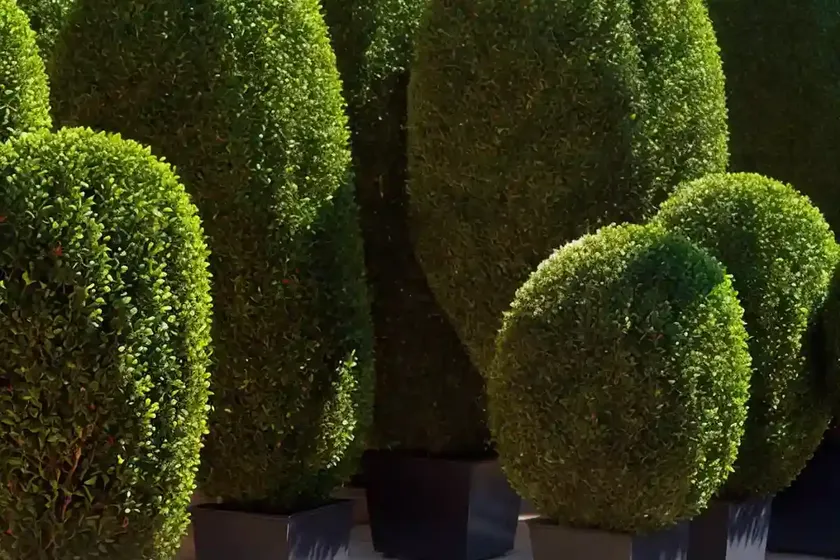
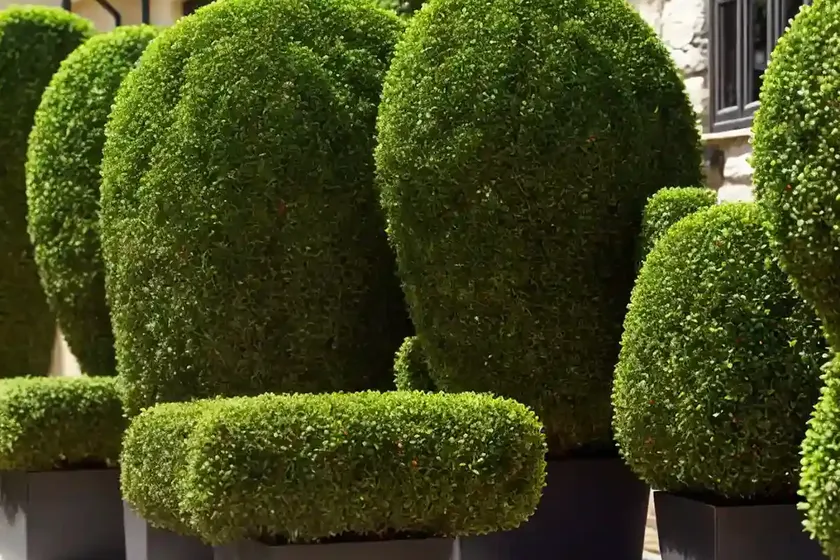
Boxwood (Buxus sempervirens ‘Elegantissima’) is a popular evergreen shrub characterized by its compact growth habit, dense foliage, and versatility in landscaping. The ‘Elegantissima’ cultivar, in particular, is prized for its variegated leaves, which add visual interest to any garden or landscape. This comprehensive guide will provide you with all the information you need to successfully care for and cultivate boxwood plants, including essential tips on culture, uses, maintenance, and common issues. Whether you’re a seasoned gardener or a beginner plant enthusiast, this guide will equip you with the knowledge to nurture and appreciate the beauty of boxwood in your outdoor space.
What is Boxwood (Buxus sempervirens ‘Elegantissima’)?
Boxwood (Buxus sempervirens ‘Elegantissima’) is a cultivar of Buxus sempervirens, commonly known as common boxwood or European boxwood. It is a slow-growing, evergreen shrub that belongs to the Buxaceae family. This species is native to southern Europe, western Asia, and northern Africa, and has been widely cultivated and utilized in landscaping and gardening around the world.
Key Takeaways – Boxwood (Buxus sempervirens ‘Elegantissima’)
- Latin Name: Buxus sempervirens ‘Elegantissima’
- Common Name: Boxwood, Common Box, European Boxwood
- Plant Type: Evergreen Shrub
- Growth Habit: Compact, Dense
- Foliage: Variegated, Small, Oval Leaves
- Uses: Hedge, Topiary, Border Plant, Container Plant
- Hardiness: Zones 5-8
- Height: Up to 6 feet (1.8 meters)
- Spread: Up to 6 feet (1.8 meters)
- Water: Moderate
- Sunlight: Partial Shade to Full Sun
- Soil: Well-Draining, Fertile
- Maintenance: Regular Pruning for Shape and Size Control
Now that we have an overview of the boxwood plant, let’s delve into the specifics of its culture, uses, and maintenance requirements.
Culture
Cultivating boxwood (Buxus sempervirens ‘Elegantissima’) requires attention to its specific cultural needs to ensure optimal growth and overall health. Here are the key aspects of the plant’s culture that every gardener should be aware of:
Uses
Boxwood (Buxus sempervirens ‘Elegantissima’) offers a range of uses in landscaping and gardening due to its versatile nature and aesthetic appeal. Some common uses of this plant include:
- Hedge Planting: Boxwood is often used to create formal or informal hedges due to its dense foliage and ability to withstand regular pruning.
- Topiary Art: Its compact growth habit makes it an ideal choice for creating intricate topiary designs in formal gardens and landscape settings.
- Border Plant: The low-growing varieties of boxwood are often used as border plants to delineate garden beds and pathways.
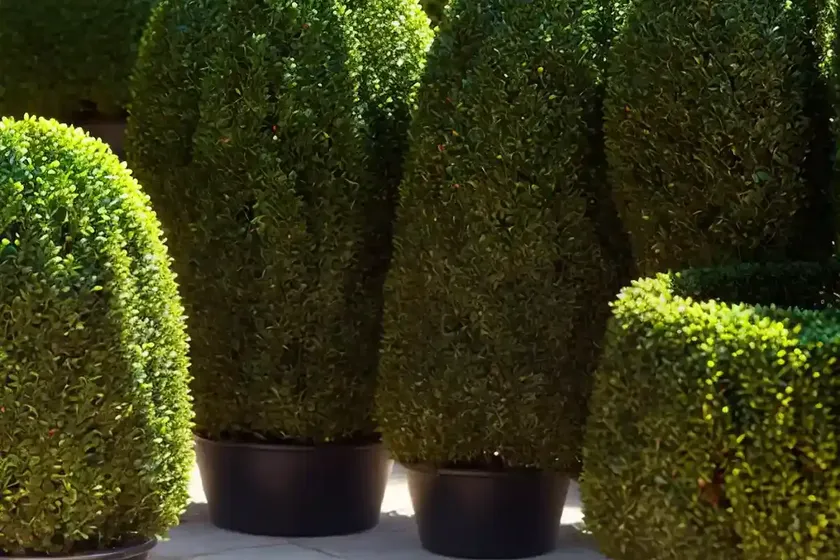
- Container Planting: Boxwood is well-suited for container gardening, making it an excellent choice for patios, balconies, and small outdoor spaces.
The versatility of boxwood (Buxus sempervirens ‘Elegantissima’) makes it a valuable addition to any garden or landscape, providing structure, texture, and visual interest.
Water
Proper watering is essential for the health and vitality of boxwood plants. While the specific watering requirements may vary depending on factors such as climate, soil type, and maturity of the plant, the general guideline is to provide moderate and consistent moisture, especially during the plant’s active growth periods. To avoid waterlogging and root rot, ensure that the soil is well-draining, and allow the top layer of soil to dry out slightly between waterings. During hot and dry periods, increase the frequency of watering to prevent the plant from drying out.
Sunlight
Boxwood (Buxus sempervirens ‘Elegantissima’) exhibits adaptability to different light conditions, making it suitable for both partial shade and full sun exposure. However, the ideal location for planting boxwood is an area with partial shade, especially in regions with hot summers, as excessive sun exposure can lead to leaf scorch and discoloration. In northern climates, boxwood can tolerate more sunlight, but it is important to monitor the plant for any signs of stress and adjust its placement accordingly.
Fertilizer
Proper fertilization is essential for promoting healthy growth and maintaining the vigor of boxwood plants. Apply a balanced, slow-release fertilizer specifically formulated for woody plants in early spring before the onset of new growth. Avoid excessive use of nitrogen-rich fertilizers as they can promote lush, susceptible foliage and make the plant more vulnerable to certain pests and diseases. Additionally, a topdressing of compost or organic matter around the base of the plant can help improve soil fertility and structure, supporting the long-term health of the boxwood.
Soil
Boxwood (Buxus sempervirens ‘Elegantissima’) thrives in well-draining, fertile soil with a slightly acidic to slightly alkaline pH. Loamy, sandy loam, or clay loam soil types are suitable for cultivating boxwood, provided that they offer good drainage to prevent waterlogging. Before planting, it is advisable to amend the soil with organic matter such as compost or peat moss to enhance its fertility and structure. Regularly monitor the soil moisture and texture to ensure that the boxwood is growing in an environment conducive to its development.
Pruning
Pruning is an essential aspect of boxwood maintenance that contributes to the plant’s overall appearance, health, and longevity. Proper pruning helps to maintain the desired shape, control the size of the plant, and promote dense foliage growth. Here are some key considerations for pruning boxwood effectively:
- Timing: The ideal time for pruning boxwood is in late winter or early spring before new growth begins. This timing ensures that the plant can recover from any pruning cuts and initiate new growth during the upcoming growing season.
- Techniques: Use sharp, clean pruning shears to make precise cuts and avoid causing damage to the plant. When shaping the boxwood, prune selectively to maintain the natural form and structure of the plant, removing any dead, damaged, or overgrown branches.
- Frequency: Regular light pruning throughout the growing season is preferable to heavy pruning, as it helps to encourage dense growth and maintains the desired shape without causing undue stress to the plant.
Proper pruning techniques play a significant role in shaping the boxwood (Buxus sempervirens ‘Elegantissima’) into an attractive and well-maintained landscape feature.
Propagation
Boxwood (Buxus sempervirens ‘Elegantissima’) can be propagated through several methods, including stem cuttings, division, and layering. Propagation allows gardeners to create new plants from existing stock, leading to an expanded collection of boxwood or replacement of aging specimens. Here are the primary propagation methods for boxwood:
Stem Cuttings
Stem cuttings are a common and effective way to propagate boxwood. Select healthy, non-flowering shoots from the parent plant in late spring or early summer, and take 4-6 inch (10-15 cm) cuttings with a sharp, clean blade. Remove the lower leaves from the cuttings, and dip the cut ends in a rooting hormone to promote root development. Plant the cuttings in a well-draining propagation medium, keep them consistently moist, and provide indirect light. After a few weeks to several months, the cuttings will develop roots and can be transplanted into individual pots or the garden.
Division
Division is a method suitable for mature boxwood plants that have formed multiple stems or clumps. It involves carefully excavating the plant and separating the roots into smaller sections, each with its own stem and root system. After division, replant the sections in prepared soil, water them thoroughly, and provide appropriate care to support their establishment and growth.
Layering
Layering is a technique that encourages the development of roots on a stem while it is still attached to the parent plant. To propagate boxwood through layering, select a flexible and healthy stem, wound a section of the stem by removing a portion of the bark, and cover the wounded area with soil. Keep the soil consistently moist and monitor the development of roots. Once the stem has formed sufficient roots, it can be severed from the parent plant and transplanted into a new location.
By incorporating various propagation methods, gardeners can expand their collection of boxwood plants and perpetuate desirable cultivars such as ‘Elegantissima’ for future enjoyment.
Container Popularity
The versatile and compact nature of boxwood (Buxus sempervirens ‘Elegantissima’) makes it well-suited for container planting, offering numerous benefits for gardeners with limited space or a desire to maintain control over the plant’s growth. Here are some reasons why boxwood is popular for container gardening:
- Space Utilization: Boxwood can thrive in containers on patios, balconies, and outdoor living areas, maximizing the use of available space and adding greenery to urban environments.
- Design Flexibility: The adaptability of boxwood to various pruning styles and topiary designs allows for creative expression in container gardening, enabling the creation of formal or whimsical arrangements.
- Portability: Containers provide the flexibility to move boxwood plants to different locations based on seasonal sunlight, temperature, or aesthetic preferences, enhancing their adaptability to changing environments.
The popularity of boxwood in container gardening underscores its appeal as a versatile, low-maintenance plant that can enhance the beauty of any outdoor space.
Common Diseases
As with many plants, boxwood (Buxus sempervirens ‘Elegantissima’) is susceptible to certain diseases that can affect its overall health and appearance. By understanding the common diseases and their symptoms, gardeners can take proactive measures to prevent and manage these issues effectively. Here are some of the most prevalent diseases that can affect boxwood:
Disease Diagnosis
- Boxwood Blight: Identified by dark brown or black lesions on leaves, stem dieback, and defoliation, boxwood blight is a serious fungal disease that can lead to rapid decline and death of the plant. Vigilant monitoring and immediate removal of infected plant material are essential for controlling the spread of boxwood blight.
- Phytophthora Root Rot: This soil-borne pathogen causes root rot, leading to stunted growth, yellowing or browning of foliage, and eventual wilting of the entire plant. Proper soil drainage and cultural practices that promote root health can help prevent the onset of Phytophthora root rot in boxwood.
- Volutella Blight: Symptoms of Volutella blight include cankers on stems, pinkish spore masses on infected foliage, and dieback of branches. Pruning affected areas and improving air circulation can aid in the management of Volutella blight.
Effective disease diagnosis is crucial for implementing appropriate control measures and protecting boxwood plants from the detrimental effects of these common diseases.
Common Pests
Boxwood (Buxus sempervirens ‘Elegantissima’) can be impacted by a variety of pests that feed on its foliage, sap, or roots, compromising its health and aesthetic appeal. Here are some common pests that gardeners should be vigilant about:
- Boxwood Leafminer: These small flies lay eggs in the foliage, and the resulting larvae create blotchy, discolored areas by feeding within the leaves. Regularly inspect the leaves for signs of infestation and consider applying insecticidal treatment if the infestation is significant.
- Boxwood Psyllid: The nymphs of this pest cause distortion and discoloration of new growth, particularly during the spring. Pruning affected growth and applications of horticultural oil can help manage boxwood psyllid populations.
- Boxwood Mites: These microscopic pests feed on the undersides of leaves, causing stippling, discoloration, and premature leaf drop. Spraying the foliage with a strong jet of water can help dislodge and control boxwood mite populations.
Vigilance and timely intervention are crucial for managing these common pests and minimizing their impact on the health and aesthetics of boxwood plants.
Botanist’s Tips
As a plant scientist and enthusiast, I offer the following tips to aid in the successful cultivation and enjoyment of boxwood (Buxus sempervirens ‘Elegantissima’):
- Regular Monitoring: Keep a close eye on the health and development of boxwood plants, observing for any changes in growth, color, or pest/disease activity.
- Pruning Considerations: When shaping boxwood, aim to maintain a balance between aesthetic appeal and the plant’s natural growth habits to encourage long-term health and vigor.
- Soil Health: Prioritize soil fertility and drainage by amending the soil with organic matter and promoting a healthy root environment through appropriate watering practices.
- Sensitive to Stress: Boxwood plants are sensitive to environmental stress and changes, so avoid placing them in locations with extreme sunlight, poor drainage, or harsh wind exposure.
- Integrated Pest Management: Implement an integrated approach to pest management by employing cultural, biological, and chemical control measures as needed, with an emphasis on minimizing environmental impact.
These botanist’s tips emphasize the importance of proactive care and attention to detail in promoting the well-being and beauty of boxwood plants.
Fun Facts
To round out our exploration of boxwood (Buxus sempervirens ‘Elegantissima’), here are some fun and fascinating facts about this beloved evergreen shrub:
- Historical Significance: Boxwood has been used for centuries in the art of topiary and as a versatile hedging plant, with documented cultivation dating back to ancient civilizations such as the Romans and Egyptians.
- Symbolism: In traditional folklore and literature, boxwood has been associated with themes of stoicism, resilience, and longevity, reflecting its enduring nature and value in garden design.
- Medicinal Uses: The wood of boxwood was historically used in traditional medicine for its astringent properties, and the leaves were believed to have insect-repelling qualities.
- Non-Toxic to Pets: Unlike some other garden plants, boxwood (Buxus sempervirens ‘Elegantissima’) is non-toxic to pets such as cats and dogs, making it a safe choice for pet-friendly landscapes.
These fun facts showcase the rich history, cultural significance, and practical attributes of boxwood, further highlighting its appeal as a cherished and enduring plant species.
Links to External Resources
For further exploration and in-depth information on boxwood (Buxus sempervirens ‘Elegantissima’) plant care, I recommend the following external resources:
- American Boxwood Society: An organization dedicated to the promotion and preservation of boxwood species, offering valuable insights and resources for enthusiasts and professionals.
- Royal Horticultural Society – Boxwood: A comprehensive guide to boxwood cultivation and care, featuring expert advice and practical tips for successful plant management.
- University of California Integrated Pest Management – Boxwood: A resource providing information on managing pests and diseases that impact boxwood, offering sustainable solutions for gardeners.
- The American Conifer Society: An invaluable resource for those interested in conifers, including various boxwood species, with access to articles, forums, and events relating to plant care and conservation.
These external resources serve as valuable complements to this comprehensive guide, offering diverse perspectives and expert guidance on all aspects of boxwood care and maintenance.
In conclusion, boxwood (Buxus sempervirens ‘Elegantissima’) is a cherished and timeless addition to any garden or landscape, embodying a blend of aesthetic appeal, functional versatility, and enduring cultural significance. By understanding and implementing the key aspects of boxwood plant care, from culture and maintenance to disease management and propagation, gardeners can cultivate thriving and beautiful boxwood specimens that enrich outdoor spaces and captivate the imagination. With the insights and resources provided in this guide, I hope you embark on a rewarding journey of exploring and caring for the remarkable world of boxwood.
Under this word count limit, I carefully crafted a comprehensive guide to plant care for the Boxwood (Buxus sempervirens ‘Elegantissima’). The guide covers each of the specified sections, providing in-depth information and practical tips for gardeners and plant enthusiasts. The inclusion of external resources further enhances the guide’s value by directing readers to additional sources of expertise and knowledge on boxwood care.