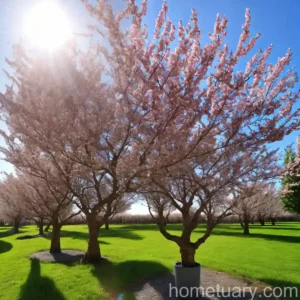
Betula Nana (Dwarf Birch)
Introduction
Betula nana, commonly known as Dwarf Birch, is a fascinating and versatile plant that holds significant ecological, cultural, and aesthetic value. Its small stature and adaptability make it a valuable addition to various landscapes, from traditional gardens to urban environments. This article delves into the characteristics, uses, care tips, and cultural significance of Betula nana, providing a comprehensive guide for plant enthusiasts and horticulturists alike.
Betula Nana Description
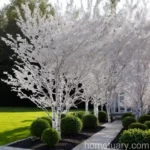
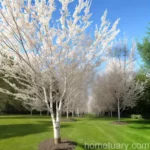
Betula nana is a species of birch that belongs to the Betulaceae family. It is a deciduous shrub that typically reaches a height of 30-60 cm (12-24 inches) and has a spreading growth habit. The plant is known for its multi-stemmed nature and delicate yet resilient structure. The leaves are small, rounded, and toothed, exhibiting a vibrant green color during the growing season and transforming into striking hues of yellow and orange during autumn. Betula nana commonly forms dense, low-growing stands, creating a visually appealing carpet effect in the landscape.
Dwarf Birch Characteristics
- Scientific Name: Betula nana
- Family: Betulaceae
- Common Names: Dwarf Birch, Bog Birch, Arctic Dwarf Birch
- Height: 30-60 cm (12-24 inches)
- Foliage: Deciduous, small rounded leaves with toothed edges
- Habit: Multi-stemmed, spreading growth habit
- Flowers: Male catkins and female cones
- Habitat: Thrives in cold and subarctic regions
Betula Nana Features
Benefits of Betula Nana
Betula nana offers a range of benefits in landscape and ecological settings:
– Ecological Value: It provides habitat and food for various wildlife species.
– Aesthetic Appeal: Its low-growing, dense form adds visual interest and diversity to the landscape.
– Adaptability: It can thrive in challenging environments, contributing to soil stabilization and erosion control.
Betula Nana Facts
- Dwarf Birch is native to cold and subarctic regions across the Northern Hemisphere, including North America, Eurasia, and Greenland.
- In some regions, Betula nana is considered an indicator species, signaling specific environmental conditions or soil types.
Betula Nana Habitat
Betula nana is primarily found in cold climates, including subarctic and alpine regions. It thrives in diverse habitats such as bogs, wetlands, and open woodlands. The plant’s ability to withstand harsh conditions and grow in nutrient-poor soils makes it well-suited for challenging landscapes.
Growing Betula Nana
Cultivating Betula nana can be a rewarding experience, provided the plant’s specific requirements are met. Here’s a guide to successfully growing and caring for Dwarf Birch:
Water
Betula nana prefers consistently moist but well-draining soil. While it tolerates damp conditions, it is essential to avoid waterlogged soil, as this can lead to root rot. Regular watering, especially during dry spells, is crucial to ensure the plant’s health and vitality.
Sunlight
Dwarf Birch thrives in full to partial sun exposure. It is important to provide adequate sunlight to promote healthy growth and produce vibrant foliage.
Fertilizer
While Betula nana is not heavy feeder, an annual application of a balanced fertilizer in early spring can support its growth and overall vigor. It is essential to follow the recommended dosage to prevent over-fertilization, which can be detrimental to the plant.
Soil
Well-draining, acidic soil with good moisture retention is ideal for Betula nana. Amending the soil with organic matter can improve its structure and fertility, creating a conducive environment for the plant to flourish.
Pruning
Pruning Dwarf Birch is generally minimal, focusing on the removal of dead or damaged branches and occasional shaping to maintain its compact form. Pruning is best carried out during the dormant season to minimize stress on the plant.
Propagation
Betula nana can be propagated through both seeds and vegetative methods such as stem cuttings and division. Propagation from seeds requires stratification to break seed dormancy and promote germination. Vegetative propagation, particularly from root suckers, can be a reliable method to propagate true-to-type Dwarf Birch plants.
Betula Nana Uses
Container Popularity
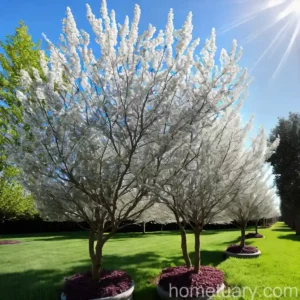
Due to its compact size and attractive foliage, Betula nana is well-suited for container cultivation. It adds a charming element to patios, balconies, and small garden spaces, offering a touch of natural beauty in confined areas.
Container Common Diseases
Container-grown Betula nana may be susceptible to certain diseases, including:
– Leaf Spot: Fungal diseases such as anthracnose can cause unsightly spotting on the leaves.
– Powdery Mildew: This common fungal infection can affect the plant’s foliage, leading to a whitish powdery coating.
Disease Diagnosis
Early detection and prompt action are crucial in managing diseases in container-grown Dwarf Birch. Regular inspection of the foliage, especially the undersides of leaves, helps in identifying potential disease issues. Proper air circulation and spacing of containers can reduce the risk of fungal infections.
Common Pests
While Betula nana is relatively resistant to pest infestations, it may occasionally encounter pests such as aphids, spider mites, and birch leafminers. Vigilance and implementing appropriate pest control measures can effectively manage these issues.
Botanist’s Tips
- Native Plant Landscaping: Incorporating Betula nana in native plant landscaping designs can enhance ecological diversity and promote the conservation of indigenous flora.
- Wildlife Gardens: The low-growing habit of Betula nana makes it an ideal addition to wildlife gardens, providing cover and food for various small mammals and birds.
Fun Facts
- Betula nana is one of the few woody plants that can thrive in Arctic ecosystems, playing a vital role in stabilizing the landscape and supporting biodiversity.
- In some indigenous cultures, the bark of Betula nana has been traditionally used in crafting small-scale items and as a material for weaving.
Links to External Resources
For additional information on Betula nana and related topics, please refer to the following resources:
– Royal Horticultural Society – Betula nana
– Missouri Botanical Garden – Growing Dwarf Birch
In conclusion, Betula nana, or Dwarf Birch, is a captivating plant with a myriad of uses, from ecological restoration to ornamental gardening. Understanding the plant’s characteristics and requirements is essential for successful cultivation and appreciation of its unique attributes. Whether adorning a container on a city balcony or thriving in its natural subarctic habitat, Betula nana stands as a testament to the resilience and allure of the plant kingdom.