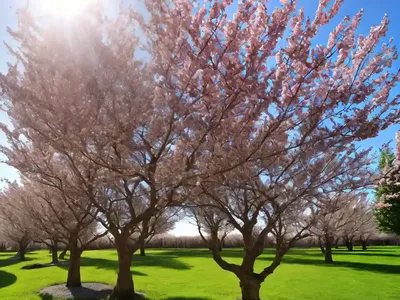
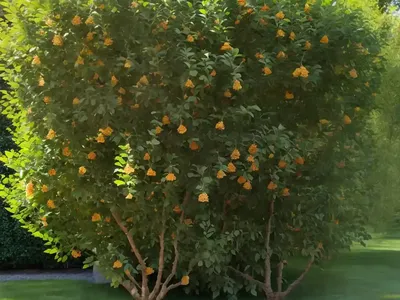
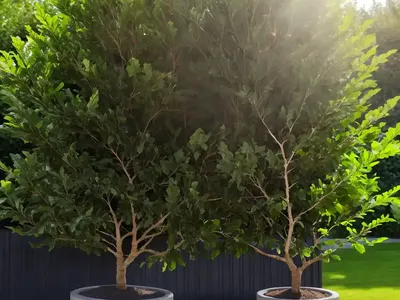
Grey Alder (Alnus Incana)
The Grey Alder, scientifically known as Alnus Incana, is an impressive deciduous tree species that boasts a wide range of uses and benefits. This plant is.
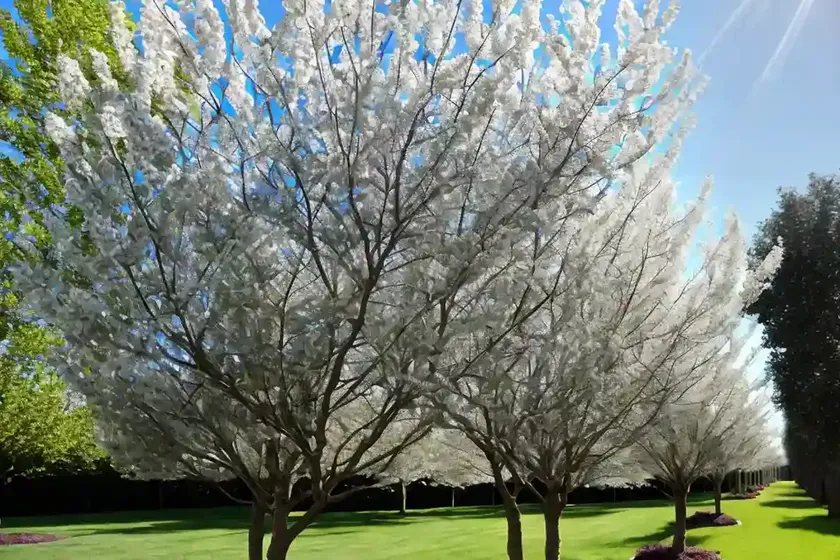
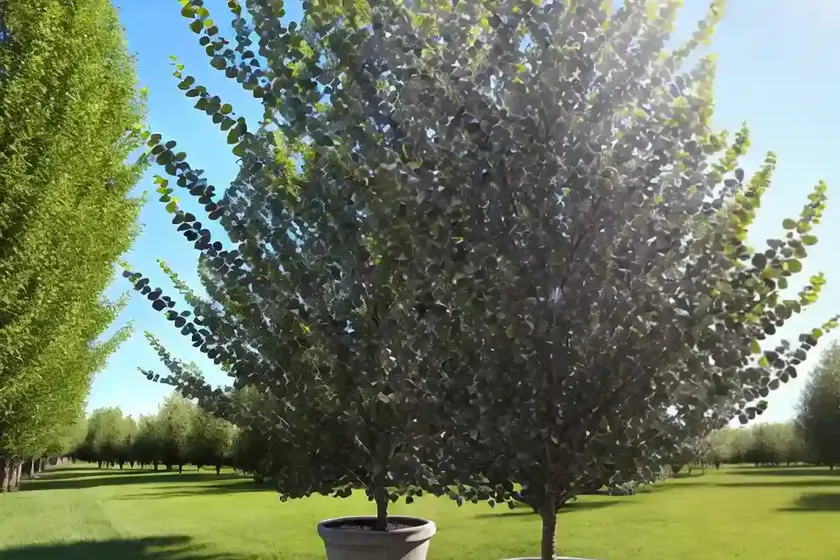

The Grey Alder, scientifically known as Alnus Incana, is an impressive deciduous tree species that boasts a wide range of uses and benefits. This plant is a valuable member of many ecosystems, providing essential habitat and support for various forms of wildlife. In this comprehensive guide, we will delve into the various aspects of the Grey Alder, including its characteristics, cultivation, uses, maintenance, and much more.
What is Grey Alder (Alnus Incana)?
The Grey Alder, or Alnus Incana, belongs to the Betulaceae family and is native to Europe, Asia, and North Africa. It is a medium-sized tree that typically grows to a height of 15-25 meters. The species is known for its ecological significance and uses in various sectors, including landscaping, conservation, and horticulture.
Key Takeaways – Grey Alder (Alnus Incana)
Before delving into the detailed aspects of the Grey Alder, let’s outline some key takeaways about this impressive plant:
- Common Name: Grey Alder
- Scientific Name: Alnus Incana
- Family: Betulaceae
- Habitat: Native to Europe, Asia, and North Africa
- Growth: Medium-sized tree, reaching a height of 15-25 meters
- Uses: Landscaping, wildlife support, eco-friendly practices
- Attributes: Deciduous, carbon sequestration, water purification
Now that we have a general overview of the Grey Alder, let’s explore the specific aspects related to its culture, uses, and care requirements.
Culture of Grey Alder (Alnus Incana)
Cultivating the Grey Alder requires an understanding of its habitat preferences, growth patterns, and maintenance needs. By incorporating the appropriate cultural practices, individuals can ensure the optimal growth and development of this valuable tree species.
Water
Grey Alders are known for their ability to thrive in moist or wet soils, making them particularly suitable for areas with high water tables or near water bodies. While they exhibit tolerance to wet conditions, adequate drainage is essential to prevent waterlogging, especially during the initial stages of growth. Once established, these trees generally require minimal supplemental watering, relying on natural precipitation to meet their moisture needs.
Sunlight
In terms of sunlight requirements, Grey Alders are classified as moderately shade-tolerant species. While they can thrive in partial shade, especially during their early stages of growth, these trees prefer full sun conditions for optimal development. Adequate sunlight promotes robust growth, enhances foliage density, and supports the overall health of the plant.
Fertilizer
When cultivating Grey Alders, minimal intervention is required in terms of fertilization. These trees are classified as nitrogen-fixing species, forming symbiotic relationships with nitrogen-fixing bacteria that enable them to access atmospheric nitrogen. As a result, they exhibit relatively low fertilizer requirements, particularly in areas with fertile soils or natural nutrient cycling processes.
Soil
Grey Alders demonstrate adaptability to a wide range of soil types, including clay, loam, and sandy soils. However, they thrive in moist, well-drained soils, often preferring acidic to neutral pH levels. Additionally, the presence of organic matter in the soil can further enhance the growth and performance of Grey Alders, especially in landscaping or ecological restoration projects.
Pruning
Regular pruning plays a crucial role in maintaining the health, shape, and structure of Grey Alders. Additionally, proper pruning techniques assist in the removal of any dead or diseased wood, preventing the spread of diseases and enhancing aesthetic appeal. It is advisable to carry out pruning during the dormant season to minimize stress on the tree and promote vigorous regrowth in the following growing season.
Propagation
Grey Alders can be propagated through various methods, including seed propagation and vegetative propagation techniques such as hardwood cuttings. Seed propagation often involves stratifying the seeds to simulate natural conditions and prompt germination. Alternatively, hardwood cuttings taken from the parent tree can be utilized to propagate new Grey Alder specimens, providing a reliable method for expanding the population of these valuable trees.
Container Popularity
In horticulture and landscaping, Grey Alders have gained popularity as container plants, particularly in projects that aim to enhance biodiversity, support wildlife, and promote sustainable practices. Container-grown Grey Alders can be strategically utilized in various urban greening initiatives, ecological restoration projects, and sustainable landscaping designs.
Common Diseases
While Grey Alders are generally resilient to many pests and diseases, they can be susceptible to certain issues under specific environmental conditions. Understanding the common diseases associated with Grey Alders is essential for implementing timely preventive measures and management strategies to maintain the health and vitality of these trees.
Disease Diagnosis
Diagnosing diseases in Grey Alders involves careful observation of the foliage, bark, and overall plant appearance. Key symptoms to watch out for include leaf spots, wilting, dieback, and abnormal growth patterns. Additionally, assessing the environmental conditions, soil moisture levels, and presence of potential stressors can aid in determining the underlying cause of any observed disease symptoms.
Common Pests
While Grey Alders are generally resistant to many pests, they can be vulnerable to certain insect infestations, including aphids, spider mites, and caterpillars. Regular monitoring of the tree’s foliage and immediate intervention upon detecting pest activity can help mitigate potential damage and maintain the overall health of Grey Alders.
Botanist’s Tips
For individuals interested in cultivating or maintaining Grey Alders, it is essential to consider the following botanist’s tips to ensure successful growth and development of these trees:
-
Understand Soil Preferences: Grey Alders exhibit a preference for moist, well-drained soils with adequate organic matter content. By selecting appropriate soil conditions, individuals can promote optimal growth and vitality.
-
Monitor Water Requirements: While Grey Alders are tolerant of wet conditions, it is crucial to ensure proper drainage to prevent waterlogging. Regular monitoring of soil moisture levels can assist in maintaining an optimal balance for healthy growth.
-
Incorporate Pruning Practices: Regular pruning is essential for maintaining the health and structure of Grey Alders. By implementing appropriate pruning techniques, individuals can promote vigorous growth and minimize the risk of disease development.
-
Promote Wildlife Support: Grey Alders play a significant role in supporting wildlife, including birds and insects. By incorporating these trees into landscaping and conservation efforts, individuals can contribute to biodiversity conservation and ecological balance.
Fun Facts
In addition to their ecological significance and horticultural uses, Grey Alders are accompanied by several fascinating facts that highlight their unique attributes and contributions to the environment:
- Grey Alders are capable of fixing atmospheric nitrogen, contributing to soil fertility and promoting sustainable ecological processes.
- The bark of Grey Alders is characterized by its distinct grayish appearance, adding visual interest to landscapes and natural settings.
- These trees are known for their rapid growth rate, making them valuable for establishing green cover and supporting ecological restoration initiatives.
Links to External Resources
For further exploration of the Grey Alder and its associated topics, the following external resources are recommended:
- Planting and Care of Grey Alder Trees – The Tree Center
- Grey Alder – Minnesota Wildflowers
- Grey Alder: An Ecologically Vital Species – Woodland Trust
- Incorporating Grey Alder into Urban Landscapes – Royal Horticultural Society
- Conservation Benefits of Grey Alder – Wildlife Trusts
By exploring these external resources, individuals can gain a deeper understanding of Grey Alders and their diverse applications in various contexts.
In conclusion, the Grey Alder (Alnus Incana) stands as a remarkable tree species with multifaceted uses, ecological significance, and valuable attributes. From its adaptability to diverse soil conditions to its role in supporting wildlife and promoting eco-friendly practices, the Grey Alder remains a crucial component of many landscapes and natural ecosystems. Through the careful implementation of cultivation practices, disease management, and habitat conservation efforts, individuals can contribute to the continued vitality and ecological relevance of Grey Alders.
Should you have further questions or seek additional information about the Grey Alder, feel free to explore the provided external resources or engage in further discussions with plant specialists and horticulturists. By sharing knowledge and experiences, we can collectively appreciate and safeguard the invaluable contributions of the Grey Alder to our environment and society.
Thank you for embarking on this exploration of the remarkable Grey Alder (Alnus Incana) and its significance in our natural world!