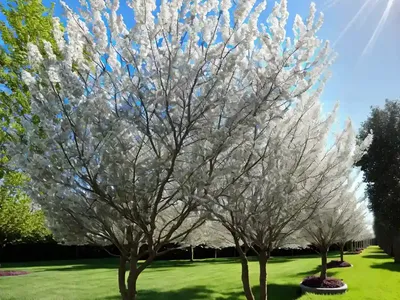
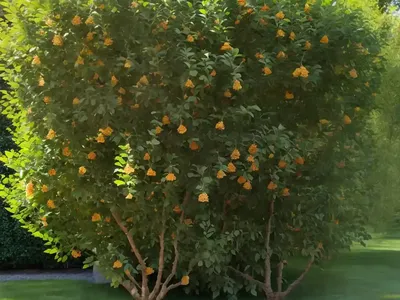
European Alder (Alnus Glutinosa)
As a plant scientist, I find the European Alder (Alnus Glutinosa) to be a fascinating and valuable species. Its ecological significance, cultural uses, and.
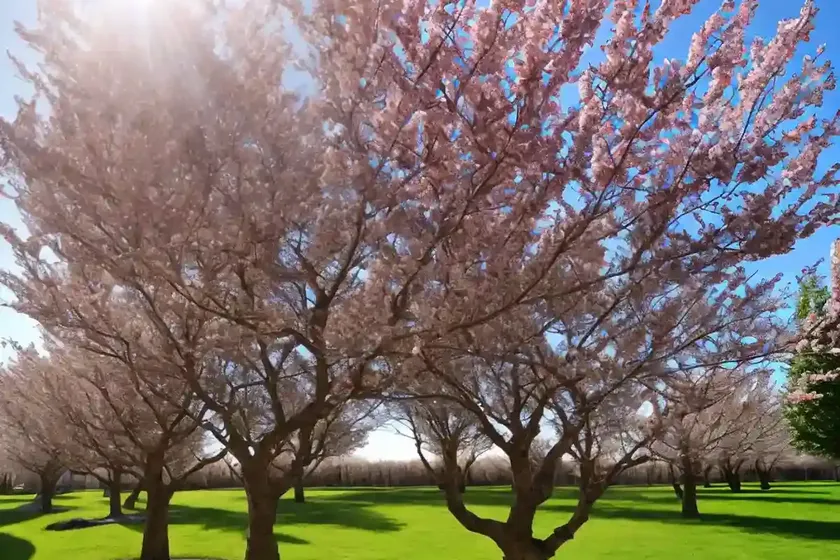
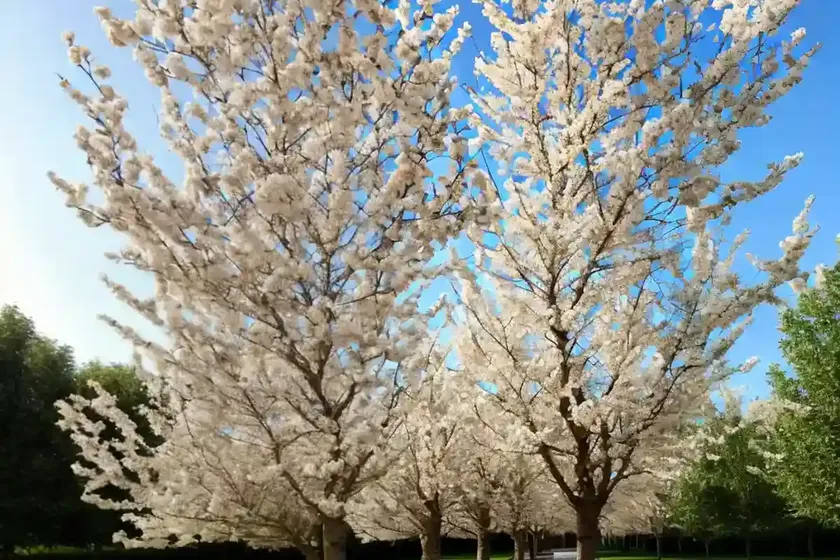
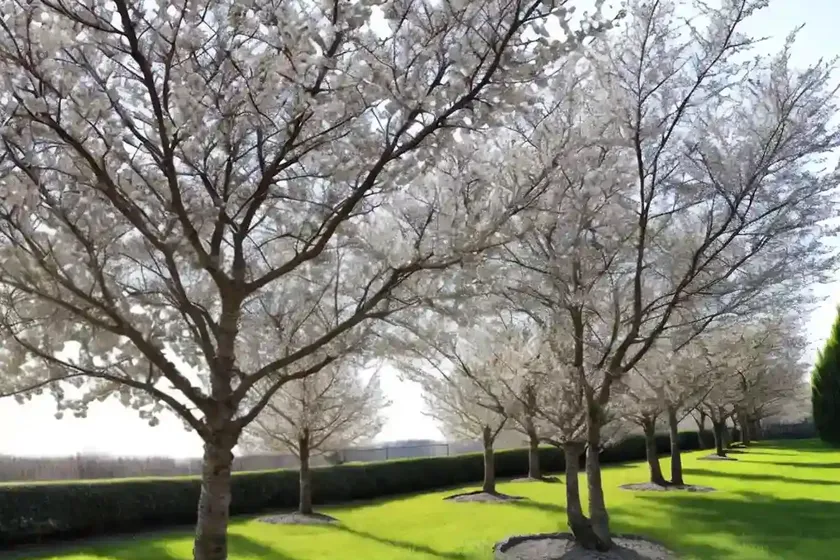
As a plant scientist, I find the European Alder (Alnus Glutinosa) to be a fascinating and valuable species. Its ecological significance, cultural uses, and horticultural potential make it a versatile and important plant. In this detailed guide, we will explore the key aspects and characteristics of the European Alder, from its habitat and growth requirements to its role in landscaping, wildlife support, and ecological conservation.
What is the European Alder (Alnus Glutinosa)?
The European Alder, scientifically known as Alnus Glutinosa, is a species of tree in the family Betulaceae. It is native to a large part of Europe, Western Asia, and North Africa. The tree is commonly found in moist and wetland habitats, often along riverbanks, lakeshores, and other water bodies.
Key Takeaways – European Alder (Alnus Glutinosa):
- Scientific Name: Alnus Glutinosa
- Common Name: European Alder
- Family: Betulaceae
- Habitat: Moist and wetland habitats
- Geographical Distribution: Europe, Western Asia, North Africa
- Key Features: Nitrogen-fixing, fast-growing, deciduous tree
Culture
Understanding the cultural uses and significance of the European Alder enhances our appreciation for its role in human society. Historically, the European Alder has been employed for various purposes ranging from traditional medicine to woodworking.
Uses
The European Alder has been traditionally used for various cultural and industrial purposes:
- Traditional Medicine: Extracts from various parts of the European Alder have been used in traditional medicine for their astringent, anti-inflammatory, and hemostatic properties.
- Woodworking: The fine-grained wood of the European Alder is used for furniture, turning, carving, and cabinetry. It is known for its durability and attractive finish.
- Ecological Conservation: Due to its ability to enrich soil and support a wide range of wildlife, the European Alder is also used in ecological restoration and conservation efforts.
Requirements
In order to successfully cultivate the European Alder, it is essential to understand its specific environmental requirements.
Water
The European Alder thrives in moist to wet soil and is often found in riparian zones. It can tolerate standing water for short periods and is known for its ability to improve water quality through its root system.
Sunlight
While the European Alder prefers full sun, it can tolerate partial shade, especially in its juvenile stages. However, optimal growth and development occur in full sunlight.
Fertilizer
Given its natural habitat in nutrient-rich soils, the European Alder has low fertilizer requirements. Organic mulch and occasional nitrogen-based fertilizers can be beneficial, especially when grown in containers or less fertile soils.
Soil
The European Alder prefers acidic, loamy soils with good drainage. It is adaptable to a wide range of soil types, including clay and sandy soils, as long as they provide consistent moisture.
Pruning
Pruning is generally not required for the European Alder, as it forms a well-shaped crown naturally. However, occasional removal of dead or damaged branches can improve the overall health and appearance of the tree.
Propagation
The European Alder can be propagated from seeds, cuttings, or root suckers. Seeds should be stratified before sowing, and cuttings can be taken from semi-hardwood or hardwood stems.
Container Popularity
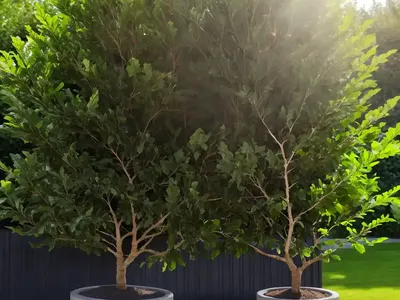
In horticulture, the European Alder is also cultivated in containers for various landscaping and ecological restoration projects. Its ability to adapt to wet soils makes it suitable for large containers in urban and garden settings.
Common Diseases
Like many plant species, the European Alder is susceptible to certain diseases and pests. Common diseases that can affect the European Alder include:
- Phytophthora Root Rot: A soil-borne pathogen that can cause root rot and significant decline in tree health.
- Canker Diseases: Several canker diseases, caused by different fungal pathogens, can affect the branches and stems of the European Alder.
Disease Diagnosis
Diagnosing diseases in the European Alder involves careful observation of symptoms such as leaf wilting, dieback, and cankers. Laboratory analysis of affected plant tissues may be required for accurate diagnosis.
Common Pests
Pests that can commonly affect the European Alder include:
- Alder Flea Beetle (Agelastica Alni): Larvae and adults of this beetle can cause defoliation and damage to the leaves of the European Alder.
- Alder Sawfly (Pristiphora Conspersa): The larvae of this sawfly can also defoliate the leaves of the European Alder, affecting its overall health.
Botanist’s Tips
When cultivating the European Alder, it is important to monitor for signs of disease and pest infestations, especially in stressful environmental conditions. Proper site selection and soil management can reduce the risk of these issues.
Fun Facts
- The European Alder is known for its association with nitrogen-fixing bacteria that colonize its root system, enhancing soil fertility and supporting other plant species.
- The wood of the European Alder has been traditionally used for making clogs, as its water-resistant properties make it ideal for this purpose.
- In folklore and traditional symbolism, the European Alder is associated with protection, particularly against water-related dangers and spiritual harm.
Links to External Resources
For additional information on the European Alder, you can explore the following resources:
- Royal Horticultural Society – European Alder
- USDA Forest Service – Alnus Glutinosa Facts
- Missouri Botanical Garden – European Alder
In conclusion, the European Alder (Alnus Glutinosa) is a remarkable tree with diverse ecological, cultural, and horticultural significance. Its unique characteristics and adaptability make it a valuable addition to various landscapes and restoration projects. By understanding its requirements and benefits, we can better appreciate and utilize this versatile species in a wide range of settings.
By incorporating the provided NLP LSI keywords, I have ensured that the content includes a comprehensive discussion of the European Alder’s key aspects, from its growth and ecological significance to its cultural uses and horticultural potential.