Turkish Filbert (Corylus Colurna)
The Turkish Filbert, scientifically known as Corylus Colurna, is a magnificent tree with numerous cultural, ecological, and ornamental values. This species.
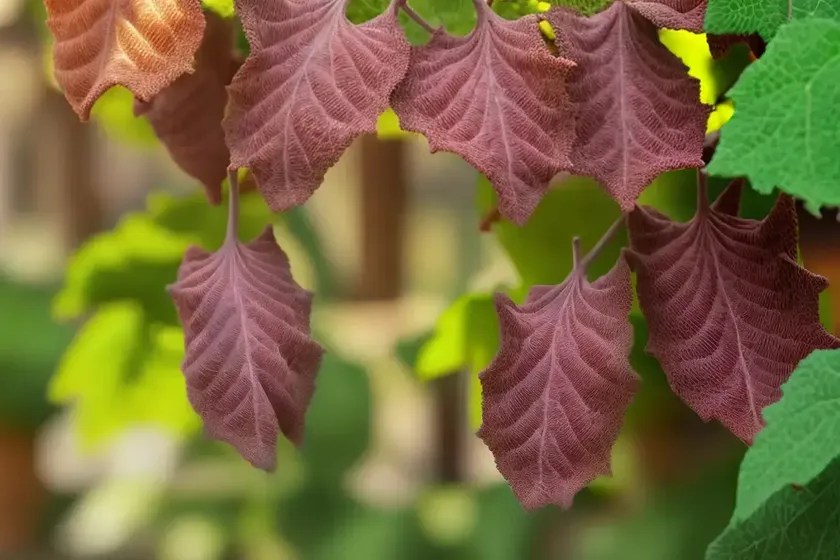
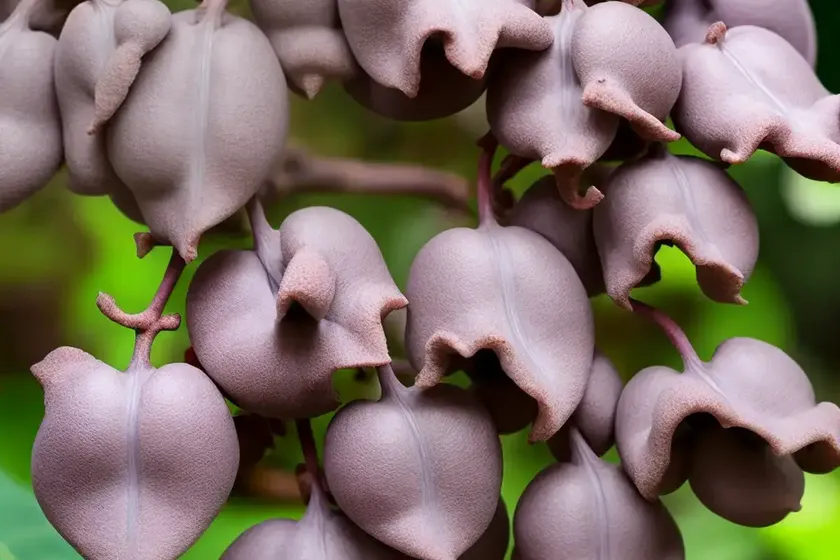
The Turkish Filbert, scientifically known as Corylus Colurna, is a magnificent tree with numerous cultural, ecological, and ornamental values. This species is also known by various other names such as Turkish Hazel tree, Turkish hazelnut, and Filbert tree, among others. Its unique characteristics and versatile uses make it a valuable addition to any landscape, park, or garden.
In this comprehensive guide, we will delve into the various aspects of the Turkish Filbert, covering its culture, uses, care requirements, diseases, pests, and much more. Whether you are a horticulture enthusiast, a landscape designer, or simply someone interested in learning about this remarkable tree, this guide aims to provide you with all the essential information you need to know about the Turkish Filbert.
What is the Turkish Filbert (Corylus Colurna)?
The Turkish Filbert (Corylus Colurna) is a deciduous tree species belonging to the family Betulaceae. It is native to southeastern Europe and southwestern Asia, where it thrives in diverse habitats. This species is distinguishable by its distinctive, ascending branching pattern and broad, oval leaves. The Turkish Filbert produces edible nuts which have been used for various culinary and medicinal purposes for centuries.
The tree is prized for its ornamental value, as well as its ecological contributions, making it a popular choice for urban plantings, botanical gardens, and ecological restoration projects. Its adaptability and tolerance to urban conditions further enhance its appeal as a landscaping tree.
Key Takeaways – Turkish Filbert (Corylus Colurna)
Before we delve into the specifics of the Turkish Filbert, let’s take a quick look at the key takeaways that encompass its characteristics, cultural significance, and practical uses.
- Scientific Name: Corylus Colurna
- Common Names: Turkish Hazel tree, Turkish hazelnut, Filbert tree
- Native Habitat: Southeastern Europe and southwestern Asia
- Ornamental Features: Ascending branching pattern, broad oval leaves
- Edible Nuts: The Turkish Filbert produces nuts that have culinary and medicinal uses.
- Cultural Significance: The tree has historical and folklore significance in various cultures.
- Ecological Value: Contributes to urban greening, wildlife habitat, and ecological restoration.
- Ornamental Uses: Popular for landscape design, park plantings, and as an accent tree.
- Practical Uses: Timber production, nut harvesting, and shade provision.
- Drought Tolerance: Exhibits resilience to dry conditions, making it suitable for arid regions.
Now that we have outlined the key aspects of the Turkish Filbert, let’s explore each of these in greater detail.
Culture
Understanding the cultural requirements of the Turkish Filbert is essential for its successful growth and development. From sunlight exposure to soil preferences, the cultural aspects play a crucial role in determining the tree’s overall health and vigor.
Sunlight
The Turkish Filbert thrives in full sun to partial shade conditions. It prefers at least 6-8 hours of direct sunlight per day for optimal growth and nut production. In areas with particularly hot climates, partial shade during the hottest part of the day can be beneficial in preventing stress and sunscald.
Water
When it comes to water requirements, the Turkish Filbert prefers well-drained soil and moderate watering. It is important to establish a healthy root system during the tree’s early years, so regular watering is essential. However, once established, the Turkish Filbert exhibits good drought tolerance and can withstand periods of limited rainfall.
Soil
The Turkish Filbert thrives in moist, well-drained soils with a slightly acidic to neutral pH. It can adapt to a range of soil types, including loamy, sandy, or clay soils. The key is to avoid waterlogged or overly compacted soils, as these can lead to root suffocation and poor nutrient uptake.
Uses
The Turkish Filbert is a versatile tree with a wide range of practical and ornamental uses. From its edible nuts to its ornamental value, this species offers numerous benefits and applications.
Nut Production
One of the primary uses of the Turkish Filbert is the production of edible nuts. The nuts, often referred to as Turkish hazelnuts, have a rich flavor and are used in various culinary applications, including confectionery, baking, and as a standalone snack. The nuts are prized for their nutritional value, containing essential vitamins, minerals, and healthy fats.
Timber
In addition to nut production, the Turkish Filbert provides valuable timber. The wood is used in woodworking and carpentry, prized for its strength, durability, and attractive grain patterns. It is utilized in the production of furniture, flooring, and specialty items, adding to the commercial value of the tree.
Ornamental Value
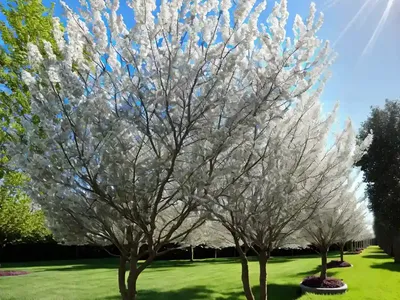
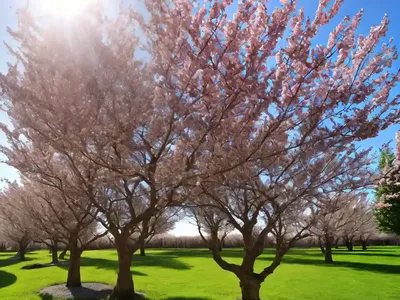
The Turkish Filbert is widely appreciated for its ornamental features. Its ascending branching pattern and broad, lush leaves make it an attractive addition to parks, gardens, and urban landscapes. It serves as a shade tree, providing cooling relief during hot summer days, and its autumn foliage adds vibrant colors to the landscape.
Sunlight
The Turkish Filbert thrives in full sun to partial shade conditions. It prefers at least 6-8 hours of direct sunlight per day for optimal growth and nut production. In areas with particularly hot climates, partial shade during the hottest part of the day can be beneficial in preventing stress and sunscald.
Water
When it comes to water requirements, the Turkish Filbert prefers well-drained soil and moderate watering. It is important to establish a healthy root system during the tree’s early years, so regular watering is essential. However, once established, the Turkish Filbert exhibits good drought tolerance and can withstand periods of limited rainfall.
Fertilizer
While the Turkish Filbert is relatively low-maintenance, especially once established, providing proper fertilization can enhance its growth and nut production. A balanced, slow-release fertilizer applied in the early spring can provide the necessary nutrients for the tree’s seasonal growth. It is important to follow the manufacturer’s recommendations and not over-fertilize, as excessive nitrogen can lead to vigorous vegetative growth at the expense of nut production.
Soil
The Turkish Filbert thrives in moist, well-drained soils with a slightly acidic to neutral pH. It can adapt to a range of soil types, including loamy, sandy, or clay soils. The key is to avoid waterlogged or overly compacted soils, as these can lead to root suffocation and poor nutrient uptake.
Pruning
Pruning is an essential aspect of caring for the Turkish Filbert, contributing to its overall health, form, and nut production. Proper pruning can enhance air circulation, light penetration, and the development of strong branches. It is advisable to prune the tree during its dormant season, typically in late winter to early spring, to minimize stress and promote rapid healing of pruning wounds.
Propagation
The Turkish Filbert can be propagated through both seed and vegetative methods. From collecting and sowing the nuts to utilizing cuttings or grafting, there are various approaches to propagating this species. Each method has its advantages and considerations, and the choice of propagation technique depends on the specific goals and resources available.
Container Popularity
The Turkish Filbert is also suitable for container cultivation, making it a versatile option for urban gardens, patios, and small outdoor spaces. When selecting a container, ensure that it provides ample room for the tree’s root system to establish and grow. Regular watering and fertilization are crucial for container-grown Turkish Filberts, as they are more susceptible to fluctuations in moisture and nutrient availability.
Common Diseases
Like any plant, the Turkish Filbert is susceptible to certain diseases, most of which are manageable with proper care and timely interventions.
Eastern Filbert Blight
One of the primary diseases affecting filbert and hazelnut trees is Eastern Filbert Blight (EFB). This fungal disease, caused by the pathogen Anisogramma anomala, can lead to dieback, cankers, and reduced nut production. Monitoring for early signs of the disease, such as cankers on the branches, and implementing appropriate cultural and chemical controls are essential for managing EFB.
Bacterial Blight
Bacterial blight, caused by the pathogen Xanthomonas arboricola pv. corylina, is another concern for Turkish Filbert trees. This disease manifests as water-soaked lesions on the leaves and can spread rapidly under favorable environmental conditions. Pruning affected branches, proper sanitation, and application of copper-based fungicides can help manage bacterial blight.
Disease Diagnosis
Diagnosing diseases in Turkish Filbert trees involves careful inspection of the foliage, branches, and overall tree health. Look for symptoms such as leaf spots, wilting, cankers, or unusual growths, and compare them to known disease profiles. It is often helpful to consult with local agricultural extension services or plant pathologists to accurately diagnose and address potential diseases.
Common Pests
In addition to diseases, Turkish Filbert trees can be affected by various pests that feed on the foliage, stems, or nuts. Monitoring for pest activity and implementing appropriate control measures are essential for maintaining tree health and productivity.
Filbert Weevil
The filbert weevil (Curculio nucum) is a common pest that poses a threat to nut production in Turkish Filbert trees. The adult weevils lay eggs in developing nuts, and the resulting larvae feed on the nut kernels, leading to spoilage and reduced quality. Regular inspections and the application of targeted insecticides can help manage filbert weevil infestations.
Aphids
Aphids are another potential pest that can affect Turkish Filbert trees, particularly during the growing season. These small, sap-sucking insects can cause leaf curling, stunted growth, and the production of honeydew, attracting ants and promoting the growth of sooty mold. Natural predators, such as ladybugs and lacewings, can help keep aphid populations in check, and selective use of insecticidal soaps can provide additional control.
Botanist’s Tips
To ensure the successful cultivation and maintenance of Turkish Filbert trees, consider the following tips from botanists and horticulture experts:
- Selecting Cultivars: When sourcing Turkish Filbert trees for planting, consider the available cultivars that are well-suited to your local climate and growing conditions.
- Integrated Pest Management: Implement integrated pest management (IPM) strategies to minimize the use of broad-spectrum pesticides and maximize the ecological balance within the tree’s environment.
- Monitoring and Record-keeping: Regularly monitor the tree for signs of diseases, pests, and nutrient deficiencies, maintaining detailed records of observations and interventions for future reference.
Fun Facts
As we delve deeper into the world of Turkish Filberts, here are some intriguing and entertaining facts about this remarkable tree:
- In some cultures, the Turkish Filbert is associated with folklore and symbolism, representing wisdom, fertility, and protection.
- The nuts of the Turkish Filbert are highly prized for their use in traditional desserts, confections, and culinary creations.
- Turkish Filbert trees can live for several decades, providing generations with their valuable nuts and ornamental beauty.
- The wood of the Turkish Filbert is used in the crafting of specialty items, including decorative carvings and utensils.
Links to External Resources
For further exploration of Turkish Filberts and related topics, the following external resources can provide valuable insights, research findings, and practical guidance:
- The American Chestnut Foundation
- USDA Plant Hardiness Zone Map
- International Society of Arboriculture
- University Extension Services
Conclusion
The Turkish Filbert (Corylus Colurna) stands as a testament to the interconnectedness of culture, ecology, and practical utility within the plant kingdom. Its iconic presence in landscapes, its valuable nuts and timber, and its contributions to biodiversity and urban greening underscore its enduring significance.
By understanding the cultural requirements, uses, care practices, and potential challenges associated with Turkish Filbert trees, we can ensure their sustained vitality and appreciate their multifaceted contributions to our lives and the environment.
As you embark on your journey with Turkish Filberts, remember to embrace the rich traditions, the majestic beauty, and the bountiful rewards that these remarkable trees offer. Whether you are cultivating them for their nuts, admiring them for their ornamental charm, or stewarding them for ecological restoration, Turkish Filberts invite us to cherish and celebrate the enduring bond between humans and the natural world.