Plant Name: Birch (Betula ‘Royal Frost’)
Introduction to Birch (Betula ‘Royal Frost’)
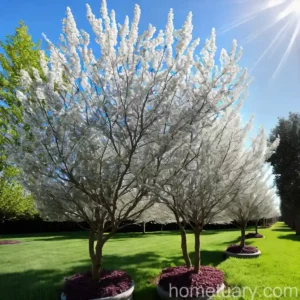
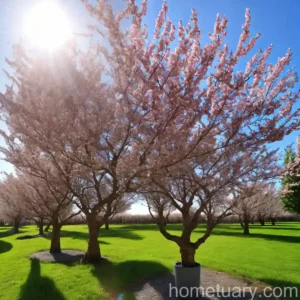
Birch (Betula ‘Royal Frost’) is a stunning deciduous tree that belongs to the Betulaceae family. It is celebrated for its distinct, beautiful foliage and elegant appearance. This plant bears the scientific name of Betula ‘Royal Frost’ and adds a touch of elegance to any landscape. In this comprehensive guide, we will explore the culture, uses, care requirements, common diseases, pests, propagation methods, and other valuable information about this remarkable plant.
Key Takeaways – Birch (Betula ‘Royal Frost’)
Before delving into the specific details, let’s highlight the key takeaways about this magnificent plant:
- Botanical Name: Betula ‘Royal Frost’
- Common Name: Birch (Royal Frost)
- Type: Deciduous tree
- Characteristics: Distinct foliage, elegant appearance
- Uses: Ornamental, landscaping
- Watering Needs: Moderate
- Sunlight Requirements: Full sun to partial shade
- Soil Type: Well-draining, acidic soil
- Hardiness Zones: 3-7
- Pruning: Prune in late winter to early spring
- Propagation: Seeds, cuttings
- Common Diseases: Anthracnose, canker, rust
- Common Pests: Birch leaf miner, bronze birch borer
Culture
Uses
The Birch (Betula ‘Royal Frost’) is primarily used for ornamental and landscaping purposes. Its elegant appearance and striking foliage make it an exquisite addition to gardens, parks, and urban landscapes. The tree’s distinctive bark and unique leaf coloration create a visually arresting display, especially during the fall season.
Water
Watering Needs: Birch (Betula ‘Royal Frost’) has moderate water requirements. It is essential to ensure that the soil is consistently moist but not waterlogged, especially during the tree’s initial establishment phase. Once the tree is well-established, it exhibits good drought tolerance. However, during periods of extended drought, supplemental watering can help maintain the tree’s health and vigor.
Sunlight
Sunlight Requirements: Birch (Betula ‘Royal Frost’) thrives in full sun to partial shade. When planted in a location that receives ample sunlight, the tree demonstrates optimal growth and development. However, it can also tolerate partial shade, making it suitable for a variety of landscape settings.
Fertilizer
Birch (Betula ‘Royal Frost’) benefits from a balanced slow-release fertilizer applied in the spring. This can help provide the tree with essential nutrients for healthy growth and vibrant foliage. It is important to follow the specific application instructions based on the fertilizer’s formulation and the tree’s size.
Soil
Soil Type: The ideal soil for Birch (Betula ‘Royal Frost’) is well-draining and slightly acidic. Amending the soil with organic matter can improve its drainage and nutrient content, promoting the tree’s overall health and vigor. Additionally, the tree prefers soils with good aeration, as compacted or waterlogged soils can negatively impact its growth.
Pruning
Pruning: Pruning is an important aspect of caring for Birch (Betula ‘Royal Frost’). The best time to prune the tree is in late winter to early spring, before the onset of new growth. This timing helps minimize stress on the tree and reduces the risk of sap bleeding from pruning wounds. When pruning, it is crucial to remove any dead, damaged, or crossing branches while maintaining the tree’s natural shape and form.
Propagation
Container
Birch (Betula ‘Royal Frost’) can be grown in containers, making it a versatile choice for small gardens, patios, or urban landscapes. When growing Birch in containers, it is important to select a large enough pot to accommodate the tree’s mature size. Additionally, using a well-draining potting mix and providing adequate water and sunlight are essential for the tree’s health and growth in a containerized environment.
Popularity
Birch (Betula ‘Royal Frost’) is popular among gardeners, landscapers, and plant enthusiasts for its striking appearance and ornamental value. Its unique foliage, elegant form, and seasonal interest make it a sought-after tree for enhancing outdoor spaces and creating captivating landscapes.
Common Diseases
Disease Diagnosis
Birch (Betula ‘Royal Frost’) is susceptible to certain diseases that can impact its health and vigor. Common diseases that may affect this tree include anthracnose, canker, and rust. Regular monitoring of the tree’s foliage, bark, and overall condition can help in early disease detection and prompt intervention to prevent further spread and damage.
Common Pests
Birch (Betula ‘Royal Frost’) may face challenges from various pests, including the birch leaf miner and bronze birch borer. These pests can cause damage to the tree’s foliage, weaken its overall health, and detract from its visual appeal. Implementing integrated pest management strategies and maintaining tree health can help mitigate pest infestations.
Botanist’s Tips
Fun Facts
- The foliage of Birch (Betula ‘Royal Frost’) transitions through beautiful shades of green, silver, and purple, creating a captivating visual display.
- The tree’s distinctive white bark adds year-round interest to the landscape and stands out prominently during the winter months.
- Birch trees have been historically revered for their cultural significance and are celebrated in various folklore, traditions, and art forms.
Links to External Resources
- Royal Frost Birch – The Tree Center
- Betula ‘Royal Frost’ – Missouri Botanical Garden
- Growing Birch Trees – Gardening Know How
In conclusion, Birch (Betula ‘Royal Frost’) is a captivating tree with distinct characteristics that enrich outdoor spaces and landscapes. By understanding its culture, care requirements, and potential challenges, gardeners and plant enthusiasts can facilitate the optimal growth and well-being of this remarkable plant. With the right knowledge and attention, Birch (Betula ‘Royal Frost’) can thrive and continue to enchant with its elegance and beauty.