Aeonium Arboreum ‘Atropurpureum’)
Aeonium arboreum ‘Atropurpureum’, commonly known as the Black Rose, is a striking and popular succulent plant. Its dark purple foliage and rosette form.
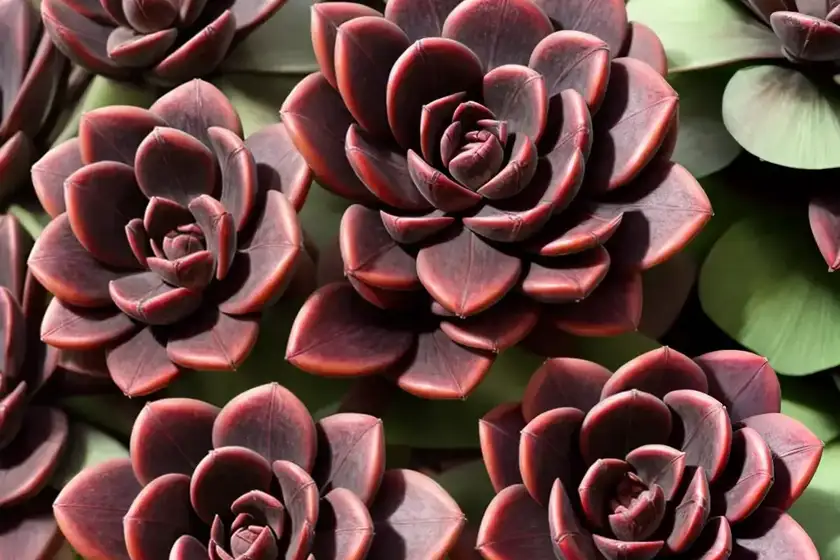
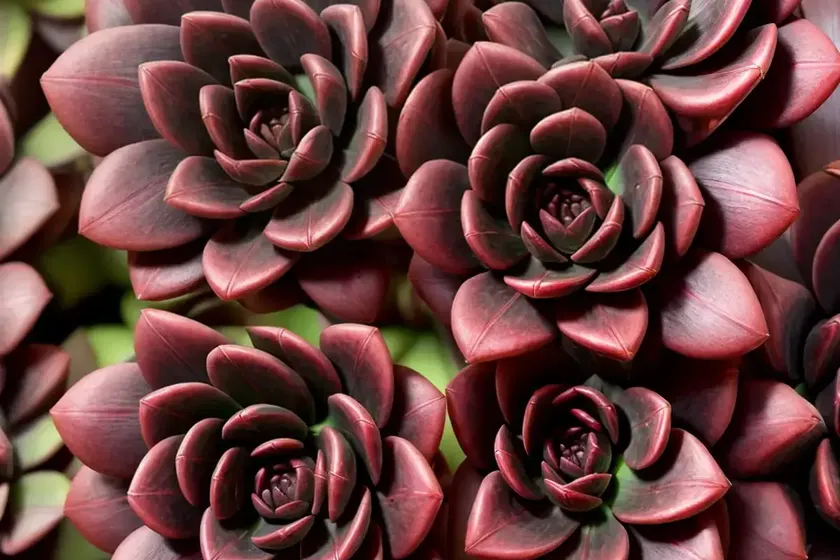
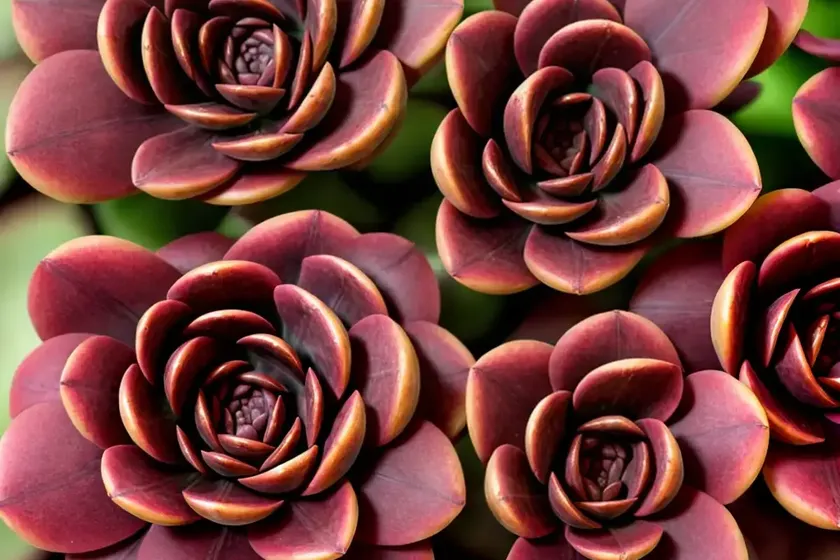
Aeonium arboreum ‘Atropurpureum’, commonly known as the Black Rose, is a striking and popular succulent plant. Its dark purple foliage and rosette form make it a favorite among gardeners and plant enthusiasts. Native to the Canary Islands, Aeonium arboreum ‘Atropurpureum’ belongs to the Crassulaceae family and enjoys a warm and sunny environment with well-draining soil. In this comprehensive guide, we will explore everything you need to know about the care and cultivation of Aeonium arboreum ‘Atropurpureum’, including its cultural requirements, uses, propagation methods, common diseases, and much more.
What is Aeonium Arboreum ‘Atropurpureum’?
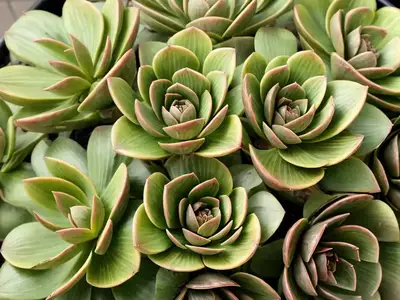
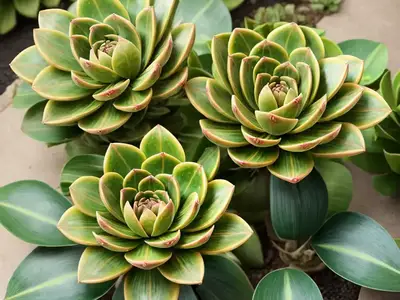
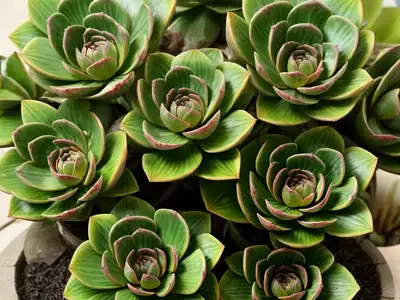
Aeonium arboreum ‘Atropurpureum’ is a stunning succulent plant characterized by its rosettes of dark purple, almost black, leaves. The name “Aeonium” is derived from the ancient Greek word “aionos,” meaning “ageless,” alluding to the plant’s ability to produce new rosettes and stems repeatedly. The specific epithet “arboreum” refers to its tree-like growth habit, as mature plants can develop a woody stem. ‘Atropurpureum’ signifies the deep purple, almost black, color of its foliage. This cultivar is a popular choice for adding dramatic color and texture to both indoor and outdoor gardens.
Key Takeaways
Before delving into the specifics of caring for Aeonium arboreum ‘Atropurpureum’, here are the key takeaways about this captivating succulent:
- Botanical Name: Aeonium arboreum ‘Atropurpureum’
- Family: Crassulaceae
- Common Name: Black Rose
- Foliage: Rosettes of dark purple, almost black, leaves
- Growth Habit: Tree-like, with a central woody stem in mature plants
Culture
Understanding the cultural requirements of Aeonium arboreum ‘Atropurpureum’ is essential for its successful growth and maintenance. From suitable watering practices to appropriate soil and sunlight conditions, providing the ideal cultural environment is crucial for the health and vibrancy of this striking succulent.
Uses
Before diving into the specific care guidelines, let’s explore the various uses of Aeonium arboreum ‘Atropurpureum’ in landscaping and design:
- Garden Beds: Aeonium arboreum ‘Atropurpureum’ makes an excellent addition to rock gardens and succulent beds, adding a dramatic contrast with its dark foliage.
- Containers: Due to its compact size and striking appearance, it is well-suited for container gardening, both indoors and outdoors.
- Landscaping Focal Point: The deep purple leaves make it an eye-catching focal point in any landscape design.
Now, let’s delve into the specific cultural requirements for the optimal growth of Aeonium arboreum ‘Atropurpureum’.
Water
Proper watering is crucial for the health and vigor of Aeonium arboreum ‘Atropurpureum’. As a succulent plant, it is essential to strike a balance between providing adequate moisture and avoiding waterlogged conditions. Here are essential watering guidelines to ensure the well-being of your Aeonium arboreum ‘Atropurpureum’:
-
Watering Frequency: Water deeply, but infrequently. Allow the soil to dry out partially between waterings. During the growing season (spring and fall), water when the top inch of the soil feels dry to the touch.
-
Avoid Waterlogging: Ensure that the pot or planting area has proper drainage to prevent water from pooling around the roots, as this can lead to root rot.
-
Winter Dormancy: Reduce watering during the winter months when the plant undergoes a period of dormancy. Water sparingly to prevent excessive moisture during this time.
Sunlight
Aeonium arboreum ‘Atropurpureum’ thrives in bright sunlight, making it an excellent choice for sunny locations. Proper sunlight exposure is essential for the plant’s growth and the development of its characteristic dark foliage. Here are some key considerations regarding sunlight requirements:
-
Full Sun: Provide ample sunlight, aiming for at least 6 hours of direct sunlight per day. Place the plant in a south-facing or west-facing location for optimal sun exposure.
-
Protection from Intense Midday Heat: In hot climates, protect the plant from intense midday sun to prevent sunburn. Consider providing light shade during the hottest part of the day.
-
Indoor Placement: Indoors, place the Aeonium arboreum ‘Atropurpureum’ near a bright, south-facing window to ensure sufficient sunlight.
Fertilizer
While Aeonium arboreum ‘Atropurpureum’ does not have high fertilizer requirements, providing a balanced feeding regimen can promote healthy growth. Here’s a guide to fertilizing this succulent:
-
Fertilizing Schedule: During the active growing season in spring and summer, feed the plant with a balanced, diluted liquid fertilizer every 4-6 weeks.
-
Reduce Fertilization in Winter: Scale back on fertilization during the winter months when the plant is in a dormant phase.
-
Avoid Excessive Fertilization: Over-fertilization can lead to salt buildup in the soil, potentially causing root damage. Follow the recommended dilution and frequency for fertilization to avoid complications.
Soil
Selecting the right soil type is crucial for the successful cultivation of Aeonium arboreum ‘Atropurpureum’. Well-draining soil that allows excess water to escape is essential to prevent root rot and other moisture-related issues. Here are the soil requirements for this succulent:
-
Well-Draining Soil: Use a well-draining succulent or cactus potting mix to ensure that water does not accumulate around the roots.
-
Soil Amendments: Consider adding perlite or coarse sand to improve drainage and aeration in the soil mixture.
-
pH Levels: A neutral to slightly acidic soil pH ranging from 6.0 to 7.0 is ideal for Aeonium arboreum ‘Atropurpureum’.
Pruning
Pruning plays a vital role in maintaining the appearance and health of Aeonium arboreum ‘Atropurpureum’. Regular pruning helps control the plant’s size, shape, and encourages new growth. Here are the essential pruning guidelines:
-
Remove Dead Leaves: Periodically remove any dead or dried leaves from the base of the plant to maintain a tidy appearance and prevent the spread of disease.
-
Trim Leggy Growth: If the plant becomes leggy or elongated, prune the stems back to encourage a compact, bushy form.
-
Propagation Cuttings: Pruning also presents an opportunity for propagation. Save the healthy trimmings to propagate new plants.
Propagation
Propagating Aeonium arboreum ‘Atropurpureum’ is an exciting way to expand your succulent collection or share plants with friends. The most common method of propagation for Aeonium arboreum ‘Atropurpureum’ is through stem cuttings. Here’s a simple guide to propagating this striking succulent:
-
Selecting Cuttings: Choose a healthy stem from the main plant. Look for a section that is firm and free from any signs of disease or damage.
-
Allowing Callusing: After cutting, allow the wound to callus and dry for a day or two. This step helps prevent rotting when the cutting is planted.
-
Planting Cuttings: Plant the cuttings in a well-draining potting mix or directly in the ground, ensuring that the soil is slightly moist but not waterlogged.
-
Root Development: Over the following weeks, the cutting will develop roots and begin to establish itself. Keep the soil lightly moist during this period, providing a warm and bright environment.
-
Transplanting: Once the cutting has developed a healthy root system, it can be transplanted into its permanent location or container.
Container Popularity
Aeonium arboreum ‘Atropurpureum’ is a popular choice for container gardening due to its compact size and striking foliage. Its dark purple rosettes make a bold statement in both indoor and outdoor container arrangements. When grown in containers, the plant can be easily moved to more suitable locations depending on the season or sunlight requirements.
Container Common Diseases
While Aeonium arboreum ‘Atropurpureum’ typically thrives in containers, there are potential diseases and issues to be aware of. Here are the common diseases that can affect Aeonium arboreum ‘Atropurpureum’ when grown in containers:
-
Root Rot: Overly wet conditions can lead to root rot, particularly in poorly draining containers or overly compacted soil.
-
Fungal Infections: Moist and humid environments in containers may promote the development of fungal diseases, such as powdery mildew or botrytis.
-
Pest Infestations: Containers may be more susceptible to certain pests, such as aphids or mealybugs, which can affect the health of the plant.
Disease Diagnosis
Early diagnosis and treatment of diseases are crucial for preventing the spread of infections and ensuring the overall health of Aeonium arboreum ‘Atropurpureum’. Here are some common signs of diseases that may affect the plant:
-
Yellowing or Drooping Leaves: While natural leaf shedding is normal, excessive yellowing or drooping may indicate a potential disease or stress.
-
White Powdery Residue: Powdery mildew often presents as a white powdery residue on the leaves, stems, or flowers.
-
Rotting Roots: Soggy or discolored roots indicate the presence of root rot, a common issue in succulents grown in containers with poor drainage.
-
Stunted Growth or Wilted Appearance: The plant may exhibit stunted growth or a wilted appearance if it is affected by fungal infections or root-related issues.
Common Pests
Various pests can pose a threat to the health of Aeonium arboreum ‘Atropurpureum’. Being vigilant and taking prompt action to address pest infestations is essential for maintaining the plant’s vitality. Here are some common pests that may affect Aeonium arboreum ‘Atropurpureum’:
-
Aphids: These small, sap-sucking insects can cluster on the undersides of leaves, causing damage and potentially transmitting diseases.
-
Mealybugs: Mealybugs are cottony, soft-bodied insects that feed on plant sap, leading to wilting and the secretion of sticky honeydew.
-
Spider Mites: These tiny pests can cause stippling and discoloration on the leaves, affecting the overall appearance of the plant.
-
Scale Insects: Scale insects can appear as small, waxy bumps on the stems or leaves, leading to weakened growth and a decline in plant health.
Botanist’s Tips
To enhance your success in cultivating and caring for Aeonium arboreum ‘Atropurpureum’, here are some valuable tips from botanists and seasoned plant enthusiasts:
-
Winter Protection: In cooler climates, protect the succulent from frost or freezing temperatures by moving it indoors or providing adequate insulation.
-
Pest Monitoring: Regularly inspect the plant for signs of pest infestations, especially in container-grown specimens or when the plant is located near other infested plants.
-
Avoid Overwatering: Exercise caution to prevent overwatering, as excessive moisture can lead to root rot and other related issues.
-
Use Well-Draining Pots: When growing Aeonium arboreum ‘Atropurpureum’ in containers, opt for pots with drainage holes to ensure adequate moisture management.
Fun Facts
Here are some fascinating and fun facts about Aeonium arboreum ‘Atropurpureum’, adding to its allure and mystique as a unique succulent plant:
-
Drought Tolerance: Aeonium arboreum ‘Atropurpureum’ exhibits excellent drought tolerance, making it well-suited for water-wise gardening and xeriscaping.
-
Architectural Form: The tree-like growth habit of mature Aeonium arboreum ‘Atropurpureum’ plants adds an architectural element to gardens and landscapes.
-
Monocarpic Nature: Aeonium arboreum ‘Atropurpureum’ is monocarpic, meaning that it produces flowers once at the end of its life cycle before dying.
-
Attractive to Pollinators: When in bloom, Aeonium arboreum ‘Atropurpureum’ flowers attract pollinators, adding ecological value to the garden.
-
Medicinal Folklore: In traditional herbal medicine, various Aeonium species were utilized for their purported medicinal properties, although their usage in contemporary medicine is limited.
Links to External Resources
For further exploration and in-depth information on Aeonium arboreum ‘Atropurpureum’, consider the following external resources:
-
Royal Horticultural Society: The RHS provides comprehensive plant profiles and care guidance for a wide range of ornamental plants, including Aeonium arboreum ‘Atropurpureum’.
-
University Cooperative Extension Services: Local cooperative extension services and university resources offer region-specific information on succulent care and disease management.
-
American Society for the Prevention of Cruelty to Plants (ASPCP): The ASPCP website features articles and guides on succulent care, plant health, and ethical gardening practices.
-
Succulent & Cactus Society: Joining a local succulent and cactus society can provide access to valuable resources, educational events, and a community of like-minded plant enthusiasts.
-
Online Plant Forums: Participating in online plant forums and discussion groups can offer insights, troubleshooting tips, and personal experiences from fellow gardeners and botanists.
-
Garden Design and Landscaping Publications: Explore garden design and landscaping publications for inspiration on incorporating Aeonium arboreum ‘Atropurpureum’ into stunning outdoor spaces.
In conclusion, Aeonium arboreum ‘Atropurpureum’ is a captivating succulent plant that adds a touch of drama and allure to gardens, containers, and landscapes. By understanding its cultural requirements, uses, propagation methods, and potential challenges, you can successfully cultivate and enjoy the breathtaking beauty of this unique plant in your own botanical sanctuary.
In this comprehensive guide, we have covered everything from the cultural requirements of Aeonium arboreum ‘Atropurpureum’ to its propagation, common diseases, and links to external resources. We hope this information equips you with the knowledge and inspiration to care for and appreciate the exceptional qualities of this striking succulent.