Betula ermanii (Erman’s Birch)
Betula ermanii, commonly known as Erman’s Birch, is a stunning deciduous tree native to East Asia, particularly Japan, Korea, and the Russian Far East. The species is renowned for its unique flaky bark, graceful form, and vibrant foliage, making it a popular choice in gardens and landscapes. As a plant scientist, I find Betula ermanii fascinating due to its ecological significance, cultural uses, and ecological benefits. In this comprehensive guide, we will explore the characteristics, cultivation, uses, and maintenance of Betula ermanii, providing a wealth of information for enthusiasts, horticulturists, and gardeners.
Key Takeaways – Betula ermanii (Erman’s Birch)
Before delving into the detailed aspects of Betula ermanii, let’s summarize the key takeaways for quick reference:
- Common Name: Erman’s Birch
- Scientific Name: Betula ermanii
- Native Habitat: East Asia (Japan, Korea, Russian Far East)
- Foliage: Vibrant autumn colors
- Bark: Unique flaky texture
- Growth Habit: Graceful and elegant form
- Cultural Significance: Symbolism and medicinal uses
- Ecological Benefits: Wildlife habitat and ecosystem benefits
Now, let’s explore the various aspects of Erman’s Birch in more detail.
What is Betula ermanii (Erman’s Birch)?
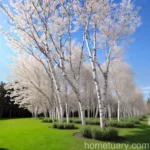
Betula ermanii, a member of the Betulaceae family, is a medium to large deciduous tree, typically growing to a height of 10-20 meters. The species is known for its elegant, pyramidal form, particularly when young, and forms a more rounded crown at maturity. One of its most striking features is its bark, which develops a distinct flaky texture, ranging in color from silvery-gray to chalk-white. This unique bark adds visual interest to the tree, especially during winter when the foliage has fallen.
The leaves of Betula ermanii are alternate, ovate to broadly ovate, and serrated at the margins. The foliage is a lustrous green in spring and summer, transforming into vibrant shades of yellow, orange, and red during the autumn months. The delicate catkins of Erman’s Birch further enhance its ornamental appeal, dangling gracefully from the branches in spring.
Apart from its aesthetic value, Betula ermanii holds cultural significance in various traditions and is known for its ecological benefits, contributing to the preservation of wildlife and overall ecosystem health. In the following sections, we will delve into the cultivation, uses, and maintenance of this remarkable tree to gain a comprehensive understanding of Erman’s Birch.
Cultivation of Betula ermanii
Cultivating Betula ermanii requires an understanding of its specific requirements, including water, sunlight, soil, and seasonal care. By providing the ideal conditions, gardeners can ensure the optimal growth and development of Erman’s Birch.
Water
Ensuring adequate moisture is essential during the establishment of Betula ermanii. While the species is adaptable to varying soil moisture levels, it thrives in consistently moist, well-draining soil. Regular watering, especially during dry spells, is crucial for young trees. 1
Sunlight
Betula ermanii exhibits a preference for full sun to partial shade. Providing ample sunlight is essential for the tree to display its full potential, particularly in terms of foliage coloration and overall growth. However, it can also tolerate partial shade, making it a versatile choice for different garden settings. 2
Soil
The ideal soil for Betula ermanii is slightly acidic to neutral, well-draining, and rich in organic matter. The species is adaptable to a range of soil types, including loamy, sandy, and clay soils, as long as they are not excessively waterlogged. Amending the soil with organic compost can enhance its fertility and structure, promoting the healthy growth of Erman’s Birch. 3
Fertilizer
While Betula ermanii can thrive in nutrient-rich soil, excessive fertilization should be avoided, as it may lead to rapid but weak growth. A balanced, slow-release fertilizer applied in early spring can suffice to support the tree’s nutritional needs. The fertilizer should be distributed evenly around the base of the tree and watered in thoroughly.
Pruning of Betula ermanii
Cultural Uses
Beyond its ornamental value, Betula ermanii holds cultural significance in various traditions and practices. In Japanese culture, Erman’s Birch is revered for its elegance and often depicted in art and literature. The tree’s graceful form and striking bark make it a sought-after feature in traditional Japanese gardens, where it symbolizes resilience and adaptability, traits associated with the species’ ability to thrive in diverse environmental conditions.
In terms of traditional medicine, various parts of Betula ermanii have been used in herbal remedies. The bark, leaves, and sap of the tree have been employed for their medicinal properties, ranging from treating minor ailments to offering potential health benefits. While modern medical research is ongoing to validate these traditional uses, it showcases the historical importance of Erman’s Birch in folk medicine.
Propagation
Propagating Betula ermanii can be achieved through several methods, including seed propagation and vegetative propagation. Collecting seeds from mature cones and sowing them in well-prepared seed beds can yield new plants, though germination may require stratification to break dormancy. Vegetative propagation techniques such as hardwood cuttings, softwood cuttings, and layering can also be employed to propagate specific cultivars or varieties of Erman’s Birch.
Container Popularity
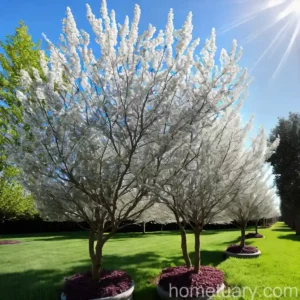
Given its manageable size and ornamental appeal, Betula ermanii is well-suited to container cultivation. This characteristic makes it a popular choice for urban gardens, patios, and small outdoor spaces. When grown in containers, Erman’s Birch benefits from regular monitoring of soil moisture and nutrition to ensure its optimal growth and development. As with any container plant, proper drainage is essential to prevent waterlogged soil and root rot.
Common Diseases of Betula ermanii
- Leaf Spot Diseases: These fungal diseases often manifest as dark, irregular spots on the foliage. While they may not severely harm mature trees, preventive measures such as promoting good air circulation and avoiding overhead watering can help mitigate the risk of leaf spot diseases.
- Rust Diseases: Several rust fungi can affect Betula ermanii, causing yellow or orange spore-producing structures on the leaves. Pruning affected branches and disposing of fallen leaves can help manage rust diseases in Erman’s Birch.
Disease Diagnosis
Diagnosing diseases in Betula ermanii involves careful observation of the symptoms, including leaf discoloration, wilting, and abnormal growth patterns. Consulting with a plant pathologist or local horticultural extension can aid in accurately identifying and addressing specific diseases affecting Erman’s Birch. Prompt diagnosis allows for timely intervention, minimizing the impact of diseases on the tree’s health.
Common Pests
- Bronze Birch Borer (Agrilus anxius): The larvae of this beetle species bore into the bark of birch trees, causing extensive damage and dieback. Regular monitoring of the tree’s health and implementing preventive measures such as proper watering and fertilization can help deter bronze birch borers.
- Birch Leafminers (Fenusa pusilla): These tiny sawflies create serpentine patterns on birch leaves as their larvae feed within the leaf tissue. Applying insecticidal treatments at the appropriate timing can help control birch leafminers and protect the foliage of Betula ermanii.
Botanist’s Tips for Betula ermanii
- Seasonal Care: During the growing season, regular watering, mulching, and monitoring for signs of stress are essential for the well-being of Betula ermanii. In autumn, admiring the tree’s vibrant foliage colors and preparing it for winter dormancy is a rewarding experience for enthusiasts.
- Mulching: Applying a layer of organic mulch around the base of Erman’s Birch helps conserve soil moisture, regulate soil temperature, and suppress weed growth. The mulch also adds organic matter to the soil as it decomposes, benefiting the tree’s root system.
Fun Facts about Betula ermanii
- Symbolism: In Korean culture, Betula ermanii is associated with longevity and resilience, reflected in its use as a symbol of hope and endurance.
- Wildlife Habitat: The slender, dangling catkins of Erman’s Birch provide a valuable food source for various insects and birds, contributing to local biodiversity and ecological balance.
- Ornamental Uses: Apart from its significance in gardens and landscapes, Betula ermanii is also used in floral arrangements and artistic compositions, highlighting its inherent beauty.
Links to External Resources**
For further information on Betula ermanii, including its ecological benefits, landscaping uses, and cultivation techniques, explore the following resources:
- Erman’s Birch – The Tree Center
- Betula ermanii – Missouri Botanical Garden
- Cultivation of Betula ermanii in Ornamental Plantings – Taylor & Francis Online
- Ecological Service of Betula ermanii – ScienceDirect
Conclusion
Betula ermanii, or Erman’s Birch, captivates enthusiasts and horticulturists alike with its ornamental beauty, cultural significance, and ecological contributions. Its graceful form, vibrant autumn colors, and unique bark texture make it a standout feature in gardens and landscapes. Understanding the specific cultural uses, propagation techniques, and maintenance practices for Erman’s Birch allows for its optimal growth and ensures the preservation of its inherent beauty and ecological benefits.
In this comprehensive guide, we have explored the various aspects of Betula ermanii, including its cultivation requirements, uses, and ecological significance. By considering the specific needs of this species and leveraging its ornamental and ecological value, gardeners and enthusiasts can effectively incorporate Erman’s Birch into diverse garden settings and contribute to the conservation of its cultural and ecological heritage.
Through continued research, appreciation, and conservation efforts, Betula ermanii will continue to enrich landscapes, support wildlife, and inspire cultural and ecological connections for generations to come.