Artemisia Ludoviciana ‘Valerie Finnis’ (White Sage)
Introduction to Artemisia ludoviciana ‘Valerie Finnis’ (White Sage) Artemisia ludoviciana ‘Valerie Finnis’, commonly known as White Sage, is a beautiful.
Introduction to Artemisia ludoviciana ‘Valerie Finnis’ (White Sage)
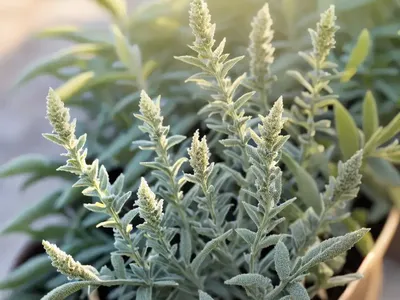
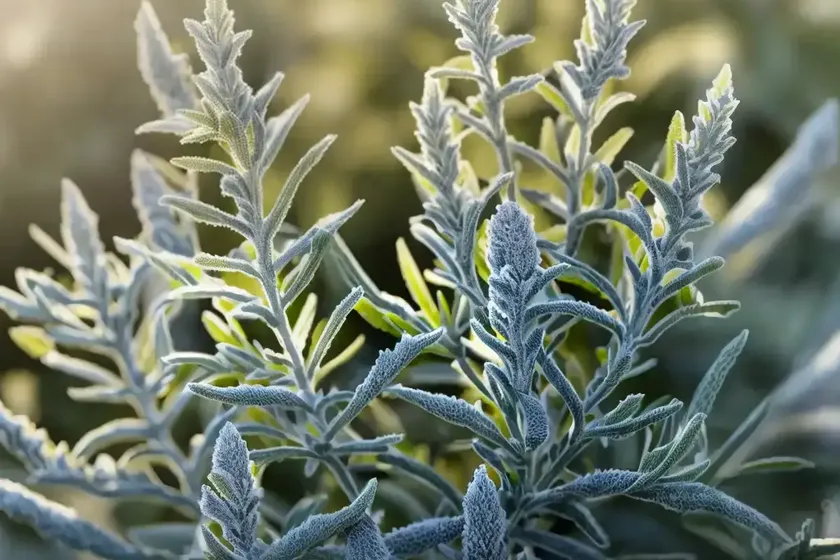
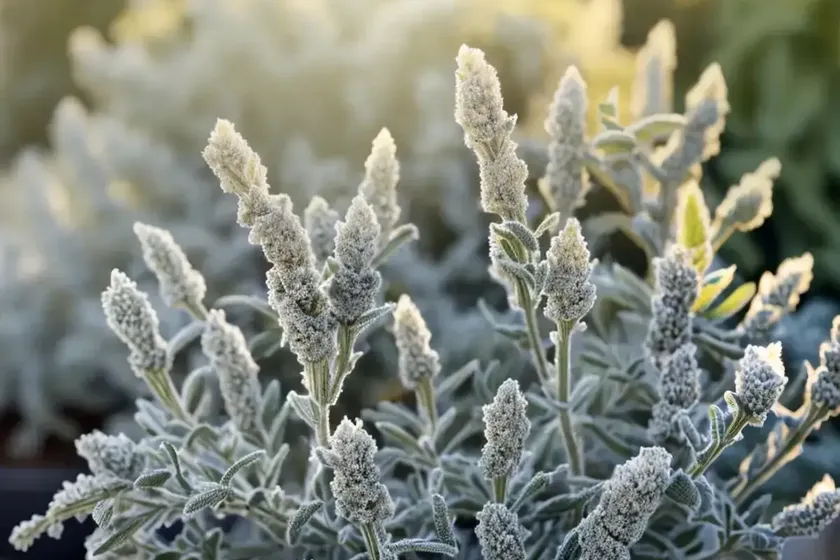
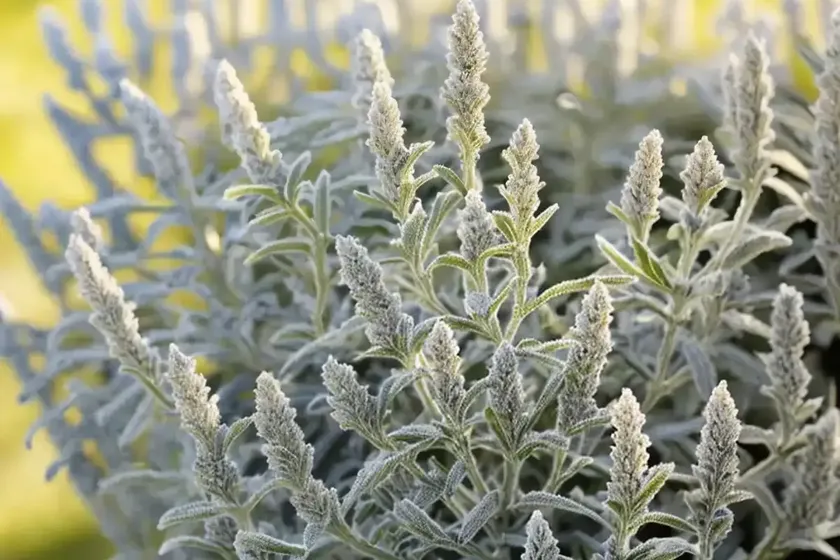
Artemisia ludoviciana ‘Valerie Finnis’, commonly known as White Sage, is a beautiful and versatile perennial plant that has gained popularity in gardens and landscapes due to its unique foliage and various practical uses. This hardy and drought-tolerant plant is native to North America and is prized for its aromatic qualities, ornamental appeal, and medicinal properties.
In this comprehensive guide, we will explore the key aspects of caring for Artemisia ludoviciana ‘Valerie Finnis’, including its cultural requirements, uses, maintenance, and potential challenges. Whether you are a seasoned gardener or a novice plant enthusiast, this article will provide you with valuable insights into cultivating and enjoying the benefits of this remarkable plant.
Key Takeaways – Artemisia ludoviciana ‘Valerie Finnis’ (White Sage)
Before delving into the specifics of White Sage care, let’s highlight the key takeaways that will be covered in this guide:
- Plant Name: Artemisia ludoviciana ‘Valerie Finnis’ (White Sage)
- Family: Asteraceae
- Type: Herbaceous perennial
- Hardiness Zone: 4-9
- Height: 12-18 inches
- Spread: 18-24 inches
- Sun Exposure: Full sun
- Watering: Low to moderate
- Soil Type: Well-drained, sandy or loamy soil
- Uses: Ornamental, aromatic, medicinal, culinary
- Special Features: Drought-tolerant, deer-resistant
Now, let’s delve into the various aspects of caring for White Sage, from its cultural requirements to its propagation and maintenance.
Culture
Water
Artemisia ludoviciana ‘Valerie Finnis’ is an exceptionally drought-tolerant plant, making it well-suited for xeriscapes and low-maintenance landscapes. When establishing this plant in your garden, it is crucial to provide adequate water during the initial planting period to support root development. Once established, White Sage typically thrives in dry to moderately moist soil and prefers to dry out between waterings. Overwatering can lead to root rot and other issues, so it’s essential to strike a balance and avoid waterlogging the soil.
Sunlight
White Sage thrives in full sun and is highly adaptable to various light conditions. To ensure optimal growth and flowering, plant Artemisia ludoviciana ‘Valerie Finnis’ in a location that receives at least 6-8 hours of direct sunlight per day. Insufficient sunlight may result in reduced flowering and diminished aromatic qualities, so prioritize a sunny site for this perennial plant.
Fertilizer
One of the remarkable characteristics of White Sage is its minimal fertilizer requirements. This plant is well-adapted to nutrient-poor soils and generally thrives without the need for regular fertilization. In fertile soils, excessive fertilization can lead to excessive foliage growth at the expense of aromatic qualities. However, if your soil is particularly poor or your White Sage displays signs of nutrient deficiency, a light application of balanced, slow-release fertilizer in spring can support healthy growth.
Soil
White Sage prefers well-drained soil with a slightly acidic to neutral pH. Sandy or loamy soils are ideal for this plant, as they prevent waterlogging and promote healthy root development. Prior to planting, amending heavy clay soils with organic matter can improve drainage and create a more hospitable environment for Artemisia ludoviciana ‘Valerie Finnis’. Additionally, adding a layer of mulch around the base of the plant can help conserve soil moisture and regulate soil temperature.
Pruning
Pruning is an essential aspect of maintaining the vigor and aesthetic appeal of Artemisia ludoviciana ‘Valerie Finnis’. This plant benefits from regular pruning to remove spent flower stalks, promote bushier growth, and maintain its compact form. In early spring, prune any winter-damaged or dead foliage to encourage new growth. Additionally, lightly shearing the plant after flowering can rejuvenate its appearance and prevent it from becoming overly leggy.
Propagation
White Sage can be propagated through various methods, including division, stem cuttings, and seed propagation.
Division
Dividing mature Artemisia ludoviciana ‘Valerie Finnis’ plants every 3-4 years not only helps manage their size but also rejuvenates their growth. When dividing, carefully dig up the plant and use a sharp, sterile tool to separate the clumps into smaller sections, ensuring that each division has healthy roots and shoots. Replant the divisions in well-prepared soil and water them thoroughly to encourage establishment.
Stem Cuttings
Taking stem cuttings from healthy Artemisia ludoviciana ‘Valerie Finnis’ plants offers a reliable method of propagation. Select a non-flowering stem and carefully trim a 4-6 inch section. Remove the lower leaves and dip the cut end in rooting hormone to enhance the rooting process. Plant the cuttings in a well-draining rooting medium, maintain adequate moisture, and provide gentle bottom heat to accelerate root development.
Seed Propagation
While White Sage can be grown from seed, it is essential to note that this method requires patience and attention to specific environmental conditions. Sow the seeds in a well-draining seed-starting mix and maintain consistent moisture levels. Since the germination rate of White Sage seeds can be variable, it is advisable to sow multiple seeds to increase the likelihood of successful germination. Additionally, providing bottom heat or using a propagation heat mat can enhance germination rates, with the ideal temperature range being between 65-75°F.
Container Popularity
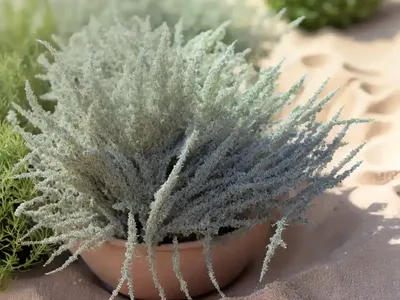
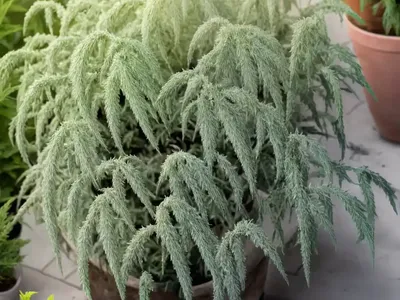
Due to its compact size and adaptability, Artemisia ludoviciana ‘Valerie Finnis’ is well-suited for container gardening. Whether grown in individual pots or as part of mixed container arrangements, White Sage adds a touch of elegance and fragrance to patios, decks, and balconies. When cultivating White Sage in containers, ensure that the pots have adequate drainage holes to prevent waterlogging. Additionally, selecting a well-draining potting mix and providing regular sun exposure are essential for the successful cultivation of White Sage in containers.
Common Diseases
While Artemisia ludoviciana ‘Valerie Finnis’ is relatively resistant to pests and diseases, it can occasionally encounter issues that may impact its health and vigor. Some common diseases that may affect White Sage include:
-
Powdery Mildew: This fungal disease can manifest as a powdery white coating on the foliage, leading to weakened growth and diminished aesthetic appeal. To mitigate powdery mildew, ensure proper air circulation and avoid overhead watering, which can create a favorable environment for the development of this disease. Additionally, removing and disposing of affected plant parts can help prevent the spread of powdery mildew.
-
Root Rot: Excessive moisture and waterlogged soil can predispose White Sage to root rot, a condition caused by fungal pathogens. To prevent root rot, ensure that the soil has excellent drainage and avoid overwatering. If root rot symptoms appear, such as wilting, yellowing foliage, or a foul odor from the roots, consider adjusting the watering regimen and improving soil drainage.
-
Rust: Rust diseases can cause orange to reddish-brown spots on the foliage of White Sage, leading to defoliation and reduced vigor. To manage rust, remove and destroy affected plant parts, and apply fungicidal sprays if the infection is severe. Maintaining proper air circulation and avoiding overhead watering can also help prevent the onset of rust diseases.
Disease Diagnosis
Diagnosing diseases in White Sage requires careful observation of the plant’s symptoms and an understanding of common plant diseases that may affect this species. When identifying potential diseases, consider the following aspects:
- Visual Symptoms: Look for discoloration, wilting, spotting, or abnormal growth patterns on the foliage and stems.
- Environmental Conditions: Assess the prevailing weather and soil moisture levels, as certain diseases are favored by specific environmental conditions.
- Pest Presence: In some cases, pest damage can predispose plants to secondary infections or weaken their immune responses, leading to disease susceptibility.
- Cultural Practices: Review the plant’s cultural history, including watering frequency, fertilization, and any recent changes that may have impacted its health.
By combining these observations and conducting research on common plant diseases, you can narrow down the potential causes of your White Sage’s health issues and take appropriate measures to address them.
Common Pests
Despite being relatively resistant to pests, Artemisia ludoviciana ‘Valerie Finnis’ may encounter occasional pest challenges. Some common pests that may affect White Sage include:
-
Aphids: These small, soft-bodied insects can cluster on the tender parts of White Sage, such as the young stems and undersides of leaves. Aphids can cause stunted growth and distorted foliage due to their feeding activities. To manage aphid infestations, physical removal, insecticidal soaps, or horticultural oils can be effective.
-
Spider Mites: Spider mites are tiny arachnids that can infest White Sage, particularly in hot and dry conditions. These pests cause stippling and discoloration of the foliage, leading to a weakened appearance. Regularly misting the plant to increase humidity and using insecticidal sprays can help suppress spider mite populations.
-
Whiteflies: Whiteflies are small, flying insects that congregate on the undersides of leaves, where they feed on plant sap. They can lead to yellowing, wilting, and reduced plant vigor. Introducing natural predators, such as beneficial insects or applying neem oil, can help manage whitefly infestations.
-
Snails and Slugs: These mollusks can feed on the foliage of White Sage, leaving behind irregular holes and damage. To control snails and slugs, implement physical barriers, such as copper tape, and consider using organic slug baits to protect your plants.
Botanist’s Tips
To enhance the success of growing Artemisia ludoviciana ‘Valerie Finnis’ (White Sage) and maximize its ornamental and practical benefits, consider the following tips:
-
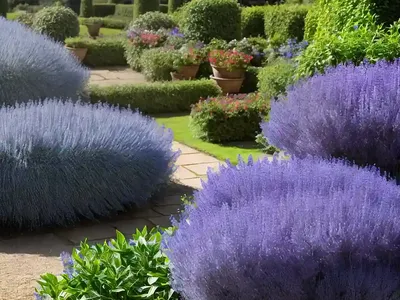
Companion Planting: White Sage exhibits beneficial properties when paired with certain companion plants. It can repel certain pests and attract beneficial insects, making it a valuable addition to herb and flower gardens. Consider interplanting White Sage with lavender, yarrow, and other aromatic perennials to create a beneficial and aesthetically pleasing landscape.
-
Harvesting and Drying: Harness the aromatic and medicinal qualities of White Sage by harvesting its foliage for use in herbal remedies, potpourri, and culinary applications. Harvest the leaves and stems in the morning when the aromatic oils are most concentrated, and dry them in a well-ventilated area away from direct sunlight to preserve their qualities.
-
Pollinator Support: White Sage produces small, inconspicuous flowers that are highly attractive to pollinators, particularly bees and butterflies. By incorporating White Sage into your garden, you can provide essential forage for pollinators and contribute to the biodiversity of your local ecosystem.
Fun Facts
As you explore the world of Artemisia ludoviciana ‘Valerie Finnis’ (White Sage), consider these intriguing and noteworthy facts about this remarkable plant:
- White Sage has been traditionally used by Indigenous cultures for ceremonial purposes, smudging, and purification rituals due to its aromatic and cleansing properties.
- The silvery-gray foliage of White Sage offers a striking contrast in gardens and landscapes, providing a visually appealing and low-maintenance ornamental element.
- White Sage varieties, such as ‘Valerie Finnis’, are esteemed for their enhanced vigor, compact habit, and exceptional adaptability to diverse growing conditions.
Links to External Resources
To deepen your knowledge and appreciation of Artemisia ludoviciana ‘Valerie Finnis’ (White Sage), explore the following external resources:
- The Spruce – White Sage Plant
- Missouri Botanical Garden – Artemisia ludoviciana
- North Carolina State University Extension – White Sage
- University of Florida IFAS Extension – Artemisia ludoviciana ‘Valerie Finnis’
- RHS – Artemisia ludoviciana ‘Valerie Finnis’
Whether you are drawn to the ornamental allure of White Sage, intrigued by its aromatic properties, or interested in its practical uses, these resources offer valuable insights and practical guidance for cultivating and appreciating this exceptional perennial plant.
Conclusion
Artemisia ludoviciana ‘Valerie Finnis’ (White Sage) encompasses a diverse range of attributes that make it a captivating addition to gardens, landscapes, and herbal endeavors. From its aromatic foliage and pollinator-attracting flowers to its resilience in challenging conditions, White Sage exemplifies the intrinsic beauty and practical value of native plants.
By understanding and implementing the cultural practices, uses, and maintenance techniques outlined in this guide, you can cultivate and cherish White Sage while contributing to the ecological richness of your surroundings. Whether you seek to create a native plant habitat, embrace herbal traditions, or enhance the visual appeal of your landscape, Artemisia ludoviciana ‘Valerie Finnis’ (White Sage) stands as a fitting choice for a rewarding and enriching gardening experience.
Remember to explore the recommended external resources to expand your knowledge and consult with local gardening experts or extension services for region-specific advice on growing and enjoying Artemisia ludoviciana ‘Valerie Finnis’ (White Sage).
With its timeless allure and multifaceted contributions, White Sage offers a harmonious blend of ornamental, aromatic, and practical benefits, enriching your outdoor spaces and fostering a deep appreciation for the wonders of nature.
References
- “Artemisia ludoviciana ‘Valerie Finnis'”, The Spruce. Link
- Missouri Botanical Garden, “Artemisia ludoviciana”. Link
- North Carolina State University Extension, “White Sage”. Link
- University of Florida IFAS Extension, “Artemisia ludoviciana ‘Valerie Finnis'”. Link
- Royal Horticultural Society (RHS), “Artemisia ludoviciana ‘Valerie Finnis'”. Link