Artemisia Schmidtiana ‘Nana’ (Wormwood)
Artemisia schmidtiana ‘Nana’, commonly known as wormwood, is a remarkable and versatile plant that has long captured the interest and imagination of.
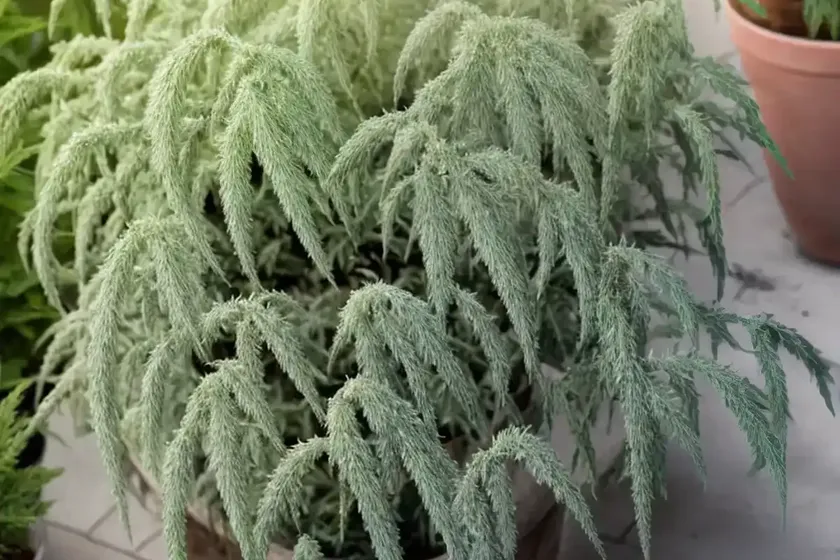
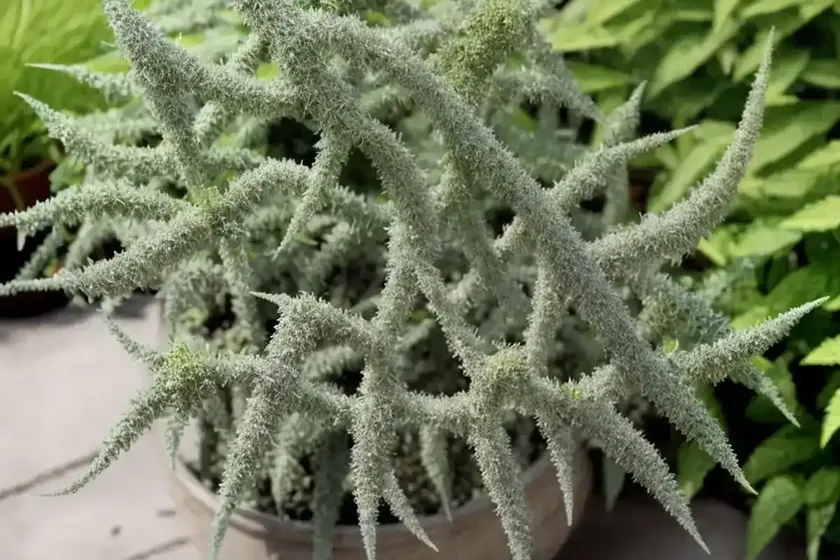
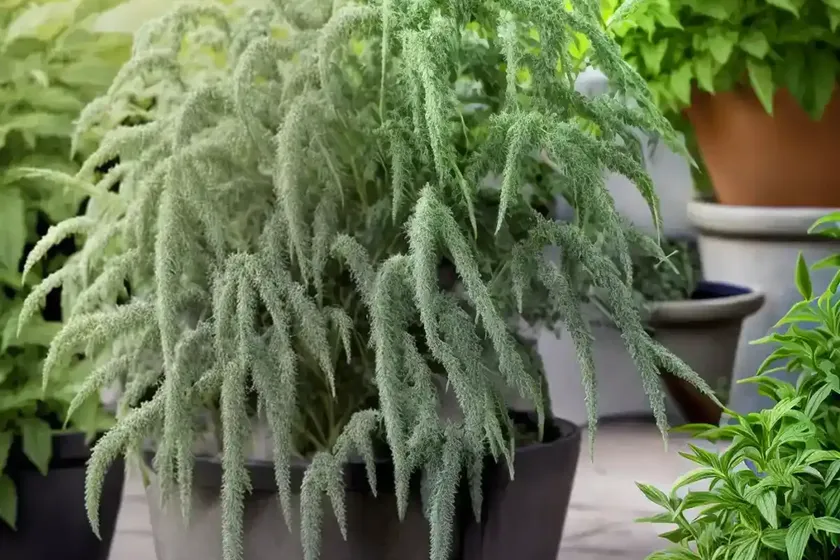
Artemisia schmidtiana ‘Nana’, commonly known as wormwood, is a remarkable and versatile plant that has long captured the interest and imagination of gardeners, herbal enthusiasts, and botanists. This species belongs to the Artemisia genus, which encompasses a diverse array of aromatic, flowering plants, and is renowned for its ornamental, medicinal, and ecological significance.
In this comprehensive guide, we will delve into the characteristics, culture, uses, and maintenance of Artemisia schmidtiana ‘Nana’, aiming to equip enthusiasts with the knowledge and skills needed to cultivate and appreciate this remarkable plant.
What is Artemisia schmidtiana ‘Nana’ (Wormwood)?
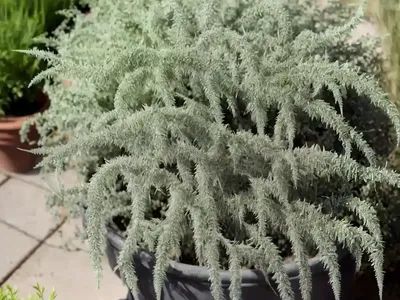
Artemisia schmidtiana ‘Nana’ is a low-growing, herbaceous perennial that is hailed for its finely textured, silvery foliage and its remarkable adaptability to various environmental conditions. This cultivar is a compact form of Artemisia schmidtiana and is revered for its ornamental qualities, making it a prized addition to gardens, landscapes, and container displays.
The term “wormwood” is derived from the Anglo-Saxon word “wermōd,” which translates to “mind preserver.” Its association with preserving the mind can be observed throughout history, as wormwood has been utilized for its reputed medicinal properties and aromatic attributes.
Key Takeaways – Artemisia schmidtiana ‘Nana’ (Wormwood)
Before delving into the specifics of cultivating Artemisia schmidtiana ‘Nana’, it’s essential to highlight key aspects of its culture, uses, and maintenance. The following takeaways serve as foundational knowledge for enthusiasts seeking to understand this exceptional plant:
Culture
- Artemisia schmidtiana ‘Nana’ is a low-maintenance plant that thrives in various environmental conditions, making it suitable for a wide range of gardening styles.
- It is well-adapted to xeriscapes, rock gardens, and container displays due to its drought tolerance and compact growth habit.
Uses
- This plant is valued for its ornamental attributes, serving as a visually appealing ground cover or edging plant in garden settings.
- Wormwood has historical and contemporary uses in herbal medicine and is esteemed for its aromatic and medicinal qualities.
Water
- Artemisia schmidtiana ‘Nana’ exhibits remarkable drought tolerance, requiring minimal irrigation once established.
- It is crucial to avoid overwatering, as excessive moisture can compromise the plant’s vigor and health.
Sunlight
- Full to partial sunlight is ideal for Artemisia schmidtiana ‘Nana’, as it promotes robust growth and enhances the silvery hue of its foliage.
Fertilizer
- This plant thrives in nutrient-poor soils and typically does not require regular fertilization.
- If necessary, a balanced, low-nitrogen fertilizer can be applied sparingly in spring to support initial growth.
Soil
- Well-draining, alkaline to neutral soils are preferred for Artemisia schmidtiana ‘Nana’, ensuring optimal root health and overall vitality.
Pruning
- Light pruning or periodic shaping can help maintain the plant’s compact form and promote healthy growth.
- Pruning is best performed in early spring before new growth emerges.
Propagation
- Wormwood can be propagated through division, stem cuttings, or seeds, providing enthusiasts with several options for expanding their plantings.
Container Popularity
- With its adaptability and appealing growth habit, Artemisia schmidtiana ‘Nana’ is a favored choice for container gardening, adding texture and visual interest to potted arrangements.
Common Diseases
- While generally resistant to diseases, Artemisia schmidtiana ‘Nana’ can be susceptible to issues related to excessive moisture, such as root rot and fungal infections.
Disease Diagnosis
- Regular monitoring for signs of leaf discoloration, wilting, or unusual growth patterns can aid in early disease detection, enabling prompt intervention if necessary.
Common Pests
- Aphids, spider mites, and nematodes are among the potential pests that may affect Artemisia schmidtiana ‘Nana’, requiring proactive management measures.
Botanist’s Tips
- Observing the plant’s natural growth cycle and choosing suitable companion plants can enhance the overall health and aesthetics of Artemisia schmidtiana ‘Nana’ plantings.
Fun Facts
- Wormwood has a rich history in folklore and traditional medicine, often associated with mystical and curative properties.
- The aromatic foliage of Artemisia schmidtiana ‘Nana’ can be utilized in potpourris, herbal crafts, and aromatic arrangements.
With these key takeaways in mind, let’s explore the nuances of cultivating and appreciating Artemisia schmidtiana ‘Nana’ in greater detail, including its cultural significance, practical uses, and horticultural considerations.
Culture of Artemisia schmidtiana ‘Nana’ (Wormwood)
Characteristics
Artemisia schmidtiana ‘Nana’ showcases several distinctive characteristics that contribute to its appeal and utility in diverse settings:
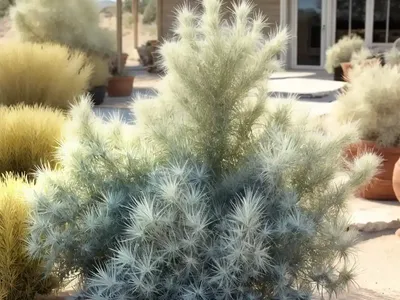
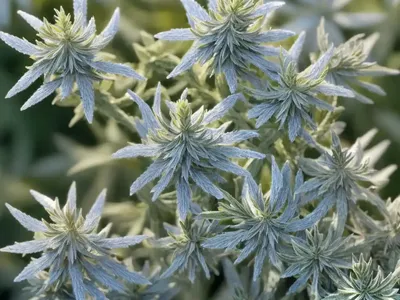
- Foliage: The plant’s foliage is finely dissected, exhibiting a silvery-gray hue that imparts a striking visual contrast in garden compositions. The leaves are aromatic, releasing a pleasant fragrance when brushed or crushed.
- Growth habit: ‘Nana’ denotes the compact, low-growing form of this cultivar, making it a suitable choice for border plantings, rock gardens, and container displays. It typically attains a height of 6-12 inches (15-30 cm) with a spread of 12-18 inches (30-45 cm), forming dense, mounding clumps.
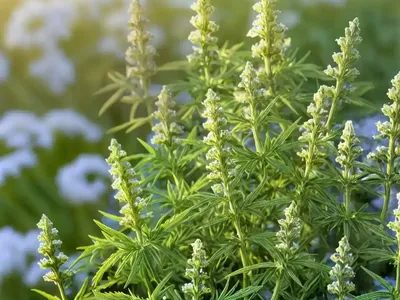
- Flowering: In mid to late summer, Artemisia schmidtiana ‘Nana’ produces tiny, inconspicuous, yellowish flowers atop slender stems. While the flowers are not a primary ornamental feature, they contribute to the plant’s ecological value by attracting pollinators.
Uses of Artemisia schmidtiana ‘Nana’ (Wormwood)
Ornamental Value
The ornamental qualities of Artemisia schmidtiana ‘Nana’ are central to its appeal in garden and landscape settings. Whether utilized as a ground cover, edging plant, or accent in mixed borders, the distinctive foliage and compact growth habit of this cultivar create captivating visual interest. Its versatility extends to container plantings, where it adds texture and resilience to potted arrangements.
Medicinal and Aromatic Qualities
Throughout history, various Artemisia species, including Artemisia schmidtiana ‘Nana’, have been valued for their medicinal and aromatic properties. The foliage of wormwood is rich in essential oils, contributing to its distinctive fragrance and potential therapeutic applications in herbal medicine and aromatherapy.
Ecological Significance
Artemisia schmidtiana ‘Nana’ and related species play a role in supporting pollinators and beneficial insects due to their nectar resources and foliage. By incorporating wormwood into garden designs, enthusiasts can contribute to the ecological diversity and vitality of their landscapes.
Water Requirements for Artemisia schmidtiana ‘Nana’
Wormwood is renowned for its exceptional drought tolerance, thriving in dry, arid conditions once established. As such, minimal irrigation is typically sufficient to sustain its growth and vitality. When watering this plant, it is essential to adhere to the following guidelines:
- Establishment phase: During the initial establishment period, providing moderate moisture can support root development and overall plant vigor. However, it is crucial to avoid waterlogged conditions, as excessive moisture can hinder the plant’s ability to establish a resilient root system.
- Mature plants: Once Artemisia schmidtiana ‘Nana’ is established, it is well-adapted to infrequent, deep watering. The plant’s deep-reaching roots enable it to withstand periods of drought and minimal rainfall without experiencing significant stress.
Sunlight Requirements for Artemisia schmidtiana ‘Nana’
Adequate sunlight is instrumental in promoting the health and visual appeal of Artemisia schmidtiana ‘Nana’. Full to partial sunlight conditions are ideal for this plant, facilitating robust growth and enhancing the lustrous, silvery sheen of its foliage. Here are key considerations regarding sunlight exposure for this cultivar:
- Full sunlight: When provided with full sunlight, Artemisia schmidtiana ‘Nana’ typically exhibits the most vigorous growth and an intensified silver-gray coloration in its foliage. This exposure encourages compact, dense growth and fosters the plant’s ornamental value.
- Partial sunlight: In locations with partial sunlight, such as areas with dappled shade or morning sun, the plant can still thrive and maintain its characteristic foliage color and texture. This adaptability to varying light conditions enhances its suitability for diverse garden settings.
Fertilizer Recommendations for Artemisia schmidtiana ‘Nana’
Artemisia schmidtiana ‘Nana’ is adapted to nutrient-poor soils and generally does not necessitate regular fertilization. However, occasional supplementation with a balanced, low-nitrogen fertilizer can be beneficial in specific scenarios, such as rejuvenating established plantings or supporting growth in marginally fertile soils. When considering fertilizer application for this cultivar, keep the following considerations in mind:
- Minimal fertilization: The low-fertility preferences of Artemisia schmidtiana ‘Nana’ align with its adaptation to lean, well-draining soils. Excessive fertilizer can lead to excessive vegetative growth at the expense of foliage quality.
- Spring application: If deemed necessary, a sparing application of a balanced, low-nitrogen fertilizer in early spring can provide a modest nutrient boost to support initial growth. However, it is crucial to avoid overfeeding and adhere to conservative fertilization practices.
Soil Preferences for Artemisia schmidtiana ‘Nana’
The soil requirements of Artemisia schmidtiana ‘Nana’ are integral to its vigor, root health, and overall performance in garden environments. Understanding and fulfilling its soil preferences contribute to sustainable growth and long-term cultivation success. Consider the following soil-related considerations when cultivating this plant:
- Well-draining soil: Wormwood thrives in soils with excellent drainage properties, preventing the risk of waterlogging and root zone saturation. Incorporating organic matter or grit into heavy soils can improve drainage and aeration around the plant’s root system.
- Alkaline to neutral pH: Artemisia schmidtiana ‘Nana’ favors alkaline to neutral soil pH levels, typically ranging from 6.5 to 7.5. Assessing the soil pH and making necessary amendments can support optimal nutrient uptake and biochemical processes within the plant.
Pruning of Artemisia schmidtiana ‘Nana’
Pruning plays a strategic role in maintaining the compact, tidy form of Artemisia schmidtiana ‘Nana’ and promoting healthy growth throughout the growing season. By adhering to prudent pruning practices, enthusiasts can manage the plant’s shape, remove spent foliage, and encourage robust development. The following points outline key considerations for pruning this cultivar:
- Light pruning: Early spring, before new growth commences, is an opportune time to engage in light pruning of Artemisia schmidtiana ‘Nana’. This entails removing any damaged, diseased, or unsightly growth, as well as addressing any overly vigorous stems that may compromise the plant’s overall appearance.
- Maintenance pruning: Throughout the growing season, periodic maintenance pruning can help mitigate the development of leggy or unruly growth, preserving the plant’s compact, mounding habit. Gently shaping the plant and refining its silhouette contributes to a tidy, aesthetically pleasing presence in the garden.
Propagation Methods for Artemisia schmidtiana ‘Nana’
Propagating Artemisia schmidtiana ‘Nana’ offers enthusiasts the opportunity to expand their plantings and share the distinct qualities of this cultivar with others. Whether through division, stem cuttings, or seeds, various propagation methods can be employed to perpetuate the presence of wormwood in garden and landscape settings. Here’s an overview of propagation considerations for this cultivar:
- Division: Dividing established clumps of Artemisia schmidtiana ‘Nana’ is a reliable method of propagation, typically performed in early spring or autumn. By carefully separating the root systems and accompanying stems, new plants can be established to populate additional areas in the garden or to share with fellow enthusiasts.
- Stem cuttings: Stem cuttings, taken from healthy, non-flowering shoots, can be utilized to propagate Artemisia schmidtiana ‘Nana’ with a high degree of success. Rooting hormone and well-draining propagation medium can facilitate the establishment of new plants from cuttings, thereby yielding genetically identical clones of the parent plant.
- Seeds: Collecting and sowing seeds from mature Artemisia schmidtiana ‘Nana’ plants enables enthusiasts to introduce new individuals to garden settings. Sowing seeds in well-draining, sterile medium and providing appropriate conditions for germination can yield young plants suited for subsequent transplanting.
Container Gardening Popularity
The adaptability and charming growth habit of Artemisia schmidtiana ‘Nana’ render it an attractive choice for container gardening endeavors. Whether utilized as a standalone specimen or combined with complementary plants in mixed compositions, wormwood adds texture, fragrance, and resilience to container displays. Consider the following insights when incorporating this cultivar into container gardening:
- Container selection: When selecting containers for Artemisia schmidtiana ‘Nana’, prioritize options that provide ample drainage to prevent water accumulation around the plant’s roots. Lightweight, porous materials, such as terra cotta or resin, can promote aeration and moisture regulation within the container.
- Complementary companions: Pairing wormwood with suitable companion plants in containers can enhance visual appeal and balance the composition. Consider incorporating low-maintenance, drought-tolerant species that harmonize with the silvery foliage and growth habits of Artemisia schmidtiana ‘Nana’ to create dynamic, captivating arrangements.
Common Diseases and Pest Management for Artemisia schmidtiana ‘Nana’
Disease Susceptibility and Diagnosis
Artemisia schmidtiana ‘Nana’ is generally resilient against diseases, owing to its adaptability and robust growth habits. However, certain environmental conditions or management practices can predispose the plant to specific issues that warrant vigilance and responsive action. It is essential to be mindful of potential diseases and engage in proactive monitoring to preserve the health and aesthetics of this cultivar:
- Root rot: Prolonged exposure to waterlogged or soggy soil can result in root rot and subsequent decline in the plant’s vigor. Symptoms include wilting, yellowing foliage, and a general lack of vitality. Implementing measures to improve soil drainage and avoid excessive moisture can mitigate the risk of root rot development.
- Fungal infections: Moist conditions and inadequate air circulation can create a conducive environment for fungal infections, leading to issues such as powdery mildew or rust. Regularly inspect the foliage for signs of abnormal discoloration, powdery residues, or distorted growth, and address any concerns promptly to limit the spread of fungal pathogens.
Pest Infestations and Mitigation
While Artemisia schmidtiana ‘Nana’ is relatively resistant to pest infestations, certain insects may pose potential challenges and necessitate appropriate management strategies to safeguard the plant’s well-being. By remaining attentive to signs of pest activity and proactively implementing control measures, enthusiasts can mitigate the impact of potential pests on this cultivar:
- Aphids: These small, sap-feeding insects can colonize the tender shoots and foliage of Artemisia schmidtiana ‘Nana’, leading to distorted growth and the development of sticky honeydew residue. Employing targeted sprays of insecticidal soap or horticultural oil can help manage aphid populations without compromising the plant’s overall health.
- Spider mites: Infestations of spider mites can manifest as stippled, discolored foliage and fine webbing on the plant’s surface. Regularly rinsing the foliage and maintaining adequate humidity levels can deter spider mite activity and support the plant’s resilience.
Botanist’s Tips for Cultivating Artemisia schmidtiana ‘Nana’
Observing Natural Growth Cycles
Investing time in observing the natural growth cycles and behaviors of Artemisia schmidtiana ‘Nana’ can provide valuable insights into its preferences, tolerances, and adaptive strategies. By closely monitoring the plant’s response to environmental conditions, seasonal changes, and cultural practices, enthusiasts can cultivate a deeper understanding of this cultivar and develop informed management approaches.
Choosing Suitable Companion Plants
Strategic companion planting can enhance the overall health and aesthetics of Artemisia schmidtiana ‘Nana’ and create dynamic, mutually beneficial garden associations. When selecting companion plants to grow alongside wormwood, consider species that exhibit compatible cultural preferences, visual harmony, and ecological synergies. By fostering diverse, interconnected plant communities, the garden can thrive with enhanced resilience and vitality.
Fun Facts about Artemisia schmidtiana ‘Nana’
Historical and Folklore Significance
Wormwood, including Artemisia schmidtiana ‘Nana’, has a rich historical and folklore heritage, entwined with legends, cultural symbolism, and mystical narratives. The plant has been associated with diverse traditions, beliefs, and rituals across various cultures, reflecting its enduring allure and significance. Exploring the historical and folklore connections of wormwood adds an enriching dimension to the appreciation of this captivating plant.
Aromatic Applications
The aromatic foliage of Artemisia schmidtiana ‘Nana’ offers diverse opportunities for creative and practical endeavors, from herbal crafts to sensory experiences. Whether utilized in aromatherapy, potpourris, or culinary explorations, the fragrant qualities of wormwood impart a distinctive allure and sensory appeal.
Links to External Resources
For further exploration of Artemisia schmidtiana ‘Nana’ and related topics, the following external resources provide valuable insights, practical guidance, and botanical knowledge:
- Royal Horticultural Society – Artemisia schmidtiana ‘Nana’
- Missouri Botanical Garden – Artemisia schmidtiana ‘Nana’
- University of Maryland Extension – Artemisia schmidtiana Fact Sheet
- North Carolina State University Extension – Growing Artemisia
- United States National Arboretum – Artemisia Cultivars for Gardens
As with any plant, continuous learning, hands-on experience, and the thoughtful application of horticultural practices are instrumental in cultivating and appreciating Artemisia schmidtiana ‘Nana’ to its fullest potential. With its ornamental beauty, aromatic allure, and historical resonance, wormwood embodies a captivating convergence of art, science, and cultural significance within the realm of plants. Embracing the nuances of Artemisia schmidtiana ‘Nana’ invites an immersive journey into the diverse realms of botany, gardening, and natural history.
In this in-depth guide to Artemisia schmidtiana ‘Nana’ (Wormwood), we’ve examined its cultural significance, practical uses, horticultural considerations, and botanical insights, aiming to provide a holistic understanding of this remarkable plant. Each aspect, from its ornamental appeal to its ecological associations, underscores the multifaceted nature of Artemisia schmidtiana ‘Nana’ and its enduring relevance in horticulture and beyond. Whether it’s the medicinal properties, companion planting tips, or historical folklore,