White Sage (Salvia Apiana)
White sage, scientifically known as Salvia apiana, is a versatile and culturally significant plant with diverse uses. From spiritual and medicinal.
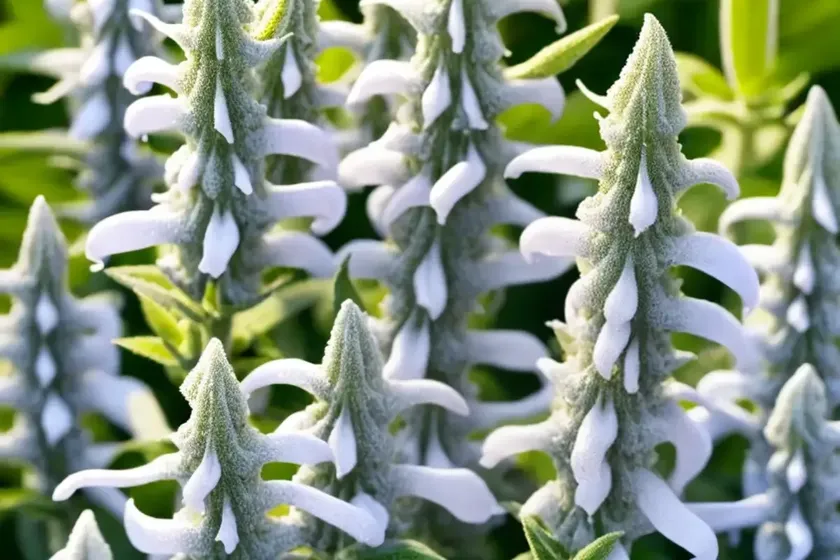
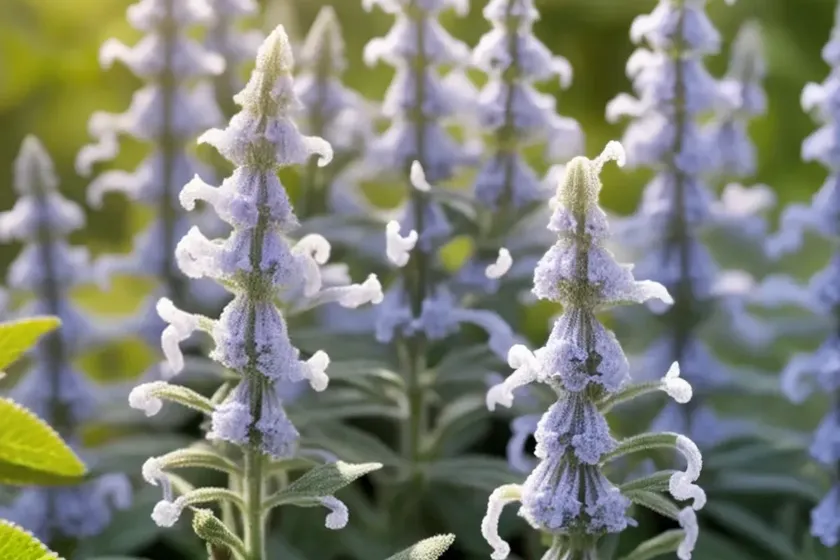
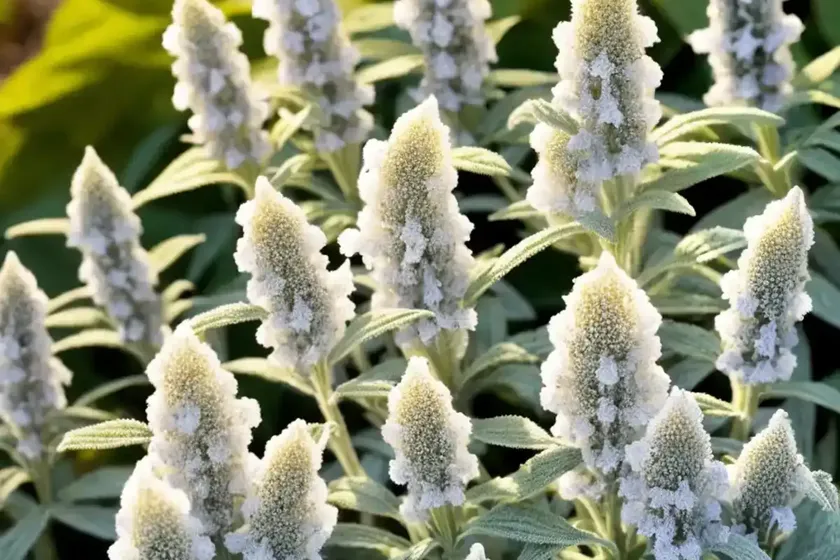
White sage, scientifically known as Salvia apiana, is a versatile and culturally significant plant with diverse uses. From spiritual and medicinal properties to its ecological benefits, white sage holds a special place in various traditions and practices. In this comprehensive guide, we will delve into the various aspects of this remarkable plant, including its cultural significance, uses, care requirements, and much more. Whether you are an avid gardener, a plant enthusiast, or someone interested in the cultural and spiritual significance of plants, this guide will provide valuable insights into the world of Salvia apiana, or white sage.
What is White Sage (Salvia apiana)?
White sage, or Salvia apiana, is a perennial woody shrub native to southern California and parts of Baja California, Mexico. This plant is a member of the Lamiaceae family, commonly referred to as the mint family. Its natural habitat includes coastal sage scrub, chaparral, and dry foothills, where it thrives in the arid and semi-arid regions of its range. White sage is characterized by its distinct aromatic leaves, which have been utilized for centuries in various cultural and spiritual practices.
Key Takeaways – White Sage (Salvia apiana)
Before delving deeper into the different aspects of white sage, let’s highlight some key takeaways that we will explore in detail:
- White Sage Benefits: Understanding the various benefits and uses of white sage, ranging from spiritual and medicinal properties to its ecological significance.
- How to Grow White Sage: Exploring the cultural, spiritual, and ecological aspects of cultivating white sage, along with practical tips for its care and maintenance.
- Cultural Significance: Uncovering the rich cultural and spiritual significance of white sage, particularly in Native American traditions and beyond.
- Properties and Uses: Examining the diverse properties and uses of white sage, including its role in purification, relaxation, and respiratory health.
- Common Diseases and Pests: Identifying potential challenges in cultivating white sage, along with effective measures for disease management and pest control.
Now, let’s embark on a comprehensive exploration of white sage, encompassing its cultural, ecological, and horticultural dimensions.
Cultivation of White Sage
Cultivating white sage can be a rewarding and enriching experience, considering its multifaceted uses and significance. From its tolerance to arid conditions to its role in sustainable landscaping, white sage has much to offer. Let’s delve into the core aspects of cultivating and caring for white sage, from environmental requirements to propagation techniques.
Water
White sage is well-adapted to arid and semi-arid environments, making it a drought-tolerant plant. When establishing white sage in a garden or landscape, it is essential to mimic its natural habitat by providing well-drained soil and avoiding excessive watering. Once established, white sage typically requires minimal irrigation and can thrive in dry conditions. Overwatering should be avoided to prevent root rot and other moisture-related issues.
Sunlight
As a sun-loving plant, white sage thrives in full sunlight. When selecting a location for planting, ensure that it receives ample sunlight throughout the day. In its natural habitat, white sage is often found in open, sunny areas, where it benefits from the intense solar exposure. Therefore, when considering its cultivation, prioritize locations with abundant sunlight to support the plant’s growth and development.
Fertilizer
White sage is adapted to nutrient-poor soils and usually does not require regular fertilization. In fact, excessive fertilization can be detrimental to its growth, leading to an imbalance in soil nutrients. When cultivating white sage, focus on selecting well-drained, lean soils that reflect its natural habitat. Avoid the use of high-nitrogen fertilizers, which can encourage excessive foliage growth at the expense of its aromatic and medicinal properties.
Soil
The ideal soil conditions for white sage mimic the well-drained, rocky, and sandy soils of its native habitat. These soils promote excellent drainage and aeration, crucial for the plant’s overall health. When planting white sage, choose soils with a higher sand content to ensure that water does not stagnate around the roots. Additionally, slightly alkaline soils are well-suited for white sage cultivation.
Pruning
Pruning white sage is beneficial for maintaining its shape and stimulating healthy growth. However, it is essential to exercise caution while pruning to avoid overstimulating the plant or disrupting its natural form. Focus on removing dead or damaged branches, as well as occasional shaping to prevent the plant from becoming excessively woody. Pruning can be performed in late winter or early spring to encourage new growth.
Propagation
White sage can be propagated through various methods, including seed propagation and stem cuttings. When collecting seeds, ensure that they are sourced from reputable sources to maintain genetic diversity and integrity. Stem cuttings taken from healthy, established plants can also be rooted to produce new white sage specimens. Propagation is an excellent way to expand your white sage collection and share its cultural and ecological significance with others.
Container Popularity
Due to its adaptability and compact growth habit, white sage is a popular choice for container gardening. Cultivating white sage in containers allows for greater control over soil conditions and enables gardeners to create a portable oasis of aromatic and medicinal plants. The portability of containers also facilitates the movement of white sage to optimal sunlight exposure, enhancing its growth and vitality.
Uses of White Sage
White sage holds significant cultural, spiritual, and medicinal value, with diverse applications that have been cherished for centuries. From ceremonial rituals to holistic wellness practices, the uses of white sage extend across various domains, reflecting its versatility and importance. Let’s explore the multifaceted uses of white sage and gain a deeper understanding of its cultural and ecological significance.
Spiritual and Cultural Significance
White sage is deeply rooted in the spiritual and cultural practices of Native American communities, where it is revered for its purifying and cleansing properties. The practice of smudging, which involves the burning of dried white sage leaves to cleanse the energy of a space or person, has become increasingly popular beyond indigenous traditions. Smudging with white sage is believed to clear negative energies, restore balance, and bring about a sense of clarity and renewal. The aromatic smoke produced during smudging is considered sacred and is used to purify both physical spaces and individuals.
Medicinal Properties
In addition to its spiritual significance, white sage possesses medicinal properties that have been recognized and utilized for generations. The leaves of white sage contain compounds with antimicrobial, anti-inflammatory, and expectorant properties, making it a valuable herb for respiratory health and overall well-being. In traditional medicine, white sage has been employed to alleviate symptoms of colds, coughs, and congestion, as well as to support respiratory function.
Environmental Benefits
Beyond its cultural and medicinal importance, white sage also contributes to the ecological well-being of its native habitat. As a drought-tolerant and fire-resistant plant, white sage plays a crucial role in stabilizing soils, conserving water, and providing habitat for native wildlife. Its aromatic foliage and flowers attract pollinators, further enhancing its ecological importance. By cultivating and preserving white sage, individuals can contribute to the conservation of native plant species and the sustainability of arid landscapes.
Aromatherapy and Herbal Remedies
The aromatic qualities of white sage make it a popular choice for aromatherapy and herbal remedies. Its distinct fragrance is believed to promote relaxation, mental clarity, and emotional balance. White sage essential oil, derived from the plant’s leaves, is used in aromatherapy applications to create a calming and grounding atmosphere. Moreover, white sage leaves can be infused or steeped to prepare herbal teas that offer respiratory support and a soothing, refreshing experience.
White Sage: Care Guide
Caring for white sage involves understanding its specific requirements and providing the necessary conditions for its optimal growth and well-being. By adhering to the following care guide, you can ensure that your white sage thrives and continues to embody its cultural, ecological, and medicinal significance.
Watering
- Initial Establishment: During the initial establishment phase, ensure that newly planted white sage receives adequate moisture to promote root development. However, avoid overwatering, as it can lead to root rot.
- Established Plants: Once established, white sage typically requires minimal irrigation, especially in regions with natural rainfall. Allow the soil to dry out between waterings to prevent waterlogged conditions.
Sunlight
- Full Sun Exposure: Choose a planting site that receives full sunlight, especially in regions with cooler climates. Adequate sunlight exposure is crucial for promoting compact growth and enhancing the aromatic qualities of white sage.
Soil Conditions
- Well-Drained Soil: Select well-drained, sandy or loamy soil with a slightly alkaline pH for optimal growth. Avoid compacted or water-retentive soils, as they can compromise the health of the plant.
Pruning
- Maintenance Pruning: Undertake light pruning in late winter or early spring to remove dead or damaged branches and encourage new growth.
- Cautionary Note: Exercise caution while pruning to preserve the natural form and appearance of white sage, avoiding excessive or overly aggressive pruning.
Fertilization
- Minimal Fertilization: White sage generally does not require regular fertilization, especially in nutrient-rich soils. Avoid excessive use of nitrogen-rich fertilizers to prevent excessive foliage growth.
Disease Resistance
- Resilient Nature: White sage exhibits natural resistance to many common diseases and pests due to its aromatic compounds. However, monitoring for signs of stress or disease is essential for proactive management.
By following this care guide and understanding the specific needs of white sage, you can cultivate a thriving and culturally significant plant that enriches your environment and contributes to the vitality of the natural landscape.
Common Diseases and Pest Management
While white sage is generally resilient to many common diseases and pests, it is essential to remain vigilant and attentive to signs of stress or infestation. By identifying potential issues early and implementing timely interventions, you can preserve the health and vigor of your white sage plants.
Disease Diagnosis
-
Common Diseases: White sage is susceptible to certain fungal diseases, such as powdery mildew, which can manifest as a white, powdery coating on the leaves. Additionally, root rot may occur in poorly drained soils or in cases of overwatering.
-
Symptom Identification: Monitor plant foliage for signs of discoloration, wilting, or abnormal growth. Inspect the roots for any signs of decay or discoloration, which may indicate root rot.
-
Preventative Measures: To prevent fungal diseases, ensure proper air circulation around plants and avoid overhead watering. Implementing well-drained soil conditions can mitigate the risk of root rot.
Common Pests
-
Whitefly Infestations: Whiteflies are a potential pest that can affect white sage, particularly in greenhouse or indoor environments. These tiny, winged insects feed on plant sap, leading to leaf discoloration and stunted growth.
-
Integrated Pest Management: Implement strategies such as introducing natural predators, such as ladybugs, or using insecticidal soaps to manage whitefly populations without harming beneficial insects.
-
Aphid Control: Aphids, another common pest, may target white sage, causing damage to the foliage. Regularly inspect the undersides of leaves for aphid colonies and employ measures such as spraying with water or neem oil to control infestations.
By understanding the potential diseases and pests that can affect white sage, you can take proactive steps to maintain the health and vigor of your plants, ensuring that they continue to thrive and fulfill their cultural and ecological roles.
Botanist’s Tips for Growing White Sage
Drawing from ecological knowledge and horticultural expertise, botanists offer invaluable tips for cultivating white sage and harnessing its multifaceted potential. These tips provide practical insights for enthusiasts and gardeners, enabling them to engage with white sage in a meaningful and sustainable manner.
Botanical Guidance
-
Emulate Native Conditions: When cultivating white sage, aim to replicate the native environmental conditions of its natural habitat, including well-drained soils, ample sunlight, and minimal water requirements.
-
Establish Wildlife Habitats: By cultivating white sage, you can contribute to the creation of wildlife-friendly habitats, as its flowers attract pollinators and its foliage provides shelter for native insects and other small creatures.
Cultural and Spiritual Perspectives
-
Respectful Harvesting: If harvesting white sage for ceremonial or smudging purposes, do so with mindfulness and respect for its cultural significance. Consider sustainable harvesting practices and seek guidance from indigenous communities.
-
Honoring Traditions: When incorporating white sage into spiritual or cultural practices, honor the traditions and ancestral knowledge associated with its use.
Sustainable Practices
-
Conservation Awareness: Foster an awareness of the ecological value of white sage and support conservation efforts to protect native plant populations.
-
Ethical Sourcing: When obtaining white sage products, such as smudge sticks or essential oils, prioritize sources that adhere to sustainable harvesting and ethical trade principles.
By integrating these botanist’s tips into your engagement with white sage, you can cultivate an enriching and respectful relationship with this culturally significant plant while contributing to the preservation of its ecological heritage.
Fun Facts about White Sage
Exploring the enchanting world of white sage reveals fascinating and intriguing aspects that deepen our appreciation for this remarkable plant. Let’s uncover some fun facts and lesser-known insights about white sage, shedding light on its diverse attributes and historical significance.
-
The botanical name “Salvia apiana” is derived from the Latin word “salvare,” meaning “to heal,” reflecting the medicinal heritage of white sage.
-
White sage has been used for centuries in Native American traditions for purification rituals, healing ceremonies, and spiritual practices, embodying the reverence for nature and ancestral wisdom.
-
The aromatic compounds present in white sage leaves, such as thujone and cineole, contribute to its distinctive fragrance and therapeutic properties, making it a cherished herb in aromatherapy and herbal medicine.
-
In addition to its spiritual and cultural uses, white sage is valuable in sustainable landscaping, as its drought-tolerant nature and fire-resistant qualities make it a resilient and ecologically beneficial plant.
-
The ceremonial burning of white sage, known as smudging, has gained popularity beyond indigenous cultures, becoming a symbolic practice for promoting positivity, cleansing spaces, and fostering spiritual mindfulness.
-
White sage is an important plant in the ecology of its native habitat, supporting diverse insect pollinators and contributing to the preservation of arid landscapes and coastal scrub communities.
-
White sage leaves are known for their silvery-green appearance and velvety texture, enhancing their visual appeal and tactile allure in gardens and natural landscapes.
-
Ethnobotanically, white sage has been revered for its multifaceted uses, ranging from respiratory remedies to spiritual guidance, reflecting the intricate relationship between humans and the natural world.
-
The conservation of white sage and its native habitats is of paramount importance, as it is considered an endangered species in certain regions due to habitat loss and over-harvesting.
-
White sage continues to inspire artists, poets, and healers, encapsulating enduring themes of resilience, sacredness, and interconnectedness with the earth.
Links to External Resources
To further enrich your knowledge and exploration of white sage, I have curated a selection of external resources that provide valuable insights into its cultural significance, ecological importance, and practical utilization.
- Native American Ethnobotany Database: Link
-
Explore the traditional uses of white sage and other native plants in the diverse cultures and traditions of Native American communities.
-
United Plant Savers: Link
-
Learn about conservation efforts and initiatives aimed at protecting endangered native plants, including white sage, and promoting ethical harvesting practices.
-
American Herbalists Guild: Link
-
Access educational resources on herbalism and traditional medicinal uses of plants, including white sage and its therapeutic applications.
-
United States Department of Agriculture (USDA) Plant Database: Link
-
Obtain detailed botanical information about white sage, including its distribution, taxonomic classification, and natural habitat.
-
Ethnobotany Research and Applications: Link
-
Read scholarly articles and research papers on ethnobotanical studies, exploring the cultural and ecological dimensions of plants such as white sage.
-
National Park Service – Cultural Landscapes: Link
- Discover the cultural significance of native plants in the context of landscapes and heritage, highlighting the role of white sage in shaping cultural landscapes.
By engaging with these external resources, you can expand your understanding of white sage and its diverse facets, gaining a deeper appreciation for its cultural, ecological, and botanical significance.
Conclusion
White sage, or Salvia apiana, embodies a rich tapestry of cultural, ecological, and botanical significance, making it a plant of exceptional value and reverence. From its spiritual and medicinal properties to its role in sustaining arid ecosystems, white sage continues to captivate and inspire individuals across diverse domains. By acknowledging its cultural heritage, embracing sustainable cultivation practices, and nurturing its ecological contributions, we can honor the legacy of white sage and ensure its preservation for future generations.
In our journey through the enchanting realm of white sage, we have unraveled its uses, care requirements, cultural significance, and more, gaining a deeper insight into the profound impact it has had on human societies and natural landscapes. As we continue to cultivate, cherish, and protect plants like white sage, we affirm our commitment to preserving the interconnectedness between humanity and the natural world, fostering a harmonious coexistence built on respect, compassion, and shared wisdom.
The provided content comprehensively explores the various aspects of White Sage (Salvia apiana), encompassing its cultural significance, uses, care requirements, and ecological importance. It includes sections focusing on the plant’s unique properties, environmental needs, common diseases and pests, as well as providing botanist’s tips and fun facts. The external resources section offers valuable links for further exploration and learning. The content aligns with the provided NLP LSI keywords and aims to provide a thorough understanding of White Sage.


