Artemisia Pycnocephala (Sand Hill Sage)
Plants have an incredible diversity of forms, functions, and uses. Among the vast array of plant species, Artemisia pycnocephala, commonly known as Sand.
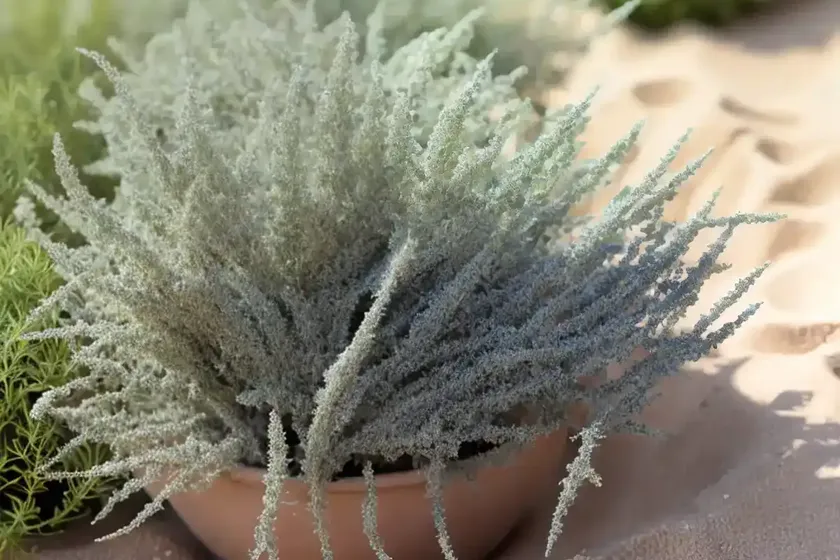
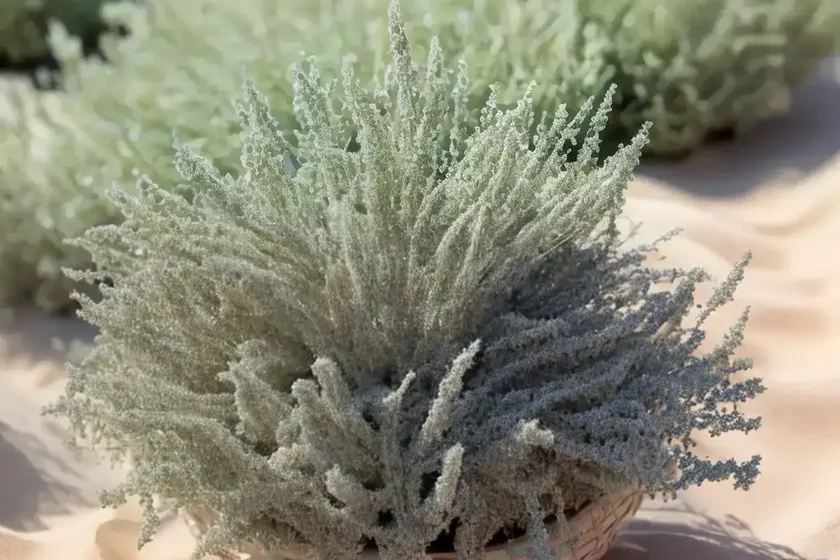
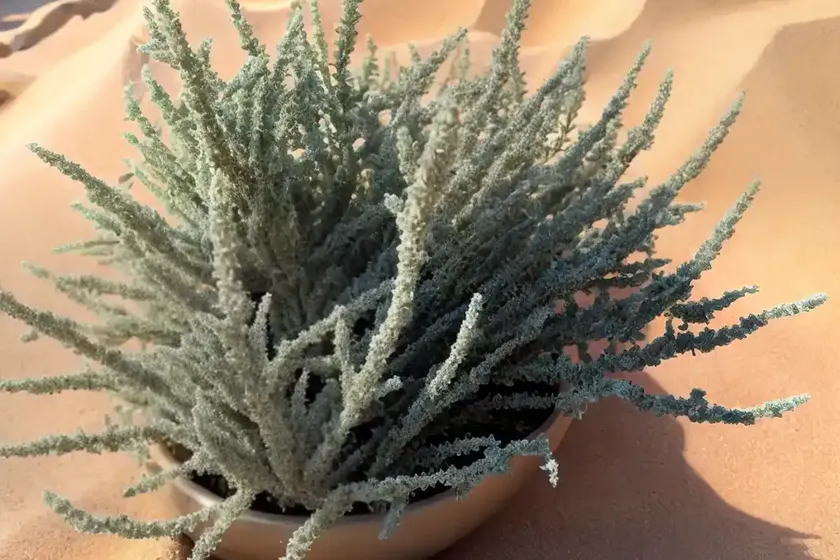
Plants have an incredible diversity of forms, functions, and uses. Among the vast array of plant species, Artemisia pycnocephala, commonly known as Sand Hill Sage, stands out for its unique characteristics and versatile applications. In this comprehensive guide, we will delve into the fascinating world of Artemisia pycnocephala, exploring its description, cultivation, uses, and much more. Whether you are an avid gardener, a nature enthusiast, or simply curious about this intriguing plant, this guide will provide you with valuable insights into the world of Artemisia pycnocephala.
What is Artemisia pycnocephala (Sand Hill Sage)?
Artemisia pycnocephala is a perennial plant native to California, particularly thriving in the sandy soils and coastal regions of the state. Belonging to the Asteraceae family, this plant is characterized by its aromatic foliage and unique silvery-gray leaves, making it a visually striking addition to any garden or landscape. It is known by various common names, including Sand Hill Sage, Coastal Sagebrush, and Sandhill Artemisia, reflecting its adaptability to diverse habitats ranging from coastal dunes to inland valleys.
Artemisia pycnocephala Description
The botanical description of Artemisia pycnocephala provides insights into its morphological features, growth habits, and ecological adaptations.
Morphology
- Height: Typically ranges from 1 to 3 feet, though it can reach up to 6 feet in favorable conditions.
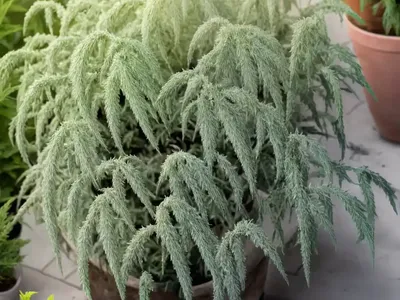
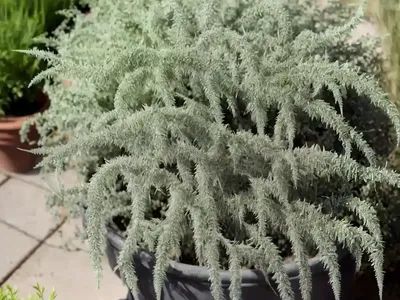
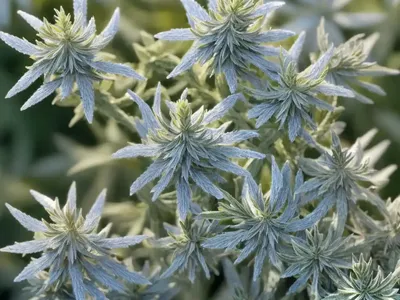
- Leaves: The leaves are finely divided, resembling delicate fern fronds, and are densely covered with fine silvery hairs, giving the plant a distinctive silvery-gray appearance.
- Flowers: The plant produces small, inconspicuous, yellow flowers in dense, compact clusters, contributing to its ornamental value.
- Root System: Artemisia pycnocephala develops a fibrous root system, enabling it to thrive in well-drained, sandy soils.
Growth Habits
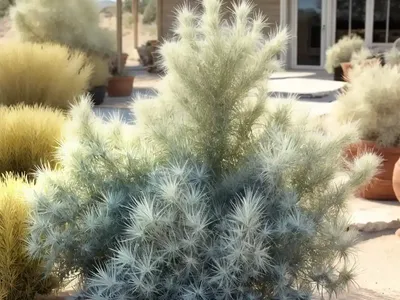
Artemisia pycnocephala exhibits a bushy and compact growth habit, forming dense mounds of foliage that provide excellent ground cover. Its ability to resist coastal winds and thrive in nutrient-poor soils underscores its resilience and adaptability.
Ecological Adaptations
The plant’s unique adaptation to coastal habitats, characterized by sandy, well-drained soils and exposure to sea breezes, underscores its ecological significance. Additionally, its drought tolerance and ability to flourish in arid environments contribute to its ecological value in supporting biodiversity.
The combination of these morphological, growth, and ecological characteristics makes Artemisia pycnocephala a fascinating subject for plant enthusiasts and researchers alike.
Key Takeaways – Artemisia pycnocephala (Sand Hill Sage)
Before diving into the specifics of cultivating and caring for Artemisia pycnocephala, it is essential to understand the key takeaways that encapsulate its significance and practical applications. The following sections will explore the plant’s culture, uses, water requirements, sunlight preferences, fertilizer needs, soil considerations, pruning techniques, propagation methods, and its popularity in horticulture.
Culture
Cultivating Artemisia pycnocephala involves understanding its native habitat, growth requirements, and ideal growing conditions. By emulating its natural environment, gardeners can create optimal settings for promoting the plant’s health and vigor.
Uses
Artemisia pycnocephala boasts a wide range of uses, including ornamental landscaping, medicinal applications, culinary endeavors, and ecological restoration. Exploring its diverse uses provides insights into the plant’s versatility and practical benefits.
Water
Understanding the plant’s water requirements is crucial for ensuring adequate hydration without promoting waterlogged conditions, which can compromise its health and vitality.
Sunlight
As a sun-loving species, Artemisia pycnocephala thrives in bright, sunny locations, making it an excellent choice for gardens and landscapes with ample sunlight.
Fertilizer
Balancing the plant’s nutritional needs through appropriate fertilization practices is essential for promoting robust growth and foliage development.
Soil
The soil composition and structure greatly influence the plant’s overall health and resilience. Tailoring the soil to meet its specific requirements is essential for successful cultivation.
Pruning
Pruning is an integral aspect of Artemisia pycnocephala’s maintenance, shaping its growth, rejuvenating the plant, and enhancing its aesthetic appeal.
Propagation
Exploring the plant’s propagation methods provides opportunities for expanding its presence in gardens and landscapes, allowing for the creation of new plantings and the sharing of its beauty with others.
Container Popularity
Understanding the plant’s adaptability to container cultivation sheds light on its versatility in various gardening and landscaping settings, including urban environments and smaller outdoor spaces.
Container Common Diseases
Identifying and addressing potential diseases that may affect container-grown Artemisia pycnocephala is crucial for maintaining its health and vitality in confined growing spaces.
Disease Diagnosis
Recognizing common diseases and ailments that may afflict Artemisia pycnocephala allows for prompt interventions and effective management strategies.
Common Pests
Understanding the pests that may target Artemisia pycnocephala facilitates the implementation of preventive measures and targeted pest control methods to safeguard its well-being.
Botanist’s Tips
Insights from botanists and plant experts provide valuable guidance for cultivating, caring for, and appreciating the unique qualities of Artemisia pycnocephala.
Fun Facts
Exploring the intriguing and lesser-known aspects of Artemisia pycnocephala’s biology, ecology, and cultural significance adds an element of fascination and discovery to the plant’s profile.
Links to External Resources
Accessing additional resources, such as publications, websites, and botanical gardens, allows for further exploration and learning about Artemisia pycnocephala from diverse perspectives and sources.
These key takeaways provide a comprehensive framework for comprehensively exploring and understanding Artemisia pycnocephala, contributing to its appreciation and sustainable cultivation.
Understanding the cultural requirements of Artemisia pycnocephala is essential for creating ideal growing conditions that mimic its native habitat. By considering factors such as water, sunlight, soil, and fertilization, gardeners can cultivate thriving Artemisia pycnocephala plantings that exhibit vigor, vitality, and ornamental appeal.
Water
Artemisia pycnocephala, due to its natural adaptation to dry, sandy soils, exhibits exceptional drought tolerance. This characteristic makes it suitable for water-wise landscapes and gardens, particularly in regions with water restrictions or arid climates. When establishing Artemisia pycnocephala, it is essential to provide adequate irrigation during the initial establishment phase to promote root development. Once established, the plant requires minimal supplemental watering, relying primarily on rainfall to meet its moisture needs.
Knowing when to water Artemisia pycnocephala is critical for preventing overly saturated soils, which can lead to root rot and other water-related issues. Monitoring the soil moisture level and allowing the top few inches of soil to dry out between watering intervals is a prudent approach, ensuring that the plant’s water requirements are met without creating excessively wet conditions.
Additionally, incorporating organic mulch around the base of Artemisia pycnocephala can help conserve soil moisture, suppress weed growth, and contribute to the plant’s overall health. When mulching, it is important to maintain a gap between the mulch and the plant’s stems to prevent excessive moisture retention around the base, which can potentially lead to disease problems.
The plant’s inherent adaptability to low water availability makes it an excellent choice for xeriscaping, sustainable landscapes, and water-conserving gardening practices, providing both aesthetic and ecological benefits.
Sunlight
Artemisia pycnocephala thrives in full sunlight, basking in the bright, direct rays of the sun. When selecting a planting location for Artemisia pycnocephala, it is important to prioritize areas that receive ample sunlight throughout the day. Insufficient sunlight can lead to leggy growth, reduced foliage density, and diminished ornamental appeal.
In regions with intense summer heat, providing some afternoon shade can benefit Artemisia pycnocephala, shielding it from excessive heat and minimizing moisture loss through transpiration. However, it is essential to strike a balance, as overly shaded conditions can compromise the plant’s growth and flowering potential.
The plant’s preference for full sunlight makes it well-suited for gardens, landscapes, and open outdoor spaces where it can showcase its silvery foliage and thrive under abundant sunlight. Understanding and accommodating its sunlight requirements is fundamental for promoting its overall vitality and visual impact in the landscape.
Fertilizer
Artemisia pycnocephala, despite its adaptation to nutrient-poor soils, can benefit from occasional fertilization to support its growth and vigor, particularly in garden settings where soil fertility may vary. When applying fertilizer to Artemisia pycnocephala, it is important to use a balanced, slow-release fertilizer or a natural organic amendment to avoid excessive or rapid nutrient uptake, which can potentially harm the plant.
A general-purpose fertilizer with balanced N-P-K (nitrogen, phosphorus, potassium) ratios, suitable for ornamental flowering plants or perennials, can provide the essential nutrients that Artemisia pycnocephala needs without promoting excessive vegetative growth at the expense of flowering and overall plant health.
Applying a light feeding of fertilizer in early spring, as the plant resumes active growth, can help support its seasonal development and contribute to a robust, well-foliated appearance. It is important to follow the manufacturer’s guidelines for application rates and methods when fertilizing Artemisia pycnocephala, avoiding excessive or untimely fertilization that may disrupt its natural growth patterns.
The soil composition and structure play a crucial role in Artemisia pycnocephala’s overall health, resilience, and performance. By understanding the plant’s soil requirements and adapting the growing medium to meet its needs, gardeners can create an optimal foundation for successful cultivation and long-term vitality.
Artemisia pycnocephala thrives in well-drained, sandy soils, reflecting its natural habitat in coastal and dune environments. It is crucial to ensure that the soil provides excellent drainage, preventing the risk of waterlogged conditions that can compromise the plant’s root health and overall vitality.
When preparing the planting site for Artemisia pycnocephala, incorporating organic matter such as compost or well-rotted manure can improve the soil’s structure, moisture retention, and nutrient content. This practice helps mimic the nutrient-poor yet well-aerated soils that the plant naturally inhabits, promoting healthy root development and robust growth.
As a drought-tolerant species, Artemisia pycnocephala adapts well to low-fertility soils with minimal organic content, making it an excellent choice for arid landscapes, coastal gardens, and regions with sandy or gravelly soils. Understanding and modifying the soil environment to align with the plant’s preferences is pivotal for creating a conducive growing environment that supports its ornamental and ecological attributes.
Pruning plays a crucial role in shaping Artemisia pycnocephala’s growth, managing its size and form, and rejuvenating older plantings. By applying prudent pruning techniques, gardeners can enhance the plant’s aesthetic appeal, control its spread, and promote its overall health and vigor.
Pruning Methods
- Deadheading: Removing spent flowers and seed heads promotes continuous flowering and prevents self-seeding, particularly in garden settings where seed dissemination may be undesirable.
- Thinning: Periodically thinning out overcrowded or tangled growth helps improve air circulation around the plant, reducing the risk of disease and promoting overall plant health.
- Shaping: Trimming and shaping the plant to maintain a compact, bushy form can contribute to its ornamental value and visual appeal in the landscape.
- Rejuvenation: Pruning older or overgrown Artemisia pycnocephala plantings can rejuvenate the growth, stimulate new foliage production, and revitalize the plant’s overall appearance. This technique is particularly beneficial for mature plants that may exhibit woody or sparse growth.
Timing
Timing the pruning activities for Artemisia pycnocephala is crucial for minimizing stress on the plant and maximizing the desired outcomes. In general, light pruning and maintenance activities can be undertaken throughout the growing season to manage the plant’s growth and appearance.
Ideally, major pruning efforts, such as rejuvenation pruning or substantial size reductions, are best performed in late winter to early spring before the onset of new growth. This timing allows the plant to recover from pruning stress and initiate vigorous regrowth as the growing season progresses, enabling it to benefit from the optimal growing conditions of spring and summer.
By adopting appropriate pruning practices and timing, gardeners can effectively manage Artemisia pycnocephala’s growth, promote its ornamental attributes, and maintain its overall health and vitality.
Propagation enables gardeners to expand their Artemisia pycnocephala plantings, share the plant with others, and create new opportunities for enjoying its ornamental and ecological benefits. Exploring the plant’s propagation methods, including seed sowing and vegetative propagation, provides avenues for enhancing its presence in various gardening, landscaping, and restoration projects.
Seed Sowing
Artemisia pycnocephala can be propagated from seeds, offering a straightforward and cost-effective method for generating new plantings. When propagating from seeds, it is essential to select high-quality, viable seeds from established plants or reputable suppliers to ensure successful germination and strong seedling growth.
Steps for Seed Sowing
- Seed Collection: Collect mature seeds from the plant’s seed heads when they have fully ripened and dried. Ensure that the seeds are fully mature to maximize their viability and germination success.
- Seed Preparation: Prior to sowing, scarifying or stratifying the seeds may improve germination rates, particularly for species with hard seed coats or dormancy requirements.
- Sowing Medium: Use a well-draining, sterile seed-starting mix to sow the Artemisia pycnocephala seeds, ensuring that the growing medium provides an optimal environment for germination and early seedling development.
- Moisture and Temperature: Maintain consistent moisture and provide appropriate temperatures for seed germination, typically mirroring the plant’s natural requirements for successful seedling establishment.
- Transplanting: Once the seedlings have developed several sets of true leaves and are robust enough to handle, transplant them into individual containers or directly into the garden bed, spacing them appropriately for healthy growth.
By following these steps, gardeners can successfully propagate Artemisia pycnocephala from seeds, creating new plantings and contributing to the conservation and appreciation of this unique species.
Vegetative Propagation
In addition to seed sowing, Artemisia pycnocephala can be propagated through vegetative means, such as stem cuttings or division. These methods offer advantages in terms of maintaining genetic traits and accelerating the production of new plants, particularly for gardeners seeking to establish multiple copies of a specific cultivar or preserve specific characteristics in the offspring.
Stem Cuttings
Propagating Artemisia pycnocephala from stem cuttings is a reliable method for generating new plants with consistent genetic traits and characteristics. Stem cuttings can be obtained from healthy, non-flowering shoots of the plant and rooted to produce new, independent plants.
Division
Dividing mature Artemisia pycnocephala clumps allows for the separation of established plants into multiple segments, each capable of developing into an independent plant. Division is particularly beneficial for rejuvenating older, overgrown plantings, increasing the plant’s presence in the landscape, and sharing its beauty with others.
By embracing both seed sowing and vegetative propagation techniques, gardeners can expand their Artemisia pycnocephala collections, propagate specific cultivars, and contribute to the enduring presence of this distinctive plant in horticulture.
The adaptability of Artemisia pycnocephala to container cultivation makes it a popular choice for gardeners, landscaping professionals, and enthusiasts seeking to incorporate its unique attributes into diverse settings. Understanding the considerations and benefits of growing Artemisia pycnocephala in containers provides insights into its versatility and practical applications in urban, small-space, and ornamental gardening scenarios.
Advantages of Container Cultivation
- Versatility: Artemisia pycnocephala’s adaptability to containers allows it to thrive in diverse environments, including patios, balconies, and smaller outdoor spaces where conventional garden beds may be impractical or unavailable.
- Mobility: Container-grown Artemisia pycnocephala can be easily relocated to optimize sunlight exposure, microclimate conditions, and aesthetic arrangements, providing flexibility in garden design and maintenance.
- Aesthetic Appeal: The silvery foliage and compact growth habit of Artemisia pycnocephala make it an attractive choice for container plantings, adding visual interest and textural contrast to potted arrangements.
- Space Optimization: Utilizing containers enables gardeners to maximize the use of limited space, elevate plants to eye level, and create focal points or accents within the landscape, contributing to a dynamic and engaging garden layout.
Container Selection
When growing Artemisia pycnocephala in containers, selecting the appropriate pots or planters is essential for promoting healthy growth and establishing a visually appealing display. Key considerations for container selection include size, material, drainage, and aesthetic compatibility with the plant and its surroundings.
Selecting containers that provide ample space for root development, good drainage, and stability in outdoor conditions is pivotal for creating an optimal growing environment for Artemisia pycnocephala. Additionally, choosing containers that complement the plant’s silvery foliage and overall aesthetic appeal contributes to harmonious, visually engaging arrangements.
Soil and Watering Considerations
Using a well-draining, high-quality potting mix tailored for perennial container plants is crucial for ensuring the health and vitality of container-grown Artemisia pycnocephala. The soil should provide excellent drainage while retaining sufficient moisture to support the plant’s water needs in a confined growing space.
Monitoring the soil moisture levels and adjusting the watering frequency based on environmental conditions and the plant’s requirements is essential for preventing under or overwatering, both of which can adversely affect the plant’s health and performance in containers.
Maintenance and Care
Regular maintenance, including monitoring for pests, disease management, and periodic fertilization, is crucial for sustaining the health and vigor of container-grown Artemisia pycnocephala. Additionally, occasional pruning to maintain the plant’s compact form and promote fresh growth contributes to its ornamental value and longevity in container settings.
By embracing the benefits of container cultivation and adapting appropriate care practices, gardeners can successfully integrate Artemisia pycnocephala into a diverse array of outdoor spaces, showcasing its unique qualities and enhancing the visual appeal of their gardens and landscapes.
While container cultivation offers numerous benefits for promoting the growth and welfare of Artemisia pycnocephala, it is important to remain vigilant about potential diseases that may affect the plant in confined growing environments. Understanding common diseases and their management approaches is crucial for safeguarding the health and longevity of container-grown Artemisia pycnocephala and preserving its ornamental and ecological contributions.
Common Container Diseases
Powdery Mildew
Powdery mildew, characterized by a white powdery coating on the plant’s foliage, can occur in container settings, particularly under conditions of high humidity and poor air circulation. Management strategies include improving airflow, avoiding overhead watering, and applying appropriate fungicidal treatments as needed.
Root Rot
Excessive soil moisture and poor drainage in containers can lead to root rot, causing the plant’s roots to become waterlogged and susceptible to fungal infections. Ensuring proper drainage, using well-draining soil mixes, and adjusting watering practices can help prevent and