Artemisia Ludoviciana (White Sage)
Artemisia ludoviciana, commonly known as White Sage, is a perennial herbaceous plant with a silver-grey foliage and a strong, pleasant fragrance. This.
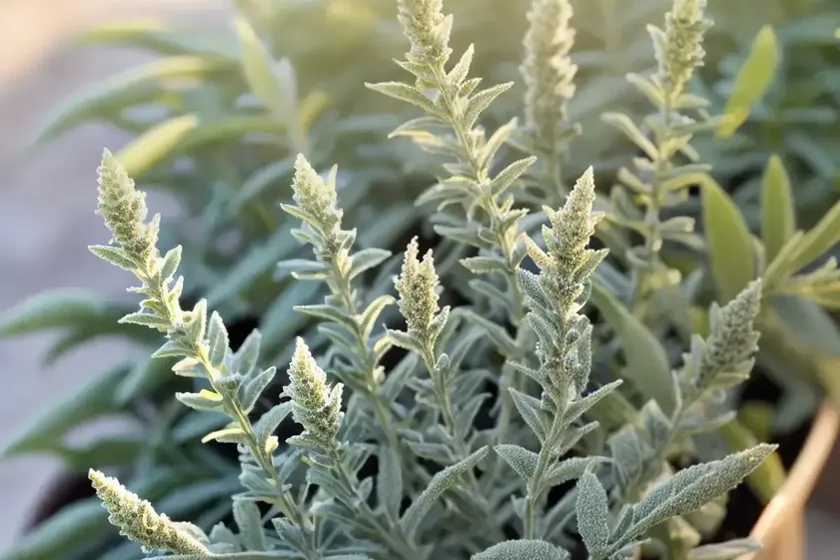
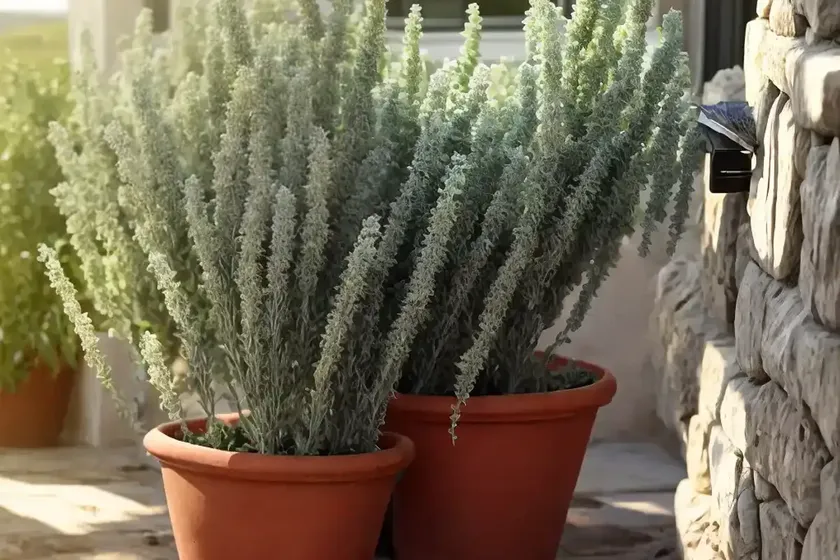
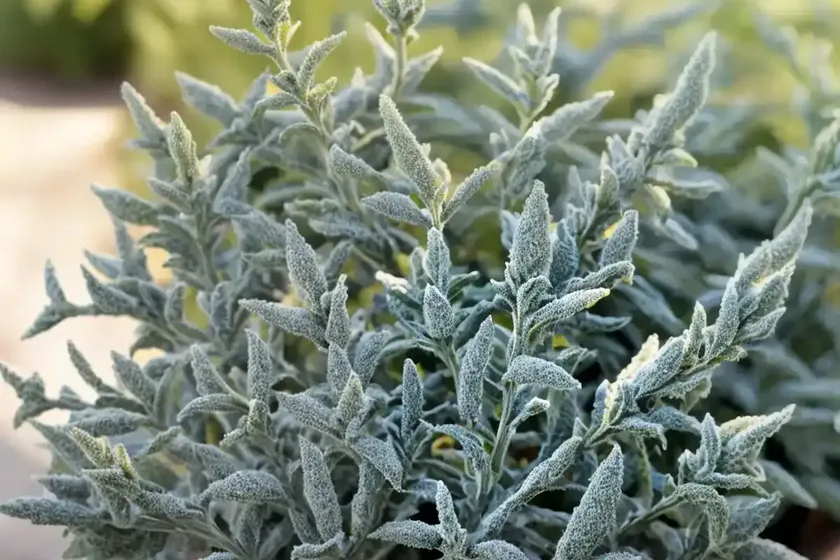
Artemisia ludoviciana, commonly known as White Sage, is a perennial herbaceous plant with a silver-grey foliage and a strong, pleasant fragrance. This plant holds cultural and spiritual significance for many indigenous communities and has been utilized for a range of traditional and medicinal purposes. In the realm of modern gardening and herbalism, Artemisia ludoviciana continues to capture the interest of enthusiasts for its ornamental, aromatic, and ecological value. In this comprehensive guide, we will explore the various aspects of Artemisia ludoviciana, its uses, cultivation, and maintenance.
Key Takeaways – Artemisia ludoviciana (White Sage)
Before delving into the details, here are the key takeaways when it comes to Artemisia ludoviciana:
- Cultural Significance: White Sage holds profound meaning in various cultural and spiritual practices, especially among indigenous communities.
- Aromatic Properties: The plant’s strong, pleasing fragrance makes it popular for smudging and aromatic purposes.
- Medicinal Uses: White Sage has a long history of traditional medicinal uses, encompassing remedies for various ailments and conditions.
- Ornamental Value: In contemporary gardening, the silvery foliage and drought-tolerant nature of Artemisia ludoviciana are highly prized.
- Ecological Importance: White Sage is a valued plant for wildlife, acting as a habitat and food source for numerous species.
Now, let’s explore the intricacies of Artemisia ludoviciana, from its cultural significance to its practical uses and ecological impact.
What is Artemisia ludoviciana?
Plant Description
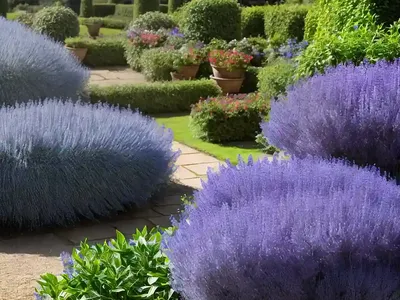
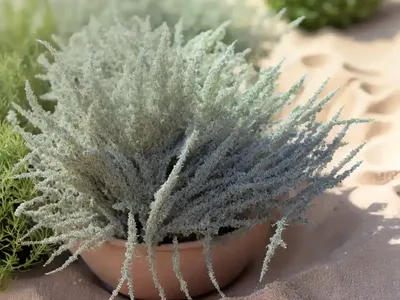
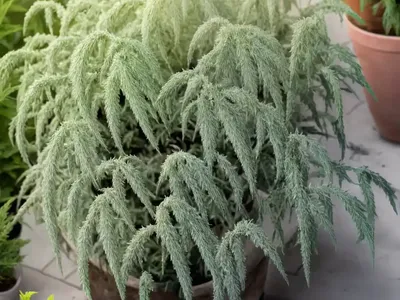
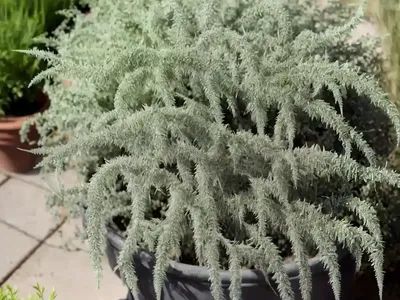
Artemisia ludoviciana, a member of the Asteraceae family, is an herbaceous perennial native to North America. It is characterized by its silvery, woolly leaves and a compact, bushy growth habit. The plant typically reaches a height of 1 to 3 feet, with a spread of 2 to 4 feet, creating a dense, attractive presence in the garden. In addition to its appearance, the plant emits a strong, sweet aroma, which is a key feature of its appeal.
Habitat and Native Range
White Sage is native to a wide range of habitats, including prairies, open woodlands, and disturbed sites, across various regions of North America. It thrives in dry, well-drained soils and can withstand diverse environmental conditions, especially in arid and semi-arid landscapes.
Varieties and Cultivars
Several cultivated varieties of Artemisia ludoviciana are available, each with subtle differences in leaf shape, texture, and overall growth habit. These variations offer gardeners options for creating diverse landscapes and ornamental displays.
Cultural Significance and Folklore Beliefs
Symbolism and Spiritual Rituals
White Sage holds significant cultural and spiritual importance, particularly among indigenous communities. It is revered for its cleansing and purifying properties, often used in smudging ceremonies to dispel negative energy and create a sense of harmony. The aromatic smoke produced by burning dried White Sage leaves is believed to have spiritual and healing benefits.
Ethnobotanical Uses
White Sage has been a cornerstone of traditional indigenous medicine and ceremonial practices for centuries. It is utilized in a wide range of remedies, from alleviating respiratory issues to promoting overall wellness and spiritual balance.
Folklore Beliefs
Various folklore beliefs and stories are associated with White Sage, reflecting its status as a revered and sacred plant in indigenous cultures. These stories often highlight the plant’s connection to the natural world and its role in maintaining a harmonious balance.
Uses of Artemisia ludoviciana
Medicinal Uses
White Sage has a rich history of traditional medicinal applications. Its leaves, when used in various preparations, are believed to offer therapeutic benefits. Some common medicinal uses include:
-
Respiratory Support: White Sage has been historically used to alleviate respiratory conditions such as colds, coughs, and sinus congestion. The aromatic properties of the plant are employed in herbal remedies for respiratory relief.
-
Topical Applications: The leaves of White Sage are used in poultices and balms to soothe skin irritations and minor wounds. The plant’s anti-inflammatory and antimicrobial properties make it valuable for skincare.
-
Digestive Aid: Infusions and decoctions of White Sage have been employed to support digestive health, with some traditional herbalists prescribing it for aiding digestion and alleviating gastrointestinal discomfort.
-
Holistic Remedies: White Sage plays a role in a range of holistic healing practices, addressing issues related to stress, anxiety, and spiritual well-being. Its aromatic properties are often harnessed to create a sense of calm and balance.
Aromatic and Spiritual Uses
The aromatic properties of White Sage are widely cherished, with the plant being utilized for various traditional and modern purposes. Some common uses include:
-
Smudging: The practice of burning dried White Sage leaves, often bundled into smudge sticks, is a ceremonial and spiritual tradition aiming to cleanse spaces and individuals of negative energies.
-
Aromatherapy: The strong, pleasant fragrance of White Sage is embraced in aromatherapy and wellness practices to promote relaxation, mental clarity, and positive energy.
-
Cultural Significance: White Sage holds deep cultural significance for many communities, playing a central role in rituals, ceremonies, and spiritual practices.
Culinary and Herbal Preparations
While primarily esteemed for its aromatic and medicinal properties, some culinary and herbal uses are associated with White Sage. The plant’s leaves, when used sparingly, can add a unique flavor to culinary creations and herbal infusions.
Plant Care for Artemisia ludoviciana
Watering
White Sage is well-adapted to arid environments and therefore requires minimal watering once established. It is crucial to avoid overwatering the plant, as excessive moisture can lead to root rot. As a general guideline, provide supplemental watering during prolonged dry spells, allowing the soil to dry out between waterings.
Sunlight
This plant thrives in full sunlight and appreciates well-drained, sunny locations. Select a planting site that receives at least 6 to 8 hours of direct sunlight per day to ensure vigorous growth and optimal aromatic properties.
Fertilizer
Artemisia ludoviciana is not particularly heavy feeders and can thrive in nutrient-poor soils. However, a modest application of balanced fertilizer in spring can promote healthy growth. Incorporate a slow-release fertilizer into the soil around the base of the plant, following the manufacturer’s recommendations for application rates.
Soil
The ideal soil for White Sage is well-drained and sandy, with low to moderate fertility. It thrives in slightly alkaline to neutral soils and is intolerant of waterlogged or clayey conditions. Given its preference for lean soils, avoid rich, organic amendments that can lead to excessive vegetative growth and diminished aromatic qualities.
Pruning
Pruning White Sage serves multiple purposes, helping to maintain its compact shape, encourage bushier growth, and harvest foliage for various uses. In late winter or early spring, prune the plant to remove any dead or damaged growth and shape it to the desired form. Additionally, harvest leaves for aromatic or medicinal purposes as needed, ensuring to leave enough foliage for the plant’s vitality.
Propagation of Artemisia ludoviciana
Seed Propagation
White Sage can be propagated from seeds, although it’s essential to note that the plant exhibits variable seed germination and requires specific conditions for successful establishment. Sow the seeds in well-draining growing medium, lightly covering them with soil, and maintain consistent moisture until germination occurs. Transplant the seedlings to their permanent location once they have developed sufficient size and vigor.
Division
Another method of propagation involves dividing mature White Sage plants. This is typically done in early spring, prior to the onset of new growth. Carefully dig up the plant, separate the root clumps, and replant the divisions in suitable locations. Dividing the plants not only allows for propagation but also helps rejuvenate older specimens.
Container Popularity and Gardening Tips
White Sage is well-suited to container gardening, offering an attractive and aromatic addition to outdoor spaces, patios, and balconies. When cultivating White Sage in containers, consider the following tips for successful growth:
-
Container Size: Select a container that provides ample room for the plant’s root system. A depth of at least 12 inches and sufficient drainage holes are recommended.
-
Well-Draining Soil: Utilize a well-draining potting mix to ensure excess moisture can escape freely, reducing the risk of root rot. Incorporate perlite or coarse sand into the mix for improved aeration.
-
Sunlight Exposure: Position the container in a location that receives full sunlight, ensuring the plant receives the necessary light for healthy growth and aromatic development.
-
Watering Practices: Monitor the moisture levels carefully, allowing the soil to dry out before providing thorough watering. Container-grown plants may require more frequent watering than those in the ground, especially during hot and dry periods.
Common Diseases and Pest Management
Disease Diagnosis
White Sage is generally resilient to many diseases, particularly when provided with appropriate cultural conditions. However, some common diseases that can affect the plant include powdery mildew, root rot, and fungal leaf spots. Proper sanitation, well-drained soil, and ensuring good air circulation can mitigate the risk of these diseases.
Common Pests
Pests that can afflict White Sage include aphids, spider mites, and whiteflies. Regularly inspect the plants for signs of pest activity, such as distorted growth, stippling on leaves, or the presence of insects. Mitigate pest issues through organic controls, such as insecticidal soaps or horticultural oils, while also promoting natural predators in the garden.
Botanist’s Tips: Maximizing the Joy of Growing Artemisia ludoviciana
Enhance Wildlife Habitat
The aromatic foliage of White Sage can attract various beneficial insects, including pollinators like butterflies and bees. By incorporating White Sage into garden designs, you can contribute to the ecological diversity of your landscape while enjoying the plant’s ornamental and aromatic qualities.
Sustainable Gardening Practices
Embrace sustainable gardening principles when caring for White Sage, such as minimizing synthetic inputs, conserving water, and fostering a healthy ecosystem within your garden. By promoting natural balance and reducing environmental impact, you can further appreciate the interconnectedness of plants like Artemisia ludoviciana within their surroundings.
Harvest Mindfully
When cultivating White Sage for its aromatic or medicinal uses, practice mindful harvesting techniques that support the plant’s long-term health. Avoid overharvesting and ensure that the plant has ample foliage to sustain its growth and vitality. By approaching harvesting with care and intention, you can continue benefiting from the plant’s offerings for years to come.
Fun Facts about White Sage
As we embrace the multifaceted nature of White Sage, here are some intriguing and lesser-known facts about this remarkable plant:
-
Longevity: White Sage can live for several years, persisting through changing environmental conditions and providing enduring beauty in the garden.
-
Native Range: The native range of Artemisia ludoviciana spans a wide expanse of North America, reflecting its adaptability and versatility in varied landscapes.
-
Cultural Heritage: White Sage’s rich cultural and spiritual heritage highlights the depth of its importance to indigenous communities, offering profound wisdom and connection to the land.
Links to External Resources
For further exploration of Artemisia ludoviciana and its diverse facets, the following resources offer valuable insights and in-depth information:
- The Herb Society of America
- United States Department of Agriculture – Natural Resources Conservation Service
- Native American Ethnobotany Database
- United Plant Savers
In conclusion, Artemisia ludoviciana, or White Sage, encapsulates a compelling blend of cultural significance, aromatic allure, and practical uses. Whether utilized for spiritual rituals, ecological stewardship, or ornamental gardening, this remarkable plant continues to captivate and inspire a diverse array of enthusiasts. By delving into its cultural legacy, gardening practices, and ecological value, we can truly appreciate the profound beauty and wisdom of Artemisia ludoviciana, honoring its heritage while fostering its enduring presence in our lives and landscapes.
Through mindful cultivation, storytelling, and ecological care, the enduring spirit of White Sage continues to thrive, carrying forward its legacy and teachings for generations to come.
This comprehensive guide is intended to offer insights and practical guidance for gardeners, herbalists, and enthusiasts alike, fostering a deeper understanding of Artemisia ludoviciana and its multifaceted nature.
NLP LSI Keywords for Reference:
- Artemisia ludoviciana benefits
- White Sage uses
- Artemisia ludoviciana properties
- White Sage plant care
- Artemisia ludoviciana cultivation
- White Sage plant description
- Artemisia ludoviciana varieties
- White Sage herbal remedies
- Artemisia ludoviciana habitat
- White Sage medicinal uses
- Artemisia ludoviciana symbolism
- White Sage spiritual properties
- Artemisia ludoviciana folklore
- White Sage smudging
- Artemisia ludoviciana ethnobotany
- White Sage natural remedies
- Artemisia ludoviciana essential oil
- White Sage cultural significance
- Artemisia ludoviciana traditional medicine
- White Sage tea benefits
- Artemisia ludoviciana aromatic plant
- White Sage gardening tips
- Artemisia ludoviciana native range
- White Sage drought tolerance
- Artemisia ludoviciana for wildlife
- White Sage pollinator-friendly
- Artemisia ludoviciana spiritual cleansing
- White Sage sacred plant
- Artemisia ludoviciana sustainable gardening
- White Sage smudge sticks
- Artemisia ludoviciana ethnobotanical uses
- White Sage smoke cleansing
- Artemisia ludoviciana traditional uses
- White Sage natural insect repellent
- Artemisia ludoviciana culinary herb
- White Sage growing conditions
- Artemisia ludoviciana companion plants
- White Sage herbal preparations
- Artemisia ludoviciana folklore beliefs
- White Sage plant symbolism
- Artemisia ludoviciana plant family
- White Sage spiritual rituals
- Artemisia ludoviciana wildlife habitat
- White Sage indigenous uses
- Artemisia ludoviciana native plant
- White Sage healing properties
- Artemisia ludoviciana traditional healing
- White Sage smudging ceremony
- Artemisia ludoviciana garden design
- White Sage holistic remedies