Artemisia ‘Powis Castle’)
Artemisia ‘Powis Castle’ is a stunning perennial plant that offers a multitude of uses in the garden, from its beautiful foliage to its medicinal.
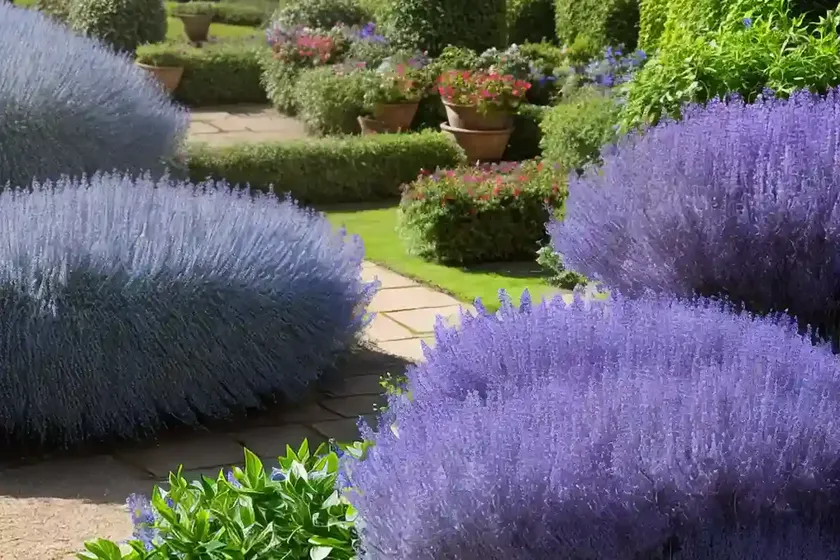
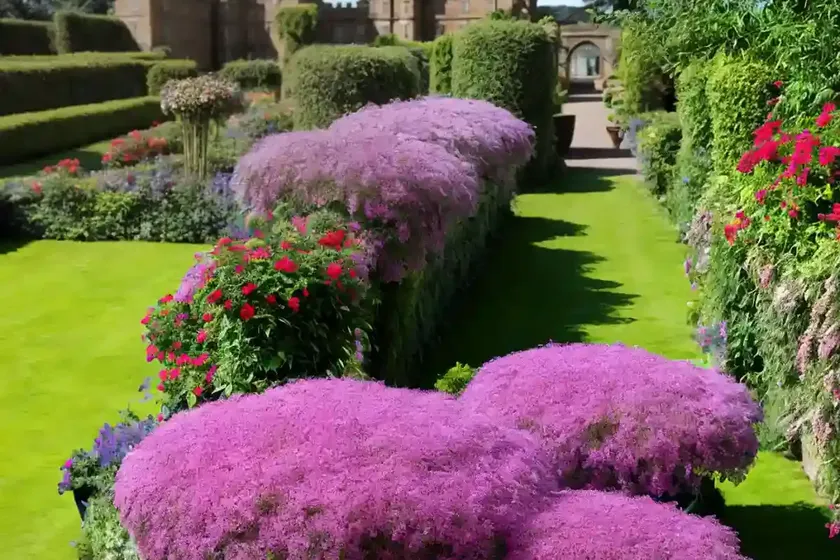
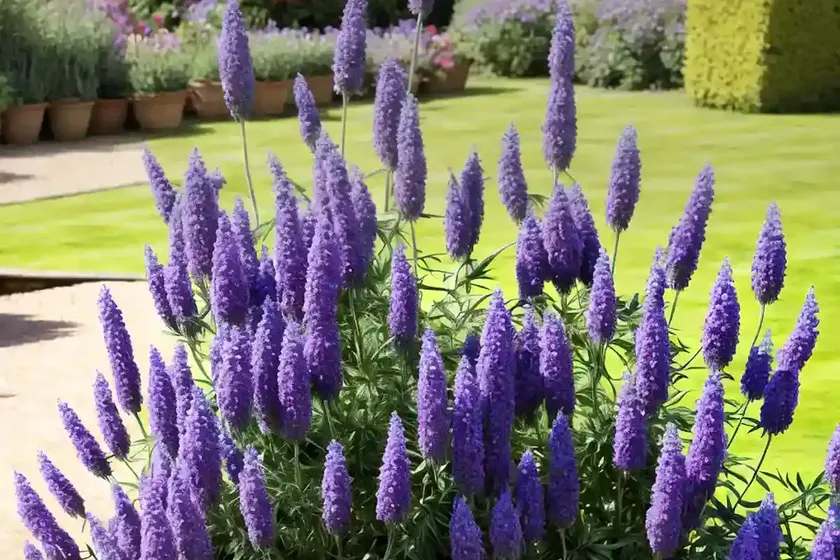
Artemisia ‘Powis Castle’ is a stunning perennial plant that offers a multitude of uses in the garden, from its beautiful foliage to its medicinal properties. As a plant scientist, it’s always fascinating to explore the various aspects of a plant, from its botanical characteristics to its cultural requirements and practical uses. In this comprehensive guide, we will delve into the world of Artemisia ‘Powis Castle’, covering everything from its cultivation and care to its landscaping potential and ecological value.
What is Artemisia ‘Powis Castle’?
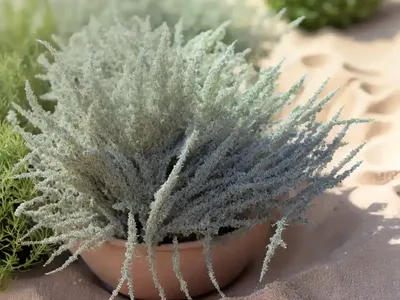
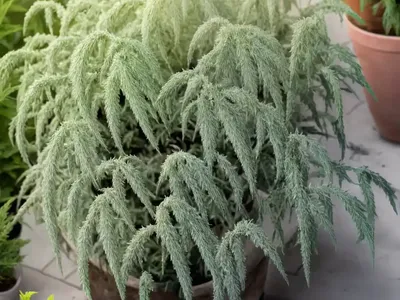
Artemisia ‘Powis Castle’ is a cultivar of Artemisia ludoviciana, a species of flowering plant in the aster family, Asteraceae. It is native to the central and southwestern United States and parts of Mexico. This cultivar is known for its silvery-grey foliage and its mounding, shrub-like growth habit, making it a popular choice for ornamental gardens and landscaping.
The specific epithet “Powis Castle” is often attributed to the Powis Castle in Wales, which is known for its impressive and well-manicured gardens. The name reflects the elegant and stately appearance of this artemisia cultivar, emphasizing its suitability for formal garden designs and picturesque landscapes.
Key Takeaways
- Scientific Name: Artemisia ‘Powis Castle’
- Family: Asteraceae
- Origin: Central and southwestern United States, Mexico
- Common Names: Silver wormwood, Western mugwort
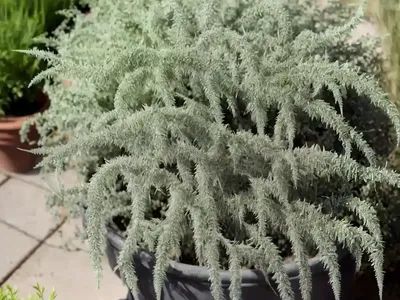
- Foliage: Silvery-grey, finely dissected leaves
- Growth Habit: Mounding, shrub-like
As we proceed, we will unravel the various facets of Artemisia ‘Powis Castle’, encompassing its culture, uses, care requirements, and ecological significance.
Culture
Cultivating Artemisia ‘Powis Castle’ requires an understanding of its specific cultural needs. From planting to maintenance, providing the optimal conditions for this plant is crucial for its health and vitality.
Planting
Artemisia ‘Powis Castle’ can be planted in the garden as well as in containers, offering versatility in landscaping and decorative gardening.
Garden Planting Tips
When planting Artemisia ‘Powis Castle’ in the garden:
1. Choose a well-drained location with full to partial sunlight.
2. Ensure sufficient air circulation to prevent fungal issues.
3. Plant in groups or clusters for a striking visual impact.
4. Space the plants according to their mature spread for adequate growth.
Container Planting Tips
For container gardening with Artemisia ‘Powis Castle’:
– Select a well-draining pot or container with ample room for root development.
– Use a high-quality, well-aerated potting mix to promote healthy growth.
– Position the container in a sunny to partially shaded area, depending on local climate conditions.
Uses
Artemisia ‘Powis Castle’ offers a multitude of practical applications and uses, ranging from its ornamental value to its medicinal and culinary properties. Understanding these uses enhances the appreciation for this remarkable plant.
Ornamental Uses
- Landscaping: Its silvery-grey foliage contrasts beautifully with greenery and colorful blooms, making it an excellent choice for landscape design.
- Border Plant: The mounding growth habit and attractive foliage make it an ideal border plant for garden pathways and ornamental borders.
Medicinal and Culinary Uses
- Traditional Medicine: In traditional herbal medicine, Artemisia species are used for their medicinal properties, including anti-inflammatory and antimicrobial effects.
- Culinary Applications: Some Artemisia species are used as flavoring agents or garnishes in culinary preparations; however, caution should be exercised due to potential toxicity in large quantities.
Water
Understanding the water requirements of Artemisia ‘Powis Castle’ ensures proper hydration without the risk of overwatering or waterlogging.
Watering Guidelines
- Establishment Phase: During the initial establishment period, provide regular watering to promote root development.
- Mature Plants: Once established, Artemisia ‘Powis Castle’ demonstrates good drought tolerance and requires minimal supplementary watering, particularly in well-drained soil.
Sunlight
Sunlight plays a crucial role in the growth and development of Artemisia ‘Powis Castle’, influencing its foliage color, compactness, and overall vigor.
Sun Exposure
- Full Sun: Artemisia ‘Powis Castle’ thrives in full sunlight, displaying its best foliage color and form under direct sun exposure.
- Partial Shade: In regions with intense afternoon sun or high temperatures, providing afternoon shade can benefit the plant and reduce stress.
Fertilizer
Applying the appropriate fertilizer supports healthy growth and enhances the visual appeal of Artemisia ‘Powis Castle’.
Fertilization Tips
- Use a balanced, slow-release fertilizer formulated for ornamental perennials in early spring or late winter.
- Avoid excessive fertilization, as Artemisia ‘Powis Castle’ prefers lean soil conditions and may suffer from excessive nitrogen.
Soil
The soil composition and structure significantly influence the overall health and performance of Artemisia ‘Powis Castle’.
Soil Requirements
- Well-Drained Soil: Ensure the planting site or container has well-drained soil to prevent waterlogging and root rot.
- pH Levels: Artemisia ‘Powis Castle’ prefers slightly alkaline to neutral soil with a pH range of 6.5 to 7.5.
Pruning
Pruning is an essential aspect of Artemisia ‘Powis Castle’ care, contributing to its shape, size control, and overall appearance.
Pruning Techniques
- Spring Pruning: Trim back the previous year’s growth in early spring to rejuvenate the plant and encourage vigorous new growth.
- Deadheading: Remove spent flowers to maintain a tidy and neat appearance.
Propagation
Understanding the propagation methods for Artemisia ‘Powis Castle’ enables gardeners to propagate and expand their plant collection.
Propagation Techniques
- Division: In early spring, divide mature clumps to create new plants, ensuring each division has sufficient roots and foliage.
- Softwood Cuttings: Take softwood cuttings in late spring or early summer, rooting them in a well-draining propagation medium.
Container Popularity
Artemisia ‘Powis Castle’ is a popular choice for container gardening due to its compact growth habit and ornamental foliage.
Container Gardening Ideas
- Singular Specimen: Showcase a single Artemisia ‘Powis Castle’ plant in a decorative container, highlighting its silver foliage and unique texture.
- Mixed Planters: Pair with complementary plants with contrasting foliage colors and textures for visually striking combinations.
Common Diseases
Despite its overall resilience, Artemisia ‘Powis Castle’ may encounter certain diseases that warrant attention and proactive management.
Disease Diagnosis
Identifying common diseases of Artemisia ‘Powis Castle:
1. Powdery Mildew: White, powdery patches on foliage, often seen in humid conditions.
2. Rust: Orange-brown spots or pustules on the leaves, particularly during periods of high humidity.
3. Root Rot: Wilting, yellowing foliage, and decline in plant vigor due to waterlogged or poorly draining soil.
Understanding the symptoms and causes of these diseases aids in timely intervention and disease management strategies.
Common Pests
Artemisia ‘Powis Castle’ may also attract certain pests that can impact its growth and visual appeal.
Pest Management
- Aphids: Keep an eye out for aphids, particularly on new growth, and employ natural predators or insecticidal soap if necessary.
- Spider Mites: Monitor for signs of spider mite infestations, such as webbing and stippled foliage, and intervene with horticultural oils or insecticidal sprays.
- Slugs and Snails: Protect young Artemisia ‘Powis Castle’ plants from slug and snail damage by employing physical barriers or organic control methods.
Vigilance and regular inspection can help mitigate pest pressures and maintain the plant’s health.
Botanist’s Tips
From a botanist’s perspective, Artemisia ‘Powis Castle’ presents intriguing characteristics and ecological significance that enriches the garden and surrounding environment.
Ecological Value
- Pollinator Attraction: The inconspicuous flowers of Artemisia ‘Powis Castle’ can attract pollinators, contributing to biodiversity in the garden.
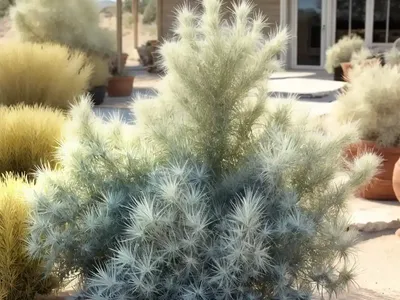
- Drought Tolerance: Its tolerance to dry conditions makes Artemisia ‘Powis Castle’ a valuable addition to water-wise and xeriscaping landscapes.
- Soil Stabilization: In erosion-prone areas, the root systems of Artemisia ‘Powis Castle’ assist in stabilizing the soil and preventing erosion.
Fun Facts
Adding some interesting and lesser-known facts about Artemisia ‘Powis Castle’ can captivate the readers and instill a deeper appreciation for this remarkable plant.
Intriguing Tidbits
- The specific epithet “Powis Castle” is a homage to the Powis Castle in Wales, emphasizing the regal and majestic appearance of this artemisia cultivar.
- Artemisia ‘Powis Castle’ is known for its strong, aromatic foliage, which can serve as a natural insect repellent in the garden.
- Some Artemisia species have historical significance in traditional medicine and cultural rituals around the world, adding to the mystique of Artemisia ‘Powis Castle’.
Links to External Resources
For further in-depth information and practical guidance on Artemisia ‘Powis Castle’, explore the following resources:
1. Royal Horticultural Society – Artemisia ‘Powis Castle’
2. Missouri Botanical Garden – Artemisia ludoviciana
3. Plant Care Today – Growing and Caring for Artemisia Powis Castle
4. NC State Extension – Artemisia ludoviciana Silver King and Silver Queen
By delving into the complexities and nuances of Artemisia ‘Powis Castle’, we gain a deeper understanding of its significance in horticulture, ecology, and traditional practices. From its cultural requirements to its ecological value, this captivating plant continues to enthrall gardeners, botanists, and plant enthusiasts with its enduring allure and practical utility.