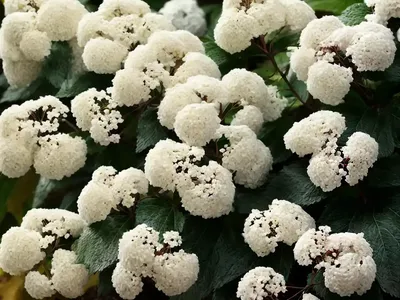
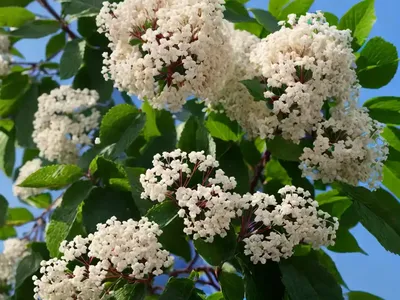
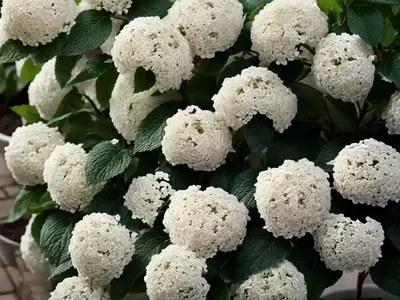
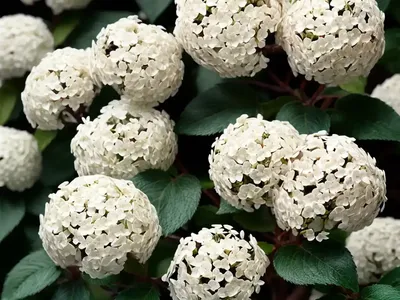
Arrowwood Viburnum (Viburnum Dentatum ‘KLMseventeen’ LITTLE JOE)
Introduction When it comes to ornamental shrubs, the arrowwood viburnum (Viburnum dentatum ‘KLMseventeen’ LITTLE JOE) is a popular choice among landscape.
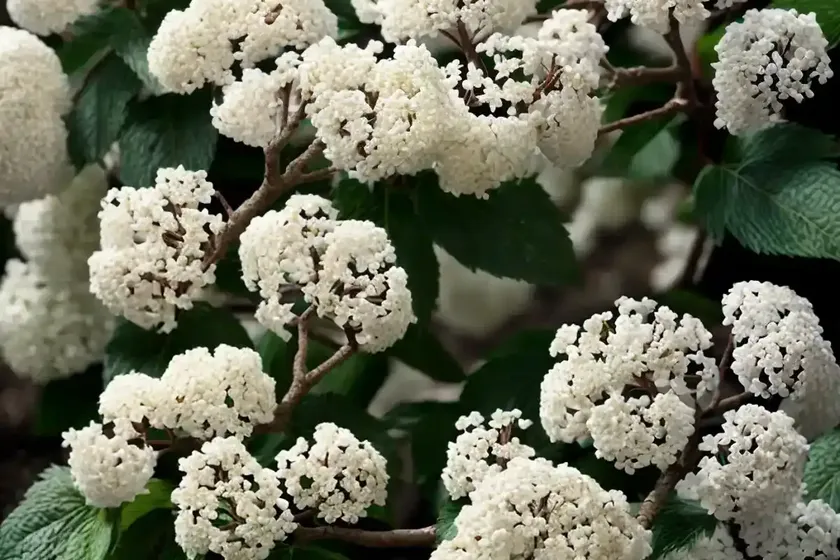
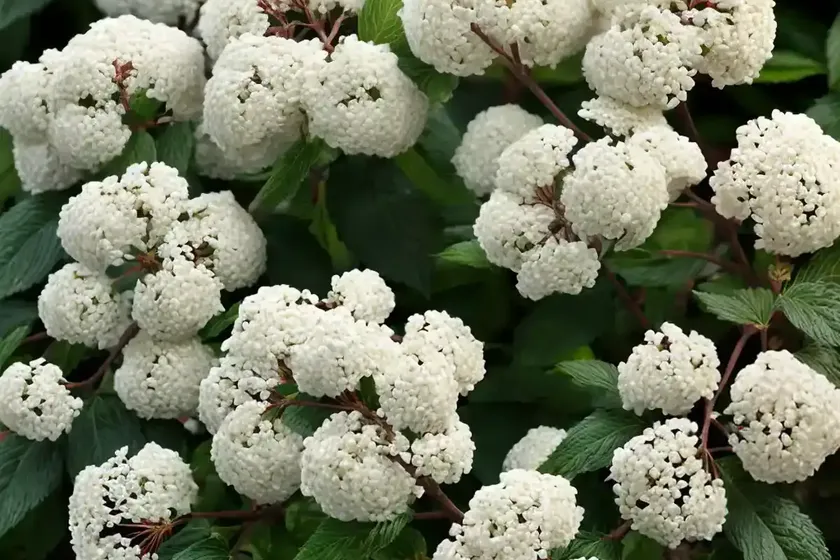
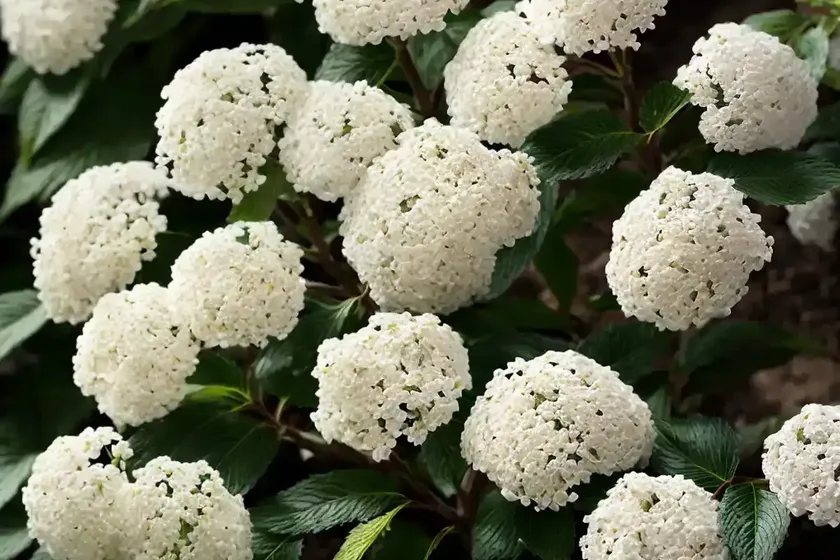
Introduction
When it comes to ornamental shrubs, the arrowwood viburnum (Viburnum dentatum ‘KLMseventeen’ LITTLE JOE) is a popular choice among landscape enthusiasts and gardeners. This versatile and attractive plant is a valuable addition to any garden, providing both aesthetic appeal and ecological benefits. In this comprehensive guide, we will delve into the various aspects of this plant, including its culture, uses, care requirements, common diseases, and much more.
What is arrowwood viburnum (Viburnum dentatum ‘KLMseventeen’ LITTLE JOE)?
Arrowwood viburnum, scientifically known as Viburnum dentatum ‘KLMseventeen’ LITTLE JOE, is a cultivar of the native arrowwood viburnum. It is a deciduous shrub that belongs to the Adoxaceae family. This plant is valued for its dense, compact growth habit, making it an excellent choice for hedges, borders, or as a standalone specimen in the landscape.
Key Takeaways – Arrowwood Viburnum (Viburnum dentatum ‘KLMseventeen’ LITTLE JOE)
Before we delve into the specifics of arrowwood viburnum, let’s understand the key takeaways associated with this plant.
- Common Name: Arrowwood Viburnum ‘Little Joe’
- Scientific Name: Viburnum dentatum ‘KLMseventeen’ LITTLE JOE
- Type: Deciduous shrub
- Uses: Landscaping, wildlife habitat, ornamental purposes
- Growth Habit: Compact and dense
- Notable Features: Beautiful foliage, flowers, and berries
- Cultivar: ‘KLMseventeen’ LITTLE JOE
Now that we have a brief overview, let’s explore the various aspects of arrowwood viburnum in more detail.
Culture
Understanding the cultural requirements of arrowwood viburnum is essential for successfully growing and maintaining this plant in your garden or landscape. From soil preferences to pruning techniques, here’s a comprehensive look at the culture of arrowwood viburnum.
Uses
Arrowwood viburnum is valued for its versatile uses in landscaping and ornamental gardening. Some of the common uses of this plant include:
-
Hedges: Due to its dense growth habit and suitability for pruning, arrowwood viburnum is often used to create formal or informal hedges in gardens and landscapes.
-
Wildlife Habitat: The flowers and berries of arrowwood viburnum attract a variety of wildlife, including birds and butterflies, making it an excellent choice for wildlife-friendly gardens.
-
Ornamental Specimen: When grown as a standalone plant, arrowwood viburnum serves as an attractive focal point in the landscape, especially when it is in bloom or bearing fruit.
Water
Proper watering is crucial for the establishment and ongoing health of arrowwood viburnum. While this plant is moderately drought-tolerant once established, it is essential to provide adequate moisture, especially during the initial growth period.
-
Establishment: Newly planted arrowwood viburnum should be watered regularly to ensure that the root system becomes well-established. This typically involves providing 1-2 inches of water per week, either through rainfall or manual irrigation.
-
Mature Plants: Once established, arrowwood viburnum generally requires less frequent watering. However, during prolonged dry periods, it is advisable to supplement natural rainfall with additional irrigation to maintain plant health and vigor.
Sunlight
Sunlight is another critical factor that influences the growth and performance of arrowwood viburnum. Understanding its sunlight requirements is essential for selecting an appropriate planting location and ensuring optimal growth.
-
Full Sun to Partial Shade: Arrowwood viburnum thrives in locations that receive full sun to partial shade. In regions with hot summers, providing some afternoon shade can be beneficial to prevent excessive stress on the plant.
-
Shade Tolerance: While arrowwood viburnum prefers ample sunlight, it can tolerate some degree of shade, making it suitable for planting in areas with dappled light or filtered sunlight.
Fertilizer
Fertilization plays a significant role in supporting the growth and development of arrowwood viburnum. By providing essential nutrients, proper fertilization contributes to lush foliage, abundant flowering, and robust berry production.
-
Timing: Fertilize arrowwood viburnum in early spring, just before the onset of new growth. Avoid fertilizing during late summer or early fall, as this can stimulate late-season growth that may be susceptible to winter damage.
-
Type of Fertilizer: Use a balanced, slow-release fertilizer formulated for shrubs and trees. Alternatively, organic fertilizers such as compost or well-rotted manure can be applied as a top dressing around the base of the plant.
-
Application: Spread the fertilizer evenly around the root zone of the plant, avoiding direct contact with the stems or trunk. Water the area thoroughly after application to promote the uptake of nutrients.
Soil
The soil composition and quality significantly impact the overall health and performance of arrowwood viburnum. Understanding the soil preferences of this plant is crucial for providing an optimal growing environment.
-
Well-Drained Soil: Arrowwood viburnum thrives in well-drained, loamy soil that offers good water permeability and aeration. Avoid planting in areas prone to waterlogging, as this can lead to root rot and other moisture-related issues.
-
pH Level: It prefers slightly acidic to neutral soil with a pH range of 5.5 to 7.0. Conduct a soil test to assess the pH level and make any necessary amendments to achieve the optimal range for the plant.
-
Organic Matter: Incorporating organic matter such as compost or peat moss into the soil can improve its structure, fertility, and moisture retention, creating a favorable growing medium for arrowwood viburnum.
Pruning
Pruning is an essential aspect of arrowwood viburnum care, contributing to its shape, density, and overall appearance. Proper pruning techniques help maintain the desired form and encourage vigorous growth and flowering.
-
Timing: Prune arrowwood viburnum in late winter or early spring while the plant is still dormant. Avoid pruning during the active growing season, as this can remove potential flowering and fruiting wood.
-
Purpose: Pruning objectives may include shaping the plant, removing damaged or diseased branches, and rejuvenating older specimens. Maintaining a balanced framework of the shrub is crucial for promoting healthy growth.
-
Techniques: Use clean, sharp pruning tools to make precise cuts. Remove dead or crossing branches, and selectively thin the canopy to improve air circulation and light penetration throughout the plant.
Propagation
The propagation of arrowwood viburnum allows gardeners to expand their plant collection and share this valuable shrub with others. Understanding the various propagation methods is essential for successfully propagating new plants from existing specimens.
-
Seed Propagation: Collect ripe berries from the plant, extract the seeds, and sow them in a prepared seedbed or containers. Ensure that the seeds receive consistent moisture and adequate warmth to facilitate germination.
-
Softwood Cuttings: Take softwood cuttings from healthy, actively growing shoots in early summer. Dip the cut ends in rooting hormone and plant them in a well-draining rooting medium. Provide a warm, humid environment to promote root development.
-
Division: Propagate arrowwood viburnum through division by carefully separating rooted offsets or divisions from the parent plant. Replant the divisions in suitable growing locations and provide appropriate care to ensure their establishment.
Container Popularity
While arrowwood viburnum is typically grown in the ground, it can also thrive in containers under the right conditions. Container cultivation offers flexibility and allows gardeners with limited space to enjoy the beauty of this shrub.
-
Container Size: Select a large, sturdy container with adequate drainage holes to accommodate the root system of the arrowwood viburnum. A container with a capacity of at least 15 gallons or more is ideal for providing ample space for root growth.
-
Growing Medium: Use a well-draining potting mix designed for shrubs and woody plants. Consider adding some compost or perlite to improve the soil structure and retention of moisture without becoming waterlogged.
-
Care Considerations: Container-grown arrowwood viburnum may require more frequent watering and fertilization compared to plants in the ground. Monitor the moisture levels and provide balanced fertilizer as needed to support vigorous growth.
Common Diseases
Arrowwood viburnum is generally resilient to many common garden ailments, but it may be susceptible to certain diseases under unfavorable growing conditions. Understanding the common diseases and their management is crucial for maintaining the health of this shrub.
Disease Diagnosis
Diagnosing diseases in arrowwood viburnum involves observing the plant for specific symptoms and signs of infection. Common diseases that may affect this shrub include:
-
Powdery Mildew: This fungal disease manifests as a powdery, white coating on the foliage, which can lead to leaf distortion and reduced photosynthetic activity. Providing adequate air circulation and using fungicidal treatments can help manage powdery mildew.
-
Leaf Spot: Several fungal pathogens can cause leaf spotting on arrowwood viburnum. Affected leaves develop dark spots or lesions, leading to premature leaf drop and reduced plant vigor. Remove and destroy infected plant material and consider fungicidal treatments if necessary.
-
Canker Diseases: Canker diseases may affect the branches of arrowwood viburnum, leading to sunken lesions and dieback. Prune out infected branches and promote overall plant health to reduce the risk of canker diseases.
Common Pests
While arrowwood viburnum is relatively pest-resistant, it may encounter certain insect pests that can affect its growth and appearance. Identifying and managing these pests is essential for protecting the health of the plant.
-
Aphids: Small, sap-sucking insects that may infest the tender new growth of arrowwood viburnum, causing stunted growth and distorted foliage. Use insecticidal soaps or horticultural oils to control aphid infestations.
-
Scale Insects: Scale insects can appear as small, immobile bumps on the stems and leaves of the plant. They feed on plant juices and excrete honeydew, leading to sooty mold formation. Prune and dispose of heavily infested plant parts and consider the use of horticultural oils for control.
-
Viburnum Leaf Beetle: The viburnum leaf beetle can defoliate arrowwood viburnum by feeding on the foliage, leading to significant damage if left unchecked. Handpick and destroy the beetles and their larvae, and consider biological control methods if the infestation is severe.
Botanist’s Tips
For those who are passionate about plants and botany, arrowwood viburnum offers several interesting aspects worth exploring. Here are some botanist’s tips to enhance your understanding and appreciation of this fascinating shrub:
-
Species Diversity: The genus Viburnum encompasses a diverse group of plants, ranging from small shrubs to large, tree-like species. Explore the broader diversity within the Viburnum genus to gain a deeper insight into the evolutionary and ecological aspects of these plants.
-
Morphological Features: Pay attention to the unique morphological features of arrowwood viburnum, including leaf shapes, flower structures, and fruit characteristics. Understanding these traits can provide valuable insights into the plant’s adaptation and ecological interactions.
-
Taxonomic Relationships: Study the taxonomic relationships of arrowwood viburnum within the broader plant family (Adoxaceae) and its evolutionary connections with related species. This can offer a broader perspective on the evolutionary history and diversification of viburnums.
-
Habitat Associations: Explore the natural habitats and ecological associations of arrowwood viburnum in its native range. Understanding the plant’s ecological niche, interactions with wildlife, and adaptation to its environment can provide valuable ecological insights.
Fun Facts
Uncovering the fascinating and intriguing aspects of arrowwood viburnum adds an element of wonder and appreciation for this remarkable plant. Here are some fun facts to pique your interest:
-
Historical Uses: Native American tribes historically utilized arrowwood viburnum for various purposes, including crafting arrows from the straight branches and using the berries for medicinal and culinary applications.
-
Wildlife Attraction: The flowers of arrowwood viburnum attract a diverse array of pollinators, including bees, butterflies, and other beneficial insects. Furthermore, the fruit serves as a valuable food source for birds and wildlife during the fall and winter months.
-
Folklore and Traditions: In certain cultures, viburnums are associated with folklore, traditional medicine, and superstitions. Exploring these cultural connections can reveal intriguing stories and beliefs surrounding this plant.
-
Ornamental Diversity: Beyond its ecological and functional roles, arrowwood viburnum offers a rich diversity of ornamental features, including fall foliage color, fragrant flowers, and vibrant berries, enhancing its appeal in garden landscapes.
As we’ve thoroughly explored the various aspects of arrowwood viburnum, it’s evident that this plant holds significant value for both gardeners and nature enthusiasts. From its ecological contributions to its ornamental beauty, arrowwood viburnum stands out as a noteworthy addition to diverse landscapes and garden settings.
For further information and to deepen your knowledge about arrowwood viburnum, consider exploring the following external resources:
- Viburnum dentatum ‘KLMseventeen’ – Missouri Botanical Garden
- Growing Arrowwood Viburnum – The Spruce
- Viburnum dentatum ‘KLMseventeen’ – Chicago Botanic Garden
We hope this guide has provided valuable insights and inspiration for incorporating arrowwood viburnum into your gardening endeavors. Whether you are drawn to its ecological benefits, ornamental appeal, or botanical intrigue, arrowwood viburnum stands as a testament to the enduring charm of plants in our natural world. Happy gardening!