Arrowwood Viburnum (Viburnum Dentatum ‘Christom’ BLUE MUFFIN)
Plants play a crucial role in supporting life on Earth, and they come in a wide array of species, each with its own unique set of characteristics and.
Plants play a crucial role in supporting life on Earth, and they come in a wide array of species, each with its own unique set of characteristics and requirements. One such fascinating plant is the arrowwood viburnum, scientifically known as Viburnum dentatum ‘Christom’ BLUE MUFFIN. In this comprehensive guide, we will explore the culture, uses, care requirements, and interesting facts about this captivating plant.
What is Arrowwood Viburnum?
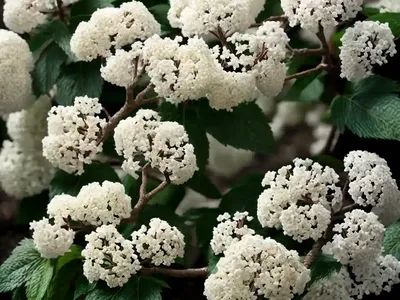
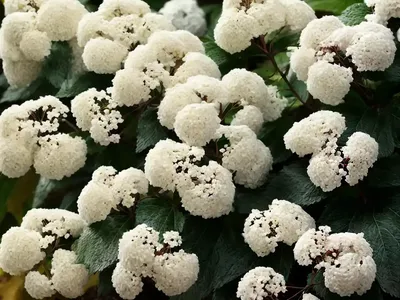
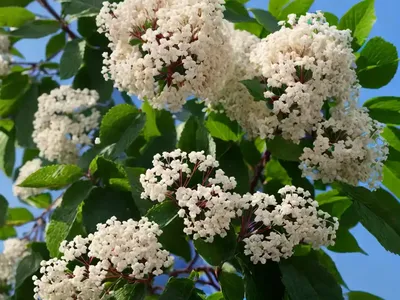
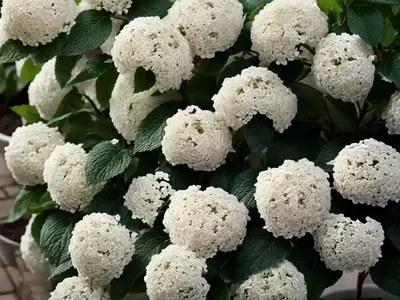
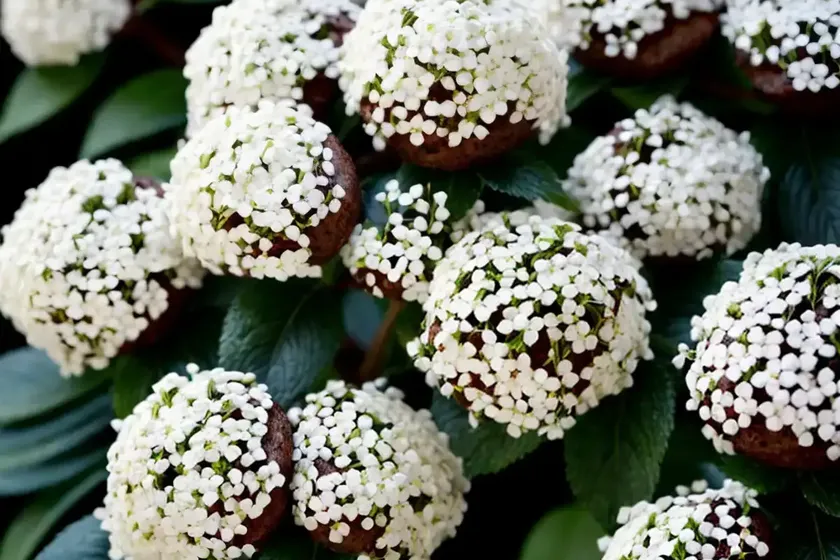
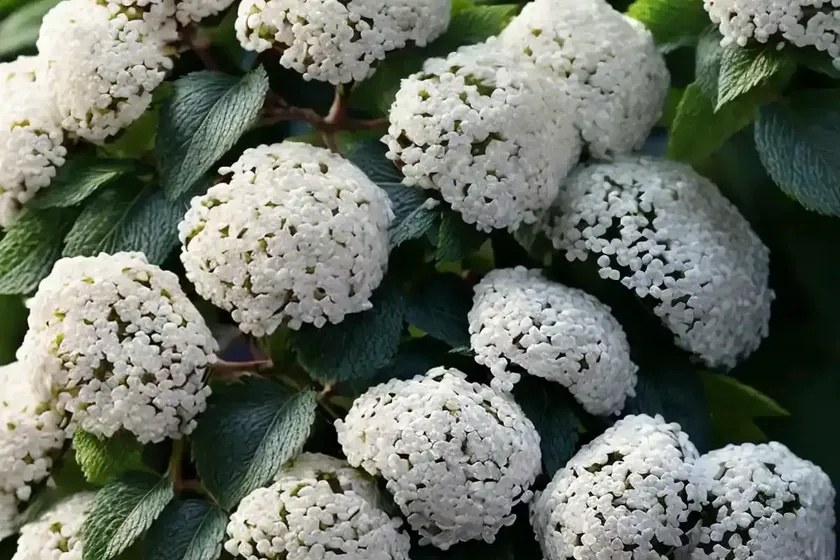
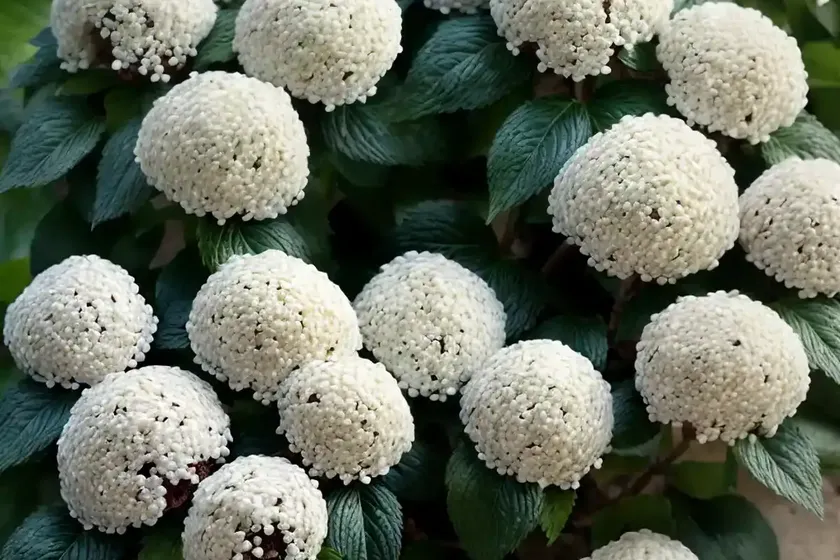
Arrowwood viburnum, also known as the Blue Muffin Viburnum, is a deciduous shrub that belongs to the Caprifoliaceae family. It is native to eastern North America and is highly valued for its ornamental qualities, making it a popular choice among gardeners and landscapers. The cultivar ‘Christom’ BLUE MUFFIN is particularly admired for its compact size, vibrant foliage, and beautiful white flowers followed by dark blue berries.
This variety of arrowwood viburnum is known for its dense, rounded growth habit, making it an excellent choice for hedging, screening, or as a standalone ornamental plant. With its attractive features and relatively low maintenance requirements, the Blue Muffin Viburnum has become a favorite in residential landscapes, parks, and public gardens.
Key Takeaways – Arrowwood Viburnum (Viburnum dentatum ‘Christom’ BLUE MUFFIN)
Before delving deeper into the specifics of caring for arrowwood viburnum, let’s outline the key takeaways that will be covered in this guide:
- Culture
- Uses
- Water
- Sunlight
- Fertilizer
- Soil
- Pruning
- Propagation
- Container Popularity
- Common Diseases
- Disease Diagnosis
- Common Pests
- Botanist’s Tips
- Fun Facts
- Links to External Resources
Now, let’s explore these aspects in detail to gain a comprehensive understanding of the arrowwood viburnum.
Culture of Arrowwood Viburnum
Uses
The arrowwood viburnum serves multiple purposes in landscaping and horticulture due to its aesthetic appeal and functional attributes:
- Ornamental Beauty: The Blue Muffin Viburnum adds visual interest to gardens with its lush foliage, delicate flowers, and clusters of berries. It is often used as a standalone specimen plant or as part of mixed shrub borders.
- Privacy Barrier: Due to its dense growth habit, arrowwood viburnum is frequently used to create privacy hedges or screens, offering an attractive and natural barrier in outdoor spaces.
- Wildlife Habitat: The berries of the arrowwood viburnum are an important food source for birds, making it a valuable addition to wildlife gardens and natural habitats. Additionally, the shrub provides cover for small animals and birds.
- Erosion Control: With its deep root system and ability to thrive in various soil types, arrowwood viburnum is employed in erosion control and slope stabilization efforts.
Water
Proper watering is crucial for the health and vigor of arrowwood viburnum plants. Here are some essential guidelines for watering:
- Established Plants: Once established, arrowwood viburnum is relatively drought-tolerant but benefits from regular watering, especially during dry periods. Aim to provide around 1 inch of water per week, either through rainfall or supplemental irrigation.
- Young Plants: Newly planted arrowwood viburnums require consistent moisture to facilitate root establishment. Water young plants deeply and regularly, ensuring that the root ball remains consistently moist but not waterlogged.
- Soil Moisture: It is important to monitor soil moisture levels to prevent drought stress or waterlogging, both of which can adversely affect the health of the plant.
Sunlight
The sunlight requirements of arrowwood viburnum determine its growth and flowering potential. Consider the following sunlight guidelines when selecting a site for planting:
- Full Sun: Arrowwood viburnum thrives in full sun to partial shade, meaning it ideally receives 6 to 8 hours of direct sunlight per day. Adequate sunlight exposure promotes robust growth, abundant flowering, and the development of colorful berries.
- Partial Shade: While the plant tolerates some shade, it may result in reduced flower and fruit production. However, partial shade can be beneficial in regions with intense heat, helping to protect the plant from excessive sun exposure.
Fertilizer
Appropriate fertilization supports the overall health and vitality of arrowwood viburnum. Here are some fertilizer recommendations for this plant:
- Timing: Apply a balanced, slow-release fertilizer in early spring, just before the growing season begins. This provides the plant with essential nutrients for healthy growth and development.
- Amount: Use a fertilizer specifically formulated for shrubs and trees, following the manufacturer’s instructions regarding the application rate. Avoid excessive fertilization, as it can lead to an accumulation of salts in the soil and potential damage to the plant.
- Application: Distribute the fertilizer evenly around the base of the plant, ensuring that it does not come into direct contact with the stems or foliage. Water the area thoroughly after applying the fertilizer to promote its absorption into the soil.
Soil
Understanding the soil preferences of arrowwood viburnum is crucial for providing an optimal growing environment. Consider the following soil-related factors:
- Well-drained Soil: Arrowwood viburnum thrives in moist, well-drained soils with a slightly acidic to neutral pH range. Excessive moisture and waterlogged conditions should be avoided, as they can lead to root rot and other detrimental issues.
- Soil Amendments: If the soil is heavy and poorly drained, amending it with organic matter such as compost or peat moss can improve its structure and drainage. This enhances the aeration and water-holding capacity of the soil, benefitting the plant’s root system.
- Soil Testing: Conducting a soil test can provide valuable insights into the fertility and pH of the soil, guiding appropriate amendments and the selection of suitable fertilizer formulations.
Pruning Arrowwood Viburnum
Pruning is an important aspect of arrowwood viburnum care, contributing to its aesthetics, health, and longevity. Effective pruning techniques can help maintain the shape of the plant, promote flowering, and remove damaged or diseased branches. Here are some key considerations for pruning:
- Timing: The best time to prune arrowwood viburnum is in late winter to early spring, before new growth begins. This allows for the removal of dead, diseased, or overgrown branches while minimizing the impact on the plant’s overall growth.
- Pruning Objectives: When pruning arrowwood viburnum, focus on removing any damaged or crossing branches, as well as thinning out the interior of the plant to improve air circulation and light penetration. Additionally, shaping the plant to desired dimensions can be achieved through selective pruning.
- Pruning Techniques: Use clean, sharp pruning tools to make precise cuts, avoiding jagged or torn edges that can compromise the plant’s healing process. Prune at a slight angle just above a healthy bud or lateral branch, ensuring that the cut is made at the appropriate location.
Propagation of Arrowwood Viburnum
Propagation allows for the propagation of arrowwood viburnum to supplement existing plantings or share its beauty with others. Several methods can be utilized for the successful propagation of this plant:
- Seed Propagation: Collect seeds from mature arrowwood viburnum berries and sow them in a prepared seed bed. Keep the soil consistently moist and provide the seeds with warmth and indirect light to facilitate germination. Seed-grown plants may take several years to reach maturity and start flowering.
- Softwood Cuttings: Take softwood cuttings from healthy, actively growing shoots in late spring or early summer. Remove the lower leaves from the cuttings, dip the cut ends in a rooting hormone, and plant them in a well-draining potting medium. Maintain high humidity and warmth to encourage root development.
- Layering: Air layering involves encouraging the development of roots on a stem that is still attached to the parent plant. By making a small incision and applying rooting hormone to a selected portion of the stem, you can encourage the formation of roots. Once roots have developed, the new plant can be separated from the parent.
Container Popularity of Arrowwood Viburnum
In addition to being a versatile landscape plant, arrowwood viburnum is well-suited to container cultivation, offering the flexibility to be showcased on patios, balconies, and other outdoor spaces. When grown in containers, consider the following factors:
- Container Selection: Choose a large, sturdy container with drainage holes to accommodate the growth of the plant and prevent waterlogging. The size of the container should allow for adequate root development and stability.
- Soil Medium: Utilize a well-draining, nutrient-rich potting mix tailored for shrubs and trees to provide an optimal growing environment for the arrowwood viburnum. Soil moisture should be carefully monitored, ensuring that the plant receives sufficient water without becoming waterlogged.
- Placement: Position the container in a location that aligns with the sunlight preferences of arrowwood viburnum, ensuring that it receives adequate sunlight for healthy growth. Regular watering and fertilization are essential for container-grown plants.
- Winter Care: In regions with harsh winters, container-grown arrowwood viburnum may require additional protection during the colder months, such as insulation or temporary relocation to sheltered areas.
Common Diseases Affecting Arrowwood Viburnum
While arrowwood viburnum is relatively resilient to many diseases, it can be vulnerable to certain issues under unfavorable conditions. Understanding the common diseases affecting this plant is essential for prevention and management. Some of the primary diseases that may impact arrowwood viburnum include:
- Powdery Mildew: This fungal disease often manifests as a powdery white coating on the leaves, leading to leaf distortion and reduced plant vigor. Proper air circulation and the removal of affected plant material can help manage powdery mildew.
- Leaf Spot Diseases: Various fungal pathogens can cause leaf spot diseases on arrowwood viburnum, resulting in the development of dark lesions or spots on the foliage. Pruning out affected branches and promoting good sanitation practices can aid in disease control.
- Botryosphaeria Canker: This disease is characterized by sunken, discolored areas on the stems of the plant, often accompanied by dieback and wilting. Pruning out affected branches and promoting overall plant health can help minimize the impact of Botryosphaeria canker.
Disease Diagnosis Methods for Arrowwood Viburnum
Diagnosing diseases affecting arrowwood viburnum requires a combination of visual inspection, symptom assessment, and, in certain cases, laboratory analysis. When encountering signs of potential disease issues, consider the following diagnostic approaches:
- Visual Examination: Carefully inspect the foliage, stems, and overall appearance of the plant for any abnormal discoloration, growths, or lesions. Document the observed symptoms and note any patterns or localized areas of concern.
- Consultation: Seek guidance from local agricultural extension services, horticultural experts, or plant disease specialists for assistance in identifying specific diseases and confirming diagnostic findings.
- Laboratory Testing: If necessary, collect samples of affected plant material and submit them to a certified plant diagnostic laboratory for analysis. This can provide valuable insights into the presence of pathogens and aid in formulating targeted disease management strategies.
Common Pests Targeting Arrowwood Viburnum
In addition to diseases, arrowwood viburnum can be susceptible to various pest infestations that can impact its health and appearance. Understanding the common pests that target this plant is essential for implementing effective pest control measures. Some of the primary pests that may affect arrowwood viburnum include:
- Aphids: These small, sap-feeding insects can congregate on the foliage of arrowwood viburnum, causing distortion of new growth and the secretion of honeydew. Natural predators and insecticidal soaps can be used to manage aphid populations.
- Scale Insects: Scale insects can attach themselves to the stems and leaves of the plant, feeding on plant fluids and potentially causing wilting and overall decline. Careful monitoring and targeted insecticidal treatments can help control scale infestations.
- Viburnum Leaf Beetle: The larvae of the viburnum leaf beetle feed on the foliage of arrowwood viburnum, causing significant defoliation and aesthetic damage. Physical removal of beetles and their larvae, along with appropriate insecticidal measures, can aid in effective control.
Botanist’s Tips for Successful Arrowwood Viburnum Growth
As a plant scientist, I have some valuable tips to share for promoting the successful growth and well-being of arrowwood viburnum. Incorporate the following recommendations into your care routine to support the health and vigor of this captivating plant:
- Mulching: Apply a layer of organic mulch around the base of the plant to conserve soil moisture, suppress weed growth, and provide insulation for the roots. Mulching also contributes to the enhancement of soil structure over time.
- Good Drainage: Ensure that the planting site, whether in the ground or in a container, provides adequate drainage to prevent waterlogging and root suffocation. Avoid planting arrowwood viburnum in areas prone to standing water or poor drainage.
- Beneficial Pollinators: Encourage the presence of pollinators, such as bees and butterflies, in the vicinity of arrowwood viburnum to facilitate pollination and the development of berries. Creating pollinator-friendly habitats benefits both the plant and the broader ecosystem.
- Pruning Consistency: Adopt a consistent pruning schedule to remove dead or diseased wood, thin out crowded growth, and shape the plant as desired. Regular pruning promotes air circulation, reduces the risk of disease, and enhances the overall appearance of the shrub.
Fun Facts about Arrowwood Viburnum
To further appreciate the uniqueness of arrowwood viburnum, here are some fascinating fun facts about this captivating plant:
- Historical Significance: Native American tribes historically utilized arrowwood viburnum for various purposes, including the creation of arrows from the straight, flexible stems and the use of the berries for food and medicinal applications.
- Fall Coloration: In autumn, arrowwood viburnum undergoes a striking transformation, showcasing vibrant shades of reddish-purple to burgundy in its foliage. The seasonal color display adds visual interest to landscapes and garden settings.
- Wildlife Support: The berries of arrowwood viburnum serve as an essential food source for a range of wildlife, including songbirds, game birds, and small mammals. The plant’s ecological value extends to the support of diverse animal species.
Links to External Resources
For additional information on arrowwood viburnum and related topics, I recommend exploring the following reputable external resources:
- The American Viburnum Society – A comprehensive source of information on viburnums, including cultivation, species diversity, and conservation efforts.
- University Extension Services – Many university extension websites provide valuable insights into planting guides, care recommendations, and pest management strategies for ornamental shrubs such as arrowwood viburnum.
- Botanical Gardens and Arboreta – Visiting local botanical gardens and arboreta can offer firsthand exposure to arrowwood viburnum and its horticultural uses, as well as access to educational materials and events.
In conclusion, the arrowwood viburnum (Viburnum dentatum ‘Christom’ BLUE MUFFIN) stands as an exemplary example of a captivating, functional, and ecologically valuable plant. By understanding its cultural preferences, care requirements, and ecological contributions, we can embrace the beauty and significance of this remarkable shrub in our natural and cultivated landscapes.
Remember, whether you are a seasoned gardener or a newcomer to the world of horticulture, the allure of arrowwood viburnum invites exploration, appreciation, and the potential for enriching our outdoor spaces with its charm and resilience.
References
- Dirr, M. A. (2009). Viburnums: Flowering Shrubs for Every Season. Timber Press.
- Gilman, E. F., & Watson, D. G. (2018). Viburnum dentatum ‘Christom’ BLUE MUFFIN Arrowwood Viburnum. University of Florida IFAS Extension.
- Sinclair, W. A., Lyon, H. H., & Johnson, W. T. (1987). Diseases of Trees and Shrubs. Comstock Publishing Associates.