Burkwood Viburnum (Viburnum X Burkwoodii)
Burkwood viburnum (Viburnum x burkwoodii) is a versatile and attractive shrub that can add beauty and functionality to any garden. With its dense foliage.
Introduction
Burkwood viburnum (Viburnum x burkwoodii) is a versatile and attractive shrub that can add beauty and functionality to any garden. With its dense foliage, fragrant flowers, and attractive berries, it is a favored choice for homeowners and landscapers alike. In this comprehensive guide, we will delve into the various aspects of burkwood viburnum, including its culture, uses, care requirements, common diseases and pests, as well as propagation and container gardening. Whether you are a novice gardener or an experienced landscaper, this guide will provide you with the knowledge and insights needed to cultivate and maintain vibrant burkwood viburnum specimens.
What is Burkwood Viburnum (Viburnum x burkwoodii)?
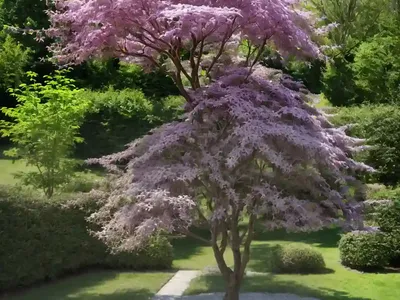
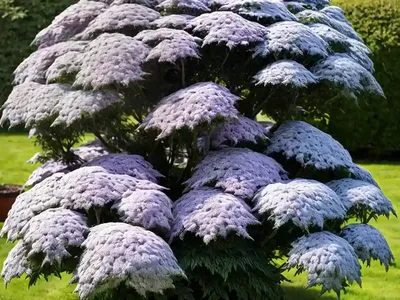
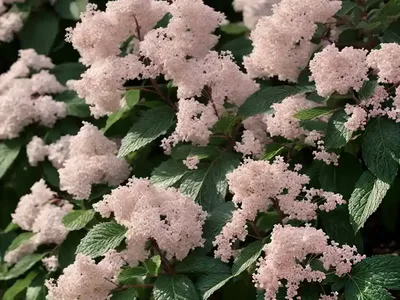
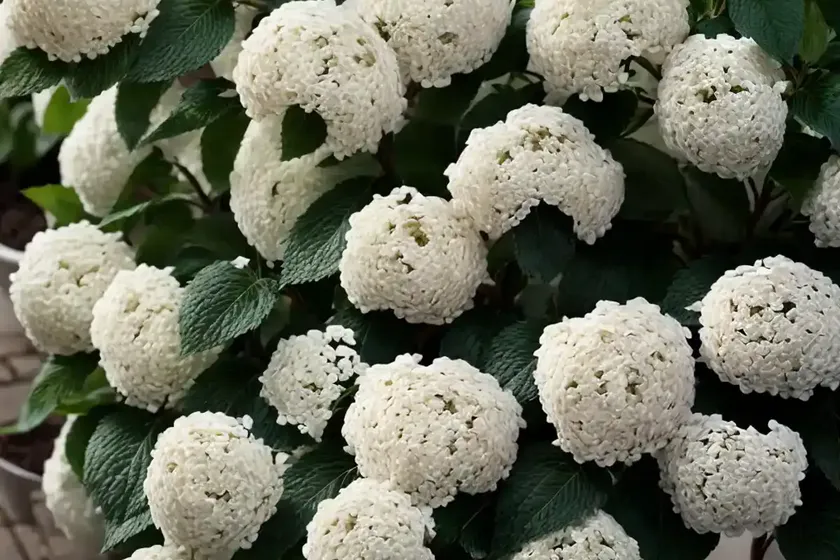
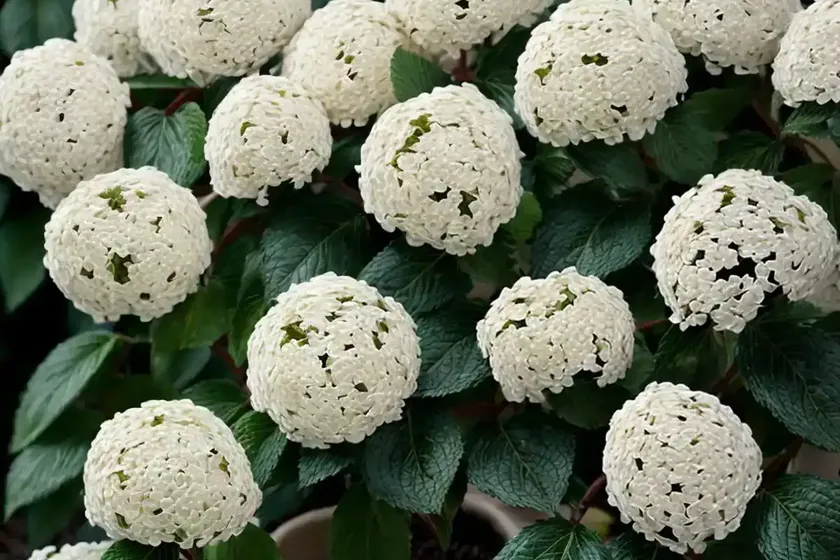
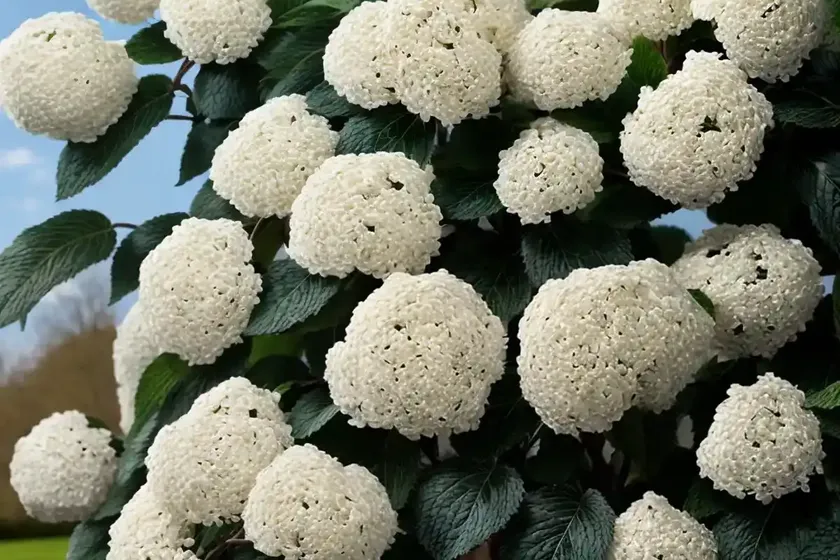
Burkwood viburnum is a hybrid between V. carlesii and V. utile, and it belongs to the Adoxaceae family. This deciduous or semi-evergreen shrub typically grows to a height of 6 to 10 feet and has a spread of 6 to 8 feet. Its dark green, leathery leaves provide a beautiful backdrop to its clusters of fragrant, white flowers in the spring. The flowers are often followed by attractive red to black berries, adding further ornamental interest to the plant. Burkwood viburnum is known for its moderate to fast growth rate and can thrive in a variety of growing conditions, making it a popular choice for landscaping purposes.
Key Takeaways – Burkwood Viburnum (Viburnum x burkwoodii)
Before we delve into the specifics of caring for burkwood viburnum, let’s summarize the essential points about this delightful shrub:
- Scientific Name: Viburnum x burkwoodii
- Common Name: Burkwood Viburnum
- Plant Type: Deciduous or semi-evergreen shrub
- Mature Height: 6 to 10 feet
- Mature Spread: 6 to 8 feet
- Growth Rate: Moderate to fast
- Flower Color: White
- Sunlight: Full sun to partial shade
- Watering: Regular watering, particularly during the establishment phase
- Uses: Ornamental shrub, hedge plant, privacy screen
- Hardiness Zone: 4 to 8
Now, let’s explore the cultural requirements and care guidelines for fostering healthy and vibrant burkwood viburnum specimens.
Culture
Water
Watering Needs: Burkwood viburnum prefers consistently moist, well-drained soil. During the initial establishment phase, regular watering is crucial to support healthy root development. Once established, the plant is moderately drought-tolerant but will benefit from occasional deep watering during dry periods, especially in the absence of rainfall.
Sunlight
Sun Requirements: While burkwood viburnum can tolerate partial shade, it thrives in full sun to partial shade. Ensuring adequate sunlight exposure promotes robust growth and enhances the production of vibrant flowers and berries.
Fertilizer
Fertilization: Application of a balanced, slow-release fertilizer in early spring can support the vigorous growth and overall health of burkwood viburnum. A fertilizer with an N-P-K ratio of 10-10-10 or similar is suitable. It is essential to follow the manufacturer’s recommendations regarding application rates and methods to prevent over-fertilization, which can be detrimental to the plant.
Soil
Soil Requirements: Burkwood viburnum adapts well to various soil types as long as they are well-drained and rich in organic matter. A slightly acidic to neutral soil pH is optimal for this shrub. Regularly amending the soil with organic matter such as compost or well-rotted manure can enhance its fertility and moisture-retention capacity.
Pruning
Pruning Tips: Pruning is typically carried out after the blooming period to maintain the plant’s shape and promote vigorous growth. Remove any dead, damaged, or overgrown branches to improve air circulation and light penetration. Additionally, selective pruning can be employed to control the size of the shrub and encourage new growth.
Propagation
Propagation Methods: Burkwood viburnum can be propagated through various methods, including:
- Softwood Cuttings: Softwood cuttings taken in late spring or early summer can be rooted in a well-draining propagation medium to produce new plants.
- Hardwood Cuttings: Hardwood cuttings collected during the dormant season can also be used for propagation.
- Layering: Air layering or ground layering can be employed to encourage the development of roots on a healthy, established branch, resulting in a new plant.
Container Popularity
Container Gardening: Burkwood viburnum can thrive in containers, making it a versatile choice for patios, balconies, and small gardens. When cultivating burkwood viburnum in containers, it is essential to select a spacious, well-draining container and employ routine watering and fertilization practices to support its growth and blooming potential.
Common Diseases
Disease Resistance: Burkwood viburnum exhibits good resistance to most common diseases. However, it is essential to monitor the plant for any signs of fungal or bacterial infections, particularly during periods of prolonged humidity. Proper cultural practices, including adequate spacing, air circulation, and watering at the base of the plant, can help mitigate the risk of disease development.
Disease Diagnosis
Should signs of disease manifest on burkwood viburnum, it is essential to promptly identify the issue and implement appropriate remedial measures. Common diseases that may affect burkwood viburnum include:
- Powdery Mildew: This fungal disease is characterized by the presence of a whitish, powdery coating on the leaves, stems, and flowers of the plant.
- Leaf Spot: Leaf spot diseases can cause the formation of dark, irregular spots on the foliage, potentially leading to premature leaf drop and overall decline in plant health.
Common Pests
Pest Control: While burkwood viburnum is relatively resistant to pests, it can occasionally be affected by aphids, scale insects, and spider mites. Regular inspection of the plant for any signs of pest infestation, such as distorted leaves, sooty mold, or webbing, can aid in early pest detection and prompt intervention.
Botanist’s Tips
As a plant scientist, I would like to offer the following tips for cultivating and maintaining vibrant burkwood viburnum specimens:
- Soil Preparation: Prior to planting, ensure that the soil is well-prepared with the incorporation of organic matter to support the plant’s establishment and long-term growth.
- Mulching: Applying a layer of organic mulch around the base of the plant can help conserve soil moisture, regulate soil temperature, and minimize weed competition.
- Regular Monitoring: Periodic observation of the plant for any signs of stress, disease, or pest activity is vital for early intervention and remediation.
Fun Facts
To appreciate the allure and versatility of burkwood viburnum, consider these intriguing facts about the plant:
- The fragrant flowers of burkwood viburnum make it a valuable addition to sensory gardens and outdoor living spaces.
- The vibrant berries of burkwood viburnum can attract birds and wildlife to the garden, contributing to its ecological value.
- The plant’s adaptability to various soil types and growing conditions underscores its resilience and suitability for diverse landscapes.
Links to External Resources
For additional insights and resources on burkwood viburnum, be sure to explore the following links:
In conclusion, burkwood viburnum (Viburnum x burkwoodii) stands as a versatile and ornamental shrub that can enrich any garden or landscape with its beauty and functionality. By adhering to the recommended cultural practices and care guidelines, you can foster resilient and thriving burkwood viburnum specimens, enhancing the aesthetic appeal and ecological value of your outdoor spaces.
For more in-depth information, including tips on pruning, soil requirements, propagation, and pest and disease management, browse through the comprehensive guide crafted by plant scientists and horticultural experts. Whether you are a newcomer to gardening or a seasoned landscaper, this guide provides valuable insights and practical advice to support your journey in cultivating and maintaining healthy burkwood viburnum specimens.
Remember to immerse yourself in the beauty of nature, and let the allure of burkwood viburnum inspire your gardening endeavors, adding vibrancy and elegance to your outdoor oasis.
So, embark on this botanical journey and discover the enchanting world of burkwood viburnum, where beauty meets resilience and functionality.
- Royal Horticultural Society. (n.d.). Viburnum x burkwoodii: Burkwood Viburnum. Retrieved from https://www.rhs.org.uk/Plants/93058/i-Viburnum-i-×-i-burkwoodii-i/Details
- University of Arkansas Division of Agriculture. (2009). Burkwood Viburnum Fact Sheet. Retrieved from https://www.uaex.edu/yard-garden/resource-library/plant-week/viburnum-burkwoodii-11-13-09.aspx