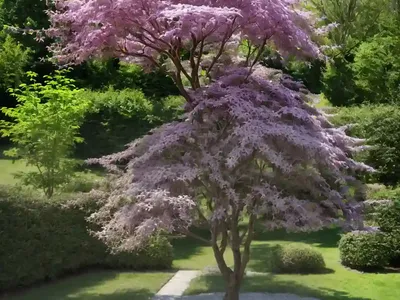
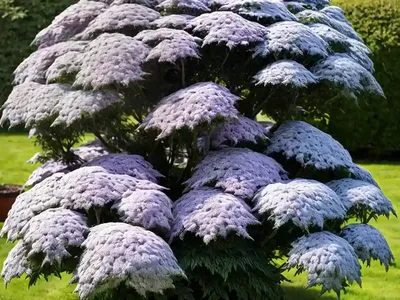
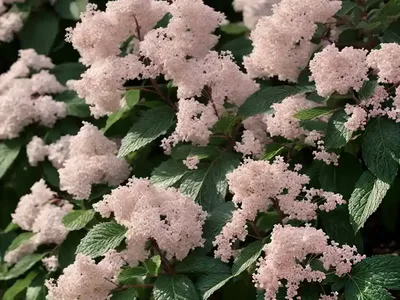
Burkwood Viburnum (Viburnum X Burkwoodii ‘Conoy’)
In the world of ornamental horticulture, few plants have the same level of versatility and beauty as the burkwood viburnum. The burkwood viburnum.
Introduction
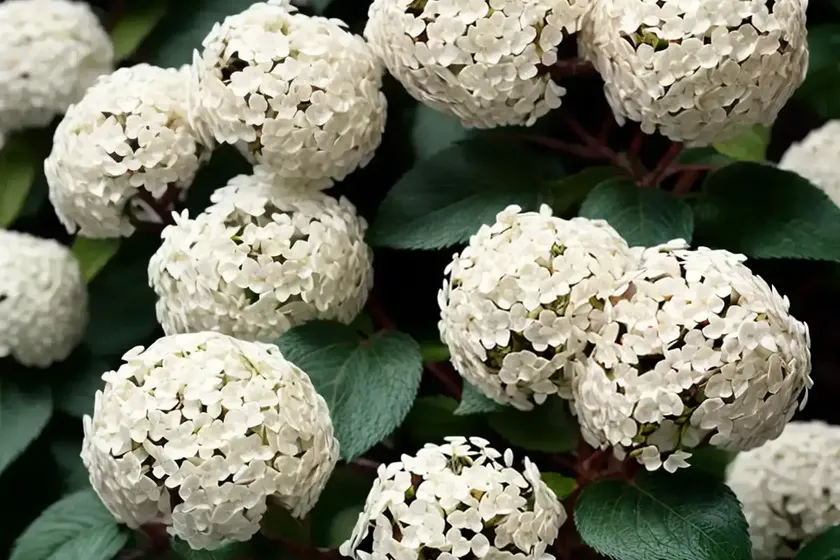
In the world of ornamental horticulture, few plants have the same level of versatility and beauty as the burkwood viburnum. The burkwood viburnum, scientifically known as Viburnum x burkwoodii ‘Conoy’, is a hybrid of two viburnum species, V. carlesii and V. utile.
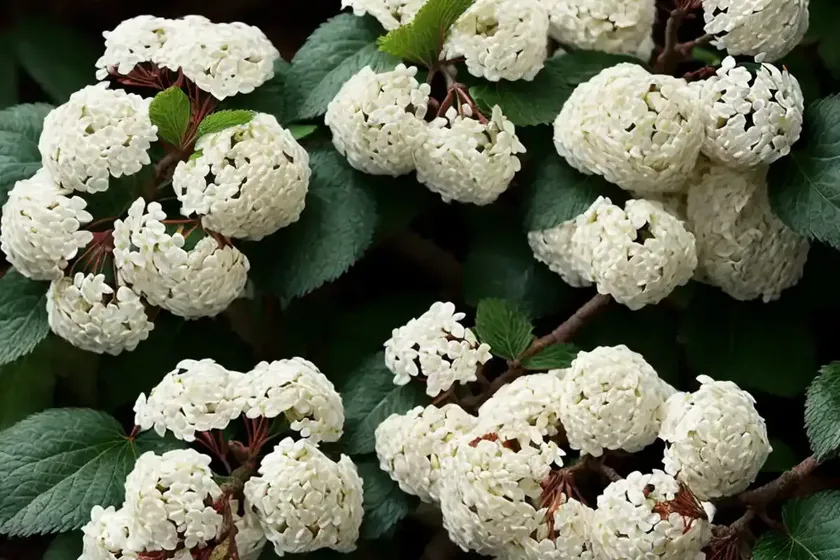
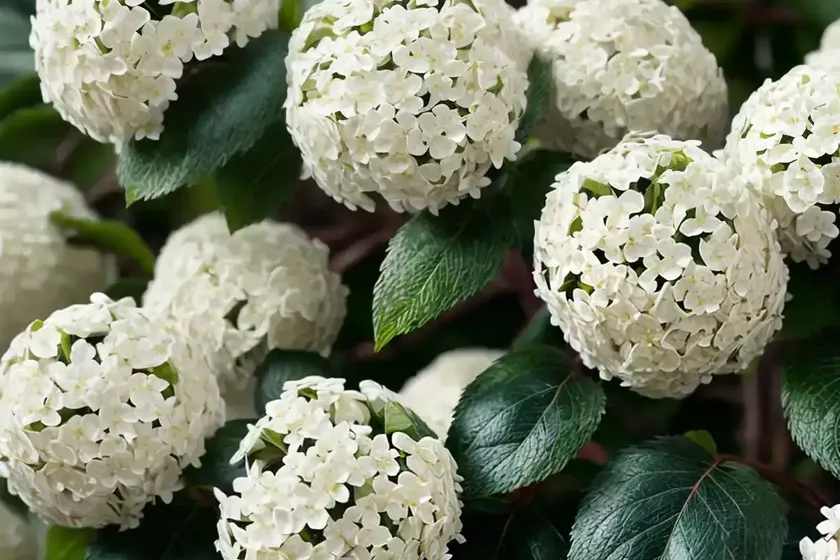
This popular shrub is admired for its splendid clusters of fragrant flowers, outstanding foliage, and versatility in landscape design. In this comprehensive guide, we will delve into the various aspects of burkwood viburnum cultivation, its uses, and essential care tips. Whether you are a seasoned gardener or a beginner, this guide will equip you with the knowledge to successfully grow and maintain this breathtaking plant.
What is the Burkwood Viburnum (Viburnum x burkwoodii ‘Conoy’)?
The burkwood viburnum, also known as Burke’s viburnum, is a deciduous hybrid shrub that exhibits the desirable characteristics of both parent species. This cultivar was first introduced in the early 20th century and has since become a cherished addition to gardens and landscapes around the world.
Key Takeaways
Let’s take a quick look at the key points we will explore in detail in this guide:
- Culture
- Uses
- Water
- Sunlight
- Fertilizer
- Soil
- Pruning
- Propagation
- Container Popularity
- Container Common Diseases
- Disease Diagnosis
- Common Pests
- Botanist’s Tips
- Fun Facts
- Links to External Resources
Now, let’s dive into each of these aspects to gain a comprehensive understanding of how to care for and appreciate the beauty of this remarkable plant.
Culture of Burkwood Viburnum
Cultivating burkwood viburnum successfully involves understanding its specific cultural requirements. The following factors are crucial for ensuring the optimal growth and health of this exceptional shrub.
Uses
The burkwood viburnum is valued for its numerous uses in landscaping. Whether utilized as a standalone specimen, a hedge, or a foundation plant, it brings elegance and fragrance to any setting.
- Stand-alone Specimen: When planted as a stand-alone specimen, the burkwood viburnum becomes a focal point in the garden, especially during its flowering season.
- Hedge: Its dense and compact growth habit makes it an excellent candidate for creating formal or informal hedges, providing privacy and visual interest.
- Foundation Plantings: Planted near buildings, its attractive foliage and charming flowers accentuate the architectural features of the structures.
Water
Proper watering is essential for the establishment and sustained health of burkwood viburnum. During periods of extended dryness, especially in the early stages of growth, regular watering is required to encourage root development and overall vigor.
- Establishment Phase: Newly planted burkwood viburnums need consistent moisture until they become established. Deep watering, ensuring the soil is evenly moist, is crucial.
- Mature Plants: Once established, these shrubs are moderately drought-tolerant. However, during prolonged dry spells, supplemental watering helps maintain their vitality and supports flower and fruit production.
Sunlight
Burkwood viburnums thrive in sites that offer abundant sunlight, although they can tolerate partial shade. Proper placement with adequate sunlight exposure directly contributes to the plant’s flowering and overall vigor.
- Sun Requirements: Ideally, these shrubs should be planted in areas that receive at least 6 hours of direct sunlight each day for optimal flowering and foliage development.
- Shade Tolerance: While they prefer full sun, they can also adapt to partial shade. However, reduced sunlight may result in fewer blooms and less dense foliage.
Fertilizer
Applying the right type and amount of fertilizer encourages robust growth and enhances the ornamental characteristics of the burkwood viburnum.
- Timing: Fertilize in early spring before new growth begins, ensuring the nutrients are readily available for the plant’s active growth phase.
- Type: A balanced, slow-release fertilizer formulated for woody plants is suitable. Avoid high-nitrogen fertilizers to prevent excessive vegetative growth at the expense of flower production.
Soil
The soil composition directly impacts the performance of burkwood viburnum, with well-draining and nutrient-rich soils being ideal for its growth and development.
- Drainage: Good drainage is crucial, as these plants are susceptible to root rot in waterlogged soils. Amending heavy clay soils with organic matter improves drainage.
- Acidic Soil Preference: They thrive in slightly acidic to neutral soils (pH 5.5-7.5). In alkaline soils, the shrubs may exhibit nutrient deficiencies, leading to suboptimal growth.
Pruning
Pruning plays a vital role in maintaining the health, shape, and flowering potential of the burkwood viburnum.
- Pruning Time: After the flowering period, typically in late spring or early summer, is the best time for pruning. This allows time for new growth to mature and develop flower buds for the following year.
- Techniques: Regular pruning to remove dead or damaged branches, as well as selective thinning to improve air circulation, promotes overall plant health.
Propagation
Propagating burkwood viburnum allows for the expansion of its presence in the landscape and enables gardeners to preserve exceptional cultivars.
- Methods: Propagation is commonly achieved through softwood cuttings taken in early summer or semi-hardwood cuttings in late summer. Rooting hormone and a well-draining medium enhance the success rates of propagation.
Container Popularity
Burkwood viburnums are increasingly appreciated for their adaptability to container gardening, allowing urban and space-limited gardeners to enjoy their beauty.
- Container Size: Select a container that accommodates the mature size of the shrub, providing ample room for root development.
- Soil Mix: Use a well-draining potting mix to ensure proper aeration and moisture retention within the container.
- Location: Position containers in areas that meet the plant’s sunlight requirements, ensuring they receive adequate light for healthy growth.
Common Diseases
Despite being relatively resistant to diseases, burkwood viburnums may encounter certain issues that can impact their health and appearance.
Disease Diagnosis
Diagnosing and promptly addressing potential diseases is crucial in maintaining the plant’s vitality and aesthetic appeal.
- Leaf Spot: This fungal disease exhibits as small, dark spots on the leaves and can lead to defoliation if left untreated. Improving air circulation and avoiding overhead watering can help prevent leaf spot.
- Powdery Mildew: A white, powdery growth on the foliage indicates powdery mildew. Pruning to improve air circulation and applying fungicidal treatments can effectively manage this issue.
Common Pests
Burkwood viburnums are occasionally susceptible to pest infestations, although they are generally resilient against most pests.
- Aphids: These small, sap-sucking insects can distort new growth and cause honeydew accumulation. Natural predators, such as ladybugs, can help control aphid populations.
- Scale Insects: Scale insects may attach themselves to the stems and foliage, causing yellowing and stunted growth. Horticultural oils or insecticidal soaps provide effective control measures.
Botanist’s Tips
- Deer Resistance: Burkwood viburnums are relatively deer-resistant, making them a suitable choice for landscapes frequented by browsing deer populations.
- Fragrance: The delightful, sweet fragrance of the burkwood viburnum’s flowers makes it a charming addition to gardens and outdoor living spaces.
Fun Facts
- Burkwood viburnum is a recipient of the Award of Garden Merit from the Royal Horticultural Society, highlighting its exceptional garden performance.
Conclusion
The burkwood viburnum, with its captivating flowers, lustrous foliage, and versatile uses, stands as a testament to the beauty and resilience of ornamental shrubs. Understanding and incorporating the essential cultural requirements and care practices outlined in this guide will empower gardeners to cultivate healthy and vibrant burkwood viburnums, enhancing the aesthetic appeal of their outdoor spaces.
For further in-depth information and resources about the burkwood viburnum, consider exploring the following external links:
- Viburnum burkwoodii ‘Conoy’ Fact Sheet – Missouri Botanical Garden
- Growing Viburnums – University of Minnesota Extension
With the knowledge gained from this guide and additional research from reputable sources, gardeners can embark on a rewarding journey of introducing and caring for the delightful burkwood viburnum in their own landscapes.
Remember, the journey of plant care is as enriching and fulfilling as the beauty it bestows upon our surroundings.