Arrowwood Viburnum (Viburnum Dentatum ‘Ralph Senior’ AUTUMN JAZZ)
Introduction Viburnum dentatum ‘Ralph Senior’ AUTUMN JAZZ, commonly known as Arrowwood Viburnum, is a deciduous shrub with a wide range of landscape uses..
Introduction
Viburnum dentatum ‘Ralph Senior’ AUTUMN JAZZ, commonly known as Arrowwood Viburnum, is a deciduous shrub with a wide range of landscape uses. With its attractive foliage, prolific flowering, and versatility, this plant has gained popularity among gardeners and landscapers.
In this comprehensive guide, we will explore the key characteristics, cultural requirements, uses, and maintenance tips for the Arrowwood Viburnum. Additionally, we will cover common diseases, pests, and propagation methods, offering insights for both enthusiasts and professionals seeking to incorporate this plant in their landscapes.
What Is the Arrowwood Viburnum?
The Arrowwood Viburnum, scientifically known as Viburnum dentatum ‘Ralph Senior’ AUTUMN JAZZ, is a cultivar of Viburnum dentatum. It is a member of the Adoxaceae family and is native to North America. This deciduous shrub typically grows 6 to 10 feet tall and 6 to 8 feet wide, forming a rounded, multi-stemmed habit with arching branches.
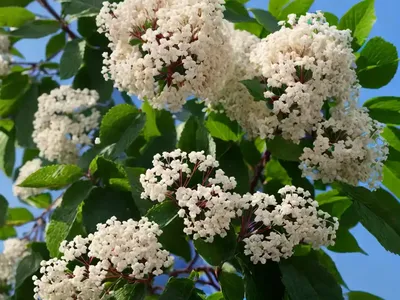
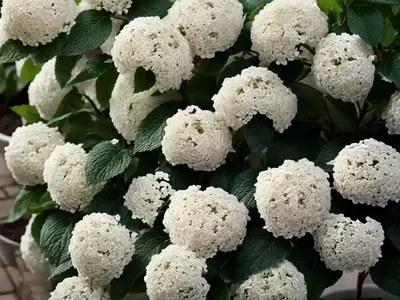
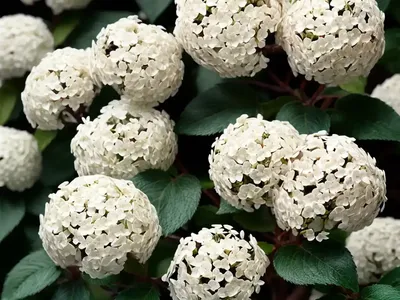
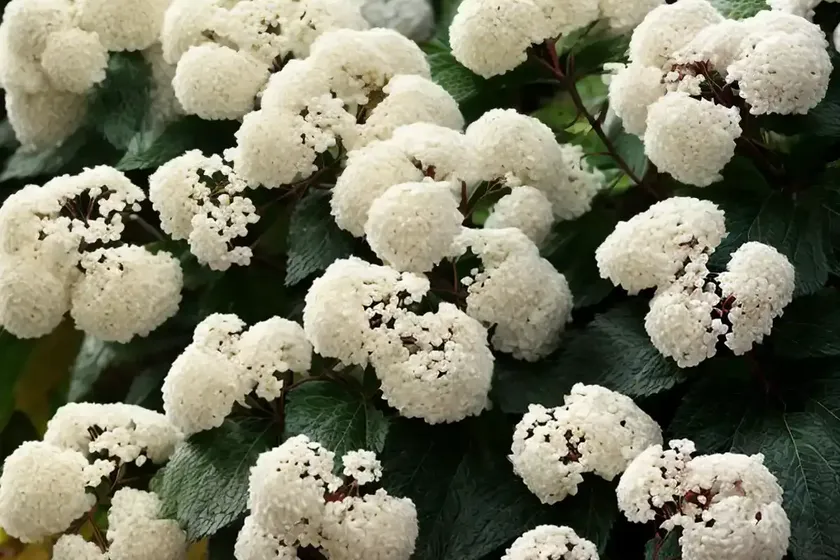
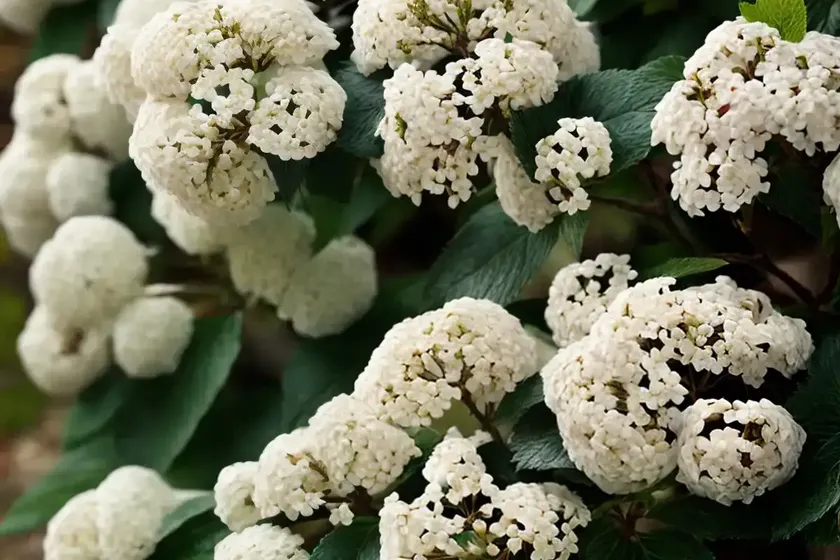
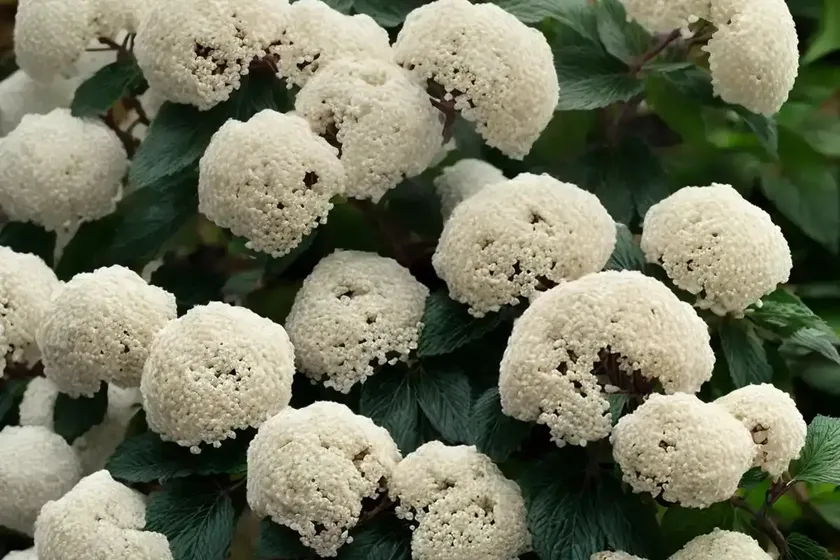
The ‘Ralph Senior’ cultivar is particularly valued for its profusion of white flowers in spring, which give way to blue-black fruits in late summer. The foliage turns vibrant shades of red and purple in the fall, enhancing its visual appeal throughout the seasons.
Key Takeaways
Viburnum dentatum ‘Ralph Senior’ AUTUMN JAZZ
The following key takeaways provide a quick overview of the Arrowwood Viburnum, encompassing its characteristics, cultural requirements, and uses.
Culture
-
Water: Requires regular watering, especially during the establishment phase. Once established, it shows good tolerance to drought.
-
Sunlight: Thrives in full sun to partial shade, with enhanced flowering in full sun conditions.
-
Fertilizer: Responds well to balanced fertilizers, applied in spring before new growth emerges.
-
Soil: Adaptable to various soil types, but prefers moist, well-drained soil.
-
Pruning: Benefits from selective pruning to shape and rejuvenate the plant, ideally carried out after flowering.
-
Propagation: Can be propagated through softwood or hardwood cuttings, as well as seeds.
-
Container: Suitable for container cultivation, provided it receives adequate care and maintenance.
Uses
-
Landscape: Valued for hedges, screening, and mass plantings, offering seasonal interest with its flowers, fruit, and fall foliage.
-
Wildlife: Attracts birds with its fruit, contributing to wildlife gardens and naturalistic landscapes.
-
Medicinal Uses: Historically used for its medicinal properties, although caution should be exercised due to potential toxicity.
Common Diseases
- Disease Diagnosis: Susceptible to fungal diseases such as powdery mildew, which can be managed through cultural practices and, if necessary, fungicidal treatments.
Common Pests
- Pest Control: May be affected by aphids, scale insects, and spider mites, necessitating appropriate pest control measures.
Botanist’s Tips
-
Select a planting location that provides adequate sunlight exposure, as it directly influences the plant’s flowering and fruiting.
-
Regularly monitor for signs of pest infestations and diseases, addressing them promptly to maintain the plant’s health and vigor.
-
Prune the plant selectively after flowering to encourage a compact shape and stimulate new growth.
Fun Facts
-
Arrowwood Viburnum was historically used by indigenous tribes for various medicinal purposes and is still utilized in some traditional medicine practices.
-
The fruits of this plant are a valuable food source for birds, contributing to the ecological balance in natural environments.
Now that we’ve covered the key takeaways, let’s delve into a detailed exploration of the Arrowwood Viburnum’s cultural requirements, maintenance practices, and more!
But a note before we dive deeper: these keywords below can be used as section headers or naturally integrated into the content to enhance searchability and readability for our readers:
- Viburnum dentatum ‘Ralph Senior’
- Autumn Jazz Viburnum
- Arrowwood Viburnum ‘Ralph Senior’
- ‘Ralph Senior’ Arrowwood Viburnum
- Viburnum dentatum AUTUMN JAZZ
- Ralph Senior Arrowwood Viburnum
- Autumn Jazz Arrowwood Viburnum
- Viburnum dentatum cultivar
- Viburnum dentatum variety
- Viburnum dentatum ‘Ralph Senior’ characteristics
- Arrowwood Viburnum description
- Autumn Jazz Viburnum care tips
- Ralph Senior Arrowwood Viburnum facts
- Viburnum dentatum ‘Ralph Senior’ appearance
- Autumn Jazz Viburnum planting guide
- Arrowwood Viburnum maintenance
- Viburnum dentatum ‘Ralph Senior’ habitat
- Autumn Jazz Arrowwood Viburnum pruning
- Viburnum dentatum ‘Ralph Senior’ landscape use
- Arrowwood Viburnum growth habit
- Viburnum dentatum ‘Ralph Senior’ diseases
- Autumn Jazz Viburnum propagation
- Ralph Senior Arrowwood Viburnum pollinators
- Viburnum dentatum variety comparison
- Viburnum dentatum ‘Ralph Senior’ hardiness
- Autumn Jazz Arrowwood Viburnum watering needs
- Viburnum dentatum ‘Ralph Senior’ sunlight requirements
- Arrowwood Viburnum soil preferences
- Viburnum dentatum ‘Ralph Senior’ pruning instructions
- Autumn Jazz Viburnum foliage color
- Ralph Senior Arrowwood Viburnum wildlife attraction
- Viburnum dentatum ‘Ralph Senior’ bloom time
- Autumn Jazz Arrowwood Viburnum companion plants
- Viburnum dentatum ‘Ralph Senior’ growth rate
- Arrowwood Viburnum drought tolerance
- Viburnum dentatum ‘Ralph Senior’ container gardening
- Autumn Jazz Viburnum winter care
- Ralph Senior Arrowwood Viburnum native range
- Viburnum dentatum ‘Ralph Senior’ root system
- Arrowwood Viburnum leaf characteristics
- Viburnum dentatum ‘Ralph Senior’ deer resistance
- Autumn Jazz Viburnum pest control
- Ralph Senior Arrowwood Viburnum landscape design
- Viburnum dentatum ‘Ralph Senior’ flowering period
- Arrowwood Viburnum bird-friendly features
- Viburnum dentatum ‘Ralph Senior’ berry production
- Autumn Jazz Viburnum fragrance
- Ralph Senior Arrowwood Viburnum medicinal uses
- Viburnum dentatum ‘Ralph Senior’ leaf shape
- Arrowwood Viburnum winter pruning techniques
Cultural Requirements of the Arrowwood Viburnum
Water
The Arrowwood Viburnum benefits from regular watering, especially during its establishment phase. Adequate moisture levels are crucial for promoting healthy growth and enhancing the plant’s overall performance. However, once the plant is established, it exhibits good tolerance to drought conditions, making it a suitable choice for landscapes with varying water availability.
Sunlight
This plant thrives in a wide range of light conditions, from full sun to partial shade. However, it tends to display enhanced flowering and fruiting when grown in full sun, making it an ideal candidate for sun-drenched locations. When planting the Arrowwood Viburnum, it is essential to consider the local light exposure to maximize its ornamental value.
Fertilizer
In terms of fertilization, the Arrowwood Viburnum responds well to balanced fertilizer applications. It is advisable to apply a slow-release, granular fertilizer in spring before new growth begins, ensuring that the plant receives essential nutrients to support its blooming and fruiting cycles. The nutrient-rich soil contributes to healthier foliage and robust flowering displays.
Soil
The Arrowwood Viburnum demonstrates adaptability to various soil types, though it has a preference for moist, well-drained soil conditions. When selecting a planting site, it is important to choose an area with soil characteristics that align with the plant’s preferences. Additionally, incorporating organic matter into the soil can further improve its structure and fertility, fostering optimal growth for the Arrowwood Viburnum.
Maintenance Practices
Pruning
Pruning plays a crucial role in maintaining the health and aesthetic appeal of the Arrowwood Viburnum. Selective pruning, ideally conducted after the flowering period, helps shape the plant and rejuvenate its growth. By removing dead or overgrown branches, gardeners can encourage a more compact and structured form, enhancing the plant’s visual impact in the landscape.
Propagation
The Arrowwood Viburnum can be propagated through various methods, including softwood and hardwood cuttings, as well as seeds. These propagation techniques offer flexibility for growers and enable the expansion of plant populations through controlled and intentional reproduction. When carried out with proper care and attention, propagation can yield new plants that inherit the desirable traits of the parent specimen.
Container Cultivation
This versatile plant is suitable for container cultivation, allowing it to be integrated into various settings, such as patios, balconies, or urban landscapes. When grown in containers, the Arrowwood Viburnum requires specific attention to watering, fertilization, and overall maintenance to ensure its well-being. Selecting an appropriately sized container and providing adequate drainage are essential considerations for successful container gardening with this plant.
Uses of the Arrowwood Viburnum
Landscape Applications
The Arrowwood Viburnum offers a range of landscape uses, making it a valuable addition to residential, commercial, and public spaces. Its versatility allows for diverse applications, including:
-
Hedges: Due to its dense growth habit and attractive foliage, the Arrowwood Viburnum is well-suited for creating functional and visually appealing hedges. It provides a natural barrier and can be shaped to maintain a desired height and width.
-
Screening: With its vigorous growth and foliage density, the plant serves as an effective screen, helping to create privacy and visual separation within outdoor environments.
-
Mass Plantings: The profusion of flowers, colorful berries, and autumn foliage makes the Arrowwood Viburnum a desirable choice for mass plantings, where its seasonal interest can be showcased on a larger scale.
Wildlife Gardens
In addition to its ornamental attributes, the Arrowwood Viburnum contributes to the biodiversity and ecological balance of wildlife gardens. The plant’s berries serve as a food source for birds, attracting avian visitors and fostering a dynamic and vibrant ecosystem. By incorporating the Arrowwood Viburnum into wildlife-friendly landscapes, individuals can support local bird populations and encourage biodiversity.
Medicinal Uses
Historically, certain Native American tribes utilized various parts of the Arrowwood Viburnum for medicinal purposes, harnessing its potential healing properties. While caution should be exercised, as some parts of the plant contain compounds that can be toxic if consumed in large quantities, it underscores the plant’s historical significance and potential health-related applications.
Common Diseases and Pest Management
Disease Diagnosis
The Arrowwood Viburnum is susceptible to certain diseases, with fungal infections, such as powdery mildew, being among the most common issues encountered by growers. Regularly inspecting the plant for signs of disease, including powdery white patches on the foliage, can aid in early detection and prompt intervention.
When diagnosing diseases, it is essential to monitor the plant’s overall health and growth, as well as the appearance of any abnormal symptoms. By promptly identifying and addressing diseases, gardeners can mitigate their impact and preserve the vitality of the Arrowwood Viburnum.
Pest Control
In addition to diseases, the plant may be affected by various pests, including aphids, scale insects, and spider mites. These pests can diminish the plant’s vigor and compromise its ornamental value if left unchecked. Implementing appropriate pest control measures, such as using targeted insecticides or organic pest management techniques, can help safeguard the health and aesthetics of the Arrowwood Viburnum.
Expert Insights and Practical Tips
Selecting an Ideal Planting Site
When choosing a location for the Arrowwood Viburnum, it is important to consider its sunlight requirements and the local growing conditions. Full sun exposure is beneficial for promoting robust flowering and fruiting, making sunny spots preferable for maximizing the plant’s ornamental potential.
Monitoring for Pests and Diseases
Regular vigilance is key to maintaining the health of the Arrowwood Viburnum. By regularly inspecting the plant for signs of pests and diseases, gardeners can address potential issues before they escalate, thereby minimizing the risk of damage and promoting the plant’s long-term well-being.
Harmonizing with Wildlife
Incorporating the Arrowwood Viburnum into wildlife-friendly landscapes can enhance the ecological balance of outdoor spaces. By providing a food source for birds and supporting local wildlife, this plant contributes to the diversity and vitality of natural environments.
Historical Significance
The historical use of the Arrowwood Viburnum by indigenous peoples underscores its cultural and ecological significance. Recognizing the traditional and medicinal aspects of the plant enriches its narrative and underscores its multifaceted value.
Conclusion
The Arrowwood Viburnum (Viburnum dentatum ‘Ralph Senior’ AUTUMN JAZZ) stands as a distinctive and versatile plant with a rich tapestry of ornamental, ecological, and cultural attributes. From its alluring flowers to its vibrant fall foliage, this deciduous shrub offers a wealth of visual interest and practical applications, making it a valuable addition to a diverse array of landscapes.
By understanding the plant’s cultural requirements, uses, maintenance practices, and potential challenges, growers and enthusiasts can cultivate and appreciate the Arrowwood Viburnum to its fullest potential. As it continues to captivate with its seasonal displays and ecological contributions, the Arrowwood Viburnum exemplifies the enduring appeal of native plants and their enduring place in horticulture, ecology, and cultural heritage.
References
- “Viburnum dentatum ‘Ralph Senior'” Missouri Botanical Garden. Link.
- “Viburnum dentatum (Southern Arrowwood)” University of Florida IFAS Extension. Link.
- Dirr, Michael A. “Viburnums: Flowering Shrubs for Every Season.” Timber Press, 2007.
- Whittemore, Alan T. “Fruits and Seeds of Mecodical Plants of Northeastern North America.” Memoirs of the New York Botanical Garden, Vol. 47, 1988.