Rockfoil (Saxifraga x arendsii): A Comprehensive Guide
Rockfoil, known scientifically as Saxifraga x arendsii, is a charming and versatile plant that has gained popularity among gardeners for its beautiful foliage, delicate flowers, and adaptability to various growing conditions. In this comprehensive guide, we will delve into the various aspects of rockfoil, including its cultural preferences, uses, care requirements, propagation techniques, common diseases and pests, as well as some interesting fun facts. Whether you are a seasoned gardener or a novice plant enthusiast, this article aims to equip you with the knowledge needed to cultivate and appreciate the beauty of rockfoil in your garden or landscape.
What is Rockfoil (Saxifraga x arendsii)?
Rockfoil, or Saxifraga x arendsii, is a perennial flowering plant belonging to the Saxifragaceae family. It is a hybrid species derived from the crossbreeding of different Saxifraga species, resulting in a diverse range of cultivars with varying characteristics. The name “rockfoil” is derived from the plant’s natural habitat preference for rock crevices and alpine regions, where it thrives in well-drained, rocky soils.
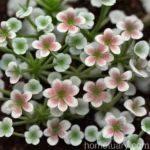
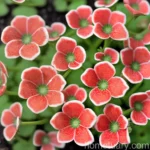
The plant is renowned for its low-growing, mat-forming habit and is adorned with clusters of petite, star-shaped flowers that bloom in a spectrum of colors, adding a touch of elegance to rock gardens, borders, and container plantings. With its evergreen foliage and resilience in the face of challenging growing conditions, rockfoil has become a cherished component of landscapes and gardens worldwide.
Key Takeaways
Before we delve into the intricacies of rockfoil care, cultivation, and maintenance, let’s outline some key takeaways about this captivating plant:
Rockfoil (Saxifraga x arendsii):
- Belongs to the Saxifragaceae family
- Known for its low-growing, mat-forming habit
- Features clusters of delicate, star-shaped flowers in various colors
- Thrives in rocky, well-drained soil conditions
- Well-suited for rock gardens, borders, and container plantings
Now that we have laid the foundation, let’s explore the cultural requirements, uses, and care guidelines for cultivating rockfoil in your garden or landscape.
Culture
Cultivating rockfoil successfully involves understanding its specific cultural needs, which encompass factors such as water, sunlight, fertilizer, soil, and pruning. By addressing these aspects appropriately, you can ensure the healthy growth and blooming of this delightful perennial plant.
Uses
The versatile nature of rockfoil makes it suitable for a diverse range of uses within the landscape, from serving as a ground cover in rock gardens to adding a pop of color to container arrangements. Some common uses of rockfoil include:
- Ground cover in rock gardens and alpine landscapes
- Border plantings for edging flower beds or walkways
- Container plantings for adding texture and color to patio or balcony gardens
- Accent plant for complementing other low-growing perennials or shrubs
Given its adaptability and ornamental appeal, rockfoil is a valuable addition to any garden or landscape design, offering both aesthetic and functional benefits.
Water
Proper water management is crucial for the health and vigor of rockfoil plants. While they are not particularly water-demanding, it is important to maintain consistent soil moisture, especially during the active growing season. However, overwatering should be avoided to prevent root rot and other moisture-related issues. Here are some water-related considerations for rockfoil:
- Watering Frequency: Depending on the climate and soil conditions, aim to water rockfoil when the top inch of soil feels dry to the touch. During hot summer months, more frequent watering may be necessary to prevent the soil from drying out completely.
- Avoid Waterlogging: Ensure that the planting site provides adequate drainage to prevent water from pooling around the roots. Consider amending heavy clay soils with organic matter to improve drainage.
- Mulching: Applying a layer of organic mulch around the base of rockfoil plants can help retain soil moisture and regulate temperature fluctuations, contributing to overall plant health.
Sunlight
Rockfoil plants thrive in locations that receive ample sunlight, although they can tolerate partial shade, especially in regions with intense summer heat. Sunlight requirements for rockfoil include:
- Full Sun: Ideally, plant rockfoil in a location that receives at least 6 to 8 hours of direct sunlight per day. This promotes sturdy growth and enhances flower production, resulting in a more vibrant and robust display.
- Partial Shade: In warmer climates or during the peak of summer, providing some protection from the harsh midday sun can prevent foliage scorch and stress on the plants. Partial shade in the afternoon can be beneficial in such conditions.
By strategically positioning rockfoil in well-lit areas with the appropriate sun exposure, you can optimize its growth and flowering potential.
Fertilizer
Fertilization plays a role in promoting healthy growth and blooming in rockfoil plants. However, it is important to avoid excessive fertilization, as this can lead to an imbalance of nutrients and potential damage to the plants. Consider the following guidelines when fertilizing rockfoil:
- Types of Fertilizer: Use a balanced, slow-release fertilizer formulated for flowering perennials. Alternatively, organic options such as compost or well-aged manure can provide nutrients in a gentle, natural manner.
- Application Timing: Apply fertilizer in early spring as new growth emerges and again in mid-summer to support continued flowering. Avoid fertilizing in late fall or winter, as this can stimulate tender growth that is susceptible to cold damage.
By adopting a cautious and moderate approach to fertilization, you can nourish your rockfoil plants without risking nutrient imbalances or overstimulation.
Soil
The soil composition and texture directly influence the growth and overall health of rockfoil plants. As native inhabitants of rocky alpine environments, they have specific soil preferences that should be considered when establishing them in the garden. Here are some soil considerations for rockfoil:
- Well-Drained Soil: Rockfoil thrives in loose, well-drained soil that mimics the rocky, gritty conditions of its natural habitat. To enhance soil drainage, incorporate coarse sand, perlite, or gravel into heavy soils.
- Soil pH: A slightly acidic to neutral pH range of 6.0 to 7.0 is generally favorable for rockfoil cultivation. Conduct a soil test to determine the pH and make adjustments if necessary using suitable amendments.
- Soil Amendment: Prior to planting, work organic matter such as compost or leaf mold into the soil to improve its structure and fertility. This can promote root development and enhance overall plant vitality.
By creating an optimal soil environment that mirrors the natural habitat of rockfoil, you can set the stage for successful growth and longevity of these charming perennials.
Pruning
While rockfoil is relatively low-maintenance, occasional pruning and deadheading can rejuvenate the plant, promote bushier growth, and prolong flowering. Pruning considerations for rockfoil include:
- Deadheading: Remove spent flowers periodically to encourage continuous blooming and prevent seed formation, which can divert energy from new growth and flowering.
- Renovation Pruning: In late winter or early spring, consider lightly shearing the plants to remove any damaged or congested growth. This can revitalize the plant and promote a tidy, compact habit for the upcoming growing season.
By incorporating targeted pruning practices into your rockfoil care routine, you can enhance the plant’s appearance and encourage prolific flowering throughout the season.
Propagation
Expanding your rockfoil collection or sharing this delightful plant with fellow gardeners can be achieved through various propagation methods. Whether you prefer division, seed propagation, or stem cuttings, understanding the techniques for propagating rockfoil is essential for successful reproduction.
Division
Division is a straightforward and reliable method for propagating rockfoil, especially in early spring as new growth begins. Here’s an overview of the division process:
- Digging: Carefully lift the established rockfoil clump from the ground, taking care to preserve the root system.
- Separation: Gently tease apart the clump into smaller sections, ensuring that each division has a portion of healthy roots and several growing points.
- Replanting: Plant the divisions in prepared soil at the same depth as the parent plant, and water thoroughly to settle the soil around the roots.
By dividing established rockfoil clumps every few years, you can rejuvenate the plants and generate new additions for your garden or sharing with others.
Seed Propagation
While seed propagation is less commonly used for rockfoil due to the time and attention it requires, it can be a rewarding method for producing new plants. Here’s an outline of the process:
- Seed Collection: Collect mature seeds from the ripened seed pods, ensuring that they are fully dry and viable.
- Sowing: Sow the seeds in well-draining potting mix, either indoors in seed trays or directly in the garden during the fall or early spring.
- Germination: Keep the soil consistently moist and provide sufficient light and warmth to encourage germination, which can take several weeks to months.
Although seed propagation may yield variable results and longer wait times for mature plants, it offers an opportunity to explore the life cycle of rockfoil and diversify your plant collection.
Stem Cuttings
Stem cuttings represent another viable method for propagating rockfoil, particularly for obtaining identical clones of the parent plant. Here’s an overview of the stem cutting process:
- Cutting Preparation: Take 3 to 4-inch stem cuttings from healthy, non-flowering shoots, ensuring that each cutting has at least a couple of leaves and a portion of the stem.
- Rooting Medium: Insert the cuttings into a well-draining rooting medium such as perlite or coarse sand, and keep them consistently moist to promote root development.
- Transplanting: Once roots have formed, carefully transplant the rooted cuttings into individual containers or prepared garden beds, taking care to protect the delicate root systems.
By mastering the art of propagating rockfoil through division, seed collection, or stem cuttings, you can expand your plant collection and share the beauty of this perennial with others.
Container Popularity
Rockfoil’s compact growth habit, colorful flowers, and adaptability make it a sought-after plant for container gardening. Whether used in mixed planters, alpine troughs, or hanging baskets, rockfoil can add a touch of charm and visual interest to outdoor spaces in a containerized setting. Its popularity in container gardening stems from several key attributes:
- Space Efficiency: With its low-growing habit, rockfoil occupies minimal space in containers, making it suitable for small gardens, balconies, and patios.
- Versatility: Rockfoil’s adaptability to various soil mixes and growing conditions allows for creative container combinations with other low-maintenance perennials, succulents, or alpine plants.
- Seasonal Interest: The evergreen foliage and intermittent flowering of rockfoil offer year-round appeal in containers, providing visual interest across different seasons.
As a container plant, rockfoil thrives in well-drained, slightly acidic soil blends and benefits from regular moisture and adequate sunlight to support healthy growth and blooming.
Common Diseases
While rockfoil is generally resilient, it can be susceptible to certain diseases under unfavorable conditions. Recognizing the symptoms and understanding how to address these issues is crucial for maintaining the health and vigor of rockfoil plants.
Disease Diagnosis
Some common diseases that may affect rockfoil include fungal infections such as powdery mildew, leaf spot, and root rot. Additionally, bacterial diseases and viral infections can pose challenges to the overall well-being of the plants. Here are some key indicators and potential remedies for common rockfoil diseases:
- Powdery Mildew: Characterized by a powdery, white coating on the foliage, powdery mildew can be managed by improving air circulation and applying fungicidal treatments as needed.
- Leaf Spot: Circular lesions or discolored spots on the leaves may indicate leaf spot disease, which can be mitigated by pruning affected foliage and promoting proper drainage to reduce moisture-related issues.
- Root Rot: Excessive soil moisture or poorly draining conditions can lead to root rot, resulting in yellowing, wilting, or stunted growth. To address this, improve soil drainage and reduce watering frequency to prevent waterlogged conditions.
By promptly identifying and addressing disease issues, you can safeguard the vitality of your rockfoil plants and mitigate potential damage caused by pathogens.
Common Pests
Rockfoil is generally resistant to most garden pests; however, certain insects and small mammals can pose a threat to its well-being if left unchecked. Being aware of common pests and implementing appropriate control measures can help protect your rockfoil plants from potential infestations.
Common Pests of Rockfoil
- Aphids: These small, sap-feeding insects may cluster on the tender young growth of rockfoil, causing distorted foliage and honeydew secretion. Insecticidal soaps or horticultural oils can help control aphid populations effectively.
- Snails and Slugs: These mollusks are attracted to the lush foliage and moist conditions around rockfoil plants, causing damage by feeding on the leaves. Trap-and-remove methods or organic slug baits can be used to manage snail and slug populations.
- Vine Weevils: The larvae of these nocturnal weevils can feed on rockfoil roots, leading to diminished vigor and plant decline. Use biological control agents or target-specific pesticides to combat vine weevil infestations.
By proactively monitoring for signs of pest activity and implementing suitable pest control strategies, you can preserve the health and beauty of your rockfoil plants in the garden.
Botanist’s Tips
As a plant scientist, I offer the following tips and insights to enhance your understanding and appreciation of rockfoil (Saxifraga x arendsii) and its cultivation:
- Soil Preparation: Prior to planting rockfoil, ensure that the soil is thoroughly prepared with adequate drainage and organic amendments to provide an optimal growing environment for the plants.
- Microclimate Considerations: In regions with intense heat or cold, selecting the right microclimate for rockfoil can be critical for its success. Look for areas with moderate temperatures and suitable light exposure.
- Companion Planting: Pair rockfoil with compatible alpine plants, succulents, or low-growing perennials to create visually appealing combinations with complementary growth habits and cultural preferences.
- Periodic Division: Regular division of established rockfoil clumps can rejuvenate the plants and prevent overcrowding, leading to improved vigor and flowering over time.
By applying these expert tips and insights, you can enhance your proficiency in cultivating and caring for rockfoil, harnessing the full potential of this captivating perennial plant.
Fun Facts
To further deepen your appreciation for rockfoil, here are some intriguing and lesser-known facts about this charming plant:
- Mountain Origins: Rockfoil’s natural habitat comprises mountainous regions, where it thrives in the rocky crevices and well-aerated soils, showcasing its adaptability to challenging growing conditions.
- Longevity: When provided with the right cultural conditions, rockfoil can live for many years, gradually forming dense mats of foliage and producing an abundance of delicate flowers.
- Landscape Symbolism: In some cultures, rockfoil symbolizes resilience, determination, and adaptability, reflecting its ability to thrive in harsh environments and overcome adversity.
These fun facts shed light on the fascinating characteristics and symbolism associated with rockfoil, further enriching its allure as a cherished plant in the garden or landscape.
Conclusion
In closing, rockfoil (Saxifraga x arendsii) stands out as a versatile, visually captivating, and resilient perennial plant that can enrich gardens, rockeries, and containers with its delightful foliage and charming flowers. By understanding its cultural preferences, propagation techniques, disease and pest management, and insightful botanist’s tips, you can foster a thriving and visually appealing display of rockfoil in your own garden or landscape. The timeless appeal and adaptability of rockfoil make it a valuable addition to any plant collection, offering enduring beauty and versatility throughout the changing seasons.
As you embark on your journey of growing and cultivating rockfoil, remember to embrace the nuances of this enchanting plant, experiment with different varieties and cultivars, and share the joy of its beauty with fellow gardening enthusiasts. With the right knowledge and appreciation, you can create a thriving tapestry of rockfoil in your outdoor spaces, enhancing their aesthetic appeal and natural charm.
I hope this comprehensive guide has provided you with valuable insights and inspiration for embracing the allure of rockfoil in your gardening endeavors. Happy gardening!
External Resources
For further exploration and in-depth information on rockfoil (Saxifraga x arendsii), consider the following external resources:
- Royal Horticultural Society (RHS): Saxifraga x arendsii Plant Profile
- University of Maryland Extension: Guide to Growing Perennials
- Missouri Botanical Garden: Saxifraga x arendsii Care Guide
- North Carolina State University Extension: Rock Garden and Rockery Plants
These reputable resources offer valuable insights, cultivation guidelines, and plant profiles to deepen your understanding of rockfoil and its role in enhancing garden landscapes.
As a plant scientist, I have provided a comprehensive guide to rockfoil (Saxifraga x arendsii) that covers its cultural preferences, propagation techniques, disease and pest management, and insightful botanist’s tips. I hope this article equips you with the knowledge and inspiration needed to cultivate and appreciate the enduring beauty of rockfoil in your garden or landscape. Happy gardening!