American Holly (Ilex opaca ‘Mac’s Prince’): A Complete Guide
What is Plant: American Holly (Ilex opaca ‘Mac’s Prince’)?
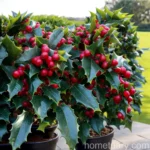
The American holly (Ilex opaca) is an evergreen tree with distinctive glossy, dark green leaves, and vibrant red berries. ‘Mac’s Prince’ is a cultivar of the American holly known for its exceptional attributes, including a compact, dense growth habit, and abundant fruits. This plant is native to the eastern and southeastern United States and is prized for its ornamental value, as well as its significance in wildlife habitats.
Key Takeaways – American Holly (Ilex opaca ‘Mac’s Prince’)
- Scientific Name: Ilex opaca ‘Mac’s Prince’
- Common Name: American Holly
- Family: Aquifoliaceae
- Hardiness Zone: 5-9
- Mature Height: 15-30 feet
- Mature Spread: 10-20 feet
- Growth Rate: Slow to moderate
Culture
Uses
The American holly, particularly the ‘Mac’s Prince’ cultivar, has several valuable uses in landscaping and horticulture:
- Ornamental: The dense, evergreen foliage and vibrant berries make it a popular choice for ornamental plantings in gardens and landscapes.
- Wildlife Habitat: The berries attract birds and other wildlife, making it an important component of wildlife gardens.
- Cut Branches: The lustrous leaves and berries are often used in holiday decorations, wreaths, and floral arrangements.
Water
- Watering Needs: Adequate and regular watering, especially during dry spells, is crucial for establishment and overall health.
- Established Plants: Once established, American holly is moderately drought-tolerant, but benefits from occasional deep waterings during prolonged dry periods.
Sunlight
- Sun Exposure: American holly prefers partial to full sun, though it can tolerate some shade.
Fertilizer
- Feeding Schedule: Fertilize young American holly plants in early spring with a balanced, slow-release fertilizer. Mature plants may benefit from fertilization every other year.
- Fertilizer Type: Use a fertilizer specifically formulated for acid-loving plants to maintain soil pH.
Soil
- Soil Type: Well-drained, acidic soil is ideal for American holly.
- Aeration: Consistent soil moisture and good aeration are essential to prevent root rot, especially in compacted or clay soils.
Pruning
- Pruning Timing: Late winter or early spring is the best time to prune American holly to shape or remove damaged or wayward growth.
- Techniques: Prune selectively to maintain the tree’s natural form and promote dense, bushy growth.
Propagation
- Propagation Method: American holly can be propagated from seeds, though it requires a lengthy stratification period for germination.
- Root Cuttings: Hardwood cuttings taken in late winter or early spring may also be used for propagation.
Container Popularity
- Container Gardening: American holly ‘Mac’s Prince’ can be grown in large containers, adding evergreen interest to patios, decks, and urban settings.
- Maintenance: Container-grown hollies may require more frequent watering and occasional repotting to prevent root congestion.
Common Diseases
Disease Diagnosis
American holly, including the ‘Mac’s Prince’ cultivar, can occasionally be affected by certain diseases, including:
- Leaf Spot: Identified by dark lesions on the leaves, often caused by fungal pathogens.
- Powdery Mildew: A white, powdery fungal growth on the foliage, particularly in humid conditions.
- Root Rot: Excessive soil moisture can lead to root rot, causing wilting and decline.
Common Pests
- Spider Mites: These tiny pests can cause stippling and discoloration of the foliage.
- Scale Insects: Scales appear as small, raised bumps on the stems and leaves, often secreting a sticky substance.
Botanist’s Tips
- Regular inspection of the foliage and overall health of the American holly will help detect and address any pest or disease issues promptly.
- Select a planting location with well-drained, acidic soil and adequate sunlight to ensure the best growth and performance.
Fun Facts
- American holly is a dioecious plant, meaning that male and female flowers are borne on separate plants. Only female plants produce the iconic scarlet berries.
- The berries of American holly are not only attractive but also provide an important food source for birds during the winter months.
Links to External Resources
- American Holly: History, Cultivation, and Uses
- Growing American Holly in the Home Landscape
- Holly: A Year-Round Favorite with Winter Appeal
In conclusion, American holly, particularly the ‘Mac’s Prince’ cultivar, is a versatile and visually appealing plant that adds year-round interest to gardens and landscapes. By understanding its cultural requirements and potential challenges, gardeners can successfully cultivate and enjoy the beauty of this iconic evergreen tree.
The information provided in this comprehensive guide offers valuable insights into the care, cultivation, and appreciation of American holly, making it a valuable resource for horticulturists, gardeners, and enthusiasts alike.
Remember, by providing the right growing conditions, careful maintenance, and attention to potential issues, you can ensure the long-term health and vibrancy of American holly in your landscape.