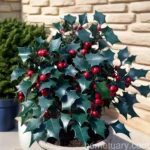
Holly (Ilex x meserveae ‘Heckenstar’ CASTLE WALL): A Comprehensive Guide
The holly (Ilex x meserveae ‘Heckenstar’ CASTLE WALL) is a beautiful and versatile plant that is prized for its attractive foliage and vibrant berries. This evergreen shrub is a popular choice for landscaping and gardens due to its low maintenance requirements and ornamental appeal. In this comprehensive guide, we will delve into the various aspects of holly (Ilex x meserveae ‘Heckenstar’ CASTLE WALL) care, cultivation, and maintenance.
What is Holly (Ilex x meserveae ‘Heckenstar’ CASTLE WALL)?
Holly (Ilex x meserveae ‘Heckenstar’ CASTLE WALL) is a hybrid of Ilex aquifolium and Ilex rugosa. It is a dense, multi-stemmed evergreen shrub with a compact, upright habit. The glossy, dark green leaves and bright red berries make it a visually striking addition to any landscape.
Key Takeaways – Holly (Ilex x meserveae ‘Heckenstar’ CASTLE WALL):
Before we dive into the specifics of holly (Ilex x meserveae ‘Heckenstar’ CASTLE WALL), let’s outline the key takeaways regarding this plant:
- Common Name: Holly (Ilex x meserveae ‘Heckenstar’ CASTLE WALL)
- Botanical Name: Ilex x meserveae ‘Heckenstar’ CASTLE WALL
- Plant Type: Evergreen shrub
- Features: Glossy, dark green leaves, vibrant red berries
- Uses: Landscaping, privacy screening, ornamental purposes
- Maintenance: Low maintenance, moderate growth rate
- Hardiness Zone: 5-9
- Mature Size: 10-15 feet in height, 6-8 feet in width
Now that we have a general overview of holly (Ilex x meserveae ‘Heckenstar’ CASTLE WALL), let’s explore the specific aspects of its care and cultivation.
Culture
The cultural requirements of holly (Ilex x meserveae ‘Heckenstar’ CASTLE WALL) play a pivotal role in its overall health and vigor. Understanding its cultural needs is essential for successful growth and development.
Water
- Watering Frequency: Holly (Ilex x meserveae ‘Heckenstar’ CASTLE WALL) prefers well-drained soil and regular watering. During the establishment period, it’s important to keep the soil consistently moist. Once established, it is moderately drought-tolerant but benefits from occasional deep watering during dry periods.
Sunlight
- Light Requirements: This shrub thrives in full sun to partial shade. While it can tolerate shade, it tends to produce more berries and maintain a denser growth habit in full sun.
Fertilizer
- Feeding Schedule: It is recommended to fertilize holly (Ilex x meserveae ‘Heckenstar’ CASTLE WALL) in early spring before new growth begins. A balanced, slow-release fertilizer formulated for acid-loving plants is ideal. Follow label instructions for application rates.
Soil
- Soil Type: Holly (Ilex x meserveae ‘Heckenstar’ CASTLE WALL) prefers moist, well-drained, acidic soil with a pH level between 5.0 and 6.5. Amending the soil with organic matter can improve its texture and drainage.
Pruning
Pruning is an essential aspect of holly (Ilex x meserveae ‘Heckenstar’ CASTLE WALL) maintenance, contributing to its overall health and aesthetic appeal.
- Pruning Time: The best time to prune holly is in late winter to early spring before new growth emerges.
- Techniques: Remove dead or diseased branches, and shape the shrub as desired. Avoid heavy pruning, as holly has the best recovery potential when pruned conservatively.
Propagation
Holly (Ilex x meserveae ‘Heckenstar’ CASTLE WALL) can be propagated through various methods, including:
- Softwood Cuttings: Take softwood cuttings in late spring or early summer and root them in a well-draining rooting medium.
- Seeds: Collect and sow fresh holly seeds in the fall. However, it’s important to note that the resulting seedlings may not exhibit the exact characteristics of the parent plant.
Container Popularity
Holly (Ilex x meserveae ‘Heckenstar’ CASTLE WALL) is well-suited for container gardening, allowing it to be showcased on patios, decks, or balconies.
- Container Size: Select a large, sturdy container to accommodate the shrub’s mature size.
- Drainage: Ensure the container has adequate drainage to prevent waterlogging.
- Soil: Use a well-draining, acidic potting mix specifically formulated for evergreen shrubs.
Common Diseases
Holly (Ilex x meserveae ‘Heckenstar’ CASTLE WALL) is generally quite resistant to diseases, but it can occasionally be affected by certain common issues.
- Leaf Spot: Fungal diseases like holly leaf spot can cause dark spots on the leaves. Proper air circulation and watering at the base of the plant can help prevent this issue.
- Phytophthora Root Rot: This soil-borne disease can affect holly plants, especially in poorly drained soil. Avoid overwatering and ensure good soil drainage to mitigate the risk of phytophthora root rot.
Disease Diagnosis
Diagnosing diseases in holly (Ilex x meserveae ‘Heckenstar’ CASTLE WALL) involves careful observation of symptoms and prompt action to prevent the spread of the disease.
- Symptoms: Watch for changes in leaf color, spotting, or wilting, as well as any signs of fungal growth on the leaves or branches.
- Action: If you suspect a disease, it’s advisable to consult with a local extension office or a plant health specialist for accurate diagnosis and treatment recommendations.
Common Pests
Holly (Ilex x meserveae ‘Heckenstar’ CASTLE WALL) is relatively pest-resistant, but it can still encounter some common pests.
- Scale Insects: These pests can infest holly plants, appearing as small, immobile bumps on the stems or leaves. They can be treated with horticultural oils or insecticidal soaps.
- Spider Mites: Spider mites may occasionally affect holly, causing stippling on the leaves. Regularly hosing down the plant and applying insecticidal soap can help manage spider mite infestations.
Botanist’s Tips
As a plant scientist, I have some additional tips for successfully growing and caring for holly (Ilex x meserveae ‘Heckenstar’ CASTLE WALL):
- Companion Planting: Pair holly with companion plants that thrive in similar growing conditions, such as ferns, azaleas, and camellias, to create visually appealing landscapes.
- Wildlife Benefit: Holly berries provide a valuable food source for birds during the winter months, making it an eco-friendly addition to the garden.
- Mulching: Apply a layer of organic mulch around the base of the shrub to conserve soil moisture and suppress weed growth.
Fun Facts
Discovering fun and intriguing facts about holly (Ilex x meserveae ‘Heckenstar’ CASTLE WALL) adds an extra dimension to the plant’s appeal:
- Seasonal Interest: In addition to its vibrant red berries, holly brings year-round visual interest with its glossy foliage and attractive growth habit.
- Symbolism: Holly has been historically associated with various cultural and symbolic meanings, often representing protection, goodwill, and hope.
Links to External Resources
For further information on holly (Ilex x meserveae ‘Heckenstar’ CASTLE WALL) and related topics, explore the following resources:
- [American Holly Society](https://www.americanhollysocie