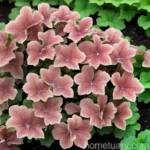
Plant Name: Coral Bells (Heuchera ‘Plum Pudding’)
Introduction to Coral Bells
Coral bells, scientifically known as Heuchera, are perennial plants that are popular for their colorful foliage and delicate bell-shaped flowers. They belong to the family Saxifragaceae and are native to North America. The genus Heuchera includes a wide variety of species and cultivars, each with its own unique characteristics and growing requirements.
One standout cultivar of Heuchera is ‘Plum Pudding’, which is cherished for its stunning deep purple color and attractive foliage. In this blog post, we will delve into the details of this fascinating plant, exploring its cultural requirements, uses, and tips for successful growth.
Key Takeaways – Coral Bells (Heuchera ‘Plum Pudding’)
Before we dive deeper into the specifics of ‘Plum Pudding’ Coral Bells, let’s summarize the key takeaways of this plant:
- Scientific Name: Heuchera ‘Plum Pudding’
- Common Name: Coral Bells ‘Plum Pudding’
- Characteristics: Stunning deep purple foliage, delicate bell-shaped flowers, and a mounding growth habit.
- Cultural Requirements: Partial shade, well-draining soil, and regular watering.
- Uses: Ideal for borders, rock gardens, and container plantings.
Now, let’s explore these aspects in greater detail to gain a comprehensive understanding of growing and caring for this beautiful variety of Heuchera.
What is Coral Bells (Heuchera ‘Plum Pudding’)?
As mentioned earlier, Coral Bells are perennial herbaceous plants that are esteemed for their ornamental foliage and dainty flowers. ‘Plum Pudding’ is a captivating cultivar featuring striking deep purple leaves that add a touch of drama and elegance to any garden setting. It also produces delicate, airy flowers on slender stems, which can range in color from white to pale pink, depending on the specific variety.
Coral Bells are valued not only for their aesthetic appeal but also for their adaptability to various growing conditions and their low maintenance requirements. The ‘Plum Pudding’ variety, in particular, has gained popularity among gardeners and landscapers for its distinctive color and versatile uses in landscape design.
Now, let’s explore the cultural requirements, uses, and specific care guidelines for ‘Plum Pudding’ Coral Bells to help you make the most of this stunning plant in your garden or landscape.
Culture
Water
Proper watering is essential for the health and vigor of ‘Plum Pudding’ Coral Bells. These plants prefer consistently moist, well-draining soil. While they do not tolerate waterlogged conditions, they also do not thrive in overly dry or drought-prone environments.
Watering Tips:
– Water the plants regularly, especially during the warm summer months, to keep the soil consistently moist.
– Use a soaker hose or drip irrigation system to ensure even moisture distribution and prevent water splashing on the foliage, which can lead to disease issues.
– Check the soil moisture levels regularly and adjust the watering frequency based on the specific needs of your garden or container plants.
Sunlight
Coral Bells, including the ‘Plum Pudding’ variety, thrive in partial shade to full shade conditions. While they can tolerate some morning sun, they generally prefer dappled or filtered sunlight, especially in regions with hot summers. Excessive exposure to direct sunlight can cause the foliage to scorch or fade, particularly in warmer climates.
Sunlight Guidelines:
– Plant ‘Plum Pudding’ Coral Bells in locations where they receive morning sun and afternoon shade or in filtered light throughout the day.
– In hot climates, provide additional shade during the peak hours of the day to protect the delicate foliage from sun damage.
– Observe the plants closely to determine the ideal sunlight conditions for your specific growing environment.
Fertilizer
Fertilizing ‘Plum Pudding’ Coral Bells can help promote healthy growth and vibrant foliage. However, it is crucial to avoid overfeeding, as excessive fertilizer can lead to lush growth at the expense of the plant’s ornamental qualities.
Fertilization Recommendations:
– Apply a balanced, slow-release fertilizer in early spring when new growth emerges to provide essential nutrients for the upcoming growing season.
– Refrain from using high-nitrogen fertilizers, as they can encourage excessive foliage growth at the expense of flower production.
– Follow the manufacturer’s recommendations regarding the application rate and frequency of fertilization for best results.
Uses
In Garden and Landscape Design
‘Plum Pudding’ Coral Bells offer a myriad of possibilities for garden and landscape design. Their vibrant foliage and compact growth habit make them well-suited for various applications, including:
- Border Plantings: Plant them along garden borders or edging to create a colorful and textured display that complements other perennial flowers and shrubs.
- Rock Gardens: Incorporate ‘Plum Pudding’ Coral Bells into rock gardens to add a splash of rich color and visual interest amidst the rocky terrain.
- Container Plantings: They are excellent candidates for container gardens, adding year-round color and texture to patios, decks, and other outdoor living spaces.
As Groundcover
The mounding nature of ‘Plum Pudding’ Coral Bells makes them an ideal choice for groundcover plantings. Their dense foliage and spreading habit can help suppress weeds and create a uniform carpet of vibrant purple leaves, adding visual appeal to shaded areas of the garden.
Soil
‘Plum Pudding’ Coral Bells thrive in well-draining soil with a slightly acidic to neutral pH. Good soil drainage is crucial for preventing waterlogged conditions, which can be detrimental to the plants’ health. Amending the soil with organic matter can improve its texture and drainage, creating an optimal growing environment for these captivating perennials.
Soil Recommendations:
– Use a well-draining, humus-rich soil that provides good aeration for the roots of ‘Plum Pudding’ Coral Bells.
– Incorporate organic matter, such as compost or well-rotted manure, into the soil at the time of planting to enhance its fertility and structure.
– Monitor the soil moisture levels and drainage characteristics to ensure an optimal growing environment for the plants.
Pruning
Pruning plays a vital role in maintaining the health and appearance of ‘Plum Pudding’ Coral Bells. While these plants do not require extensive pruning, occasional maintenance can help rejuvenate their growth and remove any damaged or unsightly foliage.
Pruning Guidelines:
– Remove spent flowers and damaged foliage throughout the growing season to promote continuous blooming and tidy appearance.
– In late fall or early spring, trim back any discolored or withered leaves to encourage fresh growth and rejuvenate the plant.
– Avoid pruning too aggressively, as excessive removal of foliage can impede the plant’s ability to photosynthesize and produce energy reserves for future growth.
Propagation
‘Plum Pudding’ Coral Bells can be propagated through various methods, including division, seed sowing, and stem cuttings. Each propagation technique offers distinct advantages and considerations, allowing you to expand your collection of these stunning perennials and share them with fellow gardening enthusiasts.
Division
Division is a reliable method for propagating ‘Plum Pudding’ Coral Bells and is ideally performed in spring or early fall when the plants are actively growing. This technique involves separating the plant’s root ball into smaller sections, each containing a portion of the root system and foliage. Divided segments can then be replanted to establish new plants.
Division Steps:
1. Carefully dig up the established clumps of ‘Plum Pudding’ Coral Bells, ensuring that each division contains a sufficient number of healthy roots and shoots.
2. Gently tease apart the root mass, taking care not to damage the delicate roots, and separate it into manageable sections.
3. Plant the divided segments in prepared soil, water them thoroughly, and provide appropriate care to encourage their establishment and growth.
Seed Sowing
Growing ‘Plum Pudding’ Coral Bells from seeds offers an exciting opportunity to explore the diversity of offspring and potentially develop new and unique varieties. While the germination process may require patience, it can be a rewarding way to propagate these captivating perennials.
Seed Sowing Tips:
– Collect ripe seeds from the spent flowers of ‘Plum Pudding’ Coral Bells and sow them in well-draining potting mix or seed-starting trays.
– Maintain consistent moisture levels and moderate temperatures to support the germination of the seeds.
– Transplant the seedlings into individual containers or the garden once they have developed several sets of true leaves and established a robust root system.
Stem Cuttings
Taking stem cuttings from ‘Plum Pudding’ Coral Bells is a reliable propagation method that allows you to clone the desirable traits of the parent plant. This technique involves selecting healthy stem segments, preparing them for rooting, and providing the ideal conditions for new roots to develop.
Stem Cutting Procedure:
1. Choose healthy, non-flowering stems and snip them into 3- to 4-inch sections, ensuring that each cutting has several nodes and leaf pairs.
2. Remove the lower leaves from the cuttings and dip the cut ends in a rooting hormone powder to stimulate root development.
3. Plant the prepared cuttings in a well-draining rooting medium, keep them consistently moist, and provide a warm, humid environment to encourage root initiation.
Container Popularity
‘Plum Pudding’ Coral Bells are a popular choice for container gardening due to their compact size, vibrant foliage, and versatile uses in outdoor and indoor settings. They can be showcased in various container designs, from traditional terracotta pots to modern, decorative planters, adding charm and color to balconies, patios, and other outdoor living spaces.
Container Planting Tips
When growing ‘Plum Pudding’ Coral Bells in containers, it is essential to consider their specific cultural requirements and provide appropriate care to ensure their vitality and longevity.
Container Guidelines:
– Select a well-draining container that is slightly larger than the plant’s root ball to accommodate its growth and establishment.
– Use a high-quality, well-draining potting mix formulated for perennial plants to provide a suitable growing medium for ‘Plum Pudding’ Coral Bells.
– Place the container in a location that receives partial shade and offers protection from intense sunlight and strong winds, especially during the hottest part of the day.
– Water the plants regularly, ensuring that the soil remains consistently moist but not waterlogged, and fertilize them according to the manufacturer’s recommendations to support healthy growth and vibrant foliage.
Common Diseases
Like many ornamental plants, ‘Plum Pudding’ Coral Bells can be susceptible to certain diseases, particularly those caused by fungal pathogens. Understanding the common diseases and their associated symptoms can help you identify and address potential issues before they impact the overall health of the plants.
Disease Diagnosis
Some of the common diseases that may affect ‘Plum Pudding’ Coral Bells include:
- Powdery Mildew: This fungal disease appears as a white, powdery coating on the foliage, typically in warm, humid conditions. It can weaken the plants and affect their overall appearance if left untreated.
- Rust: Rust diseases cause orange to brown pustules on the undersides of leaves, often accompanied by yellowing or browning of the foliage. These diseases can lead to defoliation and reduced vigor in affected plants.
- Leaf Spot: Leaf spot diseases manifest as dark, water-soaked lesions on the foliage, which may enlarge and coalesce over time. Severe infections can lead to premature leaf drop and a decline in plant health.
Disease Management:
– Provide adequate air circulation around the plants by spacing them properly and avoiding overcrowding in garden beds or containers.
– Water the plants at the base to prevent moisture from accumulating on the foliage, as damp conditions can promote the development of fungal diseases.
– Apply preventive fungicidal sprays or treatments as recommended for the specific diseases affecting ‘Plum Pudding’ Coral Bells to protect them from potential infections.
Common Pests
While ‘Plum Pudding’ Coral Bells are generally resilient against most pest infestations, they can occasionally be targeted by common garden pests that may affect their foliage, flowers, or overall vigor.
Pest Control Methods
Some of the pests that may pose a threat to ‘Plum Pudding’ Coral Bells include:
- Aphids: These small, soft-bodied insects feed on the sap of the plants, often causing distorted growth and honeydew accumulation on the foliage.
- Spider Mites: These tiny arachnids can infest the undersides of leaves, causing stippling, webbing, and premature leaf drop in severe infestations.
- Slugs and Snails: These mollusks can feed on the foliage and tender stems of ‘Plum Pudding’ Coral Bells, leaving irregular holes and damage on the leaves.
Pest Management:
– Monitor the plants regularly for signs of pest activity, such as distorted foliage, webbing, or visible insects.
– Use targeted control methods, such as insecticidal soaps, horticultural oils, or organic repellents, to manage pest populations while minimizing harm to beneficial insects and pollinators.
– Employ physical barriers, such as copper tape or diatomaceous earth, to protect container plants from slugs and snails while avoiding chemical treatments.
Botanist’s Tips
Best Soil for Heuchera ‘Plum Pudding’
Selecting the right soil is crucial for the success of ‘Plum Pudding’ Coral Bells. They thrive in well-draining, humus-rich soil with a pH ranging from slightly acidic to neutral. Incorporating organic matter, such as compost or well-rotted manure, can enhance the soil’s fertility and structure, creating an optimal growing environment for these captivating perennials.
Sunlight Requirements for Heuchera ‘Plum Pudding’
‘Plum Pudding’ Coral Bells prefer partial shade to full shade conditions, especially in regions with hot summers. They can tolerate some morning sun, but prolonged exposure to intense sunlight can lead to foliage scorching or fading, particularly in warmer climates. Providing dappled or filtered sunlight throughout the day can help maintain the plants’ vibrant foliage and overall health.
Watering Needs of Coral Bells ‘Plum Pudding’
Consistent moisture is essential for the health and vitality of ‘Plum Pudding’ Coral Bells. They prefer well-draining soil that remains consistently moist, but not waterlogged. Regular watering, especially during the warm summer months, can help support their growth and mitigate the risk of drought stress. Using a soaker hose or drip irrigation system can ensure even moisture distribution, promoting healthy root development and optimal plant vigor.
Unique Foliage of Coral Bells Plum Pudding
The ‘Plum Pudding’ variety is celebrated for its stunning deep purple foliage, which adds a touch of drama and elegance to any garden or landscape. The intricate lobed leaves and intense coloring make it a standout feature in mixed borders, rock gardens, and container plantings. The rich purple tones of the foliage can provide striking contrast and visual interest when paired with other plants or when showcased as a focal point in garden design.
Pruning Tips for Heuchera Plum Pudding
While ‘Plum Pudding’ Coral Bells do not require extensive pruning, occasional maintenance can help maintain their appearance and vitality. Removing spent flowers and damaged foliage throughout the growing season can promote continuous blooming and a tidy overall appearance. Additionally, trimming back any discolored or withered leaves in late fall or early spring can encourage fresh growth and rejuvenate the plant for the upcoming season.
Fun Facts
-
Some cultivars of Coral Bells, including ‘Plum Pudding’, are known for their edible flowers, which can add a unique and colorful touch to salads and other culinary creations.
-
The name “Heuchera” pays tribute to Johann Heinrich von Heucher, an 18th-century German physician and botanist.
-
Coral Bells are valued not only as garden ornamentals but also for their potential medicinal properties, with some species traditionally used for their astringent and anti-inflammatory properties.
-
The delicate flowers of ‘Plum Pudding’ Coral Bells are a magnet for pollinators, including bees and butterflies, contributing to the ecological diversity of the garden.
-
Certain species of Heuchera have been used in Native American traditional medicine for their purported healing properties, particularly in the treatment of various ailments and wounds.
Links to External Resources
For further information on growing and caring for ‘Plum Pudding’ Coral Bells, as well as additional insights into Heuchera varieties and ornamental gardening, you may find the following resources valuable:
- The National Gardening Association: Heuchera – Coral Bells
- Royal Horticultural Society: Heuchera
- Missouri Botanical Garden: Heuchera
- University of Maryland Extension: Coral Bells
- American Horticultural Society: Growing Coral Bells (Heuchera)
- Gardening Know How: Heuchera Plant Care – How To Grow Coral Bells
These resources offer comprehensive insights, practical tips, and expert guidance on cultivating and enjoying the beauty of ‘Plum Pudding’ Coral Bells, as well as other Heuchera varieties, in your garden or landscape.
Conclusion
Coral Bells, particularly the enchanting ‘Plum Pudding’ variety, hold a special place in ornamental gardening, thanks to their captivating foliage, graceful flowers, and versatile uses in garden and landscape design. By understanding and catering to their specific cultural requirements, such as partial shade, well-draining soil, and consistent moisture, you can enjoy the beauty of these remarkable perennials in your outdoor spaces.
Whether used as border plants, groundcover, or container specimens, ‘Plum Pudding’ Coral Bells bring enduring charm and colorful accents to any setting. Their low maintenance nature and exceptional adaptability make them a favorite among gardening enthusiasts and landscape designers seeking to incorporate beauty and allure into their outdoor environments.
As you embark on your journey of growing and caring for ‘Plum Pudding’ Coral Bells, remember to embrace the unique characteristics of these captivating perennials and relish the visual drama they bring to your garden or landscape. With the right cultural approach and a touch of creativity, you can create enchanting displays and explore the endless possibilities of Heuchera in your outdoor living spaces.
So, whether you are a seasoned gardener or a novice enthusiast, consider adding the allure of ‘Plum Pudding’ Coral Bells to your garden or landscape, and let their rich, deep purple foliage and delicate blooms elevate the