Red Cedar (Juniperus virginiana ‘Burkii’): A Comprehensive Guide
Red cedar, scientifically known as Juniperus virginiana ‘Burkii’, is a captivating evergreen tree that is a popular choice for landscaping due to its stunning appearance and numerous benefits. In this comprehensive guide, we will explore the various aspects of red cedar, including its cultural requirements, uses, caring tips, growth habits, pruning techniques, landscaping ideas, disease control, pests, maintenance, and much more. To provide a thorough understanding of this majestic plant, we will cover every aspect in detail, ensuring that you have all the information you need to successfully grow and maintain red cedar in your landscape.
What is Red Cedar (Juniperus virginiana ‘Burkii’)?
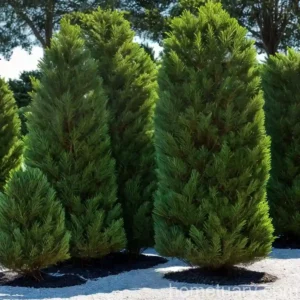
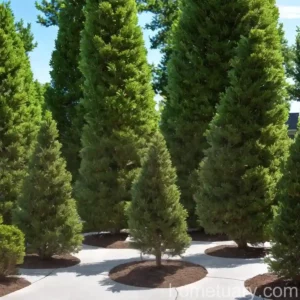
Red cedar refers to the cultivar of Juniperus virginiana, a species of juniper native to North America. It is an evergreen conifer that belongs to the Cypress family, Cupressaceae. The ‘Burkii’ variety is particularly esteemed for its vibrant red-toned foliage and its hardiness. Not only does it add aesthetic appeal to landscapes, but it also serves various ecological and practical purposes. Its botanical name, Juniperus virginiana, alludes to its status as a native of the Virginian region in the United States.
Key Takeaways
- Red Cedar Varieties: The ‘Burkii’ cultivar is one of the distinguished varieties of Juniperus virginiana, known for its vibrant red foliage and hardiness.
- Characteristics of Juniperus virginiana ‘Burkii’: The ‘Burkii’ variant is characterized by its striking red-toned evergreen foliage and its resilience in various environmental conditions.
- Red Cedar Tree Information: This guide provides comprehensive information about the red cedar species, focusing on the ‘Burkii’ cultivar and its distinct features.
- Care Tips for Juniperus virginiana ‘Burkii’: We will delve into the essential care tips required for ensuring the healthy growth of the ‘Burkii’ variant, including aspects such as water, sunlight, fertilizer, pruning, and soil requirements.
- Growth Habits of Red Cedar: Understanding the growth habits of red cedar is crucial for successful cultivation and maintenance, and this guide will address these habits in detail.
- Pruning Guide for Juniperus virginiana ‘Burkii’: Proper pruning is essential for maintaining the health and aesthetic appeal of red cedar, and we will provide a detailed pruning guide.
- Benefits of Red Cedar Tree: The red cedar holds numerous benefits, from its aesthetic contributions to its ecological significance, and we will explore these advantages.
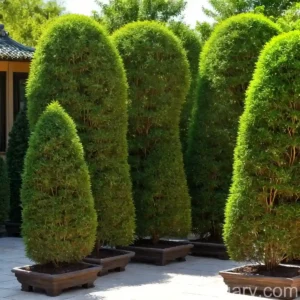
- Landscaping Ideas for Juniperus virginiana ‘Burkii’: Red cedar can be an enchanting addition to landscapes, and we will discuss various landscaping ideas to maximize its visual impact.
- Disease Control for Red Cedar: Red cedar is susceptible to certain diseases, and we will provide insights into effective disease control measures.
- Pests Affecting Juniperus virginiana ‘Burkii’: Understanding the pests that can affect red cedar is essential, and this guide will cover the common pests and control measures.
- Maintenance Requirements: The maintenance requirements of red cedar, including watering, fertilization, and other essential tasks, play a crucial role in its health, and we will address these in detail.
With these key takeaways in mind, let’s dive into the detailed exploration of red cedar, focusing on the ‘Burkii’ variety, and understand its cultural requirements, uses, caring tips, and many more aspects for successful cultivation and maintenance.
Culture
Cultural practices are essential for the healthy growth and development of red cedar. By understanding the cultural requirements, you can create an environment that promotes the well-being and vitality of this magnificent evergreen tree. Here are the vital cultural aspects to consider when cultivating red cedar:
Water
- Water Needs: Red cedar is relatively drought-tolerant once established, and it thrives in well-drained soil. However, regular watering is essential during the initial establishment phase to promote healthy root development. Additionally, adequate moisture is crucial during periods of prolonged drought to prevent stress and maintain its vibrant foliage color.
Sunlight
- Sun Exposure: Juniperus virginiana ‘Burkii’ thrives in full sun to partial shade. It is essential to provide adequate sunlight to ensure robust growth and vibrant foliage color. When selecting a planting location, consider the sunlight requirements of red cedar and choose a spot that receives the appropriate amount of sunlight throughout the day.
Fertilizer
- Fertilization: Red cedar generally has low to moderate fertility requirements. A balanced, slow-release fertilizer applied in spring can support healthy growth and vibrant foliage. Avoid over-fertilization, as this can lead to excessive vegetative growth at the expense of overall plant health.
Soil
- Soil Requirements: Well-drained soil is crucial for the successful cultivation of red cedar. It thrives in various soil types, including loamy, sandy, or clay soils, as long as they are well-drained. Prioritize soil preparation to ensure optimal drainage and aeration for the roots.
Pruning
Proper pruning is essential for maintaining the desired shape, size, and overall health of red cedar. Pruning also helps to remove any dead or diseased branches, promoting the tree’s longevity and aesthetic appeal. Here are some essential pruning tips for Juniperus virginiana ‘Burkii’:
-
Pruning Frequency: Red cedar generally requires minimal pruning, primarily to maintain its shape and remove any dead or diseased branches. Annual pruning, if needed, is typically sufficient to keep the tree looking tidy and healthy.
-
Pruning Techniques: When pruning red cedar, use sharp, clean pruning tools to make precise cuts. Avoid over-pruning and strive to maintain the tree’s natural form. Remove any dead, damaged, or crossing branches to encourage good air circulation and minimize disease risk.
Propagation
Propagating red cedar can be a rewarding endeavor, allowing you to expand your collection or share this captivating evergreen tree with others. While red cedar can be propagated through various methods such as seed propagation, cuttings, or layering, it’s essential to choose the most suitable approach based on the specific requirements of Juniperus virginiana ‘Burkii’.
For instance, if you are interested in propagating red cedar through cuttings, here are some key steps to consider:
- Select Healthy Cuttings: Choose healthy, non-flowering shoots from the current season’s growth for the best results.
- Preparation: Prepare the cuttings by removing the lower leaves and making a clean cut just below a node.
- Rooting Medium: Use a well-draining rooting medium such as perlite or a mix of peat and perlite to encourage successful root development.
- Rooting Hormone: Optionally, dip the cuttings in a rooting hormone to stimulate root formation.
- Environmental Conditions: Provide the cuttings with the optimal environmental conditions, including warmth and humidity, to support root development.
While propagating red cedar can be a fascinating and rewarding process, it’s important to follow specific propagation guidelines to maximize success.
Container Popularity
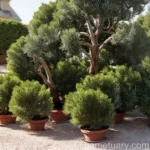
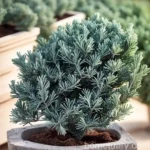
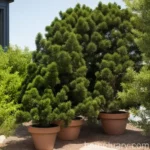
Red cedar, including the ‘Burkii’ variety, is well-suited for container cultivation, making it a versatile and attractive addition to outdoor spaces, patios, and gardens. The ability to thrive in containers enhances its popularity and offers unique garden design opportunities. When cultivating red cedar in containers, consider the following aspects:
- Container Selection: Choose a spacious container with adequate drainage holes to ensure proper aeration and water drainage.
- Soil Medium: Use a well-draining, high-quality potting mix to provide optimal support for the tree’s roots.
- Watering: Container-grown red cedar may require more frequent watering than those planted in the ground, especially during hot and dry periods.
- Sunlight: Position the container in a location that receives the appropriate amount of sunlight based on the sun exposure requirements of red cedar.
Cultivating red cedar in containers offers the flexibility to showcase its beauty in various settings, and it allows for easy mobility and creative placement within the landscape.
Common Diseases
Like many plants, red cedar, including the ‘Burkii’ cultivar, is susceptible to certain diseases that can affect its overall health and appearance. Understanding the common diseases and their associated symptoms is crucial for implementing effective disease control strategies. Here are some common diseases that can impact red cedar:
-
Cedar Apple Rust: This fungal disease can cause orange or rust-colored spots on the foliage of red cedar, leading to premature leaf drop and overall stress on the tree. It is important to manage this disease to prevent its spread and minimize its impact on the tree.
-
Phomopsis Blight: Phomopsis blight can cause dieback of twigs and branches, and it often manifests as brown, necrotic areas on the foliage. Proper pruning and sanitation practices can help manage this disease and prevent its recurrence.
-
Cercospora Blight: Cercospora blight can lead to leaf spot and blight on red cedar, resulting in discolored and damaged foliage. Adequate air circulation and proper watering practices can contribute to disease management.
Implementing preventive measures such as proper pruning, ensuring optimal air circulation, and promptly addressing any signs of disease can help minimize the impact of these and other common diseases on red cedar.
Disease Diagnosis
Accurately diagnosing and identifying diseases affecting red cedar is essential for implementing effective treatment and management strategies. As a plant scientist or enthusiast, being able to recognize the symptoms of common diseases is crucial for maintaining the health and vitality of red cedar. Here are some key steps for disease diagnosis:
- Observation: Carefully observe the foliage, branches, and overall appearance of the tree for any signs of discoloration, spotting, or abnormal growth.
- Symptom Identification: Note the specific symptoms present, such as leaf spots, dieback, or discoloration, and consider any environmental factors that may be contributing to the symptoms.
- Research and Resources: Utilize reliable resources, including plant pathology guides and diagnostic websites, to compare the observed symptoms and narrow down potential disease causes.
- Professional Consultation: In cases of uncertainty or severe symptoms, consider seeking the expertise of a plant pathologist or local agricultural extension services to obtain an accurate diagnosis and tailored guidance for disease management.
By developing the skills to accurately diagnose and identify diseases affecting red cedar, you can take proactive measures to address any issues and promote the tree’s overall health.
Common Pests
Pests can pose a threat to the health and vitality of red cedar, and being aware of the common pests that can affect this evergreen tree is essential for implementing timely pest control measures. Here are some common pests that may target red cedar, including the ‘Burkii’ variant:
-
Bagworms: Bagworms are known to infest red cedar, creating unsightly silk bags on the foliage and feeding on the needles. Regular scouting and manual removal of bagworms can help control their population.
-
Spider Mites: These tiny pests can cause stippling and webbing on red cedar foliage, leading to reduced vigor and aesthetic damage. Mitigate spider mite infestations through cultural practices and targeted pest control measures.
-
Scale Insects: Different species of scale insects may infest red cedar, and their feeding can lead to weakened growth and stress on the tree. Implementing biological controls and targeted sprays can help manage scale insect populations.
By actively monitoring for the presence of these and other common pests, you can take proactive steps to protect red cedar from potential damage and promote its overall well-being.
Botanist’s Tips
As a plant scientist, it’s important to provide valuable insights and tips based on scientific knowledge and practical experience. Here are some beneficial tips for cultivating and caring for red cedar, particularly the ‘Burkii’ variety:
-
Species Selection: When selecting red cedar for a landscape, consider the specific characteristics and growth habits of the ‘Burkii’ variant to ensure it aligns with the desired design and environmental conditions.
-
Pruning Considerations: When pruning red cedar, focus on maintaining its natural form and structure while removing any dead or diseased branches. Over-pruning can compromise the tree’s health and aesthetic appeal.
-
Disease Management: Implement a proactive approach to disease management by promoting good air circulation, avoiding overhead watering, and promptly addressing any signs of disease to prevent its spread.
-
Pest Monitoring: Regularly monitor red cedar for the presence of pests, particularly during peak pest activity periods, and employ integrated pest management strategies to minimize pest impact.
-
Environmental Considerations: Consider the hardiness zone and environmental conditions of the planting site to ensure it aligns with the resilience and preferences of red cedar, promoting its long-term health and vitality.
By incorporating these botanist’s tips into the cultivation and maintenance of red cedar, you can enhance the overall success and sustainability of this captivating evergreen tree.
Fun Facts
- The red cedar, despite its name, is not a true cedar but rather belongs to the juniper genus, Juniperus.
- Red cedar wood has a pleasant aroma and is commonly used for crafting aromatic cedar chests and closets to repel moths and other insects.
- Juniperus virginiana ‘Burkii’ is known for its distinctive red-toned evergreen foliage, adding a vibrant touch to landscapes year-round.
These fun facts offer a deeper appreciation for the unique qualities and contributions of red cedar within various contexts, from botanical classification to practical applications.
Links to External Resources
For further exploration and in-depth information about red cedar, including the ‘Burkii’ variety, the following external resources provide valuable insights and guidance: