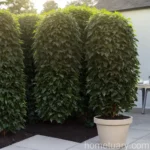
Japanese Holly (Ilex crenata ‘Hetzii’)
What is the Japanese Holly (Ilex crenata ‘Hetzii’)?
The Japanese holly, scientifically known as Ilex crenata ‘Hetzii’, is a popular and versatile evergreen plant that belongs to the family Aquifoliaceae. This plant is widely admired for its compact and dense growth habit, making it an excellent choice for hedges, topiaries, and container gardening. With its small, leathery dark green leaves and dense branching structure, the Japanese holly adds a touch of elegance to any landscape.
Key Takeaways – Japanese Holly (Ilex crenata ‘Hetzii’)
Before diving into the details of the culture, uses, care, and maintenance of the Japanese holly, here are some key takeaways about this remarkable plant:
- Scientific Name: Ilex crenata ‘Hetzii’
- Common Names: Japanese Holly, Hetzii Holly, Compact Japanese Holly
- Plant Type: Evergreen Shrub
- Mature Height and Spread: 3-4 feet tall and wide
- Growth Rate: Slow to moderate
- Uses: Hedges, topiaries, containers, ornamental landscaping
- Key Features: Compact growth, small dark green leaves, dense branching
- Hardiness Zones: 5-8
- Maintenance: Low to moderate
- Pest and Disease Resistance: Generally resistant to pests and diseases
Culture of Japanese Holly (Ilex crenata ‘Hetzii’)
To ensure the healthy growth and development of Japanese holly, it’s essential to understand its cultural requirements, including water, sunlight, fertilizer, soil, and pruning needs.
Water
Proper watering is crucial for the well-being of Japanese holly plants, especially during the establishment phase. Once established, they are fairly drought-tolerant, but regular watering is still necessary, particularly during dry spells. When watering, it’s important to ensure that the soil is well-drained to prevent waterlogged conditions, which can lead to root rot.
Sunlight
Japanese hollies thrive in partial to full sun, although they can tolerate some shade. However, to promote dense and vigorous growth, it’s recommended to plant them in locations that receive at least 4-6 hours of direct sunlight each day. In hot climates, providing some afternoon shade can be beneficial.
Fertilizer
Applying a balanced, slow-release fertilizer formulated for evergreen plants in spring is generally sufficient to meet the fertilizer needs of Japanese holly. It’s essential to follow the recommended application rates to avoid over-fertilization, which can lead to excessive foliage growth at the expense of overall plant health.
Soil
Japanese hollies prefer slightly acidic to neutral, well-draining soil. Amending heavy clay soils with organic matter such as compost or peat moss can improve drainage and create a favorable growing environment for these plants. Additionally, maintaining a layer of mulch around the base of the plant helps conserve soil moisture and suppress weed growth.
Uses of Japanese Holly (Ilex crenata ‘Hetzii’)
The Japanese holly has a wide range of applications in ornamental landscaping, primarily due to its compact growth, attractive foliage, and versatility. Some common uses of Japanese holly in the landscape include:
- Hedges: Japanese holly is a popular choice for creating formal or informal hedges due to its dense branching and small leaves, which respond well to pruning.
- Topiaries: Its compact growth habit makes it an excellent candidate for creating various topiary shapes, adding sculptural interest to the landscape.
- Containers: Japanese holly is well-suited for container gardening, where it can be used as a standalone specimen or as part of a mixed planting.
- Ornamental Plantings: Whether used as a border plant, foundation planting, or massed as a ground cover, Japanese holly adds year-round visual appeal to the landscape.
Pruning Japanese Holly (Ilex crenata ‘Hetzii’)
Proper pruning is essential for maintaining the desired shape and size of Japanese holly plants. Here are some key pruning tips for this plant:
- Timing: Pruning is best done in late winter to early spring before the new growth begins to emerge.
- Tools: Use sharp and clean pruning tools to make precise cuts without causing damage to the plant.
- Techniques: When shaping hedges or topiaries, use hand pruners or hedge shears to maintain the desired form. For general maintenance, remove any dead, diseased, or crossing branches to improve air circulation and overall plant health.
Propagation of Japanese Holly (Ilex crenata ‘Hetzii’)
Propagation of Japanese holly can be achieved through various methods, including:
- Softwood Cuttings: Softwood cuttings taken in late spring to early summer can be rooted in a well-draining propagation medium with the aid of bottom heat and high humidity.
- Seeds: While Japanese holly plants produce small black berries, growing them from seed is a more time-consuming and unpredictable method of propagation.
Japanese Holly in Containers (Ilex crenata ‘Hetzii’)
The compact growth and adaptability of Japanese holly make it an excellent choice for container gardening. When growing Japanese holly in containers, consider the following points:
- Container Size: Select a spacious container that provides ample room for root development while allowing for proper drainage.
- Potting Mix: Use a well-draining potting mix designed for container plants. Adding perlite or coarse sand can help improve drainage.
- Watering: Containers tend to dry out more quickly than the ground, so regular watering is essential, especially during hot weather.
- Overwintering: In regions with harsh winters, protect potted Japanese holly plants by moving them to a sheltered location or wrapping the containers with insulating material.
Popularity of Japanese Holly (Ilex crenata ‘Hetzii’)
The Japanese holly, particularly the ‘Hetzii’ variety, has gained widespread popularity among gardeners, landscapers, and horticulturists for several reasons:
- Adaptability: Japanese holly adapts well to a variety of growing conditions, including different soil types and sun exposure.
- Low Maintenance: Once established, Japanese holly requires minimal maintenance, making it an attractive option for both novice and experienced gardeners.
- Versatility: Its compact size, elegant appearance, and multiple uses make it a versatile addition to any landscape.
- Year-round Interest: The evergreen foliage of Japanese holly provides year-round visual appeal, adding structure and color to the landscape even in winter.
Common Diseases of Japanese Holly (Ilex crenata ‘Hetzii’)
While Japanese hollies are generally resistant to many pests and diseases, they may still be susceptible to certain issues such as:
Disease Diagnosis
- Leaf Spot: Characterized by the appearance of dark spots on the leaves, often caused by fungal pathogens. Proper sanitation and fungicidal treatments can help manage this issue.
- Powdery Mildew: A white powdery growth on the leaves may indicate the presence of powdery mildew. Good air circulation and fungicidal treatments can aid in control.
- Root Rot: Overly wet or poorly drained soil can lead to root rot, causing the plant to exhibit wilting and decline. Improving soil drainage and avoiding overwatering is crucial in preventing this issue.
Common Pests of Japanese Holly (Ilex crenata ‘Hetzii’)
Botanist’s Tips
- Scale Insects: These pests may appear as small, raised brown bumps on the stems and leaves. Applying horticultural oil during the dormant season can help manage scale infestations.
- Spider Mites: These tiny pests may cause stippling and webbing on the foliage. Regularly spraying the plants with a strong stream of water can help control spider mite populations.
Fun Facts about Japanese Holly (Ilex crenata ‘Hetzii’)
- Japanese holly, despite its name, is not native to Japan but rather originates from East Asia, including China and Korea.
- In addition to its ornamental uses, the berries of some Japanese holly species are used to make traditional herbal remedies in certain cultures.
- The dense growth of Japanese holly makes it a favored nesting and roosting site for small birds, providing both shelter and food in the form of its berries.
Links to External Resources
For more detailed information, tips, and guidance on growing and caring for Japanese holly (Ilex crenata ‘Hetzii’), consider exploring the following external resources:
- University of Florida IFAS Extension: Japanese Holly
- The American Holly Society
- University of Connecticut Plant Database: Ilex crenata
In conclusion, the Japanese holly (Ilex crenata ‘Hetzii’) is an exceptional evergreen shrub that offers beauty, versatility, and ease of care for a wide range of landscaping applications. Whether as a formal hedge, sculptural topiary, or an elegant container specimen, its compact growth and attractive foliage make it a valuable addition to any garden or landscape design. By understanding and meeting its cultural requirements, addressing potential pests and diseases, and exploring its diverse uses, gardeners and plant enthusiasts can appreciate the charm and resilience of the Japanese holly in their outdoor spaces.