American Bladdernut (Staphylea Trifolia): A Fascinating Native Plant
Plants have always captivated human attention for their beauty, resilience, and diverse uses. Among these remarkable plants, the American Bladdernut (Staphylea Trifolia) stands out as a native shrub with intriguing characteristics and significant cultural, ecological, and medicinal value. In this comprehensive guide, we will explore the captivating world of the American Bladdernut, covering its cultural importance, uses, habitat, and essential care requirements for cultivation, as well as its role in folklore and mythology. Join me on this botanical journey as we delve deep into the world of the American Bladdernut and unveil the secrets of this indigenous plant species.
What is the American Bladdernut (Staphylea Trifolia)?
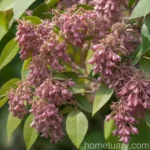
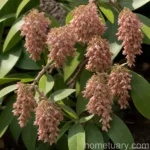
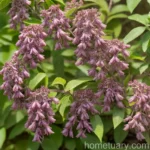
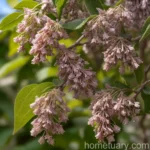
The American Bladdernut, scientifically known as Staphylea Trifolia, is a deciduous shrub that is native to North America. Belonging to the Staphyleaceae family, this plant is characterized by its delicate foliage, attractive flowers, and peculiar inflated seed pods, which give it its common name, “Bladdernut.” Its natural habitat ranges from woodland edges to stream banks, where it thrives in moist and well-drained soils, often serving as an essential component of the local ecosystems.
Key Takeaways – American Bladdernut (Staphylea Trifolia)
- Plant Name: American Bladdernut (Staphylea Trifolia)
- Family: Staphyleaceae
- Native Habitat: North America
- Distinctive Feature: Inflated seed pods
- Cultural Importance: Folklore and mythology
- Medicinal Uses: Traditional remedies
- Ecological Role: Wildlife interactions and conservation
Now, let’s embark on a captivating exploration of the American Bladdernut, uncovering its diverse cultural uses, habitat, and essential care requirements for cultivation.
Cultural Uses of American Bladdernut
The American Bladdernut holds significant cultural importance, featuring in folklore, traditional medicine, and ecological interactions. Understanding its cultural and historical context provides valuable insights into the profound relationship between humans and this indigenous plant species.
Folklore and Mythology
In various Native American cultures, the American Bladdernut holds special significance, often featuring in myths and folklore as a symbol of resilience, adaptation, and life-sustaining properties. Its distinctive features, such as the inflated seed pods and delicate flowers, have contributed to its portrayal in traditional stories and legends, where it is revered for its role in the natural world.
Medicinal Properties of American Bladdernut
Traditionally, several Native American tribes used various parts of the American Bladdernut for medicinal purposes. The bark, leaves, and roots were believed to possess healing properties and were used to treat ailments ranging from skin conditions to digestive disorders. Additionally, preparations derived from the plant were utilized for their astringent and anti-inflammatory properties, highlighting the cultural significance of the American Bladdernut as a medicinal plant within indigenous communities.
Habitat Requirements: Water, Sunlight, Soil, and Fertilizer
To successfully cultivate the American Bladdernut, it is crucial to understand its specific habitat requirements, including water, sunlight, soil, and fertilizer preferences. By mimicking its natural habitat conditions, gardeners can promote the healthy growth and flourishing of this native shrub.
Water
The American Bladdernut thrives in moist environments, making it well-suited to locations with consistent access to water. While it tolerates periodic dry spells, particularly during the summer months, it generally prefers evenly moist soil to support its growth and flowering. Therefore, regular watering, especially during dry periods, is essential to maintain optimal conditions for the American Bladdernut.
Sunlight
In its natural habitat, the American Bladdernut often grows in the dappled shade of woodlands or along stream banks, where it receives filtered sunlight. When cultivated in gardens or landscapes, it exhibits a preference for partial shade to full sun, thriving in locations that provide a balance of sunlight and shade throughout the day. This adaptable nature makes it an ideal choice for a range of garden settings, from woodland gardens to shaded borders.
Soil
The American Bladdernut thrives in well-drained, loamy soils with adequate fertility. While it can tolerate a range of soil types, including clay and sandy soils, it flourishes in moisture-retentive soils that provide a stable growing environment. Moreover, a slightly acidic to neutral soil pH range is suitable for the American Bladdernut, ensuring optimal nutrient uptake and overall plant health.
Fertilizer
For established American Bladdernut shrubs, limited fertilization may be necessary, as they are well-adapted to nutrient conditions in their natural habitats. However, if the soil lacks organic matter or fertility, a balanced, slow-release fertilizer applied in early spring can help support healthy growth and flowering. It is essential to follow recommended application rates to avoid excessive nitrogen levels, which can negatively impact the plant’s overall vigor and flowering performance.
Pruning and Propagation
Mastering the art of pruning and propagation is essential for maintaining the health and ornamental value of the American Bladdernut, enabling gardeners to shape its growth, rejuvenate aging plants, and propagate new individuals for landscape or conservation purposes.
Pruning
Pruning the American Bladdernut is primarily aimed at maintaining its natural form, removing dead or diseased branches, and promoting robust flowering and seed pod development. Early spring, before new growth emerges, is an ideal time for pruning, allowing for the removal of any damaged or crossing branches while preserving the plant’s overall structure. Additionally, light pruning after flowering can help control its size and shape, ensuring a well-balanced and visually appealing shrub.
Propagation
The propagation of the American Bladdernut can be accomplished through various methods, including seed propagation and softwood cuttings. Collecting the inflated seed pods in late summer to early fall, and sowing the seeds in a prepared seedbed, can yield new seedlings for future planting. Alternatively, softwood cuttings taken from healthy, actively growing shoots in early summer can be rooted under mist or in a controlled environment, providing an alternative approach to propagation. With careful attention to environmental conditions and proper horticultural practices, gardeners can expand the presence of this native shrub within their landscapes and contribute to its conservation.
Growing American Bladdernut in Containers
While the American Bladdernut thrives in traditional garden settings, it can also be successfully cultivated in containers, offering a versatile approach to incorporating this native shrub into various outdoor spaces. By understanding its container requirements and care considerations, gardeners can harness the ornamental and ecological benefits of the American Bladdernut in a more confined environment.
Container Popularity
The use of containers for gardening and landscaping has gained popularity due to its flexibility and adaptability to diverse spaces. When it comes to the American Bladdernut, the use of containers allows for its inclusion in urban gardens, patios, and balconies, where it may not have access to in-ground plantings. Furthermore, containers provide control over soil conditions, moisture levels, and overall plant health, offering an alternative approach to cultivating this native shrub.
Common Diseases
As with any plant, the American Bladdernut is susceptible to certain diseases and pests that can affect its overall health and vitality. Recognizing common diseases and understanding their diagnosis and management is essential for maintaining the well-being of this native shrub within garden and landscape settings.
Disease Diagnosis
The American Bladdernut may experience issues such as powdery mildew, leaf spots, and canker diseases under certain environmental conditions. Examining the foliage for signs of discoloration, irregular spotting, or wilting can provide initial indications of potential diseases. Additionally, observing changes in plant vigor, flower production, and overall growth can signal underlying health concerns. Seeking professional advice or diagnostic services from horticultural experts can assist in accurately identifying specific diseases and implementing targeted management strategies.
Common Pests
Several pests can pose challenges to the American Bladdernut, impacting its foliage, flowers, or overall growth. Insect pests such as aphids, scale insects, and caterpillars may feed on the plant’s tissues, leading to aesthetic damage and potential stress to the shrub. Additionally, monitoring for signs of pest activity, such as leaf curling, honeydew secretion, or visible insects, can aid in early pest detection and prompt intervention to minimize their impact on the American Bladdernut.
Botanist’s Tips for American Bladdernut Care
As a plant scientist, I’ve gathered valuable insights into the care and cultivation of the American Bladdernut, sharing practical tips to support its health and vitality within various growing environments.
Fun Facts
- The American Bladdernut is an important host plant for the caterpillars of several butterfly species, contributing to the ecological value of this native shrub.
- The inflated seed pods of the American Bladdernut are a distinctive feature that adds ornamental interest to the plant, particularly in late summer and fall.
- Traditional names for the American Bladdernut, such as “Ecuelle d’argent” and “Escarbille,” reflect its cultural significance and historical uses in different regions.
Links to External Resources
In this section, you can find helpful resources for further exploration of the American Bladdernut, enhancing your understanding of its ecological importance, cultural significance, and horticultural practices.
Conclusion
The American Bladdernut (Staphylea Trifolia) stands as a captivating native plant with a rich tapestry of cultural uses, ecological value, and ornamental appeal. From its role in folklore and traditional medicine to its habitat requirements and care considerations, this native shrub embodies the intricate connections between humans, plants, and the natural world. By delving into its cultivation, folklore, and ecological interactions, we gain a deeper appreciation for the American Bladdernut and the diverse ways in which it enriches our lives and landscapes.
As you embark on your botanical pursuits, whether in a woodland garden, urban landscape, or conservation project, remember the remarkable story of the American Bladdernut and the meaningful contributions it makes to our world.
Remember, the American Bladdernut is not just a plant; it is a living tale of resilience, beauty, and cultural significance, waiting to be embraced and revered in our gardens and natural spaces.
As a plant scientist, I have endeavored to provide a comprehensive and engaging guide to the American Bladdernut (Staphylea Trifolia), covering its cultural uses, care requirements, and ecological significance. I hope this resource enriches your understanding of this fascinating native plant and inspires your botanical endeavors.
If you have further questions or seek additional information, feel free to reach out, and I would be delighted to assist you on your botanical journey.
Disclaimer: This blog post is for informational purposes only and does not constitute professional botanical advice. Always consult with horticultural experts for personalized guidance in growing and caring for plants.