Glossy Abelia (Abelia Grandiflora)
Glossy Abelia (Abelia Grandiflora) is a popular evergreen shrub known for its glossy leaves and beautiful flowers. In this comprehensive guide, we will.
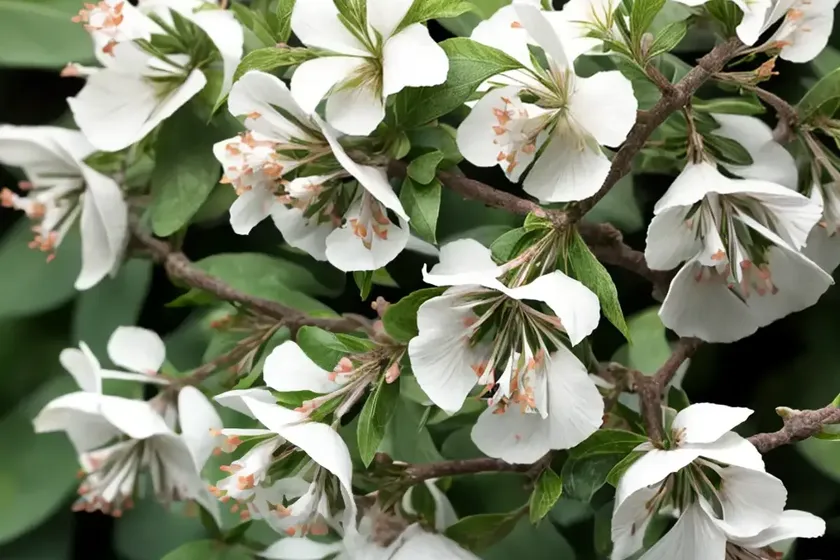
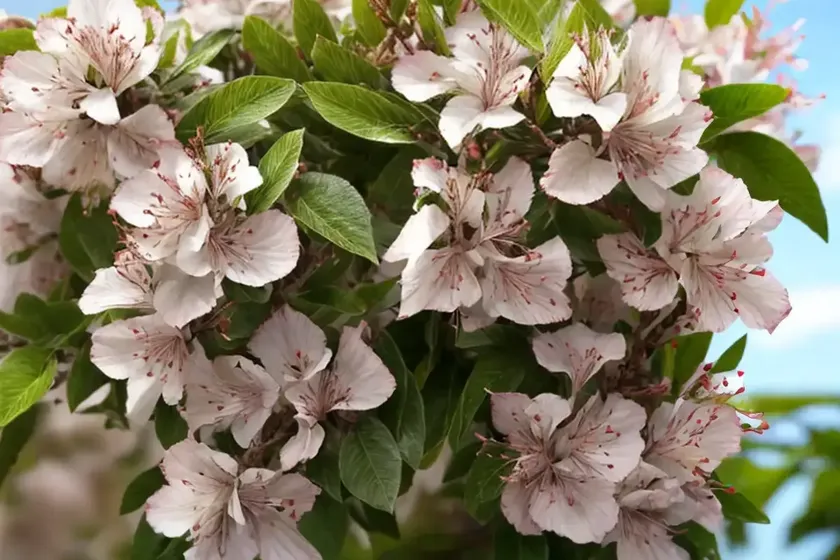
Glossy Abelia (Abelia Grandiflora) is a popular evergreen shrub known for its glossy leaves and beautiful flowers. In this comprehensive guide, we will explore the key aspects of Glossy Abelia, including its cultural requirements, uses, water and sunlight needs, fertilizer and soil preferences, pruning techniques, propagation methods, popular container uses, common diseases and pests, and botanist’s tips. Additionally, we will delve into some fun facts about Glossy Abelia and provide links to external resources for further exploration.
What is Plant
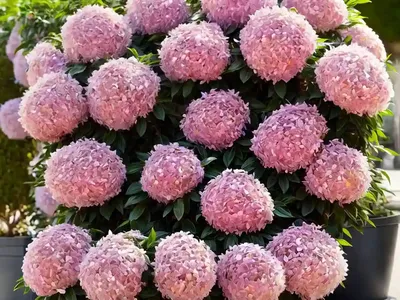
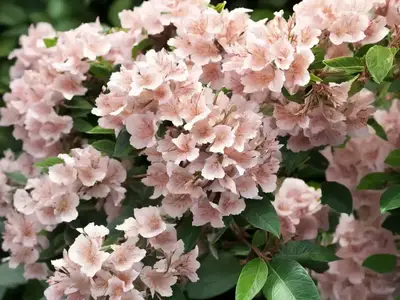
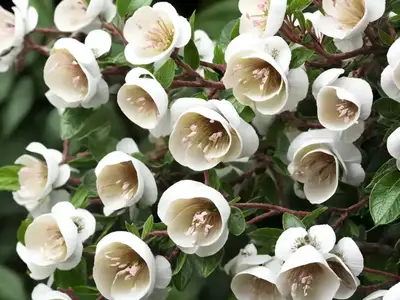
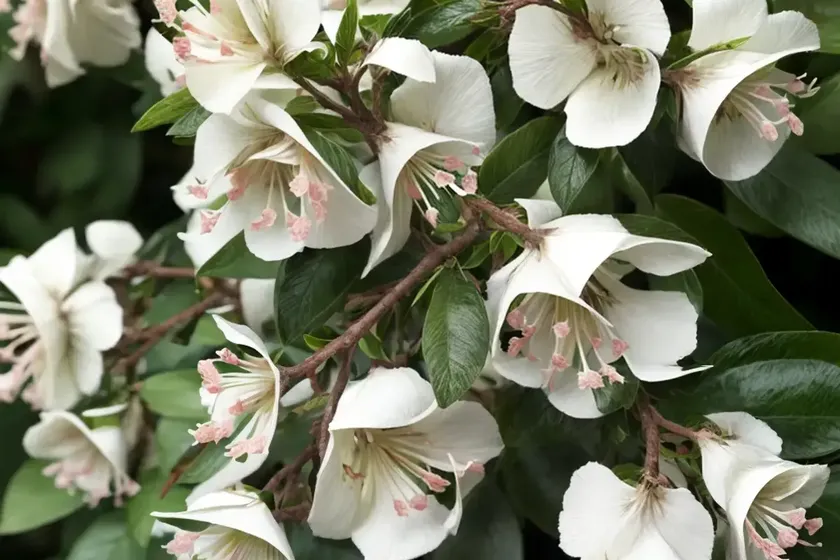
Glossy Abelia, scientifically known as Abelia Grandiflora, is a species of flowering plant in the honeysuckle family, Caprifoliaceae. This evergreen shrub is native to Italy and reaches a height of 3 to 6 feet, spreading 5 to 6 feet wide. Glossy Abelia is valued for its glossy, dark green leaves and abundant, fragrant, trumpet-shaped white to light pink flowers.
Key Takeaways – Glossy Abelia (Abelia Grandiflora)
- Common Name: Glossy Abelia
- Scientific Name: Abelia Grandiflora
- Type: Evergreen shrub
- Notable Features: Glossy leaves, Fragrant flowers
- Uses: Ornamental, Hedging, Landscaping
Let’s explore the various aspects of Glossy Abelia in detail.
Culture
Uses
Ornamental Use
Glossy Abelia is widely cultivated for its ornamental value. Its glossy leaves and delicate, fragrant flowers make it a popular choice for landscaping and ornamental hedging. The plant’s attractive aesthetic and versatility make it a welcome addition to gardens and landscapes.
Hedging
Due to its dense growth habit and graceful appearance, Glossy Abelia is often used for creating hedges. When planted closely together, the shrub forms a dense, evergreen barrier, providing privacy and adding a touch of elegance to outdoor spaces.
Landscaping
Glossy Abelia finds extensive use in landscaping due to its adaptability and beauty. It can be incorporated into various landscaping designs, whether as a focal point, border plant, or mass planting, enhancing the overall aesthetics of the outdoor environment.
Water
Glossy Abelia requires regular watering, especially during the initial stages of growth and establishment. Once established, it is relatively drought-tolerant, but it thrives when provided with consistent moisture. When watering, it is crucial to ensure that the soil drains well to prevent waterlogging, which can lead to root rot.
Sunlight
Glossy Abelia flourishes in full to partial sunlight. It is important to provide the plant with at least 6 hours of direct sunlight daily for optimal growth and flowering. In areas with intense afternoon sun and high temperatures, partial shade during the hottest part of the day can benefit the plant.
Fertilizer
Applying a balanced, slow-release fertilizer in spring can promote healthy growth and abundant flowering. A fertilizer with a formulation such as 10-10-10 can provide the necessary nutrients for Glossy Abelia. Additionally, incorporating organic matter into the soil can enhance its fertility and structure, contributing to the overall health of the plant.
Soil
Glossy Abelia thrives in well-draining, slightly acidic to neutral soil. A loamy soil rich in organic matter is ideal for promoting vigorous growth and blooming. While the plant can tolerate various soil types, ensuring proper drainage is essential to prevent waterlogged conditions, which can adversely affect the plant’s health.
Pruning
Pruning Glossy Abelia is important to maintain its shape, encourage bushier growth, and remove dead or overgrown branches. It is generally recommended to prune the plant in late winter or early spring before the onset of new growth. This helps in shaping the shrub and rejuvenating it for the upcoming growing season.
Propagation
Glossy Abelia can be propagated through various methods such as stem cuttings, layering, or seeds. Stem cuttings taken during the active growing season and treated with a rooting hormone can readily root and develop into new plants. Layering involves encouraging a stem to produce roots while still attached to the parent plant, and once rooted, it can be separated and transplanted. While propagating from seeds is possible, it may take longer for the plants to reach maturity and begin flowering.
Container Popularity
Glossy Abelia is well-suited for container gardening, allowing individuals with limited outdoor space to enjoy its beauty. Its compact growth habit and ornamental appeal make it an excellent choice for patio containers, providing a touch of elegance and fragrance to outdoor living spaces.
Common Diseases
Glossy Abelia is generally resistant to most diseases, but it may occasionally encounter certain issues that can affect its health and appearance. Some common diseases that can affect Glossy Abelia include:
Disease Diagnosis
- Powdery Mildew (Erysiphe sp.): This fungal disease presents as a powdery white growth on the leaves, often leading to leaf distortion and reduced vitality. Providing adequate air circulation and avoiding overhead watering can help prevent powdery mildew.
- Botrytis Blight (Botrytis cinerea): This fungal disease causes gray mold on flowers and leaves, leading to wilting and decay. Proper sanitation and removing affected plant parts can aid in managing botrytis blight.
- Leaf Spot (Cercospora sp. or Phyllosticta sp.): Leaf spot diseases manifest as circular lesions on the leaves, often leading to defoliation and reduced vigor. Ensuring good air circulation and promptly removing affected foliage can help control leaf spot.
Common Pests
Glossy Abelia may also face infestations from various pests, including:
- Aphids: These small, soft-bodied insects feed on the sap of the plant, leading to distorted growth and honeydew secretion. Insecticidal soaps or horticultural oils can be used to manage aphid populations.
- Scale Insects: Scale insects can appear as small, waxy bumps on the stems and leaves, sapping the plant’s nutrients and causing yellowing or wilting. Systemic insecticides or horticultural oils can help control scale infestations.
Botanist’s Tips
- Companion Planting: Pair Glossy Abelia with other complementary plants to create visually appealing and ecologically beneficial combinations. Consider incorporating pollinator-friendly flowers, such as lavender or coneflowers, to attract beneficial insects and enhance biodiversity in the garden.
- Mulching: Applying a layer of organic mulch around the base of Glossy Abelia can help retain soil moisture, suppress weed growth, and improve the overall soil structure. Additionally, organic mulches gradually decompose, enriching the soil with valuable nutrients.
- Regular Monitoring: Take time to regularly inspect Glossy Abelia for signs of pests, diseases, or nutrient deficiencies. Early detection and intervention can prevent issues from escalating and help maintain the plant’s health and vitality.
Fun Facts
- Glossy Abelia is named after Dr. Clarke Abel, a British physician and naturalist who collected the plant in China during the early 19th century.
- The flowers of Glossy Abelia are highly attractive to butterflies and hummingbirds, adding to its allure as a wildlife-friendly plant.
- The plant’s glossy leaves not only contribute to its visual appeal but also provide a texture that contrasts well with other foliage in the garden.
Links to External Resources
For further information on Glossy Abelia (Abelia Grandiflora), you can explore the following resources:
- The Royal Horticultural Society – Abelia × grandiflora
- University of Florida IFAS Extension – Abelia x grandiflora: Glossy Abelia
- Missouri Botanical Garden – Abelia × grandiflora
In summary, Glossy Abelia (Abelia Grandiflora) is a remarkable evergreen shrub with a myriad of ornamental and ecological benefits. Its glossy leaves, fragrant flowers, and resistance to pests and diseases make it a valuable addition to gardens, landscapes, and container gardens. By understanding its cultural requirements, propagation methods, and potential challenges, plant enthusiasts can effectively cultivate and appreciate the beauty of Glossy Abelia.
As we continue to explore and appreciate the diversity of plants, Glossy Abelia stands out as a shining example of botanical splendor, enriching our natural surroundings and captivating the hearts of all who encounter its graceful presence.
Remember to use these keywords naturally in your content to enhance its visibility and relevance.