Bladdernut (Staphylea trifolia): A Complete Guide
The bladdernut (Staphylea trifolia) is a beautiful and versatile plant that has captured the interest of gardeners, landscapers, and botanists alike. In this comprehensive guide, we will explore the cultural significance, growth habits, uses, propagation methods, ecological importance, and much more of the bladdernut plant. Whether you are a gardening enthusiast, a nature lover, or a student of botany, this article will provide you with all the information you need to understand and appreciate the bladdernut plant.
What is the Bladdernut Plant (Staphylea trifolia)?
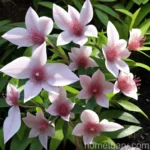
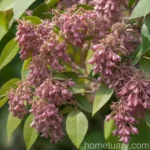
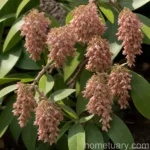
The bladdernut, scientifically known as Staphylea trifolia, is a deciduous shrub or small tree that belongs to the Staphyleaceae family. It is native to eastern North America and is known for its ornamental value, ecological importance, and various traditional uses. The plant gets its name from the inflated, papery, bladder-like capsules that contain the seeds. These capsules hang in clusters and add to the visual appeal of the plant.
Key Takeaways – Bladdernut (Staphylea trifolia)
Here are the key takeaways about the bladdernut plant:
- Botanical Name: Staphylea trifolia
- Common Names: Bladdernut plant, bladdernut shrub, bladdernut tree
- Growth Habit: Deciduous shrub or small tree
- Native Range: Eastern North America
- Uses: Ornamental, traditional, ecological
- Cultural Significance: Folklore, culinary, medicinal
- Habitat: Woodlands, stream banks, moist areas
- Conservation Status: Varies by region
- Pests and Diseases: Susceptible to certain pests and diseases
- Seasonal Changes: Flowering period, fruiting season
- Unique Features: Bladder-like seed capsules, ornamental foliage
Now that we have a brief overview, let’s dive deeper into the specifics of the bladdernut plant, including its culture, uses, habitat, and care guidelines.
Culture of Bladdernut (Staphylea trifolia)
Water
Bladdernut plants prefer consistently moist soil, especially during the growing season. While they are relatively tolerant of occasional dry spells, they thrive in well-draining soil that is kept evenly moist. Adequate watering is crucial, particularly during periods of drought or high temperatures, to ensure the plant’s optimal growth and health.
Sunlight
In terms of sunlight, bladdernut plants exhibit versatility. They can tolerate partial shade to full sun, making them suitable for a variety of garden or landscape settings. However, when planted in hot climates, providing some shade during the hottest part of the day can help prevent stress and maintain the plant’s vigor.
Fertilizer
When it comes to fertilization, bladdernut plants generally do not require heavy feeding. A balanced, slow-release fertilizer applied in spring can provide the necessary nutrients for healthy growth. Organic compost or well-aged manure can also be incorporated into the soil to enrich its fertility and enhance the overall health of the plant.
Soil
Bladdernut plants thrive in rich, moist, and well-drained soil. They prefer slightly acidic to neutral soil and are adaptable to various soil types, including loamy, sandy, and clay soils. Ensuring good soil structure and fertility is essential for the plant’s long-term health and vitality.
Pruning
Pruning bladdernut plants should be done selectively to maintain their natural form and enhance their overall appearance. Dead, damaged, or crossing branches can be removed in late winter or early spring. Formative pruning can also be carried out to shape the plant and encourage strong, healthy growth.
Uses of Bladdernut (Staphylea trifolia)
The bladdernut plant offers a myriad of uses, ranging from ornamental and ecological to traditional and cultural significance.
Ornamental Uses
As a landscape plant, bladdernut’s delicate, trifoliate leaves, fragrant flowers, and unique seed capsules make it a captivating addition to gardens, parks, and natural areas. It can be used as a standalone specimen, in mixed borders, or as a backdrop for smaller shrubs and perennials. Additionally, its vibrant fall color adds seasonal interest to the landscape.
Ecological Importance
In its native habitat, the bladdernut plant contributes to the biodiversity of woodlands, stream banks, and moist areas. It provides food and habitat for various wildlife species, including birds and small mammals. The plant’s deep root system also aids in soil stabilization and erosion control, making it an important component of healthy ecosystems.
Traditional and Cultural Significance
Bladdernut has been historically valued for its medicinal and culinary uses by certain indigenous communities. Its bark, leaves, and seeds have been utilized in traditional medicine, and its cultural significance is evident in folklore and ethnobotanical practices. Understanding and honoring these traditional uses can provide a holistic perspective on the plant’s value and importance.
Propagation of Bladdernut (Staphylea trifolia)
Bladdernut plants can be propagated through various methods to expand their presence in gardens, natural areas, and restoration projects.
Seed Propagation
Collecting and sowing bladdernut seeds is a common and effective way to propagate the plant. The seeds can be stratified by storing them in a moist, cool environment for a certain period before sowing. This process mimics the natural conditions required for germination and can enhance the seed’s viability.
Cuttings
Softwood or hardwood cuttings can be taken from established bladdernut plants for propagation. Softwood cuttings are typically collected in spring or early summer, while hardwood cuttings are gathered in late fall or winter. Rooting hormone can be used to promote the development of roots, and the cuttings should be kept in a humid environment until they establish roots.
Layering
Air layering or ground layering can be employed as propagation techniques for bladdernut plants. Layering involves stimulating the growth of roots on a stem that is still attached to the parent plant. Once the new roots have developed, the stem can be severed from the parent and transplanted to a new location.
Container Gardening with Bladdernut
For those with limited outdoor space or specific design preferences, container gardening can be an excellent way to incorporate bladdernut plants into the landscape.
Container Popularity
Bladdernut plants are well-suited for container gardening, given their manageable size and ornamental qualities. They can be grown in large containers on patios, balconies, or rooftop gardens, adding a touch of natural beauty to urban and suburban settings.
Container Care
When growing bladdernut in containers, it is essential to select a well-draining potting mix and a container with adequate drainage holes. Regular watering and fertilization are necessary for the plant’s healthy growth, as container-grown plants are more dependent on the care provided by the gardener.
Common Diseases and Pests
Like many plants, bladdernut is susceptible to certain diseases and pests that can affect its health and appearance.
Common Diseases
Bladdernut plants may experience issues such as powdery mildew, leaf spot, or canker diseases. Maintaining good airflow around the plant, practicing proper sanitation, and choosing disease-resistant cultivars can help mitigate these issues.
Disease Diagnosis
Early detection of diseases is crucial for effective management. Monitoring the plant for changes in leaf color, texture, or overall vigor can help in diagnosing potential diseases. Consulting with local extension services or plant health experts can aid in accurate disease assessment and management.
Common Pests
Insect pests such as aphids, scale insects, and caterpillars may occasionally target bladdernut plants. Regular inspection and prompt action, such as the use of insecticidal soaps or horticultural oils, can help keep pest populations in check and minimize potential damage to the plant.
Botanist’s Tips for Bladdernut (Staphylea trifolia)
As a plant scientist or botanist, understanding the unique characteristics and growth habits of bladdernut plants can provide valuable insights for their cultivation and conservation.
Fun Facts
- Bladdernut plants belong to the Staphyleaceae family, which also includes around 15 other species of shrubs and small trees.
- The name “bladdernut” refers to the papery, bladder-like capsules that contain the plant’s seeds, adding visual interest and ornamental value.
- In addition to its native range in eastern North America, bladdernut has been introduced as an ornamental plant in various regions, contributing to its popularity in gardens and natural landscapes.
Botanical Information
- Family: Staphyleaceae
- Genus: Staphylea
- Species: Staphylea trifolia
- Common Name: Bladdernut
- Classification: Deciduous shrub or small tree
- Leaf Type: Trifoliate, compound
- Flower Type: Fragrant panicles
- Fruit Type: Inflated capsules containing seeds
- Ecological Role: Ecologically important in woodlands and moist areas
- Conservation Status: Varies by region
- Ornamental Value: Vibrant foliage, fragrant flowers, and unique seed capsules
Gardening Tips
- When selecting a planting site, consider the plant’s versatility in terms of sun exposure and soil type, ensuring that it is well-suited to its surroundings.
- Regular maintenance, including watering, fertilizing, and pruning, can promote healthy growth and enhance the plant’s ornamental and ecological value.
- Encouraging wildlife interactions, such as bird visits for seed dispersal, can further enrich the ecological dynamics of bladdernut in natural or cultivated settings.
Links to External Resources
For further exploration and in-depth information about the bladdernut plant, here are some external resources that can provide valuable insights and perspectives:
- USDA Plant Database: Staphylea trifolia
- Missouri Botanical Garden: Staphylea trifolia
- Lady Bird Johnson Wildflower Center: Staphylea trifolia
- The Morton Arboretum: Bladdernut (Staphylea trifolia)
- Floridata: Staphylea trifolia
By exploring these resources, individuals can gain a comprehensive understanding of the botanical, ecological, and cultural aspects of the bladdernut plant, enriching their knowledge and appreciation of this unique species.
Conclusion
In conclusion, the bladdernut (Staphylea trifolia) is a plant of great significance and value, encompassing ornamental, ecological, traditional, and cultural uses. Understanding its growth habits, care guidelines, and ecological interactions can provide a holistic perspective on its role in natural ecosystems and cultivated landscapes. Whether as a focal point in a garden or as a valuable component of woodland habitats, bladdernut plants contribute to the beauty and biodiversity of their surroundings. As stewards of the natural world, it is essential to appreciate and respect the ecological and cultural significance of plants such as the bladdernut, ensuring their conservation and sustainable utilization for future generations.
In this blog post, we explored the culture, uses, propagation, ecological importance, and botanist’s tips for the bladdernut plant (Staphylea trifolia). By providing detailed insights and practical guidance, readers can gain a comprehensive understanding of this versatile and valuable species. Whether for gardening, ecological restoration, or botanical study, the bladdernut plant offers a wealth of opportunities for exploration and appreciation.