Plant Scientist Blog: Exploring the Bladdernut (Staphylea colchica)
Introduction
Plants have been an integral part of human life for centuries, serving as sources of food, medicine, and beauty. Among these diverse and fascinating organisms is the bladdernut (Staphylea colchica), a shrub with unique characteristics and a rich cultural history. In this blog post, we will delve into the various facets of the bladdernut plant, including its cultural significance, uses, and important cultivation tips. Whether you are a gardening enthusiast, a nature lover, or just someone keen on learning about plant diversity, this comprehensive guide will provide valuable insights into the world of bladdernuts.
What is the Bladdernut (Staphylea colchica)?
The bladdernut, scientifically known as Staphylea colchica, is a deciduous shrub belonging to the Staphyleaceae family. This plant is native to the forests and woodlands of the Caucasus region, particularly in areas with moist and fertile soils. The bladdernut is renowned for its ornamental value, characterized by its delicate flowers and distinct bladder-like fruits that give the plant its name.
Key Takeaways – Bladdernut (Staphylea colchica)
Before we delve into the details of cultivating and caring for bladdernuts, let’s outline the key takeaways about this fascinating plant:
- The bladdernut (Staphylea colchica) is a deciduous shrub known for its ornamental value and unique bladder-like fruits.
- This plant holds cultural significance and has been utilized for various purposes, including medicinal and landscaping uses.
- Cultivating bladdernuts requires attention to factors such as water, sunlight, soil, and pruning techniques.
- Bladdernuts are susceptible to certain diseases and pests, making disease diagnosis and pest management essential for their well-being.
- Understanding the ecological and cultural context of bladdernuts can enhance appreciation for these plants and their importance in natural and human landscapes.
With these key points in mind, let’s explore the multifaceted world of bladdernuts, including their cultural significance, uses, and essential care guidelines.
Culture
Cultural Significance
Bladdernuts have held cultural significance in various societies, often featuring in traditional folklore, medicinal practices, and landscaping endeavors. The delicate beauty of bladdernut flowers and the ornamental appeal of their fruits have made them a subject of admiration and inspiration for artists, writers, and gardeners alike. Additionally, the plant’s habitat and native distribution have contributed to its symbolism in local traditions and stories.
In some cultures, bladdernuts have been associated with symbols of resilience, transformation, and the cyclical nature of life, owing to their seasonal changes and regenerative growth. The bladder-like fruits, which develop after the flowers fade, have inspired diverse interpretations and have been used in decorative arts and crafts.
Understanding the cultural context of bladdernuts adds depth to our appreciation of these plants and highlights their role in human history and creativity. Their presence in local folklore and traditional uses reflects the integration of nature into the fabric of human life, connecting communities with the natural world.
Medicinal and Folk Uses
The bladdernut plant has been historically utilized for various medicinal purposes in certain cultures. Traditional herbal practices have involved the use of bladdernut extracts to address specific health concerns, harnessing the plant’s natural compounds for therapeutic effects. The roots, bark, and leaves of bladdernuts have been reported to contain bioactive constituents with potential medicinal properties. However, it is crucial to note that the medicinal uses of bladdernuts should be approached with caution and expert guidance, as the plant may have varying effects and interactions with individuals.
Beyond medicinal applications, bladdernuts have also been valued for their symbolic and aesthetic attributes in traditional customs and rituals. Their presence in cultural ceremonies and artistic expressions underscores the plant’s significance as more than just a botanical entity, highlighting its role as a source of inspiration and cultural meaning.
Uses
Ornamental Value
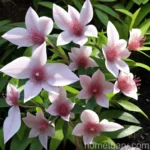
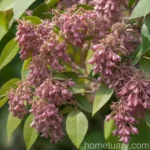
One of the primary uses of bladdernut plants is for ornamental purposes, making them popular choices for landscaping and garden design. The delicate, pendulous flowers of the bladdernut shrub, adorned with creamy white petals and intricate details, contribute to its visual appeal and decorative charm. These flowers, which often bloom in spring and early summer, attract pollinators and add a touch of elegance to outdoor spaces.
Moreover, the unique fruits of the bladdernut, characterized by their bladder-like appearance and papery texture, serve as distinctive ornamental features. These fruits, which develop after the flowering period, provide visual interest and can be incorporated into floral arrangements and botanical displays, further enhancing the plant’s decorative appeal.
Wildlife Habitat
In addition to its ornamental value, bladdernuts contribute to supporting wildlife in various ecosystems. The shrub’s flowers attract pollinators such as bees and butterflies, fostering biodiversity and ecological interactions. As the fruits ripen and mature, they become a food source for certain bird species and small mammals, contributing to the overall food web within their native habitats.
By cultivating bladdernuts in garden settings, individuals can indirectly support local wildlife by providing floral resources and potential nesting sites. Understanding the ecological role of bladdernuts as part of wildlife habitats emphasizes the plant’s value in promoting biodiversity and sustaining natural balance.
Traditional and Ethnobotanical Uses
Bladdernuts have historically been part of traditional practices and ethnobotanical knowledge, with various cultures incorporating the plant into culinary, craft, or ceremonial activities. The unique features of bladdernut flowers and fruits have made them subjects of interest in artistic expressions, folklore, and traditional rituals, adding to the plant’s cultural significance.
Understanding the traditional and ethnobotanical uses of bladdernuts offers insights into the diverse ways in which humans have interacted with these plants, integrating them into everyday life and cultural practices. By acknowledging the historical and contemporary roles of bladdernuts in different cultural contexts, we can appreciate the plant’s relevance beyond its botanical characteristics.
Cultivation
Water
Proper watering is essential for the healthy growth and development of bladdernut plants. As with many shrubs, bladdernuts benefit from regular watering, particularly during their initial establishment phase and periods of dry weather. However, it is important to avoid waterlogging the soil, as excessive moisture can lead to root rot and other potential issues.
Adequate moisture levels in the soil, maintained through appropriate watering practices, support the bladdernut’s overall health and vigor. Monitoring soil moisture and adjusting watering frequency based on seasonal variations and specific environmental conditions contributes to successful bladdernut cultivation.
Sunlight
Bladdernut plants generally thrive in partial shade to full sun exposure, depending on local climate and regional factors. Providing adequate sunlight is crucial for promoting healthy foliage growth, flowering, and fruiting in bladdernuts. When selecting planting sites or designating garden areas for bladdernut cultivation, it is important to consider the availability of sunlight and its impact on the plant’s overall performance.
Understanding the specific sunlight requirements of bladdernuts within their native range can guide gardening practices and assist in ensuring optimal growing conditions for these remarkable shrubs.
Soil
The soil preferences of bladdernut plants are characterized by their preference for moist, well-draining soils with adequate organic matter content. Loamy and fertile soils contribute to the healthy development of bladdernuts, providing the necessary nutrients and structure for robust growth.
Before planting bladdernuts, it is advisable to assess soil characteristics and make any necessary improvements to ensure suitable soil conditions. Incorporating organic amendments and implementing proper soil preparation techniques can enhance the soil quality and support the establishment of bladdernut plants.
Fertilizer
Fertilization practices for bladdernuts should be aligned with the plant’s nutritional needs and the specific soil conditions in which they are grown. Applying a balanced fertilizer, such as a slow-release formulation with an appropriate N-P-K ratio, can support the bladdernut’s growth and vitality. It is important to follow recommended fertilization schedules and avoid over-fertilizing, as excessive nutrient levels can negatively impact the plant’s health and ecological interactions.
Selective and targeted fertilizer applications, tailored to the bladdernut’s growth habits and seasonal requirements, can contribute to sustaining the plant’s ornamental and ecological value.
Pruning
Pruning is an essential aspect of bladdernut care and is instrumental in maintaining the plant’s shape, controlling its size, and enhancing its overall appearance. Proper pruning techniques, conducted at the appropriate times of the year, help promote healthy growth, stimulate flowering, and manage the shrub’s density.
When pruning bladdernut plants, it is important to remove dead or damaged branches, shape the plant as desired, and address any overgrowth that may affect its vigor. Additionally, pruning can help rejuvenate older shrubs and encourage the development of new growth, contributing to the plant’s long-term sustainability.
Propagation
Bladdernuts can be propagated through various methods, including seed propagation, hardwood cuttings, and root divisions. Understanding the different propagation techniques and their relevance to bladdernut cultivation enables individuals to expand their plant populations and share bladdernuts with others.
By exploring the diverse propagation methods for bladdernuts, plant enthusiasts and horticulturists can contribute to the conservation and dissemination of these unique shrubs, preserving their genetic diversity and cultural value.
Container Popularity
While bladdernuts are often grown in garden landscapes and natural settings, they can also thrive in container environments, such as large pots or planters. The ornamental beauty and manageable size of bladdernut plants make them attractive choices for container gardening, allowing individuals with limited outdoor space to enjoy their unique attributes.
Cultivating bladdernuts in containers requires attention to factors such as soil selection, drainage, and appropriate watering practices to ensure the plants’ well-being. By embracing container gardening with bladdernuts, individuals can bring the charm of these shrubs to diverse settings, such as urban balconies, patios, and indoor-outdoor spaces.
Container Common Diseases
When growing bladdernuts in containers, it is important to be aware of potential diseases that can affect the plants. Common container diseases that may impact bladdernuts include fungal infections, root rot, and leaf spot diseases. Monitoring the plants for signs of disease, practicing good hygiene, and providing optimal growing conditions can help mitigate disease risks and maintain the health of container-grown bladdernuts.
Understanding the specific disease challenges associated with container cultivation of bladdernuts promotes proactive management and care practices, contributing to the long-term success of these plants in container settings.
Disease Diagnosis
Diagnosing and addressing diseases in container-grown bladdernuts involves careful observation of symptoms, potential causal factors, and appropriate treatment strategies. Common signs of plant diseases, such as wilting, discoloration, and abnormal growth patterns, should be thoroughly assessed to determine the underlying issues affecting the bladdernut plants.
Furthermore, consulting with plant health professionals and utilizing diagnostic resources can help in identifying and resolving diseases that may impact container-grown bladdernuts. By adopting a systematic approach to disease diagnosis, individuals can effectively safeguard their container plants and promote overall plant health.
Common Pests
While bladdernuts are resilient plants, they can be susceptible to certain pests that may affect their growth and vitality. Common pests that may target bladdernut plants include aphids, caterpillars, and scale insects, among others. Monitoring the plants for pest activity, implementing integrated pest management strategies, and promoting natural predator-prey interactions can assist in managing pest challenges effectively.
Understanding the potential pests that may affect bladdernut plants enables gardeners and plant enthusiasts to take proactive measures to protect these shrubs and sustain their ornamental and ecological value.
Botanist’s Tips
For those interested in cultivating and appreciating bladdernut plants, here are some valuable tips from botanists and horticultural experts:
- Prioritize proper soil preparation and maintenance to provide optimal growing conditions for bladdernuts, ensuring adequate moisture and nutrient levels in the soil.
- Consider the natural habitat and distribution of bladdernut plants to guide landscaping and gardening decisions, promoting ecological awareness and conservation efforts.
- Embrace the ornamental and symbolic attributes of bladdernuts, recognizing their cultural and historic significance in diverse contexts.
- Engage in ethical plant propagation and cultivation practices to contribute to the conservation and sustainable use of bladdernut plants.
Fun Facts
To further pique your interest in bladdernuts, here are some intriguing and lesser-known facts about these remarkable shrubs:
- The bladder-like fruits of bladdernuts are often used in decorative crafts and artistic displays, showcasing their unique visual appeal.
- In certain cultures, bladdernuts have been associated with symbols of resilience, renewal, and interconnectedness, reflecting their ecological and cultural significance.
- Bladdernut plants play essential roles in supporting pollinators and wildlife, contributing to the overall biodiversity of their native habitats.
Links to External Resources
For additional information and resources on bladdernut (Staphylea colchica) plants, refer to the following links:
- The Royal Horticultural Society (RHS) – Staphylea colchica
- Missouri Botanical Garden – Staphylea colchica
- Botanical Society of Britain & Ireland – Staphylea colchica
- University of Oxford Botanic Garden – Staphylea colchica
- The Morton Arboretum – Staphylea colchica
In conclusion, bladdernuts (Staphylea colchica) represent a fascinating and valuable component of botanical diversity, encompassing ornamental, cultural, and ecological significance. By exploring the multifaceted aspects of bladdernuts, from their cultural uses to essential cultivation tips, we can gain a deeper appreciation for these captivating shrubs and their role in the natural and human landscapes. Whether you are considering adding bladdernuts to your garden, studying their ecological interactions, or simply intrigued by their cultural symbolism, the exploration of bladdernuts offers a rich and rewarding journey into the world of plant diversity and significance.