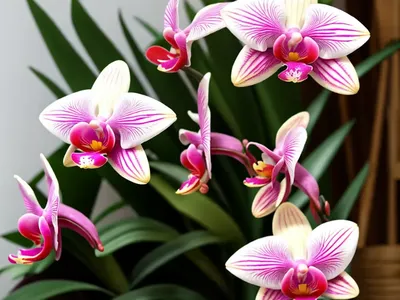
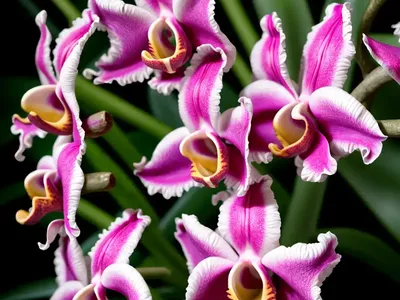
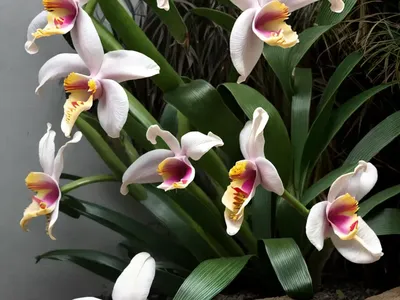
Amethest Lipped Cattleya (Cattleya Amethystoglossa)
Plants, the magnificent living organisms that play a vital role in sustaining life on Earth. As a plant scientist, my passion and dedication are deeply.
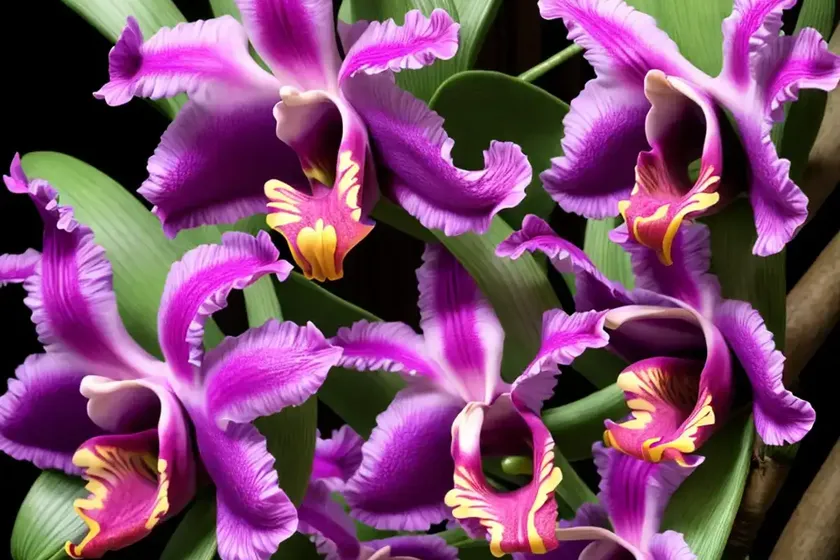
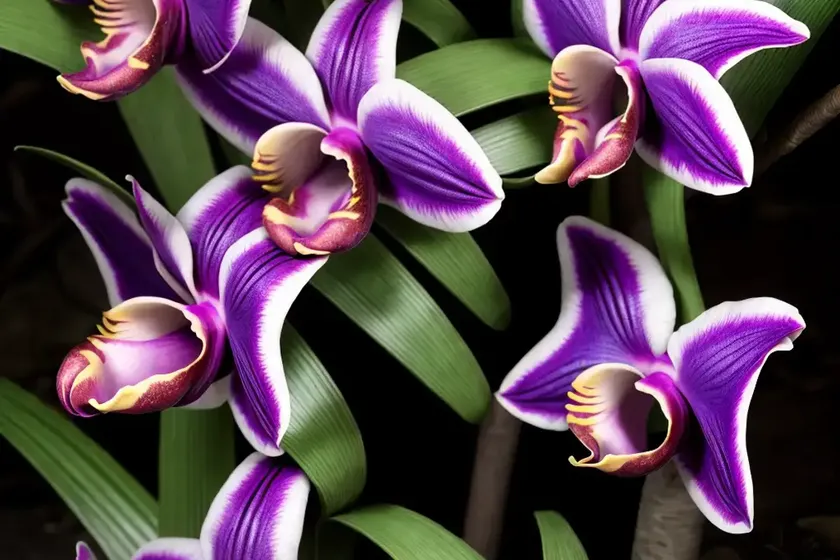
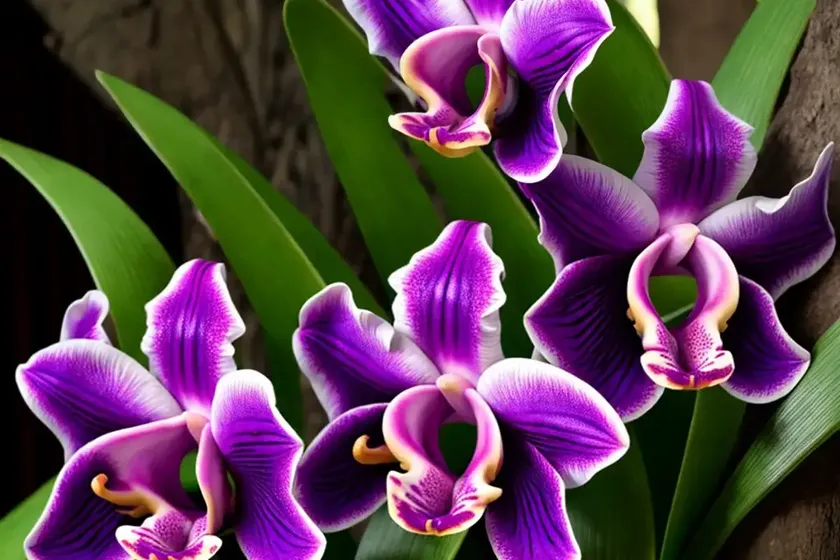
Plants, the magnificent living organisms that play a vital role in sustaining life on Earth. As a plant scientist, my passion and dedication are deeply rooted in understanding and exploring the diverse world of plants. In this comprehensive guide, we will delve into the intriguing realm of the Amethyst Lipped Cattleya (Cattleya Amethystoglossa), a beautiful and captivating orchid species.
Amethest Lipped Cattleya (Cattleya Amethystoglossa)
The Amethyst Lipped Cattleya, scientifically known as Cattleya Amethystoglossa, is a striking orchid species renowned for its vibrant and alluring blooms. Native to regions of Brazil, this orchid has captured the fascination of plant enthusiasts and orchid aficionados worldwide.
Let’s embark on an insightful journey to uncover the key facets of this mesmerizing orchid, from its cultural significance to its growing conditions and maintenance requirements.
Key Takeaways – Amethest Lipped Cattleya (Cattleya Amethystoglossa)
- Scientific Name: Cattleya Amethystoglossa
- Common Name: Amethyst Lipped Cattleya
- Native Habitat: Brazil
- Blooming Season: Variable, depending on environmental conditions
- Distinct Feature: Vibrant, amethyst-colored lip on the flower
- Cultural Significance: Ornamental, prized for its captivating blooms
Culture
The culture of the Amethyst Lipped Cattleya encompasses various aspects, including its historical significance, traditional uses, and its role in contemporary settings.
Uses
Ornamental Significance
The Amethyst Lipped Cattleya holds a distinguished place in the realm of ornamental plants. Its resplendent and captivating blooms have made it a coveted choice for floral arrangements, decorative displays, and specialized orchid collections.
Water
Proper watering is crucial for the healthy growth and development of the Amethyst Lipped Cattleya. As an epiphytic orchid, it requires periodic watering to maintain adequate moisture levels while avoiding waterlogged conditions. Using a well-draining growing medium and allowing the roots to partially dry between waterings is essential to prevent rot and other water-related issues.
Sunlight
In its natural habitat, Cattleya Amethystoglossa thrives in bright, indirect light. When cultivating this orchid indoors, providing it with sufficient natural sunlight or fluorescent grow lights is imperative for robust growth and prolific blooming.
Fertilizer
Fertilization plays a pivotal role in supporting the vigorous growth and blooming capacity of the Amethyst Lipped Cattleya. Utilizing a balanced orchid fertilizer at regular intervals during the growing season can provide the essential nutrients necessary for the orchid’s overall health and vitality.
Soil
The Amethyst Lipped Cattleya, like many orchid species, does not grow in traditional soil. Instead, it flourishes in a well-draining and aerated growing medium, typically composed of materials such as bark, sphagnum moss, and perlite. This specialized potting mix provides the necessary air circulation and moisture retention suitable for orchid cultivation.
Pruning
Pruning is an essential aspect of orchid maintenance, including Cattleya Amethystoglossa. The removal of spent flower spikes and dead or decaying pseudobulbs can promote healthier growth and allow the orchid to direct its energy towards producing new blooms and vibrant foliage.
Propagation
Like many orchid species, the propagation of Cattleya Amethystoglossa involves methods such as division and the cultivation of keikis (baby orchid plantlets). These propagation techniques enable orchid enthusiasts to expand their orchid collection and share the beauty of this captivating species with others.
Container Popularity
The allure of cultivating orchids, including the Amethyst Lipped Cattleya, in containers has captivated the interest of both novice and experienced gardeners. Various container options, ranging from traditional clay pots to specialized orchid baskets, offer flexible and aesthetically pleasing choices for housing these exquisite orchids.
Common Diseases
As with any plant species, the Amethyst Lipped Cattleya is susceptible to certain diseases and health issues that can impact its overall well-being. Understanding these common diseases and their potential causes is crucial in implementing effective preventative measures and treatment protocols.
Disease Diagnosis
Diagnosing diseases in orchids, including Cattleya Amethystoglossa, requires attentiveness to the plant’s symptoms and comprehensive knowledge of orchid health. Common diseases such as fungal infections, bacterial rots, and viral issues can manifest in various ways, including discoloration, wilting, and abnormal growth patterns.
Common Pests
Pest infestations pose a significant threat to the vitality of the Amethyst Lipped Cattleya and other orchid species. Identifying and addressing common orchid pests, such as aphids, scale insects, and spider mites, is essential in preserving the health and pristine appearance of these captivating plants.
Botanist’s Tips
Implementing effective care strategies and horticultural techniques can elevate the growth and flowering potential of the Amethyst Lipped Cattleya. Botanist’s tips encompass expert insights and practical advice garnered from years of experience and observation of plant behavior.
Fun Facts
Uncovering the fascinating and unique attributes of the Amethyst Lipped Cattleya adds an element of intrigue and appreciation for this distinct orchid species. From its historical significance to its cultural symbolism, delving into the fun facts of Cattleya Amethystoglossa enhances our understanding of its enriching presence in the botanical world.
Links to External Resources
The following links provide valuable resources and further information on the Amethyst Lipped Cattleya (Cattleya Amethystoglossa):
Conclusion
In this comprehensive guide, we have embarked on an enlightening exploration of the Amethyst Lipped Cattleya (Cattleya Amethystoglossa), an orchid species of profound beauty and cultural significance. Delving into the intricate facets of its care, cultivation, and enchanting attributes has unveiled the captivating nature of this beloved orchid.
As a dedicated plant scientist, my commitment to unraveling the captivating world of plants continues to inspire and enrich my journey in understanding and appreciating the diverse and awe-inspiring realm of botanical wonders.
Remember, the cultivation and appreciation of plants, such as the Amethyst Lipped Cattleya, not only elevate our surroundings but also foster a deeper connection with the natural world, fostering a sense of wonder and reverence for the captivating biodiversity that envelops our planet.