A Complete Guide to Aeonium ‘Jack Catlin’
Introduction
Plants have an intrinsic natural beauty that can captivate anyone, and among them, succulents hold a special place. One such captivating succulent is the Aeonium ‘Jack Catlin,’ known for its striking appearance and low maintenance requirements. In this comprehensive guide, we will delve into the various aspects of caring for and cultivating the Aeonium ‘Jack Catlin,’ including its cultural needs, propagation methods, common diseases and pests, and fascinating facts about this plant.
What is Aeonium ‘Jack Catlin’?
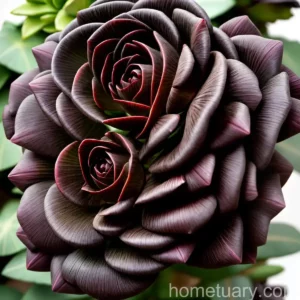
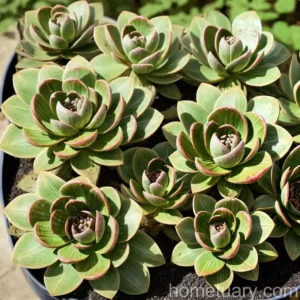
The Aeonium ‘Jack Catlin’ is a visually arresting succulent renowned for its rosettes of deep purple leaves. It belongs to the Crassulaceae family and is native to the Canary Islands, specifically Tenerife, La Palma, and Gran Canaria. This mesmerizing plant derives its name from the Greek word “aionos,” meaning “ageless,” which is a fitting tribute to its ability to thrive in various environments and conditions. Aeonium ‘Jack Catlin’ is often grown for its striking appearance and ability to add dramatic flair to indoor and outdoor spaces.
Key Takeaways
- Plant Name: Aeonium ‘Jack Catlin’
- Family: Crassulaceae
- Native Habitat: Canary Islands
- Growth Habit: Rosette-forming succulent
- Common Uses: Ornamental purposes in gardens, containers, and landscapes
Culture
Water
Aeonium ‘Jack Catlin’ exhibits typical water requirements for succulents. It thrives in well-draining soil and prefers to be watered thoroughly but infrequently. It is important to allow the soil to dry out completely between watering to prevent overwatering and root rot.
Sunlight
This succulent species flourishes in bright, indirect sunlight or partial shade. In its natural habitat, it grows in rocky terrain with limited soil, adapting well to dappled light conditions.
Fertilizer
To promote healthy growth and vibrant foliage, feed Aeonium ‘Jack Catlin’ with a balanced liquid fertilizer diluted to half-strength every two to four weeks during the growing season (spring and summer). Refrain from fertilizing during the winter months when the plant is in a state of dormancy.
Soil
The ideal soil for Aeonium ‘Jack Catlin’ is a well-draining, sandy mix that mimics its native rocky habitat. A combination of potting soil, sand, and perlite provides the necessary aeration and moisture retention for optimal growth.
Pruning
Pruning Aeonium ‘Jack Catlin’ is primarily for aesthetic purposes, and it can be done to remove dead or damaged leaves and encourage a tidy growth habit. Use clean, sharp scissors or pruning shears to avoid crushing or damaging the plant tissue.
Uses
Aeonium ‘Jack Catlin’ is commonly used for ornamental purposes due to its stunning rosettes and vibrant foliage. It is an excellent choice for adding visual interest to gardens, landscapes, and container arrangements. Additionally, it can be incorporated into succulent and desert-themed gardens, rock gardens, and xeriscapes due to its low water requirements and adaptive nature.
Propagation
Container Propagation
Propagating Aeonium ‘Jack Catlin’ can be achieved through stem cuttings or offsets. It is important to allow the cuttings to callus for a few days before planting them in well-draining soil. Keep the soil lightly moist during the initial stages of propagation to encourage root development.
Popularity in Container Gardening
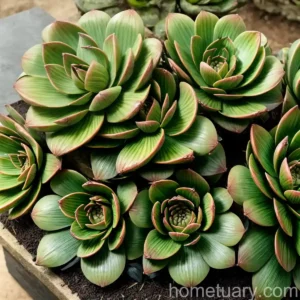
Due to its compact size and striking appearance, Aeonium ‘Jack Catlin’ is a popular choice for container gardening. It thrives in containers both indoors and outdoors, making it an excellent addition to patios, balconies, and succulent arrangements.
Common Diseases
Disease Diagnosis
Aeonium ‘Jack Catlin’ is relatively resistant to diseases, with proper cultural care minimizing the risk of infections. However, overwatering can lead to rot-related issues such as root rot and stem rot. It is essential to monitor the plant for signs of wilting, discoloration, and soft or mushy stems, which could indicate a disease or fungal infection.
Common Pests
Despite being resistant to many pests, Aeonium ‘Jack Catlin’ may occasionally encounter issues with common succulent pests such as mealybugs and aphids. Regular inspection and proactive pest management are crucial to preventing infestations that can compromise the plant’s health.
Botanist’s Tips
- When cultivating Aeonium ‘Jack Catlin’, prioritize well-draining soil and infrequent, thorough watering to prevent moisture-related issues.
- Place the plant in locations with bright, indirect sunlight to encourage healthy growth and vibrant foliage.
- Regularly inspect the plant for signs of pests and diseases, addressing any issues promptly to maintain its overall health and appearance.
Fun Facts
- The name “Aeonium” is derived from the Greek word “aionos,” meaning “ageless,” which alludes to the plant’s resilient nature.
- Aeonium ‘Jack Catlin’ is classified as a rare species due to its unique appearance and limited distribution in its native habitat.
Links to External Resources
For further information on Aeonium ‘Jack Catlin’ care, propagation, and cultivation, explore the following resources:
1. Aeonium ‘Jack Catlin’: A Comprehensive Care Guide
2. Succulent City – Aeonium ‘Jack Catlin’ Care Guide
3. Better Homes & Gardens: Growing Aeoniums
By leveraging these external resources, you can gain valuable insights and expert tips on nurturing and enjoying the unique beauty of Aeonium ‘Jack Catlin.’
In conclusion, Aeonium ‘Jack Catlin’ is an exquisite succulent species that embodies resilience, elegance, and low maintenance, making it an ideal choice for both novice and experienced plant enthusiasts. Its striking rosettes, low water requirements, and adaptability make it a captivating addition to gardens, containers, and landscapes, enhancing the aesthetic appeal of any space. By understanding its cultural needs, propagation methods, and potential challenges, you can cultivate and appreciate the timeless allure of Aeonium ‘Jack Catlin’ while fostering a thriving and visually stunning plant.