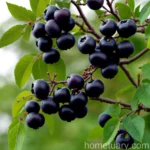
Aronia arbutifolia (Red Chokeberry): A Comprehensive Guide
Aronia arbutifolia, commonly known as Red Chokeberry, is a stunning deciduous shrub native to the eastern United States. It is a member of the Rosaceae family, which also includes familiar plants such as roses, apples, and strawberries. This beautiful shrub is valued not only for its attractive ornamental features but also for its ecological significance and potential health benefits.
What is Aronia arbutifolia?
Aronia arbutifolia is a versatile and resilient shrub that typically grows to a height of 6 to 10 feet and a spread of 3 to 5 feet. It produces clusters of delicate white or pink flowers in the spring, which give way to glossy red berries in the fall. The vibrant foliage adds a striking touch of color to the landscape, particularly during the autumn months when the leaves turn a brilliant red, creating a visually stunning display.
Key Takeaways – Aronia arbutifolia (Red Chokeberry)
- Scientific Name: Aronia arbutifolia
- Common Name: Red Chokeberry
- Family: Rosaceae
- Plant Type: Deciduous shrub
- Mature Size: 6-10 feet in height and 3-5 feet in spread
- Sunlight: Full sun to part shade
- Water Needs: Medium to high
- Soil Type: Well-drained, acidic soil
- Growth Rate: Moderate
- Landscape Uses: Ornamental, wildlife habitat support
- Hardiness Zones: 4-9
- Native Habitat: Eastern United States
Now, let’s delve into the specific aspects of caring for and utilizing Aronia arbutifolia in various settings, including an exploration of its cultural requirements, uses, pruning techniques, propagation methods, common diseases and pests, and intriguing botanist’s tips.
Culture
When it comes to cultivating Aronia arbutifolia, it’s essential to understand its unique cultural requirements to ensure the health and vitality of this striking shrub.
Uses
Aronia arbutifolia serves a multitude of purposes, making it a valuable addition to both landscaped and natural environments. Here are some of its notable uses:
- Ornamental Purposes: The lovely spring blossoms, vibrant foliage, and colorful berries make Red Chokeberry a visually appealing addition to gardens and landscapes.
- Wildlife Support: The berries of Aronia arbutifolia are highly attractive to birds and small mammals, serving as a valuable food source.
- Erosion Control: Due to its dense root system and tolerance for various soil conditions, Red Chokeberry can be employed to help prevent soil erosion.
- Medicinal Uses: Some research suggests that the berries of Aronia arbutifolia contain high levels of antioxidants, potentially offering health benefits when consumed as part of a balanced diet.
- Ecological Restoration: As a native plant species, Aronia arbutifolia plays a crucial role in supporting biodiversity and restoring natural ecosystems.
Water
Aronia arbutifolia has moderate to high water needs, particularly during the establishment phase. While it can tolerate occasional dry spells once established, consistent moisture is generally beneficial for its growth and berry production.
Sunlight
Red Chokeberry thrives in a range of light conditions, from full sun to partial shade. However, it tends to exhibit the most robust growth and prolific flowering and fruiting when provided with ample sunlight.
Fertilizer
In most cases, Aronia arbutifolia does not require regular fertilization when grown in well-nourished soil. However, if the plant shows signs of nutrient deficiency, a balanced slow-release fertilizer applied in early spring can help support healthy growth.
Soil
The ideal soil for Aronia arbutifolia is well-drained and acidic, with a pH range of 4.5 to 6.5. It can adapt to various soil types, including sandy and clay soils, as long as they offer good drainage.
Pruning
Pruning is an essential aspect of Red Chokeberry maintenance, promoting its overall health, aesthetics, and productivity. Here are some key tips for effective pruning:
- Timing: Prune Aronia arbutifolia during late winter or early spring before new growth emerges.
- Goal: Focus on removing dead, damaged, or diseased wood, as well as thinning out old or crowded stems to encourage better air circulation.
- Technique: Use clean, sharp pruning shears to make precise cuts at a 45-degree angle just above a bud or lateral branch, promoting healthy regrowth.
Propagation
Aronia arbutifolia can be propagated through several methods, including seeds, cuttings, and division. Here’s a brief overview of each approach:
- Seeds: Collect ripe berries from a healthy Red Chokeberry shrub, extract the seeds, and sow them in a prepared seedbed in the fall. Germination may occur the following spring.
- Cuttings: Take semi-hardwood cuttings in late spring or early summer, dip the cut ends in rooting hormone, and plant them in a well-draining propagation medium. Keep the medium consistently moist until roots develop.
- Division: During the dormant season, carefully divide mature Aronia arbutifolia plants, ensuring that each division has a good root system and several vigorous shoots.
Container Popularity
Aronia arbutifolia can thrive in containers, making it a versatile option for patios, balconies, and small gardens. This allows gardeners with limited space to enjoy the beauty and ecological benefits of this remarkable shrub.
Common Diseases
While Aronia arbutifolia is generally resistant to many common plant diseases, it can occasionally be affected by certain issues. Some of the potential diseases that may impact Red Chokeberry include:
- Leaf Spot: This fungal disease can cause dark lesions on the leaves, potentially leading to defoliation if left untreated.
- Rust: Various rust fungi may target the leaves of Aronia arbutifolia, resulting in yellow or orange spore masses on the underside of the leaves.
- Powdery Mildew: A common fungal infection that can cause a powdery white coating on the foliage, potentially hindering photosynthesis.
Disease Diagnosis
Diagnosing and addressing potential diseases in Aronia arbutifolia requires careful observation and prompt action. Here are some steps to effectively diagnose and manage diseases:
- Visual Inspection: Regularly inspect the plant for any signs of abnormal discoloration, lesions, or unusual growth patterns.
- Research: Utilize reputable resources and extension services to identify common plant diseases and their symptoms.
- Treatment: If a disease is confirmed, promptly employ appropriate cultural or chemical control measures to mitigate its impact and prevent further spread.
Common Pests
Although relatively resilient, Aronia arbutifolia can face challenges from certain pests, including:
- Aphids: These small, sap-sucking insects can congregate on the tender new growth, causing distortion and stunted development.
- Spider Mites: These microscopic arachnids can create fine webbing on the foliage and extract juices from the plant, potentially leading to leaf yellowing and reduced vigor.
- Scale Insects: Various scale species can infest Red Chokeberry, appearing as small, waxy bumps on the stems and leaves.
Botanist’s Tips
Here are some valuable insights to help you successfully incorporate Aronia arbutifolia into your landscape and provide optimal care for this remarkable shrub:
- Companion Planting: Pair Red Chokeberry with other native plants to create a balanced and biodiverse garden, supporting pollinators and beneficial insects.
- Mulching: Apply a layer of organic mulch around the base of Aronia arbutifolia to retain soil moisture, regulate temperature, and deter weed growth.
- Wildlife Habitat Enhancement: Integrate Red Chokeberry into wildlife-friendly gardening initiatives to attract diverse bird species and contribute to local ecological networks.
- Prudent Pruning: When shaping Aronia arbutifolia, aim to maintain its natural form while removing any crossing or damaged branches to support long-term health and aesthetic appeal.
Fun Facts
Here are some intriguing and delightful facts about Aronia arbutifolia:
- The berries of Red Chokeberry are edible and can be used to make flavorful jams, jellies, and juices.
- The vibrant autumn foliage of Aronia arbutifolia adds a spectacular splash of color to landscapes, ranging from fiery reds to rich purples.
- This resilient shrub is a valuable contributor to sustainable landscaping practices, showcasing its adaptability to various environmental conditions.
Links to External Resources
For further information on Aronia arbutifolia and related topics, consider exploring these reputable external resources:
- The United States National Arboretum – Aronia arbutifolia
- University of Florida IFAS Extension – Red Chokeberry
- Lady Bird Johnson Wildflower Center – Aronia arbutifolia
In conclusion, Aronia arbutifolia, or Red Chokeberry, is a captivating and ecologically significant shrub that offers an array of benefits for both humans and wildlife. By understanding and implementing the appropriate cultural practices and utilizing its inherent versatility, this remarkable plant can serve as a valuable addition to diverse landscapes, providing visual interest, ecological support, and potential health advantages. Whether grown in home gardens, naturalized settings, or urban green spaces, Aronia arbutifolia embodies the enduring beauty and resilience of native plant species, enriching our environment and enhancing our connection with the natural world.
Remember to share this comprehensive guide with fellow gardening enthusiasts and nature lovers to spread awareness about the remarkable attributes of Aronia arbutifolia and promote its sustainable cultivation and utilization. Happy gardening with Red Chokeberry!