Aster novi-belgii ‘Coombe Violet’ (New York Aster): A Comprehensive Guide
Aster novi-belgii ‘Coombe Violet’, commonly known as New York Aster, is a stunning perennial plant that adds elegance and vibrancy to any garden. This versatile and resilient plant is valued for its profusion of vivid blooms and its ability to attract pollinators. In this comprehensive guide, we will delve into the various aspects of the Coombe Violet Aster, including its cultural requirements, uses, care guidelines, propagation methods, common diseases and pests, as well as interesting facts and tips for cultivating this beautiful plant.
What is the Coombe Violet Aster?
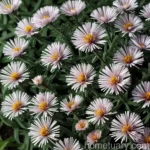
Aster novi-belgii ‘Coombe Violet’ is a member of the Asteraceae family and is native to North America. This herbaceous perennial is characterized by its bushy, clump-forming growth habit and its prolific production of daisy-like flowers. The Coombe Violet Aster typically blooms in late summer to early fall, gracing the garden with mesmerizing hues of violet and blue.
Key Takeaways – Aster novi-belgii ‘Coombe Violet’ (New York Aster)
Before delving deeper into the specifics of growing and caring for the Coombe Violet Aster, let’s highlight some key takeaways about this captivating plant:
- Scientific Name: Aster novi-belgii ‘Coombe Violet’
- Common Name: New York Aster
- Bloom Time: Late summer to early fall
- Flower Color: Violet and blue
- Growth Habit: Bushy, clump-forming
- Uses: Garden borders, mixed plantings, rock gardens, butterfly gardens, perennial beds, wildflower meadows
- Attributes: Attracts bees, butterflies, and hummingbirds; suitable for cut flower arrangements
- Special Features: Resistant to deer and rabbits
- Cultural Requirements: Well-drained soil, full sun to partial shade
Now that we have an overview of the Coombe Violet Aster, let’s explore the various aspects of its culture, uses, and maintenance.
Culture
Water
Proper watering is crucial for the health and vitality of the Coombe Violet Aster. While this plant appreciates consistent moisture, it is essential to ensure that the soil is well-drained to prevent waterlogged conditions. During the active growing season, water the plant regularly, allowing the soil to dry slightly between waterings. However, be mindful not to let the soil completely dry out, especially during hot and dry spells. When watering, aim to moisten the soil to a depth of about 1 to 2 inches.
In regions experiencing heavy or prolonged rainfall, it may be necessary to provide additional drainage to prevent water accumulation around the plant’s roots. Consider incorporating organic matter or implementing raised beds to improve soil drainage.
During the winter months or when the plant is dormant, reduce the frequency of watering to avoid water-related issues such as root rot. As a general rule, it is best to observe the plant and adjust the watering schedule based on its specific requirements and environmental conditions.
Sunlight
The Coombe Violet Aster thrives in locations with ample sunlight, making it an ideal choice for sunny garden beds and borders. Aim to provide the plant with at least 6 to 8 hours of direct sunlight per day to promote robust growth and abundant flowering. In regions with particularly intense afternoon sun, the plant may benefit from partial shade during the hottest part of the day to prevent sunscald and maintain the vibrancy of its blooms.
In addition to direct sunlight, adequate air circulation is also important for minimizing the risk of fungal diseases, especially in regions with high humidity. When selecting a planting site, consider the airflow and avoid areas that are excessively sheltered or prone to stagnation.
Fertilizer
To support the Coombe Violet Aster’s growth and flowering, it is recommended to fertilize the plant periodically with a balanced, all-purpose fertilizer. Begin by applying a slow-release fertilizer in early spring as new growth emerges. This initial fertilization provides the plant with essential nutrients to fuel its growth and prepare it for the upcoming blooming season.
During the growing season, consider supplementing with a liquid fertilizer every 4 to 6 weeks to sustain the plant’s vigor and promote continuous flowering. When selecting a fertilizer, opt for a formulation that is specifically designed for flowering perennials and follow the manufacturer’s instructions regarding application rates and frequency.
As the flowering period draws to a close and the plant transitions into dormancy, discontinue fertilization to allow it to naturally wind down and prepare for the colder months. Avoid over-fertilizing, as excessive nutrients can lead to lush vegetative growth at the expense of floral display and may make the plant more susceptible to lodging and disease.
Soil
The Coombe Violet Aster thrives in well-drained, fertile soil with a slightly acidic to neutral pH range. Prior to planting, prepare the soil by incorporating organic matter such as compost or well-rotted manure to improve its texture, moisture retention, and nutrient content. This soil amendment not only enhances the overall quality of the soil but also provides a steady supply of essential nutrients for the plant’s development.
When selecting a planting site, ensure that the soil is loose and friable to facilitate root establishment and expansion. Avoid heavy clay soils that tend to retain water and may lead to root suffocation. If the native soil is compacted or lacks sufficient drainage, consider implementing raised beds or mounding to elevate the planting area and create a more favorable growing environment for the Coombe Violet Aster.
It is important to monitor the soil moisture levels and drainage characteristics, especially during the establishment phase and following periods of heavy rainfall. Consider installing a layer of organic mulch around the plant to conserve soil moisture, suppress weed growth, and provide additional insulation during temperature fluctuations.
Pruning
Pruning plays a vital role in maintaining the health, appearance, and longevity of the Coombe Violet Aster. Regular pruning helps manage the plant’s size, rejuvenate the foliage, and encourage prolific flowering. Here are some essential pruning guidelines for the Coombe Violet Aster:
-
Deadheading: Remove spent flowers promptly to prevent the development of seeds and encourage the continuous production of new blooms. Deadheading not only prolongs the flowering period but also prevents the plant from expending energy on seed formation, redirecting it instead towards vegetative growth and floral display.
-
Cutting Back: In late fall or early spring, consider cutting back the entire plant to a height of 4 to 6 inches above the ground. This rejuvenating pruning technique stimulates the development of fresh growth and ensures a compact, robust habit for the upcoming growing season. Additionally, cutting back the plant removes any remaining foliage that may harbor pests or diseases, promoting a clean and healthy start to the new growth cycle.
-
Thinning: Periodically thin out crowded or excessive growth to improve air circulation and light penetration within the plant’s canopy. This selective removal of stems and foliage reduces the risk of fungal infections and promotes the overall vitality of the plant.
-
Division: Every few years, consider dividing mature clumps of the Coombe Violet Aster to rejuvenate the plant and prevent overcrowding. Divide the plant in early spring or late summer, ensuring that each division contains healthy roots and shoots. Replant the divisions in suitable locations or share them with fellow gardening enthusiasts to propagate and expand the presence of this magnificent plant.
By incorporating these pruning practices into the care routine, you can contribute to the plant’s overall well-being and foster a flourishing display of blooms year after year.
Propagation
The Coombe Violet Aster can be propagated through various methods, allowing gardeners to expand their collection of these enchanting plants and share them with friends and family. Here are some key propagation techniques for the Coombe Violet Aster:
-
Division: As mentioned earlier, division is an effective means of propagating the Coombe Violet Aster while simultaneously revitalizing mature clumps. To divide the plant, carefully lift it from the ground and separate the individual sections, ensuring that each division possesses sufficient roots and shoot growth. Replant the divisions in prepared soil, ensuring adequate moisture and ongoing care until they become established.
-
Seed Propagation: Collecting and sowing seeds is another viable method of propagating the Coombe Violet Aster. Allow the spent flowers to mature and develop seeds, then collect the seeds once they have ripened. Sow the seeds in well-prepared seed-starting mix or directly in the garden bed, covering them lightly with soil. Keep the soil consistently moist and provide the seeds with warmth and sunlight to facilitate germination. As the seedlings develop, thin them as needed and transplant them to their permanent locations once they have established sufficient root systems.
-
Stem Cuttings: Propagating the Coombe Violet Aster through stem cuttings offers an expedited method of creating new plants. Select healthy, non-flowering stems and take cuttings measuring approximately 4 to 6 inches in length. Remove the lower leaves and insert the cuttings into a well-draining rooting medium, ensuring that at least two nodes are submerged. Provide the cuttings with warmth, humidity, and intermittent misting to encourage root development. Once the cuttings have produced strong root systems, transplant them into individual containers or directly into the garden.
By exploring these propagation techniques, gardeners can actively contribute to the propagation and dissemination of the Coombe Violet Aster, enriching their gardens and sharing the beauty of this remarkable plant with others.
Container Popularity
The Coombe Violet Aster’s versatility and compact growth habit make it well-suited for container cultivation, allowing gardeners to showcase its vibrant blooms and attract pollinators in various outdoor settings. Whether displayed on patios, balconies, or terraces, container-grown Coombe Violet Aster plants add a touch of elegance and color to any outdoor space. Additionally, their adaptability to container cultivation provides an excellent option for gardeners with limited garden space or those seeking to introduce seasonal interest to their outdoor living areas.
When cultivating the Coombe Violet Aster in containers, it is important to consider the following factors to ensure its successful growth and development:
-
Container Selection: Choose containers that are sufficiently large and provide ample room for the plant’s root system to expand. Select pots with drainage holes to prevent waterlogging and maintain optimal soil moisture levels.
-
Potting Mix: Utilize a well-draining, high-quality potting mix to support the plant’s growth and provide essential nutrients. Consider blending the potting mix with organic matter to enhance moisture retention and promote healthy root development.
-
Watering: Monitor the soil moisture regularly and water the plant as needed, adjusting the frequency based on environmental conditions and the container’s exposure to sunlight and wind. Avoid allowing the soil to become excessively dry or waterlogged, as both extremes can adversely affect the plant’s health.
-
Sunlight: Position the container in a location that receives adequate sunlight to support the plant’s growth and flowering. If the plant is exposed to intense afternoon sun, consider providing partial shade to shield it from excessive heat and potential sun damage.
-
Fertilization: Apply a balanced, slow-release fertilizer to the container-grown Coombe Violet Aster in early spring and periodically throughout the growing season to provide essential nutrients for sustained growth and flowering.
When the correct cultural conditions are maintained, container-grown Coombe Violet Aster plants thrive and contribute to the visual appeal of outdoor spaces, offering a delightful showcase of vibrant blooms and contributing to the attraction of beneficial pollinators.
Common Diseases
Understanding and identifying common diseases affecting the Coombe Violet Aster is essential for preserving the health and vitality of the plant. By recognizing the symptoms of these diseases and implementing appropriate management measures, gardeners can mitigate the impact of these ailments and foster a robust and flourishing display of blooms. Some common diseases that may affect the Coombe Violet Aster include:
-
Powdery Mildew: Powdery mildew is a fungal disease that manifests as a powdery, white coating on the plant’s foliage, typically on the upper surfaces of leaves. This disease thrives in conditions of high humidity and poor air circulation, making it essential to provide adequate spacing between plants and promote proper airflow. To manage powdery mildew, remove affected plant parts, avoid overhead watering, and consider applying fungicidal treatments as directed.
-
Aster Yellows: Aster yellows is a phytoplasma disease that causes abnormal growth and discoloration in affected plants, leading to stunted and distorted growth, yellowing of leaves, and the development of greenish flowers. There is no cure for aster yellows, and affected plants should be promptly removed and disposed of to prevent the spread of the disease to healthy specimens.
-
Root Rot: Root rot is commonly caused by soil-borne pathogens and excessive soil moisture, resulting in the decay of the plant’s root system and subsequent decline in overall health. To prevent root rot, ensure that the soil is well-drained and avoid overwatering. When planting or transplanting the Coombe Violet Aster, inspect the roots for signs of rot and remove any affected portions before carefully housing the plant in prepared soil.
By promptly addressing disease issues and implementing preventive measures, gardeners can safeguard the health and beauty of the Coombe Violet Aster, ensuring its continuous contribution to the garden’s aesthetic appeal and ecological value.
Disease Diagnosis
Recognizing and diagnosing diseases affecting the Coombe Violet Aster is a crucial step in formulating an effective management strategy. By carefully observing the plant and its symptoms, gardeners can accurately identify the underlying issues and take appropriate measures to address and mitigate the impact of diseases. Some key steps in diagnosing diseases in the Coombe Violet Aster include:
-
Symptom Observation: Begin by closely examining the plant for any unusual signs or symptoms, such as leaf discoloration, abnormal growth patterns, or the presence of fungal or powdery coatings on the foliage. Take note of any changes in the plant’s overall appearance, including wilting, leaf drop, or the development of deformed flowers.
-
Environmental Factors: Consider the prevailing environmental conditions, such as temperature, humidity levels, and soil moisture. Assess whether the plant is receiving adequate sunlight, proper air circulation, and appropriate watering, as these factors can influence the development and progression of diseases.
-
Pathogen Identification: If possible, identify the specific pathogens associated with the observed symptoms. Examining the plant under magnification or consulting with a plant pathologist can aid in the accurate identification of disease-causing agents and inform targeted management strategies.
-
Diagnostic Tools: Utilize diagnostic tools, such as test kits or laboratory analysis, to confirm the presence of diseases and ascertain their severity. In some cases, submitting plant samples to diagnostic laboratories can provide valuable insights into the nature of the diseases affecting the Coombe Violet Aster.
By methodically assessing the plant’s condition and leveraging diagnostic resources, gardeners can gain a comprehensive understanding of the diseases impacting the Coombe Violet Aster and take informed actions to mitigate their effects.
Common Pests
In addition to diseases, the Coombe Violet Aster may also be susceptible to pest infestations that can compromise its health and appearance. Recognizing the signs of common pests and understanding their life cycles and habits are essential for implementing targeted pest management strategies. Some prevalent pests that may affect the Coombe Violet Aster include:
-
Aster Leafhoppers: These small, wedge-shaped insects feed on plant sap and can transmit aster yellows, a destructive phytoplasma disease. Leafhoppers can be identified by their distinctive appearance and their rapid movement when disturbed. To manage infestations, consider employing insecticidal treatments and promoting a diverse predator population to naturally control leafhopper populations.
-
Aphids: Aphids are sap-sucking insects that can colonize the tender growth of the Coombe Violet Aster, causing distortion and discoloration of the affected plant parts. Monitor the plant for the presence of aphids and intervene promptly through manual removal, insecticidal applications, or the introduction of natural predators such as ladybugs and lacewings.
-
Slugs and Snails: These mollusks are known for consuming plant foliage and leaving behind characteristic slimy trails. To mitigate slug and snail damage, consider implementing physical barriers, such as copper tape or diatomaceous earth, to deter their movement towards the plants.
By remaining vigilant and promptly addressing pest infestations, gardeners can safeguard the Coombe Violet Aster from the detrimental effects of pests, fostering its continued growth and contribution to the garden’s visual allure.
Botanist’s Tips
As a plant scientist with a passion for botanical exploration and cultivation, I have gathered invaluable insights and tips for growing and caring for the Coombe Violet Aster. These botanist’s tips aim to empower gardeners with practical knowledge and strategies for optimizing the successful cultivation of this captivating plant:
-
Selecting Complementary Plants: When incorporating the Coombe Violet Aster into garden designs, consider selecting complementary plants that accentuate its vibrant blooms and contribute to a harmonious planting scheme. Plants with contrasting foliage colors or complementary growth habits can enhance the visual impact of the Coombe Violet Aster and create captivating garden compositions.
-
Promoting Wildlife Habitats: Integrate the Coombe Violet Aster into garden settings that promote wildlife habitats and support beneficial pollinators. By cultivating a diverse array of flowering plants, gardeners can attract bees, butterflies, and hummingbirds, enriching the garden’s ecological value and supporting local wildlife populations.
-
Seasonal Interest: Strategically incorporate the Coombe Violet Aster into garden designs to provide seasonal interest and dynamic floral displays. Pair it with other perennial plants that bloom at different times throughout the year, ensuring a continuous succession of blooms and evolving garden compositions.
-
Observing Naturalizing Patterns: Observe the naturalizing tendencies of the Coombe Violet Aster and leverage its self-seeding capabilities to enrich and expand its presence within the garden. Allow the plant to set seed and disperse naturally, enabling it to colonize suitable areas and contribute to the visual diversity of the landscape.
-
Maintaining Vigilance: Regularly monitor the Coombe Violet Aster for any signs of pests, diseases, or environmental stressors, taking proactive measures to address emerging issues and preserve the plant’s health and vitality.
By incorporating these botanist’s tips into their gardening practices, enthusiasts can maximize the potential of the Coombe Violet Aster and experience the beauty and rewards of cultivating this exquisite plant.
Fun Facts
To truly appreciate the Coombe Violet Aster and its captivating qualities, it is worthwhile to explore some fascinating fun facts that highlight the plant’s unique attributes and ecological significance:
-
Pollinator Magnet: The abundant blooms of the Coombe Violet Aster attract a myriad of beneficial pollinators, including bees, butterflies, and hummingbirds. Its nectar-rich flowers serve as a vital food source for these pollinators, contributing to the support and preservation of local ecosystems.
-
Historical Significance: Asters, including the Coombe Violet Aster, have been cultivated for centuries and have been valued for their ornamental beauty and diverse cultural symbolism. In various traditions, asters are associated with themes of love, patience, and elegance, adding a layer of historical and cultural significance to these charming plants.
-
Medicinal Uses: In traditional herbal medicine, certain species of aster have been used to prepare herbal remedies for ailments such as respiratory issues and inflammation. While the medicinal properties of the Coombe Violet Aster may not be as extensively documented, its historical uses underscore the plant’s intrinsic value and versatility.
-
Ecological Resilience: Asters, including the Coombe Violet Aster, exhibit impressive adaptability and resilience, thriving in a variety of environmental conditions and contributing to the ecological stability of their