Aeonium ‘Mardi Gras’)
Aeonium ‘Mardi Gras’ is a stunning succulent plant that can add a touch of elegance to any indoor or outdoor garden. With its captivating foliage colors.
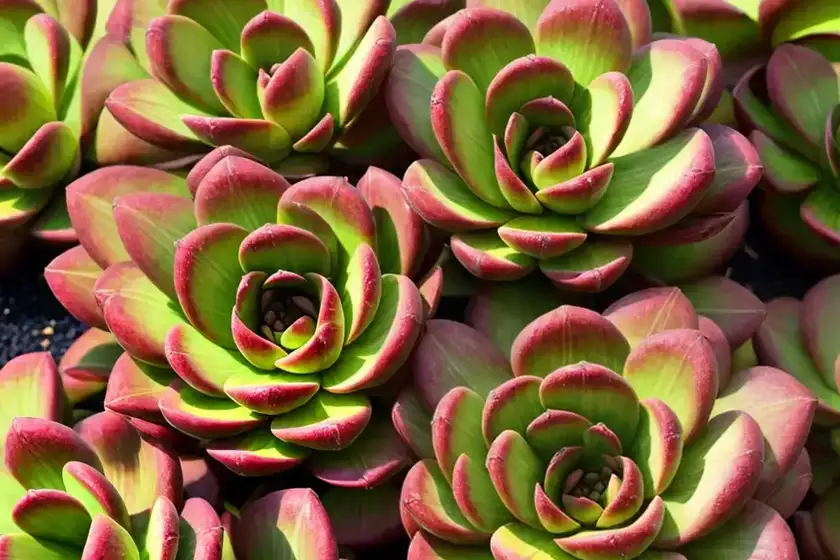
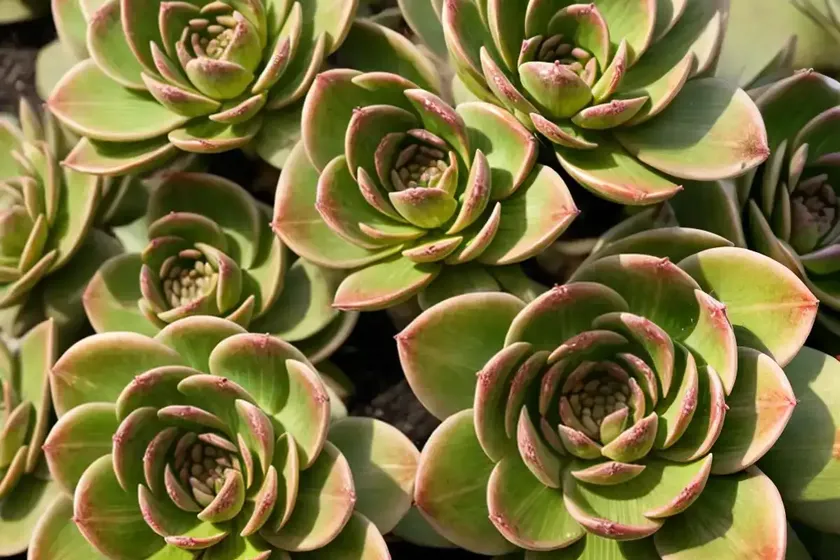
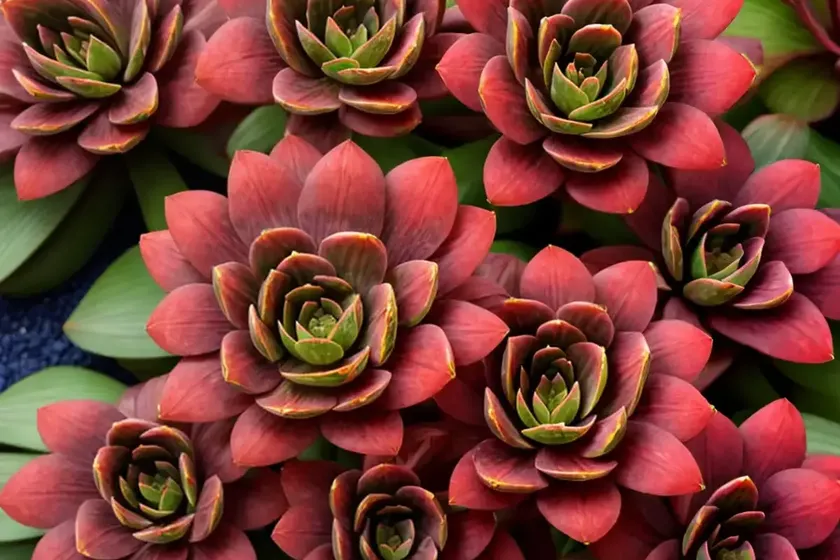
Aeonium ‘Mardi Gras’ is a stunning succulent plant that can add a touch of elegance to any indoor or outdoor garden. With its captivating foliage colors and unique growth habits, this plant has gained popularity among gardeners and landscaping enthusiasts. In this comprehensive guide, we will explore the various aspects of caring for Aeonium ‘Mardi Gras’, including its cultural preferences, uses, propagation methods, common diseases, and more. Whether you are a beginner gardener or a seasoned plant enthusiast, this guide will provide you with valuable insights into nurturing and enjoying the beauty of Aeonium ‘Mardi Gras’.
What is Aeonium ‘Mardi Gras’?
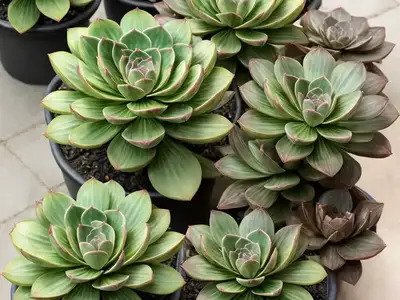
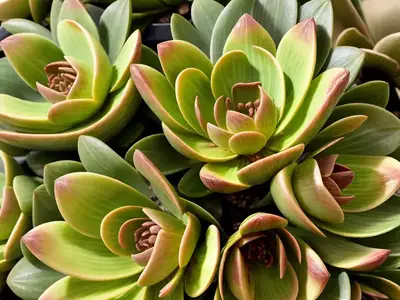
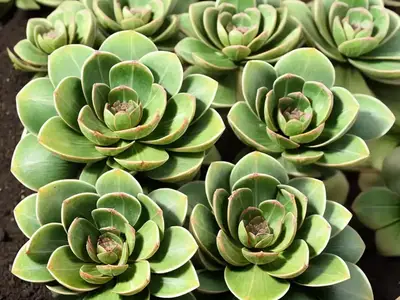
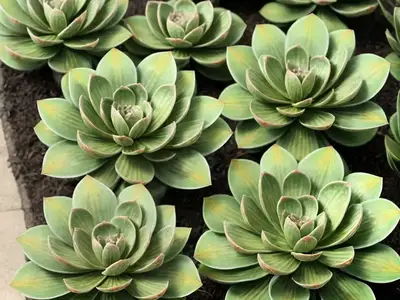
Aeonium ‘Mardi Gras’ is a cultivar of the Aeonium genus, which belongs to the family Crassulaceae. These plants are native to the Canary Islands, Madeira, and North Africa, where they thrive in warm, arid climates. Aeonium ‘Mardi Gras’ is prized for its rosette-shaped, variegated foliage, which exhibits a stunning array of colors, including shades of green, pink, yellow, and cream. The leaves of Aeonium ‘Mardi Gras’ form compact, architectural rosettes, making it an eye-catching addition to gardens, landscapes, and indoor plant collections.
Key Takeaways
- Scientific Name: Aeonium ‘Mardi Gras’
- Family: Crassulaceae
- Origin: Canary Islands, Madeira, North Africa
- Foliage Colors: Green, pink, yellow, cream
- Growth Habit: Rosette-forming
- Cultural Preferences: Well-draining soil, ample sunlight, moderate watering
Culture
Aeonium ‘Mardi Gras’ is a relatively low-maintenance plant, making it an excellent choice for both novice and experienced gardeners. Understanding the cultural requirements of this succulent is essential for promoting its growth and overall health.
Water
Proper watering is crucial for the well-being of Aeonium ‘Mardi Gras’. As a succulent, it is adapted to survive in drought conditions, and overwatering can be detrimental to its health. Here are some watering guidelines for Aeonium ‘Mardi Gras’:
- Frequency: Allow the soil to dry out completely between waterings. Check the moisture level by inserting a finger into the soil; if it feels dry at a depth of 1-2 inches, it’s time to water the plant.
- Watering Technique: When watering, apply water directly to the soil at the base of the plant, avoiding wetting the foliage. Allow any excess water to drain away to prevent waterlogged conditions, which can lead to root rot.
- Seasonal Adjustments: During the active growing season, typically in spring and fall, Aeonium ‘Mardi Gras’ may require more frequent watering. In contrast, reduce watering during the winter months when the plant is in a semi-dormant state.
Sunlight
Aeonium ‘Mardi Gras’ thrives in bright, indirect sunlight. When grown outdoors, it appreciates partial shade, especially during the hottest part of the day. When cultivating Aeonium ‘Mardi Gras’ indoors, place it near a south or west-facing window to ensure it receives an adequate amount of sunlight. Insufficient light can result in leggy growth and a loss of vibrant foliage colors. On the other hand, excessive exposure to intense sunlight may cause leaf burn, particularly in hot climates.
Fertilizer
While Aeonium ‘Mardi Gras’ is not heavy feeder, occasional fertilization can support its growth and overall vitality. Choose a balanced, water-soluble fertilizer formulated for succulent plants. Apply the fertilizer at half-strength every 2-4 weeks during the growing season to provide the necessary nutrients. Refrain from fertilizing during the winter months, as the plant’s metabolic activity slows down during this time.
Soil
The soil preferences of Aeonium ‘Mardi Gras’ center around adequate drainage and aeration. Plant this succulent in a well-draining potting mix designed for cacti and succulents, or create a custom blend by combining regular potting soil with perlite, pumice, or coarse sand. This ensures that excess moisture can freely drain from the soil, preventing the roots from becoming waterlogged.
Pruning
Pruning Aeonium ‘Mardi Gras’ is primarily done for aesthetic purposes or to maintain the plant’s size and shape. Use clean, sharp pruning shears to trim away any dead or damaged foliage, as well as to shape the plant as desired. Pruning can also promote branching and encourage the development of a compact, bushy habit in mature Aeonium ‘Mardi Gras’ specimens.
Propagation
If you wish to propagate Aeonium ‘Mardi Gras’ to expand your collection or share with fellow gardening enthusiasts, there are several methods you can employ:
- Offsets: Aeonium ‘Mardi Gras’ produces offsets, or “pups,” around the base of the plant. Carefully remove these offsets and allow the cut ends to callus for a day or two. Then, plant the offsets in a suitable succulent potting mix and provide them with the same care as mature plants.
- Leaf Cuttings: Gently remove a healthy leaf from the parent plant and allow the cut end to dry for a couple of days to form a callus. Plant the leaf cutting in a well-draining succulent mix, and within a few weeks, it may develop roots and new rosettes, leading to the formation of a new plant.
Container Popularity
Aeonium ‘Mardi Gras’ is a popular choice for container gardening due to its compact growth habit and eye-catching foliage. Planting it in containers allows for greater control over its environmental conditions and makes it easy to move the plant indoors during periods of inclement weather. Additionally, Aeonium ‘Mardi Gras’ can be showcased as a standalone specimen or incorporated into mixed succulent arrangements to create visually appealing displays.
Container Uses
The versatility of Aeonium ‘Mardi Gras’ makes it suitable for various container uses, including:
- Indoor Display: Plant Aeonium ‘Mardi Gras’ in decorative pots and place it on windowsills, shelves, or desks to enhance indoor spaces with its vibrant colors and elegant rosettes.
- Outdoor Accent: Use Aeonium ‘Mardi Gras’ to adorn patios, balconies, or outdoor dining areas, where its striking foliage can serve as a focal point or complement other potted plants in a garden setting.
- Arrangements: Incorporate Aeonium ‘Mardi Gras’ into succulent arrangements and terrariums to create visually stunning compositions that highlight its unique characteristics.
Common Diseases and Pests
Aeonium ‘Mardi Gras’ is generally resistant to most pests and diseases when provided with the appropriate cultural conditions. However, it is important to be vigilant and observe the plant for any signs of potential issues. Here are some common diseases and pests that may affect Aeonium ‘Mardi Gras’, along with their diagnosis and management:
Common Diseases
- Root Rot: Excessive moisture in the soil can lead to root rot, which is characterized by wilting, yellowing, or browning of the foliage. To prevent root rot, ensure that the soil is well-draining and that the plant is not overwatered.
- Powdery Mildew: This fungal disease presents as a white, powdery substance on the leaves, often caused by high humidity and poor air circulation. To combat powdery mildew, improve ventilation around the plant and consider applying a suitable fungicidal treatment if necessary.
Disease Diagnosis
Diagnosing diseases in Aeonium ‘Mardi Gras’ involves careful observation of the plant’s symptoms and environmental conditions. If you notice any unusual changes in the plant’s appearance or behavior, such as wilting, discoloration, or unusual growth patterns, investigate the potential causes and take appropriate measures to address the issue.
Common Pests
- Aphids: These small, soft-bodied insects feed on the sap of the plant, causing leaf distortion and yellowing. Control aphids by using a mild insecticidal soap or horticultural oil, or introduce natural predators such as ladybugs to the garden.
- Mealybugs: Mealybugs are a common pest of succulent plants, appearing as white, cottony masses on the foliage and stems. Use a cotton swab dipped in rubbing alcohol to remove mealybugs from the plant, and monitor for any signs of recurrence.
Botanist’s Tips
To ensure the optimal growth and performance of Aeonium ‘Mardi Gras’, consider the following tips from botanists and horticultural experts:
- Seasonal Adjustments: Adapt the care routine of Aeonium ‘Mardi Gras’ to accommodate seasonal changes in light, temperature, and humidity. Monitor the plant closely and make adjustments as needed to provide the ideal growing conditions.
- Succulent-Specific Care: Recognize that Aeonium ‘Mardi Gras’ has specific cultural requirements as a succulent plant. Tailor your care practices to meet these requirements, such as using well-draining soil, providing ample sunlight, and avoiding overwatering.
- Observation and Maintenance: Regularly inspect Aeonium ‘Mardi Gras’ for any signs of stress, disease, or pests, and address any issues promptly. Good maintenance practices, including pruning, cleaning, and soil management, can contribute to the plant’s long-term health.
Fun Facts
As you embark on your journey of caring for Aeonium ‘Mardi Gras’, consider these intriguing and delightful facts about this captivating plant:
- Variegated Foliage: Aeonium ‘Mardi Gras’ exhibits a stunning variety of colors in its foliage, ranging from vibrant greens to pink, yellow, and cream tones. This natural coloration makes it a sought-after choice for adding visual interest to gardens and indoor spaces.
- Architectural Form: The rosette-forming growth habit of Aeonium ‘Mardi Gras’ creates an architectural and sculptural appearance, which adds a sense of elegance and sophistication to its surroundings.
- Drought Tolerance: Aeonium ‘Mardi Gras’ is well-adapted to withstand periods of drought, making it an excellent choice for water-wise gardening and xeriscaping projects.
Links to External Resources
As you continue to explore the world of Aeonium ‘Mardi Gras’ care and cultivation, you may find the following external resources to be valuable references:
- Succulent Plant Care Guide – The Spruce
- Caring for Aeonium Plants – Royal Horticultural Society
- Identifying and Controlling Houseplant Pests – University of Minnesota Extension
- Understanding and Preventing Plant Diseases – University of Minnesota Extension
- Container Gardening Tips – Farmers’ Almanac
- Succulent Soil Mix Recipes – Succulents and Sunshine
In conclusion, Aeonium ‘Mardi Gras’ is a captivating succulent plant that offers a myriad of opportunities for indoor and outdoor gardening enthusiasts. With its unique foliage colors, low-maintenance care requirements, and versatile uses in container gardening and landscapes, Aeonium ‘Mardi Gras’ has secured its place as a beloved addition to plant collections and design projects. By understanding its cultural preferences, propagation methods, common diseases, and pest management strategies, you can embark on a rewarding journey of nurturing and enjoying the beauty of Aeonium ‘Mardi Gras’ in your own botanical endeavors.
If you have any feedback, suggestions, or questions regarding Aeonium ‘Mardi Gras’ care, please feel free to connect with us. We are here to support your passion for plants and provide you with the resources and guidance you need to succeed in your gardening pursuits.
Remember to stay curious, observe the natural wonders around you, and continue to cultivate the joy of gardening in your daily life.
Happy gardening!