Acer X Freemanii ‘Autumn Blaze’ (Freeman Maple)
What is Acer x freemanii ‘Autumn Blaze’ (Freeman Maple)? Acer x freemanii ‘Autumn Blaze,’ commonly known as Freeman Maple, is a hybrid tree resulting from.
What is Acer x freemanii ‘Autumn Blaze’ (Freeman Maple)?
Acer x freemanii ‘Autumn Blaze,’ commonly known as Freeman Maple, is a hybrid tree resulting from the crossbreeding of the silver maple (Acer saccharinum) and red maple (Acer rubrum). This deciduous tree is celebrated for its brilliant fall colors and adaptability to urban environments, making it a popular choice for landscaping and horticultural enthusiasts. Its superior attributes, such as rapid growth, impressive foliage, and overall hardiness, have contributed to its widespread appeal.
Key Takeaways – Acer x freemanii ‘Autumn Blaze’ (Freeman Maple)
Culture
- Hardy in USDA zones 3-8.
- Requires well-drained soil.
- Thrives in sunny locations but can tolerate partial shade.
Uses
- Popular choice for landscaping and urban environments.
- Provides vibrant fall foliage.
- Ideal for shade and ornamental purposes.
Water
- Moderate water requirements, particularly during the establishment phase.
- Drought tolerant once established.
Sunlight
- Prefers full sun but can also tolerate partial shade.
Fertilizer
- Minimal fertilization requirements, particularly in well-nourished soils.
Soil
- Adaptable to a variety of soil types but prefers well-drained, slightly acidic soil.
Pruning
- Minimal pruning needed, primarily for shaping and structural maintenance.
Propagation
- Typically propagated through softwood cuttings.
Container Popularity
- While not commonly grown in containers due to its large size, can be used for temporary or decorative plantings.
Common Diseases
- Powdery mildew, verticillium wilt, and tar spot.
- Pruning and maintenance practices can reduce the risk of diseases.
Disease Diagnosis
- Inspection of the foliage, bark, and overall tree health can aid in disease diagnosis.
Common Pests
- Aphids, scale insects, and caterpillars.
- Routine monitoring and appropriate pest management techniques are vital.
Botanist’s Tips
- Regular inspection and maintenance are crucial to promoting the tree’s health and longevity.
Fun Facts
- The Freeman Maple is celebrated for its striking red, orange, and yellow fall foliage, adding an enchanting touch to the autumn landscape.
- Its rapid growth rate makes it an ideal choice for those seeking a quick impact in their garden or landscape design.
Links to External Resources
- Acer x Freemanii ‘Autumn Blaze’ – The Tree Center
- Growing Freeman Maple Trees – Gardening Know How
- The Freeman Maple: A Great Urban Tree – University of Minnesota Extension
In this comprehensive guide, we will explore the care, cultivation, and characteristics of Acer x freemanii ‘Autumn Blaze’ (Freeman Maple). From its water and sunlight needs to its disease resistance and landscape uses, we will cover everything you need to know to successfully cultivate and enjoy this stunning hybrid maple tree.
Acer x freemanii ‘Autumn Blaze’ (Freeman Maple) Care
Maple trees have an enduring allure in the world of horticulture, and the Freeman Maple is no exception. Its unique combination of attributes, including striking fall colors, adaptable nature, and disease resistance, make it a sought-after choice for various landscaping and ornamental purposes.
Freeman Maple Cultivation Tips
Cultivating Acer x freemanii ‘Autumn Blaze’ requires careful attention to its specific needs to ensure optimal growth and health. Here are essential cultivation tips for nurturing this captivating tree:
- Growing Acer x freemanii ‘Autumn Blaze’
- Select a planting location that provides adequate space for the tree to reach its mature size without interference from surrounding structures or other trees.
-
Ensure the soil is well-drained and slightly acidic, with a pH level ranging from 6.0 to 7.0.
-
Autumn Blaze Freeman Maple Characteristics
- Rapid growth rate: Freeman Maple is known for its vigorous growth, making it an ideal choice for those seeking a quick impact in their landscape.
-
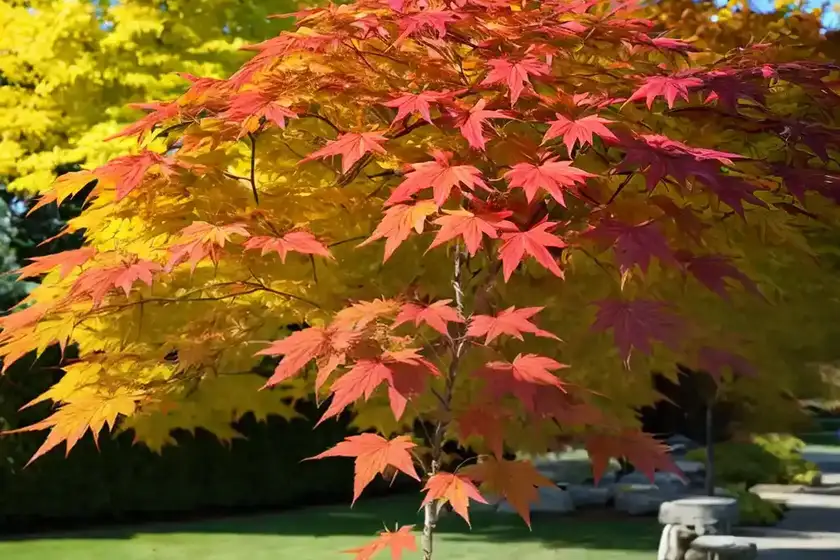
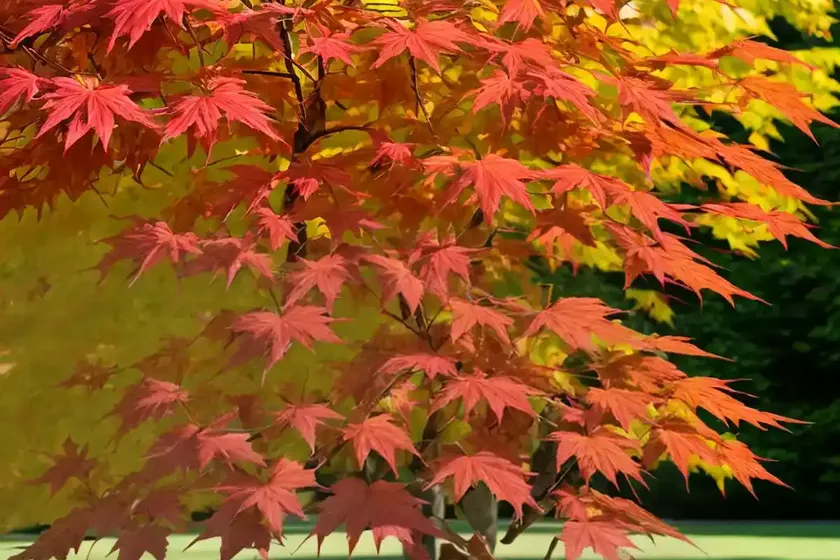
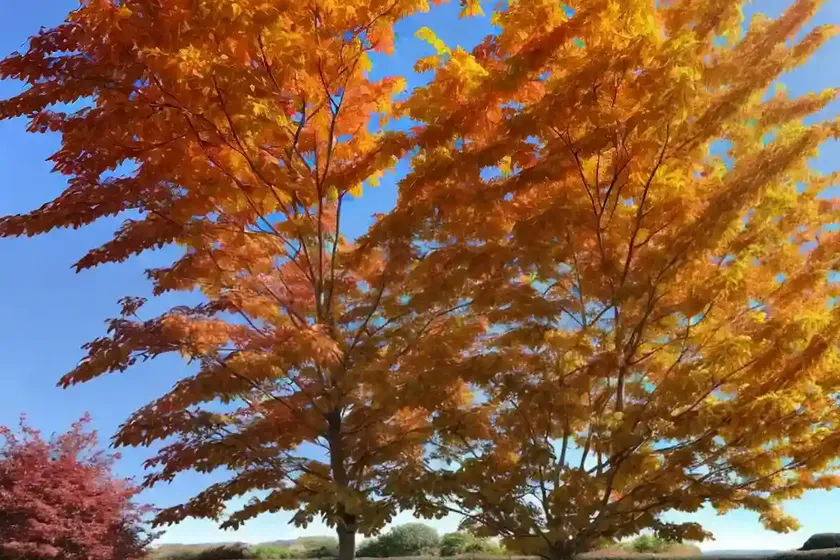
Striking fall foliage: The tree’s leaves transform into vibrant shades of red, orange, and yellow in the autumn, creating a breathtaking visual display.
-
How to Propagate Acer x freemanii ‘Autumn Blaze’
- Propagation is commonly achieved through softwood cuttings taken during the active growth period.
-
Select healthy, disease-free branches for propagation to ensure the success of the new plants.
-
Freeman Maple Planting Guide
- Plant the tree in a location that receives full sun to partial shade. While it prefers full sun, it can adapt to partial shade conditions.
-
Ensure proper spacing to accommodate the tree’s mature size, typically ranging from 40-70 feet in height and 30-50 feet in width.
-
Acer x freemanii ‘Autumn Blaze’ Pruning Techniques
- Minimal pruning is generally required, primarily for shaping the tree and removing any dead or damaged branches.
- Prune during the dormant season to minimize stress on the tree.
Benefits of Planting Freeman Maple
The Freeman Maple offers a myriad of benefits, making it a valuable addition to diverse landscapes and garden settings. Some key benefits include:
- Rapid growth: Ideal for creating a quick impact in a landscape or garden design.
- Stunning fall colors: The tree’s vibrant foliage adds a mesmerizing element to the autumn landscape, making it a standout feature.
- Urban adaptability: Well-suited for urban environments due to its ability to withstand urban stressors and pollution.
Acer x freemanii ‘Autumn Blaze’ Disease Resistance
One of the standout features of Freeman Maple is its notable resistance to various diseases. However, to ensure the tree remains healthy and resilient, proactive measures should be taken to prevent potential diseases, including:
- Routine inspection: Regularly inspect the tree for any signs of disease, such as unusual spots or discoloration on the foliage.
- Adequate airflow: Promote good air circulation around the tree by maintaining proper spacing and removing any congested or crossing branches.
Freeman Maple Watering Needs
Proper watering is crucial, especially during the establishment phase of Acer x freemanii ‘Autumn Blaze.’ Here are some essential tips for watering this hybrid maple tree:
- Establishment phase: Provide regular watering to aid in the tree’s establishment and root development.
- Drought tolerance: Once established, the Freeman Maple exhibits good drought tolerance, reducing the need for frequent watering.
Best Soil for Growing Acer x freemanii ‘Autumn Blaze’
While the Freeman Maple is adaptable to various soil types, it thrives in well-drained soil with a slightly acidic pH. Here are some considerations for the best soil for growing Acer x freemanii ‘Autumn Blaze’:
- Soil drainage: Ensure the soil provides adequate drainage to prevent waterlogging, which can negatively impact the tree’s roots.
- pH preferences: Aim for a soil pH level ranging from 6.0 to 7.0, providing an optimal growing environment for the tree.
Autumn Blaze Freeman Maple Foliage Colors
A key highlight of Acer x freemanii ‘Autumn Blaze’ is its stunning foliage colors, particularly during the autumn season. The tree’s leaves undergo a remarkable transformation, exhibiting vibrant shades of red, orange, and yellow. This striking display of fall colors adds a captivating and picturesque element to the landscape.
Acer x freemanii ‘Autumn Blaze’ Landscape Uses
The Freeman Maple is favored for its versatile landscape uses, offering a range of applications in various settings, including:
- Shade tree: Provides ample shade with its broad canopy, making it an ideal choice for shading outdoor spaces or other plants.
- Ornamental feature: Its vibrant fall colors and overall aesthetic appeal make it a standout ornamental feature in gardens, parks, and residential landscapes.
Freeman Maple Hardiness Zones
Acer x freemanii ‘Autumn Blaze’ is hardy in USDA zones 3-8, showcasing its adaptability to a broad range of climatic conditions. This makes it a suitable choice for many regions across the United States, where it can thrive and flourish with proper care and maintenance.
Companion Plants for Acer x freemanii ‘Autumn Blaze’
Pairing the Freeman Maple with compatible companion plants can enhance its visual appeal and create harmonious landscape compositions. Consider the following companion plants to complement and accentuate the beauty of Acer x freemanii ‘Autumn Blaze’:
- Shrubs: Redtwig dogwood (Cornus sericea), witch hazel (Hamamelis), and ninebark (Physocarpus opulifolius).
- Perennials: Hostas, astilbe, and sedum varieties.
- Groundcovers: Creeping phlox (Phlox subulata) and lamium.
Freeman Maple Varieties
While Acer x freemanii ‘Autumn Blaze’ is one of the most popular Freeman Maple hybrids, several other varieties offer distinct characteristics and attributes. Some notable Freeman Maple varieties include:
- Acer x freemanii ‘Celebration’: Features exceptional fall colors with hues of orange and red.
- Acer x freemanii ‘Marmo’: Known for its remarkable marbled foliage and vigorous growth.
Acer x freemanii ‘Autumn Blaze’ Growth Rate
One of the defining traits of the Freeman Maple is its rapid growth rate, making it an appealing choice for those seeking a relatively quick establishment and impact in their landscapes. The tree exhibits strong vigor and can reach its mature size within a relatively short time frame.
Pests Affecting Freeman Maple
While the Freeman Maple is generally resistant to pests, it may still be susceptible to certain insects that can cause damage if left unchecked. Some common pests affecting Freeman Maple include:
- Aphids: These small, soft-bodied insects can infest the tree and cause damage to the foliage.
- Scale insects: Scale infestations can lead to visible waxy coverings on the tree’s branches and stems, impacting its overall health.
- Caterpillars: Some caterpillar species may feed on the leaves and cause defoliation if present in large numbers.
Acer x freemanii ‘Autumn Blaze’ Fall Colors
The autumn display of Acer x freemanii ‘Autumn Blaze’ is a sight to behold, with its leaves transitioning into a vibrant palette of red, orange, and yellow. This seasonal transformation adds a spectacular burst of color to the landscape, creating a visually stunning backdrop.
Climate Requirements for Freeman Maple
Acer x freemanii ‘Autumn Blaze’ exhibits adaptability to a range of climate conditions, exhibiting hardiness in USDA zones 3-8. This broad climatic tolerance allows the tree to thrive in various regions, from cooler northern climates to milder southern regions, with proper care and maintenance.
Acer x freemanii ‘Autumn Blaze’ Sun Exposure
The Freeman Maple thrives in sunny locations, where it can receive ample sunlight to support its growth and development. However, it can also tolerate partial shade, making it a versatile choice for different garden settings and environments.
Freeman Maple Root System
Understanding the root system of Acer x freemanii ‘Autumn Blaze’ is essential for successful cultivation and long-term tree health. Here are some key aspects of the Freeman Maple’s root system:
- Depth: The root system typically extends to a depth of 12-18 inches, where it absorbs water and nutrients from the soil.
- Spread: The root system can spread horizontally to distances roughly equivalent to the tree’s canopy width.
Acer x freemanii ‘Autumn Blaze’ Landscaping Ideas
Incorporating the Freeman Maple into landscape designs opens up a multitude of creative possibilities, allowing for diverse applications and arrangements. Explore the following landscaping ideas to maximize the visual impact of Acer x freemanii ‘Autumn Blaze’:
- Specimen tree: Plant the Freeman Maple as a standalone specimen to showcase its striking foliage and overall beauty.
- Shade provider: Use the tree to create shaded areas in outdoor spaces, such as seating areas or garden retreats.
Pruning Acer x freemanii ‘Autumn Blaze’ for Shape
Minimal pruning is generally needed for Acer x freemanii ‘Autumn Blaze,’ mainly for shaping and maintaining its structural integrity. Follow these guidelines when pruning the Freeman Maple for shape:
- Prune during the dormant season to minimize stress on the tree.
- Remove any dead, diseased, or crossing branches to promote overall tree health.
Freeman Maple Leaf Shape
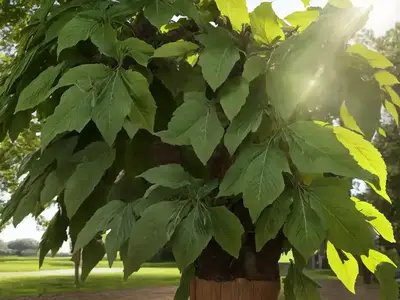
The leaves of Acer x freemanii ‘Autumn Blaze’ are palmately lobed, with three to five distinct lobes that create an elegant and visually appealing leaf shape. As the season transitions into autumn, these leaves undergo a stunning transformation, culminating in a breathtaking display of fall colors.
Best Time to Plant Acer x freemanii ‘Autumn Blaze’
Planting Acer x freemanii ‘Autumn Blaze’ at the optimal time sets the stage for successful establishment and growth. The best time to plant the Freeman Maple is during the dormant season, typically in late autumn to early spring. During this period, the tree experiences minimal stress, allowing it to acclimate and establish roots more effectively.
Acer x freemanii ‘Autumn Blaze’ in Container Gardening
While the Freeman Maple is not commonly grown in containers due to its large size and vigorous growth, it can still be used for temporary or decorative purposes in container gardening. Consider the following tips for cultivating Acer x freemanii ‘Autumn Blaze’ in containers:
- Select a large, sturdy container that provides ample space for root development.
- Ensure the container has adequate drainage to prevent waterlogging and root rot.
Freeman Maple Seasonal Care
Providing proper care and maintenance throughout the seasons is crucial for supporting the growth and health of Acer x freemanii ‘Autumn Blaze.’ Here are some seasonal care considerations for the Freeman Maple:
- Spring: Monitor for any signs of pests or diseases and implement appropriate control measures if necessary.
- Summer: Ensure the tree receives adequate water during periods of heat and drought to maintain its vigor.
- Autumn: Enjoy the spectacular display of fall foliage and conduct any necessary pruning during the dormant season.
Diseases Common to Acer x freemanii ‘Autumn Blaze’
While the Freeman Maple boasts notable disease resistance, it may still be susceptible to certain diseases that can impact its overall health and appearance. Some common diseases to be mindful of include:
- Powdery mildew: A fungal disease that can cause a white powdery coating on the leaves, affecting their vitality.
- Verticillium wilt: A soil-borne fungal disease that can lead to wilting and decline of the tree.
- Tar spot: Characterized by dark, tar-like spots on the leaves, impacting their aesthetic appeal.
Acer x freemanii ‘Autumn Blaze’ Fall Foliage Durability
The fall foliage of Acer x freemanii ‘Autumn Blaze’ exhibits remarkable durability and longevity, providing an enduring display of vibrant colors throughout the autumn season. Its leaves maintain their striking hues for an extended period, contributing to the visual allure of the landscape.
Freeman Maple Mature Size
Understanding the mature size of the Freeman Maple is essential for planning and accommodating its space requirements in the landscape. The tree typically reaches a height of 40-70 feet and a width of 30-50 feet at maturity, forming a substantial and impressive presence in outdoor settings.
Acer x freemanii ‘Autumn Blaze’ Wildlife Attraction
The Freeman Maple offers more than just visual appeal—it also attracts and supports various wildlife, enriching the ecosystem in which it grows. Some forms of wildlife that may be drawn to Acer x freemanii ‘Autumn Blaze’ include:
- Birds: Provides shelter and nesting sites for birds.
- Pollinators: Attracts bees and other pollinating insects when in bloom.
Freeman Maple Shade Tolerance
Acer x freemanii ‘Autumn Blaze’ exhibits good shade tolerance, allowing it to thrive in partially shaded environments in addition to full sun exposure. This adaptability makes it a versatile choice for various landscape settings, offering flexibility in placement and design.
Acer x freemanii ‘Autumn Blaze’ Root Depth
Understanding the depth of the Freeman Maple’s root system is crucial for establishing proper planting and care practices. The roots of Acer x freemanii ‘Autumn Blaze’ typically extend to a depth of 12-18 inches, where they actively absorb water and nutrients from the surrounding soil.
Companion Flowers for Freeman Maple
Pairing Acer x freemanii ‘Autumn Blaze’ with compatible companion flowers can enhance the visual appeal of the landscape and create captivating floral displays. Consider these companion flowers to complement the beauty of the Freeman Maple:
- Spring-blooming bulbs: Daffodils, tulips, and crocuses.
- Perennial flowers: Coneflowers (Echinacea), black-eyed susans (Rudbeckia), and daylilies (Hemerocallis).
Pruning Tips for Acer x freemanii ‘Autumn Blaze’
Applying appropriate pruning techniques is essential for maintaining the health, form, and aesthetics of Acer x freemanii ‘Autumn Blaze.’ Follow these pruning tips for the Freeman Maple:
- Prune during the dormant season to minimize stress on the tree.
- Remove any dead, diseased, or crossing branches to promote good airflow and overall tree health.
Freeman Maple Winter Care
Implementing proper winter care practices is crucial for protecting and supporting the Freeman Maple during the colder months. Consider the following winter care measures for Acer x freemanii ‘Autumn Blaze’:
- Mulching: Apply a layer of organic mulch around the base of the tree to protect the root system from extreme temperatures.
- Pruning: Conduct any necessary pruning during the dormant season to remove damaged or diseased branches.
Acer x freemanii ‘Autumn Blaze’ Drought Tolerance
The Freeman Maple exhibits good drought tolerance once established, making it well-suited for drier climates and xeriscaping practices. While it benefits from regular watering during the establishment phase, it can thrive with minimal irrigation once its roots are well-established.
Freeman Maple Leaf Variegation
The leaves of Acer x freemanii ‘Autumn Blaze’ exhibit striking variegation, particularly during the fall season when they transition into vibrant red, orange, and yellow hues. This variegated foliage adds a captivating and visually stunning element to the landscape, making the Freeman Maple an exceptional ornamental choice.
Acer x freemanii ‘Autumn Blaze’ Pollination Requirements
As with many flowering and fruiting trees, pollination is essential for the successful production of seeds and fruits. While the Freeman Maple does not produce showy flowers, it still relies on pollination to set seeds for future propagation and reproduction.
Freeman Maple Native Habitats
The parent species of Acer x freemanii ‘Autumn Blaze,’ the silver maple (Acer saccharinum) and red maple (Acer rubrum), are native to various regions of North America. While the hybrid itself is not a native species, its parentage reflects the natural habitats where the parent species thrive.
Acer x freemanii ‘Autumn Blaze’ Cold Hardiness
Acer x freemanii ‘Autumn Blaze’ exhibits notable cold hardiness, withstanding winter temperatures in USDA zones 3-8. This makes it